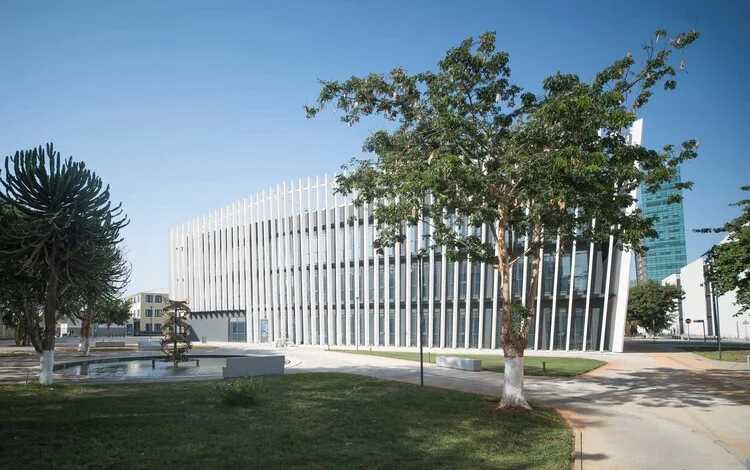
In a significant milestone for Angola’s burgeoning digital infrastructure, the Luanda Technology Park was officially inaugurated in June 2026. The ceremony, presided over by the President of Angola and attended by a high-level delegation of government ministers and industry leaders, marks the culmination of a comprehensive three-year development project. This initiative has effectively transformed a legacy technological campus into a modern, high-capacity hub designed to catalyze education, scientific research, and technological innovation across the nation.
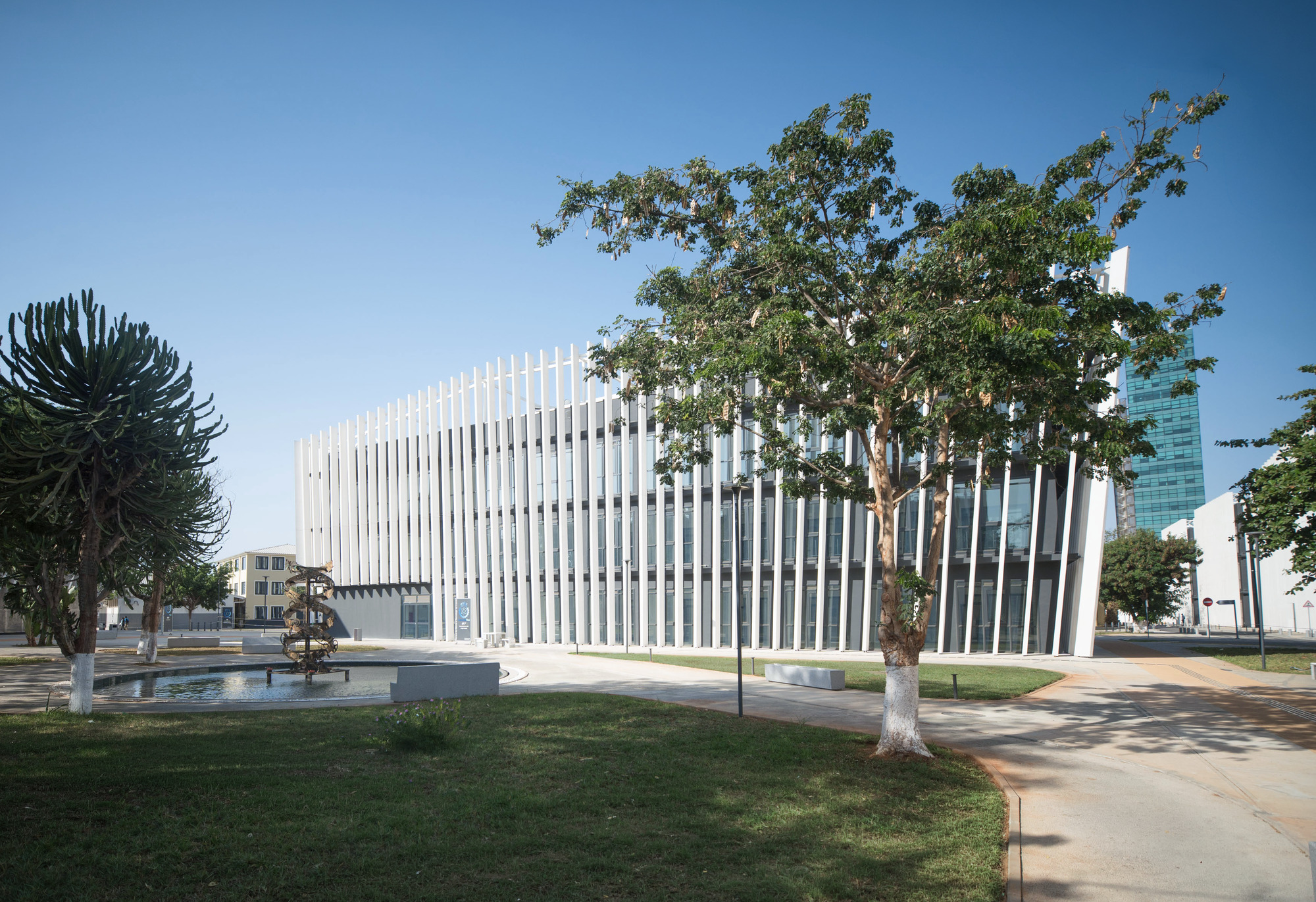
The project, spearheaded by the international engineering and architectural consultancy Typsa, represents a strategic investment by the Angolan government to diversify its economy. By fostering an environment conducive to startups, research institutions, and multinational tech firms, the park is positioned to serve as the cornerstone of the country’s transition toward a knowledge-based economy.
A Chronology of Development
The path to the realization of the Luanda Technology Park began long before the ribbon-cutting ceremony in mid-2026. The project underwent a rigorous multi-phase development process that prioritized the integration of existing site infrastructure with state-of-the-art new construction.
- 2023: Project Initiation and Site Assessment: The Angolan government, recognizing the need for a centralized innovation hub, finalized plans to redevelop the existing campus. Typsa was selected to lead the architectural and engineering design, focusing on sustainable development and functional versatility.
- 2023–2024: Structural Planning and Groundbreaking: The initial phase focused on site remediation and the laying of foundational infrastructure, including high-speed fiber optics, power grids, and climate-resilient building envelopes tailored to the Luanda climate.
- 2025: Advanced Construction and Integration: As the main buildings reached their final exterior configurations, interior fit-outs were prioritized. This period saw the installation of laboratories, modular office spaces, and collaborative zones, ensuring that the facility would be ready to support both academic research and private-sector incubation.
- June 2026: Official Inauguration: The completed park was handed over to the state, with the inaugural event confirming its operational status and its role as the primary venue for Angola’s upcoming technological development programs.
Architectural and Technical Specifications
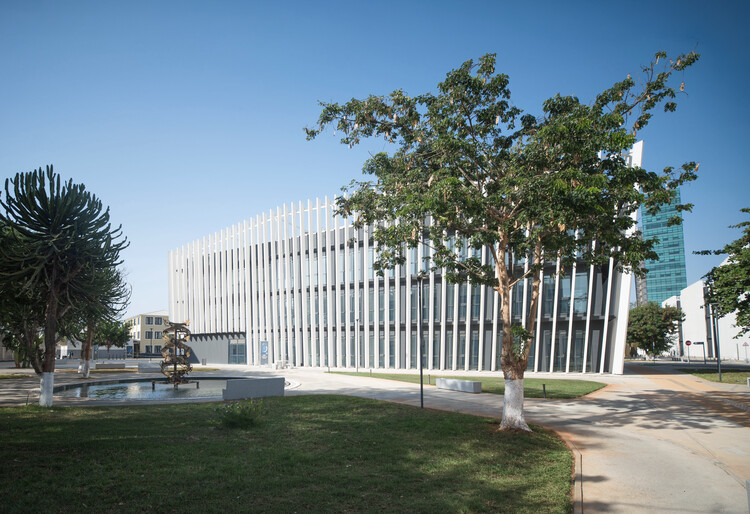
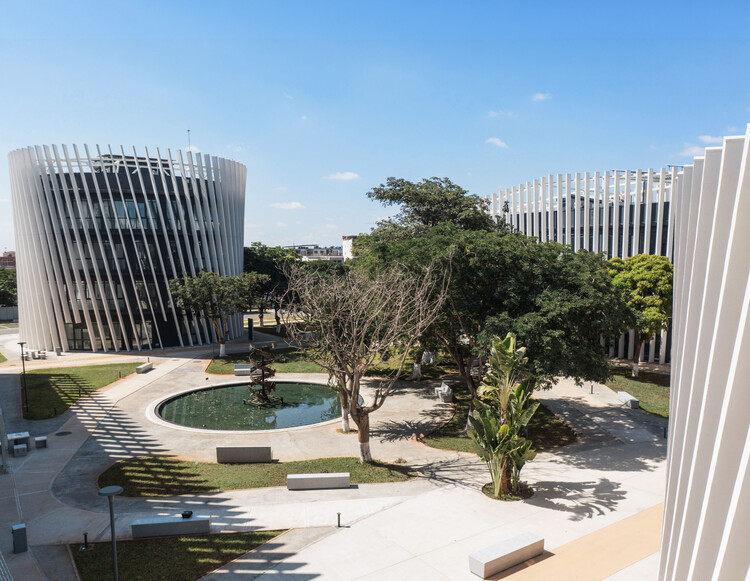
The design philosophy adopted by Typsa for the Luanda Technology Park emphasizes durability, modularity, and environmental efficiency. The aesthetic approach utilizes heavy concrete elements, which serve both as a structural necessity and as a passive thermal control mechanism, reducing the energy demand for air conditioning in the tropical climate.
The site is divided into distinct zones, each tailored to specific functional requirements. These include dedicated research and development wings, administrative hubs, and common areas designed to facilitate "serendipitous innovation"—the idea that physical proximity between researchers and entrepreneurs leads to unexpected collaborative breakthroughs.
The integration of advanced building management systems (BMS) allows for the real-time monitoring of energy consumption, a vital feature given the scale of the facility. Furthermore, the exterior design incorporates shaded walkways and open-air plazas, reflecting an urban planning strategy that encourages movement and interaction among the park’s diverse occupants.
Economic and Educational Implications
The Technology Park is expected to function as a bridge between Angola’s academic institutions and the industrial sector. By providing a centralized location for specialized equipment and high-performance computing resources, the park effectively lowers the barrier to entry for local tech startups.
Analysts observe that this development is a critical component of the "Angola 2050" strategic plan, which emphasizes the modernization of infrastructure to reduce reliance on commodity-based exports. By cultivating a pool of highly skilled labor within the park, the government hopes to attract regional investment and stem the "brain drain" that has historically affected the domestic tech sector.
Educational institutions are slated to partner with the park, providing students with internships and access to real-world projects. This ecosystem approach is designed to ensure that the skills being taught in universities are directly applicable to the needs of the emerging tech market.
Official Responses and Stakeholder Vision
During the inauguration, the President of Angola emphasized that the park is not merely a collection of buildings, but a "national commitment to the future." Government spokespeople noted that the park serves as the primary location for the National Digital Transformation Strategy, highlighting its role in digitizing government services and improving public administration efficiency.
The leadership at Typsa has publicly highlighted the challenges and successes of the project, specifically noting the complexity of retrofitting older technological assets while maintaining strict international standards for safety and connectivity. The architectural firm stated that the project demonstrates that large-scale, modern infrastructure in emerging markets can be both aesthetically significant and operationally superior, provided the planning phase is rooted in local climate and logistical realities.

Broader Impact on the Region
The impact of the Luanda Technology Park extends beyond the borders of Angola. As a major urban development in one of Africa’s fastest-growing economies, the park serves as a benchmark for other nations in the Southern African Development Community (SADC). Its focus on sustainable construction and integrated research facilities provides a template for similar projects across the continent.
Observers have noted that the success of the park will be measured by its ability to secure long-term partnerships with global tech giants and its capacity to produce home-grown intellectual property. The integration of high-speed connectivity within the park’s core ensures that tenants can compete on a global scale, participating in international digital markets with minimal latency.
Conclusion
The Luanda Technology Park stands as a testament to the ambitious trajectory of Angola’s modernization efforts. By consolidating research, education, and industry into a single, purpose-built, and environmentally conscious campus, the project addresses the critical need for innovation infrastructure in the region. As the site moves into its first full year of operations, the focus will shift from construction to capacity building—ensuring that the physical environment is matched by a vibrant, productive, and technologically savvy community. The project remains a significant milestone in the career of the architectural team at Typsa and a foundational pillar for the next generation of Angolan innovators.