The Comprehensive 2027 Wedding Guest Dress Guide: Trends, Dress Codes, and Seasonal Styling Strategies

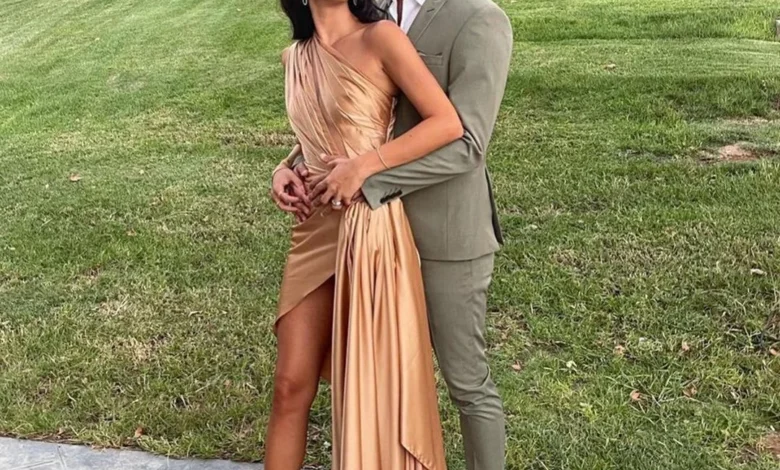
Navigating the landscape of wedding guest attire requires an understanding of evolving fashion standards, strict dress codes, and practical considerations such as venue logistics and seasonal climate shifts. Whether managing an autumn black-tie affair or a summer garden ceremony, wedding attendees face an array of sartorial choices that balance personal style with etiquette. Industry projections for 2027 highlight a definitive shift toward rewearability, high-texture fabrics, and versatile silhouettes that transition effortlessly from ceremony to reception. This guide examines the essential criteria for selecting wedding guest attire, analyzing seasonal requirements, dress code protocols, and emerging market trends for the upcoming year.
Understanding Wedding Dress Codes: From Casual to Black Tie
Decoding a wedding invitation’s dress code is the foundational step in selecting appropriate attire. Misinterpreting these parameters can result in social discomfort or violations of event etiquette. Industry experts categorize dress codes into distinct tiers, each demanding specific fabric weights, hemlines, and accessories.
Black-Tie and Formal Attire
Black-tie events represent the peak of formal wedding guest requirements. According to event planning directives from prominent designers like Emily Coyne, a formal or black-tie optional dress code bridges the gap between ultra-formal white-tie guidelines and traditional cocktail wear. For black-tie affairs, floor-length evening gowns crafted from luxury textiles such as silk, satin, and velvet remain the gold standard. Architectural details, dramatic sleeves, and subtle embellishments define the 2027 aesthetic for these high-formality gatherings.
Conversely, a standard formal dress code allows for slightly more flexibility. Attendees may select sophisticated midi-length dresses, tailored jumpsuits, or dressy pant-suits. Stilettos and block heels are generally favored over casual flats, and hemlines should consistently remain at or below the knee. Common styling errors during formal events include selecting overly casual silhouettes or utilizing thin, unstructured fabrics that fail to hold their shape during prolonged ceremonies.
Cocktail and Semi-Formal Attire
Falling immediately below formal wear, cocktail attire requires a polished, festive aesthetic. Standard choices include midi or tea-length dresses fabricated from crepe, chiffon, or silk. As consumer demand prioritizes garments with multi-event utility, 2027 cocktail trends lean toward fit-and-flare silhouettes, vibrant jewel tones, and minimalist embellishments.
Semi-formal attire offers a relaxed counterpart to cocktail requirements. Often selected for daytime, garden, or intimate indoor venues, semi-formal dress codes accommodate airy fabrics like chiffon and cotton blends. A-line skirts, wrap dresses, and subtle floral prints dominate this category, allowing guests to prioritize comfort without sacrificing sophistication. Stylists advise pairing these looks with strappy sandals, block heels, or refined flats, depending on venue terrain.
Casual and Destination Wedding Guest Wear
Casual dress codes—frequently deployed for beachfront, rustic, or backyard celebrations—eliminate rigid formal constraints while maintaining an underlying standard of respect for the hosts. Lightweight, breathable materials such as linen, cotton, and lightweight crepe prevent overheating during outdoor festivities. While denim and overly revealing cuts remain strictly prohibited unless explicitly authorized by the couple, relaxed midi-length dresses, soft cotton wraps, and unstructured sundresses provide adequate comfort and style.
Seasonal Adaptation: Dressing for the Climate
Climate and seasonal transitions dictate not only color palettes and fabric selections, but also structural layers necessary for outdoor and evening events. Selecting the incorrect fabric weight remains one of the most frequent styling errors noted by fashion analysts.
Spring and Summer Collections
Spring and summer celebrations capitalize on movement, light, and vibrant color theories. Spring wedding guest fashion for 2027 emphasizes pastel shades, flowing chiffon materials, and romantic details such as puff sleeves, ruffles, and subtle lace overlays. Floral prints remain a perennial favorite, perfectly suited for garden and estate venues.
Summer trends introduce bright color blocks, tiered skirts, and off-the-shoulder cuts. To combat high ambient temperatures, designers emphasize loose-fitting, breathable silhouettes that prevent heat entrapment. Footwear shifts toward strappy sandals, sophisticated flats, and supportive wedges suitable for grass or sand.
Fall and Winter Collections
As temperatures decline, guest attire shifts toward richer textures and heavier fabrications. Fall weddings invite jewel tones—including burgundy, plum, emerald, and cobalt blue—paired with velvet, heavy satin, jacquard, and structured lace. September acts as a transitional month where lightweight satins and mid-length chiffons remain viable, whereas October and November demand complete coverage, long sleeves, and substantial layering via tailored coats, faux fur wraps, or cashmere shawls.
Winter wedding guest apparel prioritizes thermal comfort without compromising elegance. Long-sleeve silhouettes, high necklines, and heavily embellished velvet or silk gowns dominate the winter market. Styling these garments typically involves closed-toe heels, statement winter coats, and metallic accessories that reflect seasonal lighting.
Key 2027 Fashion Trends and Market Shifts
The 2027 wedding guest dress market is heavily influenced by consumer demand for sustainability and rewearability. Rather than purchasing single-use garments, shoppers increasingly invest in versatile silhouettes that transition across multiple social engagements.
Key trends for 2027 include:
- Structural Versatility: Wrap dresses, A-line midi cuts, and empire-waist silhouettes continue to dominate across all sizing categories, including dedicated plus-size collections.
- Embellishments and Textures: Subtle metallic threading, minimalist beadwork, and architectural draping replace heavy, ostentatious ornamentation.
- Inclusive Sizing: The market has expanded its offerings for plus-size and petite demographics, ensuring that structured tailoring and flowing fabrics are engineered specifically for diverse body types rather than merely scaled up from standard patterns.
- Alternative Silhouettes: Tailored jumpsuits and sophisticated separates continue to capture significant market share as modern alternatives to traditional dresses.
Etiquette Guidelines: What Not to Wear
Regardless of shifting trends, foundational etiquette rules remain absolute. The most persistent violation is wearing white, ivory, or cream, as these shades are traditionally reserved exclusively for the couple being married. Additionally, guests must avoid overly revealing garments, extremely short hemlines, or loud, distracting patterns that draw visual focus away from the ceremony. When in doubt regarding the exact interpretation of a dress code, consulting the wedding website or reaching out discreetly to the wedding planner ensures adherence to the hosts’ expectations.