Conceptual Framework and the Observational Approach
The genesis of Pamoja House—the name "Pamoja" being derived from the Swahili word for "together"—was rooted in a period of deep observation by the architects. They noted that the client family had outgrown their previous residence not just in a physical sense, but in a functional one. The old home, constrained by rigid walls and traditional compartmentalization, could no longer support the multifaceted rhythms of three generations living under one roof. The grandparents, parents, and children required spaces that allowed for spontaneous interaction, yet the existing architecture created barriers that led to either forced proximity or total isolation.
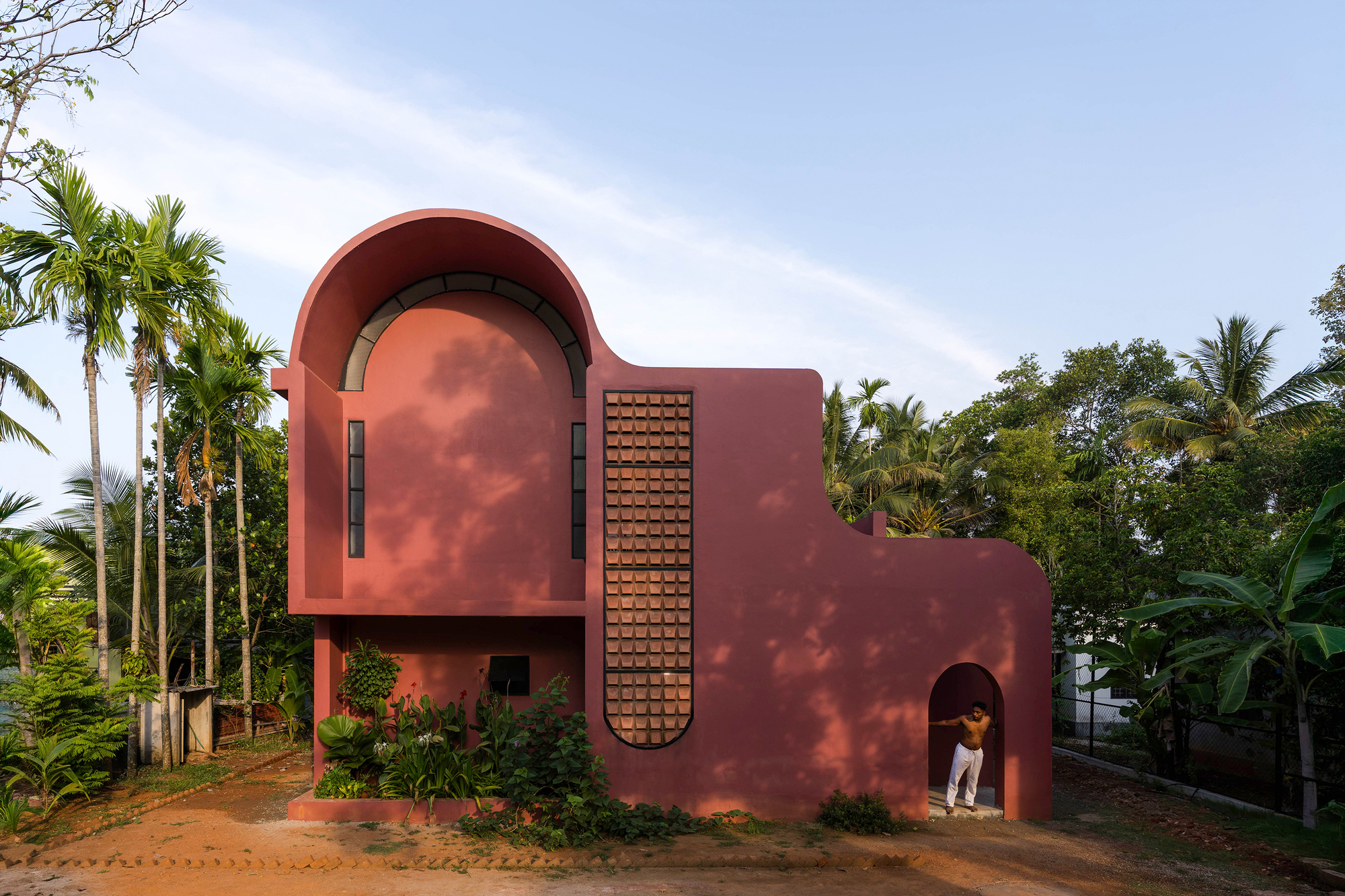
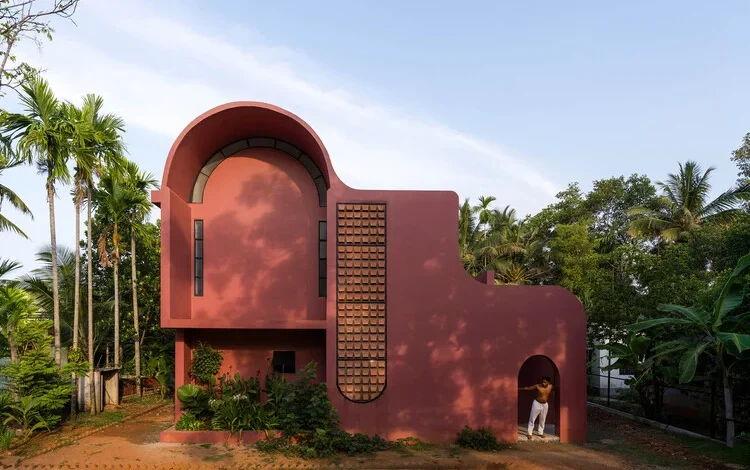
Project 51 A (h) sought to dissolve these barriers. By prioritizing "sectional generosity," the architects utilized varying floor heights and double-volume voids to create a sense of openness. This approach ensures that while family members may be on different levels or in different rooms, they remain visually and acoustically connected to the "heart" of the home. This spatial continuity is the defining characteristic of Pamoja House, transforming the act of moving through the building into a series of interconnected experiences rather than a passage through closed corridors.
Contextual Integration: Muhamma’s Tropical Vernacular
Muhamma is a town defined by its relationship with water and greenery. Situated near the Vembanad Lake, the climate is characterized by high humidity and heavy monsoon rains. Designing a modern house in this context requires a delicate balance between openness and protection. Pamoja House addresses these environmental factors through a sophisticated building envelope that utilizes deep overhangs and strategic glazing.
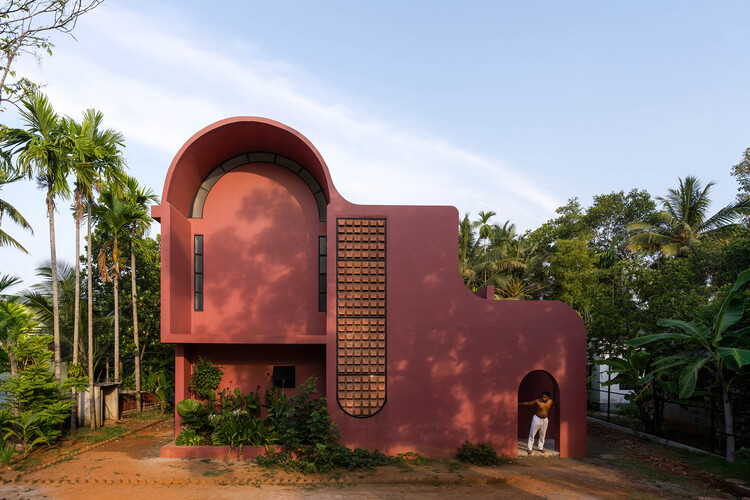
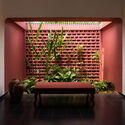
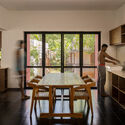
The architecture pays homage to the traditional Kerala Nalukettu (courtyard house) without resorting to historical pastiche. Instead of a central open courtyard, the house employs "internalized landscapes"—pockets of greenery and light wells that bring the outdoors in. This integration is vital in Kerala, where the landscape is often seen as an extension of the living space. Large glass partitions, as seen in the dining and living areas, erase the boundary between the manicured interior and the wilder tropical exterior, allowing the changing light of the day to dictate the internal atmosphere.
Structural and Material Narrative
The materiality of Pamoja House is a dialogue between the industrial and the organic. Concrete and steel provide the structural skeleton, allowing for the wide spans and cantilevered sections that give the house its light, floating appearance. However, these cold materials are tempered by the extensive use of warm wood and natural stone.
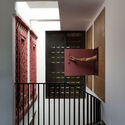
The interior photography reveals a masterclass in material application. The dining room, featuring a bespoke wooden table and minimalist chairs, is framed by floor-to-ceiling glass. This choice of materials serves a dual purpose: the wood provides a tactile, grounding element for the inhabitants, while the glass ensures that the house remains a "vessel for light." The use of wood extends to the ceilings and cabinetry, creating a cohesive visual language that ties the various levels together. This consistency is crucial in a house with such complex geometry, as it provides a sense of calm and order amidst the shifting volumes.
Navigating the Multi-Generational Program
The internal layout of Pamoja House is a sophisticated response to the "joint family" dynamic, which remains a cornerstone of Indian social life but is increasingly challenged by modern lifestyle expectations. The architects zoned the house to provide distinct "territories" for each generation.
- The Ground Level: Primarily dedicated to the grandparents and communal activities. This level features accessible living areas and easy transitions to the garden, ensuring that the eldest members of the family remain central to daily life without having to navigate vertical obstacles.
- The Intermediate Voids: The double-height dining and living spaces act as the "social glue." These are the areas where the three generations converge for meals, prayers, and conversation. The height of these spaces provides the "sectional generosity" mentioned in the project description, preventing the common areas from feeling cramped or overheated.
- The Upper Levels: These floors house the private quarters for the parents and children. By elevating these spaces, the architects provided a necessary degree of acoustic and visual privacy. Balconies and private terraces allow the younger generations to have their own connection to the outdoors, independent of the main garden.
Chronology and Development
The development of Pamoja House followed a rigorous timeline that began with extensive site analysis and climatic mapping.
- Phase 1: Observation and Programming (Year 1): The architects spent time understanding the family’s daily routines, identifying "friction points" in their old home. This phase resulted in a brief that emphasized emotional connectivity over mere room counts.
- Phase 2: Design and Simulation (Year 1.5): Using 3D modeling and solar studies, the team refined the sectional volumes to maximize natural ventilation—a critical factor in Kerala’s humid climate. The placement of windows and voids was calculated to create a "stack effect," drawing cool air from the ground level up through the house.
- Phase 3: Construction and Material Sourcing (Year 2-3): Construction involved local craftsmen skilled in woodworking, paired with modern engineering teams to execute the complex structural cantilevers. The sourcing of sustainable timber was prioritized to align with the project’s ecological sensibilities.
- Phase 4: Completion and Occupation (2026): The house was completed in early 2026, with the final photography by Prasoon Suresh capturing the interplay of light and shadow that defines the lived experience of the home.
Technical Analysis: Sectional Generosity as a Climate Tool
In architectural discourse, "sectional generosity" often refers to the luxury of space, but in the case of Pamoja House, it is also a functional tool for climate control. Kerala’s climate necessitates constant air movement to prevent mold and ensure comfort. By creating a house that is vertically open, Project 51 A (h) facilitated a natural convective cooling system.
The large volumes of air within the double-height spaces act as a thermal buffer, preventing the interior from heating up rapidly during the peak afternoon sun. Furthermore, the strategic placement of openings allows for cross-ventilation, ensuring that even on the hottest days, there is a perceptible breeze moving through the communal areas. This reduces the family’s reliance on mechanical air conditioning, making the home more sustainable and attuned to its environment.
Broader Implications for Indian Residential Architecture
Pamoja House arrives at a time when Indian architecture is grappling with the tension between tradition and globalization. As many families move toward nuclear structures, the "joint family house" is often seen as a relic of the past. However, Pamoja House argues that the multi-generational home is not only viable but can be a pinnacle of modern design if handled with sensitivity.
The project demonstrates that privacy and togetherness are not mutually exclusive. By using architecture to mediate these two needs, Project 51 A (h) has created a model for "co-living" that is rooted in cultural values but expressed through a contemporary aesthetic. The success of the project lies in its ability to be "generous"—not just in its dimensions, but in its spirit, providing a stage for the everyday drama of family life to unfold in a setting of beauty and light.
Conclusion: A Legacy of Connection
As the family settled into Pamoja House in 2026, the impact of the design became immediately apparent. The "friction points" of their previous life were replaced by "connection points." The grandparents found joy in the visual link to the children playing on the upper levels, while the parents enjoyed the serenity of their private suites without feeling disconnected from the household’s pulse.
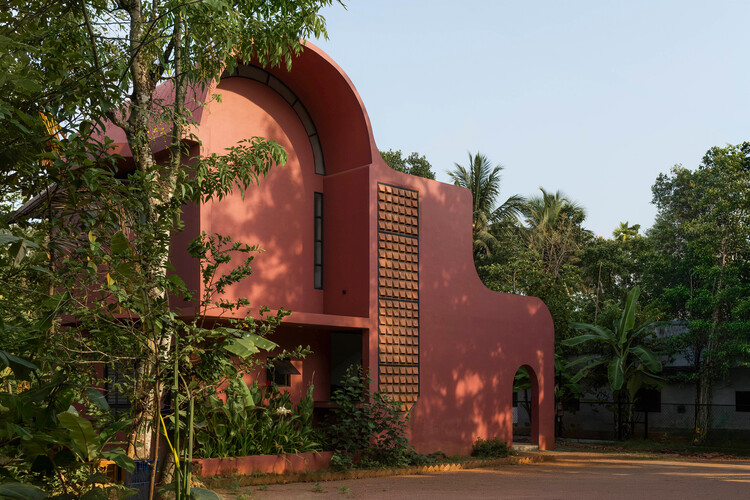
Pamoja House / Project 51 A (h) is more than a building; it is a structural manifestation of a family’s desire to remain "together" (Pamoja) in an increasingly fragmented world. Through its thoughtful use of materials, its respect for the Kerala landscape, and its innovative sectional design, it stands as a landmark of residential architecture in South India, proving that the best homes are those built not just for shelter, but for the complex, beautiful reality of human relationships.