The Definitive Guide to Selecting Sustainable Linen Dresses for the Modern Ethical Wardrobe

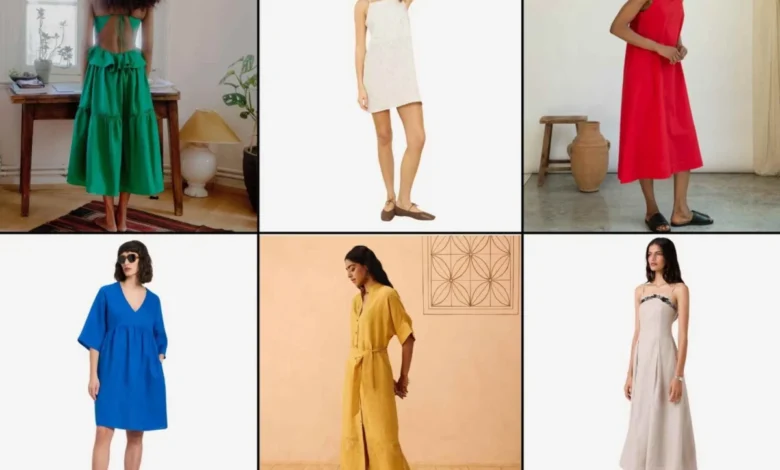
As summer temperatures reach record highs globally, consumers are increasingly pivoting toward natural fibers, with linen emerging as the primary textile choice for its superior breathability and lower environmental footprint. While the demand for summer-appropriate attire grows, the fashion industry faces heightened scrutiny regarding its ecological impact. The rise of linen—a material derived from the resilient flax plant—represents a significant shift in consumer preference toward textiles that require fewer synthetic inputs than traditional cotton or polyester.
The Science and Sustainability of Flax Cultivation
Linen is produced from the fibers of the flax plant, a crop historically valued for its versatility and durability. From a botanical standpoint, flax is exceptionally efficient. It thrives in poor soil conditions, requiring significantly less irrigation than cotton, which is notoriously water-intensive. Data from the European Confederation of Flax and Hemp (CELC) indicates that flax cultivation in Europe relies almost entirely on natural rainfall, further minimizing its hydrological impact.
Despite these environmental advantages, the industrial processing of linen is not without challenges. The retting process—whereby the woody stalk is separated from the fiber—and the subsequent dyeing stages often involve high concentrations of chemicals. To address these concerns, industry experts emphasize the importance of GOTS (Global Organic Textile Standard) certification. GOTS-certified linen ensures that the fiber is grown without toxic pesticides and that the chemical processing stages adhere to strict environmental and social criteria.
Historical Context and Modern Material Innovation
The historical use of linen dates back thousands of years to ancient Mesopotamia and Egypt, where its cooling properties were prized in arid climates. In the modern era, the fashion industry is rediscovering these ancient benefits as part of a broader "slow fashion" movement. By choosing 100% linen, consumers avoid the pitfalls of synthetic fiber blends, which are notoriously difficult to recycle. When linen is blended with polyester or elastane, the resulting garment often ends up in a landfill because the infrastructure for separating mixed fibers is currently underdeveloped.
According to a 2023 report by the Changing Markets Foundation, the fashion industry’s reliance on synthetic fibers is a primary driver of microplastic pollution. By prioritizing pure, biodegradable linen, consumers contribute to a circular economy model where the garment can, at the end of its lifecycle, return to the earth, provided it has not been treated with synthetic dyes or non-compostable resins.
Chronology of the Sustainable Fashion Shift
The recent focus on ethical linen is part of a decade-long transition in the apparel sector.
- 2014–2016: The initial surge in transparency reporting saw major brands beginning to disclose their supply chains, partly in response to the Rana Plaza disaster.
- 2017–2019: Sustainability-focused platforms like Good On You gained prominence, providing the first mass-market rating systems for brand ethics.
- 2020–2022: The COVID-19 pandemic acted as a catalyst for "wardrobe intentionality," where consumers shifted from fast-fashion purchasing to investing in high-quality, long-lasting staples.
- 2023–Present: Regulatory bodies in the EU and North America have begun proposing legislation targeting "greenwashing," forcing companies to provide verified data on fiber origins and chemical use.
Economic and Environmental Implications
The move toward sustainable linen is not merely a lifestyle choice but an economic necessity for a warming planet. Agriculture experts note that because flax can be harvested in one season and grows rapidly in temperate climates, it represents a more secure agricultural commodity than water-hungry crops.
However, there is a clear distinction between "green" marketing and verified sustainability. Consumers are encouraged to look for transparency in labor practices alongside material sourcing. The brands mentioned in this analysis, including PANGAIA and LA Relaxed, have been evaluated by independent agencies on their treatment of workers and their efforts to minimize carbon emissions. The objective for the modern shopper is to seek longevity. A high-quality linen dress, if cared for correctly, can last for over a decade, effectively amortizing its environmental cost over hundreds of wears.
Evaluating Ethical Linen Options: A Curated Selection
When curating a wardrobe, it is essential to look beyond the surface aesthetics. The following brands have been recognized for their rigorous approach to material selection and corporate responsibility:
- Artknit Studios: Known for their "direct-to-consumer" model, which reduces waste by eliminating traditional retail markups and overproduction.
- JAN N JUNE: Focuses on minimalist, timeless silhouettes that discourage the "trend-cycle" mentality.
- TWOTHIRDS: Utilizes a pre-order model to ensure that production levels meet actual demand, significantly reducing textile waste.
- OhSevenDays: Specializes in "deadstock" fabrics, repurposing leftover material from larger manufacturers to prevent it from reaching landfills.
- Whimsy + Row: Prioritizes locally produced, small-batch manufacturing in Los Angeles to reduce the carbon footprint associated with global shipping.
- Beaumont Organic: Maintains high standards for both organic material sourcing and ethical worker treatment in their supply chain.
- Lanius: An industry leader in GOTS-certified textiles, providing full transparency on the chemical composition of their dyes.
- Sui: Focuses on traditional craftsmanship and the use of natural, non-toxic dyes, preserving regional heritage techniques.
- The Summer House: Emphasizes artisanal, handmade linen garments that support local craft communities.
- SeamsFriendly: Offers a unique focus on size-inclusivity, ensuring that sustainable fashion is accessible across a wide range of body types.
- PANGAIA: Invests heavily in material science to create bio-based alternatives to synthetic finishing agents.
- LA Relaxed: Adheres to strict labor standards and utilizes sustainable dyeing processes that recycle water.
Recommendations for the Conscious Consumer
To ensure the long-term sustainability of a linen purchase, shoppers should adhere to three primary principles:
- Material Composition: Prioritize 100% linen or linen-organic cotton blends. Avoid blends with nylon or spandex, which compromise the garment’s ability to be recycled.
- Maintenance: Linen is naturally antibacterial and requires less frequent washing than synthetic fabrics. Cold water washes and air drying will significantly extend the life of the fibers.
- Investment vs. Impulse: Before purchasing, ask if the style will be relevant in three years. Sustainable fashion is as much about the refusal to participate in micro-trends as it is about the fabric itself.
The Broader Impact on the Industry
The fashion industry currently accounts for approximately 10% of global carbon emissions and is a major contributor to water scarcity. While the transition to linen is a positive step, it remains a niche segment of the total global apparel market. For a substantive change, systemic shifts in production are required. This includes the implementation of Extended Producer Responsibility (EPR) laws, which would hold brands accountable for the end-of-life disposal of their garments.
As consumers continue to demand transparency, brands are finding that ethical behavior is becoming a competitive advantage. The success of labels that prioritize linen—and the transparency of their supply chains—suggests that the market is beginning to reward long-term value over short-term volume. By supporting these initiatives, the consumer plays an active role in the industry’s ongoing transformation toward a more resilient and equitable model.
For those seeking to further their research, comprehensive brand directories provided by organizations such as Good On You offer an invaluable resource for assessing the environmental, labor, and animal-welfare impacts of thousands of retailers worldwide. Navigating the intersection of style and sustainability requires diligence, but the shift toward high-quality, low-impact materials like linen is a vital component of a responsible modern wardrobe.