The Dual Lens Xtra Muse 2 Pro Undercuts Insta360 with Sub-$700 Price, Then Disappears Amidst FCC Crackdown

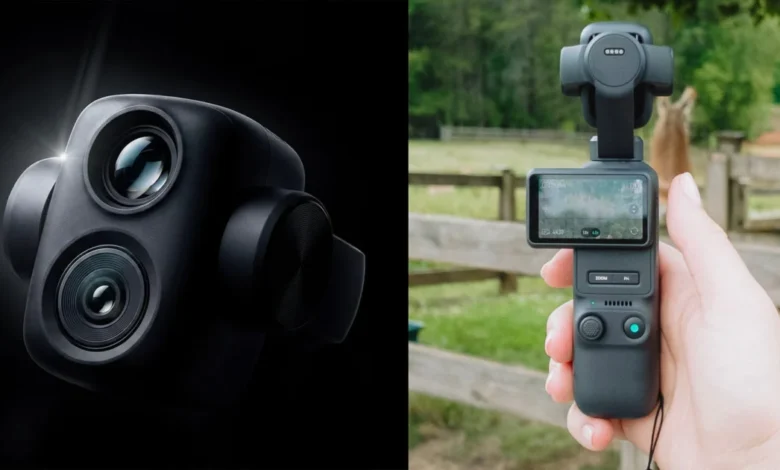
In a dramatic turn of events, Xtra, a company that has faced scrutiny for allegedly distributing rebranded DJI products in the United States, has abruptly removed its highly anticipated Muse 2 Pro camera from its website and halted all preorders. This move comes mere days after the U.S. Federal Communications Commission (FCC) publicly targeted Xtra and similar entities, signaling a significant escalation in regulatory action against companies accused of circumventing U.S. import restrictions on certain Chinese technology.
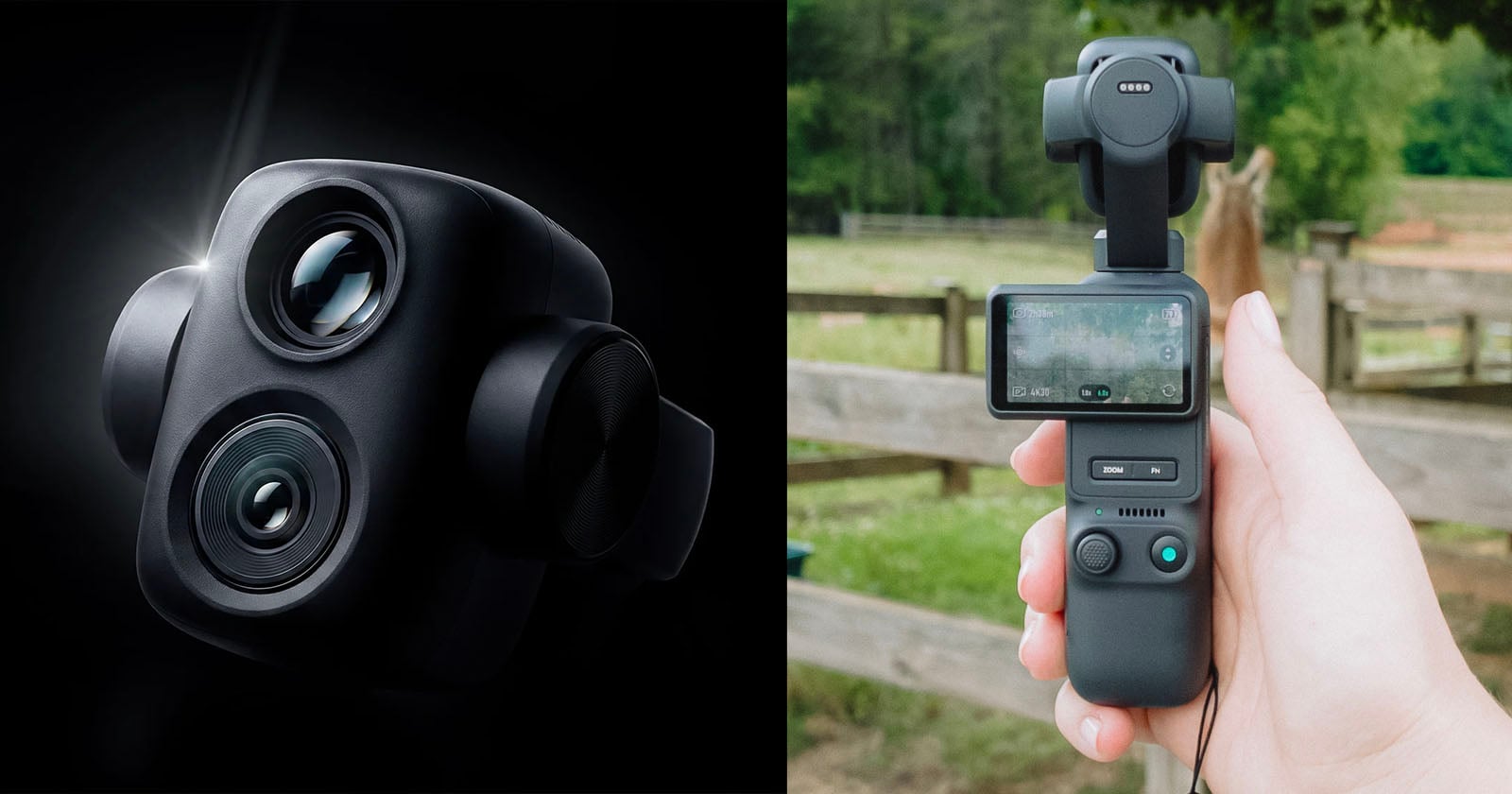
The Xtra Muse 2 and its predecessor, the Muse 2 Pro, have been widely recognized as remarkably similar, if not identical, to DJI’s Osmo Pocket 4 and Osmo Pocket 4P models. This uncanny resemblance, coupled with a significantly lower price point, had positioned Xtra as a compelling alternative for consumers eager to acquire advanced gimbal cameras that are otherwise unavailable in the U.S. market due to existing trade restrictions. However, the company’s strategy of offering what appear to be DJI-manufactured products under a different brand now seems to have encountered an insurmountable regulatory hurdle.
A Swift Retreat Amidst Regulatory Pressure
The sudden disappearance of the Muse 2 Pro from Xtra’s online storefront and the cessation of preorder activities suggest a preemptive response to the FCC’s recent actions. Just last week, the FCC initiated a series of enforcement measures, including imposing fines on multiple companies, including Xtra, for allegedly violating regulations by importing and distributing technology that falls under import bans. The commission’s stated rationale for these actions centers on the companies’ failure to adequately disclose the origin of their technology, leading to the strong suspicion that these are, in fact, banned DJI products.
The FCC’s recent pronouncements are not isolated incidents. Earlier this year, the U.S. government expanded its restrictions on the import of certain Chinese technology, particularly those deemed to pose national security risks or those manufactured by companies subject to foreign government influence. DJI, a leading global manufacturer of drones and camera equipment, has been at the forefront of these concerns, leading to its products being effectively barred from the U.S. market through various channels. Companies like Xtra appear to have attempted to exploit loopholes by rebranding or reselling these restricted items.
The FCC’s latest round of actions, announced earlier this month, included imposing fines on several companies and initiating a process that could lead to broader import bans. While these new bans are not immediately effective, typically involving a 30-day public comment period to allow for industry feedback and potential appeals, Xtra’s rapid withdrawal indicates a lack of confidence in its ability to navigate this evolving regulatory landscape. The company’s decision to cease operations for the Muse 2 Pro and initiate refunds for existing deposits underscores the severity of the situation.
Photographer’s Report Sheds Light on Xtra’s Announcement
The unfolding events were brought to public attention by photographer Francis Alvarez, who shared an email received from Xtra on the social media platform Threads. According to Alvarez’s post, Xtra officially communicated that its "Early Bird program for the Muse 2 Pro has been paused." The company cited an inability to "confirm a reliable launch timeline at this stage" as the primary reason for this suspension. This statement leaves a sliver of possibility for a future relaunch in the U.S., but the immediate reality for customers is a refund of their deposits.
Xtra’s official statement, as relayed by Alvarez, further elaborated, "We have not announced a new product launch timeline at this time. Further information will be shared separately once the relevant plans are confirmed." This vague communication suggests that the company is reassessing its strategy in light of the FCC’s intensified enforcement. The ambiguity surrounding future plans, coupled with the direct impact of regulatory action, points towards a significant disruption in Xtra’s business model.
The DJI Connection: A Recurring Theme
Xtra’s business model has consistently involved offering products that bear a striking resemblance to DJI’s popular consumer electronics. In October 2025, PetaPixel reported on Xtra’s ability to bring "awfully familiar products" to American customers, products that looked "an awful lot like DJI’s but without the tariffs." This pattern of apparent product mirroring, particularly concerning the Osmo Pocket line, had already raised questions about the supply chain and legality of Xtra’s offerings.
The FCC’s recent fines against Xtra and other similar companies stem from a fundamental lack of transparency regarding the provenance of their technology. When companies fail to provide clear explanations about the origin of their products, especially those that closely resemble banned or restricted items, regulators are empowered to investigate further. The prevailing assumption within the industry and among observers is that these "front companies" are indeed distributing technology manufactured by companies like DJI, which are subject to U.S. import restrictions.
Implications for the Market and Consumers
The FCC’s crackdown on companies like Xtra has significant implications for both the market and consumers. For consumers who were anticipating more affordable access to advanced gimbal cameras, this development represents a setback. The U.S. market for such devices may remain limited to officially sanctioned distributors, potentially at higher price points. This situation also highlights the ongoing geopolitical tensions and trade disputes that can directly impact the availability of consumer technology.
For companies operating in this space, the message from the FCC is clear: circumventing import restrictions through rebranding or obfuscation will be met with stringent enforcement. The increased regulatory scrutiny is likely to deter other similar ventures and may force companies to either comply fully with import regulations or cease operations in the U.S. market altogether.
The future of Xtra and companies that adopt similar business strategies appears uncertain. Without a clear path to legally import and sell technology that closely mirrors restricted products, their ability to operate in the U.S. is severely compromised. The FCC’s sustained focus on this issue suggests that a long-term resolution, which favors compliance and transparency, is the most probable outcome for the market.
As of the latest reports, Xtra has reportedly ceased responding to inquiries from PetaPixel regarding these ongoing issues, further emphasizing the company’s apparent reluctance to engage with the controversy. The silence from Xtra, coupled with the decisive action from the FCC, paints a stark picture of the challenges faced by companies attempting to navigate the complex web of international trade regulations and technology import bans. The era of readily available, albeit suspiciously similar, DJI alternatives may be drawing to a close, at least in the U.S. market.
A Chronology of Events
- October 2025: PetaPixel reports on Xtra’s history of offering products that closely resemble DJI cameras, noting their availability to American customers without apparent tariffs.
- Early July 2026: The FCC begins taking enforcement action against companies, including Xtra, by issuing fines for alleged violations related to the import of technology.
- Mid-July 2026 (Specific Date Not Provided, but implied to be shortly before the article’s publication): The FCC announces new measures, potentially including import bans, targeting companies distributing restricted technology.
- Week of FCC Announcements: Xtra removes the Muse 2 Pro from its website, halts preorders, and begins notifying customers of deposit refunds.
- Present Day (as reported): Photographer Francis Alvarez publicly shares an email from Xtra confirming the pause of the Muse 2 Pro’s Early Bird program and subsequent refunds, citing an uncertain launch timeline. Xtra ceases responding to media inquiries.
This timeline illustrates a rapid escalation of regulatory pressure and Xtra’s swift, albeit defensive, reaction. The company’s strategy of offering products that appear to be direct competitors to banned DJI models has now collided with the full force of U.S. import enforcement mechanisms. The ultimate fate of Xtra and the availability of such devices in the U.S. market remain in significant doubt, hinging on the FCC’s ongoing investigations and policy decisions.