The Essential Guide to Curating a Professional Jewelry Collection: Why Modern Chains Offer Superior Longevity and Style

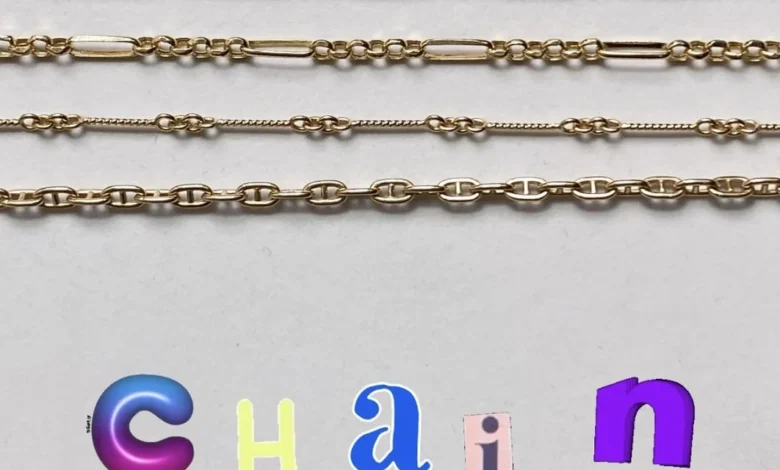
The evolution of the fine jewelry market has seen a distinct shift toward the modernization of essential components, particularly in the category of chains. For decades, the secondary market served as the primary source for gold and silver chains; however, recent industry observations suggest that the structural integrity of vintage inventory frequently falls short of contemporary durability standards. As consumer demand for high-quality, wearable, and reliable jewelry increases, retailers are pivoting toward manufacturing new, high-specification chains to replace the often-compromised pieces found in vintage collections.
The Structural Reality of Vintage Jewelry
Historically, the jewelry industry relied on the circulation of heirloom and estate pieces to supply consumers with chains. While these items often possess historical character, they are frequently plagued by "hidden faults"—microscopic fissures and thinning links caused by decades of friction and environmental exposure. Jewelry experts and gemologists note that the naked eye often fails to detect the structural fatigue that occurs at the pivot points of a chain.
When a chain is subjected to constant daily wear, the microscopic abrasion between links leads to metal loss. Over time, this degradation necessitates professional restoration. Data from independent jewelers indicate that the cost of repairing vintage chains—which often requires laser welding or the manual replacement of individual links—frequently exceeds the inherent value of the piece itself. Consequently, many professional curators are moving away from stocking vintage chains, opting instead for new inventory that undergoes rigorous quality control processes, including magnification-based stress testing.
Chronology of the Shift Toward New Manufacture
The trend of favoring new, manufacturer-direct chains gained momentum over the last five years. The timeline of this shift can be observed through the following milestones:
- Pre-2015: The market was dominated by vintage sourcing. The primary concern for consumers was aesthetics rather than structural longevity.
- 2016–2019: An increase in consumer reports regarding "broken chains" led to a demand for better materials and reinforced construction. The rise of "charm culture"—where individuals adorn chains with heavy pendants—exacerbated the need for higher tensile strength.
- 2020–2022: Global supply chain disruptions forced retailers to reconsider their sourcing strategies. Many boutiques began partnering directly with manufacturers to ensure consistent quality and ethical sourcing of gold and silver.
- 2023–Present: The industry has fully embraced "essentialist" jewelry, where the quality of the base chain is viewed with the same level of importance as the gemstones or pendants it supports.
Data-Driven Essentials: The Top Five Chain Architectures
A professional jewelry collection is defined by its versatility and durability. Analysis of retail trends and consumer preferences has identified five specific chain architectures that provide the necessary foundation for any high-end collection.

1. The Mariner Link
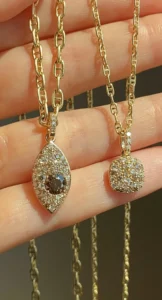
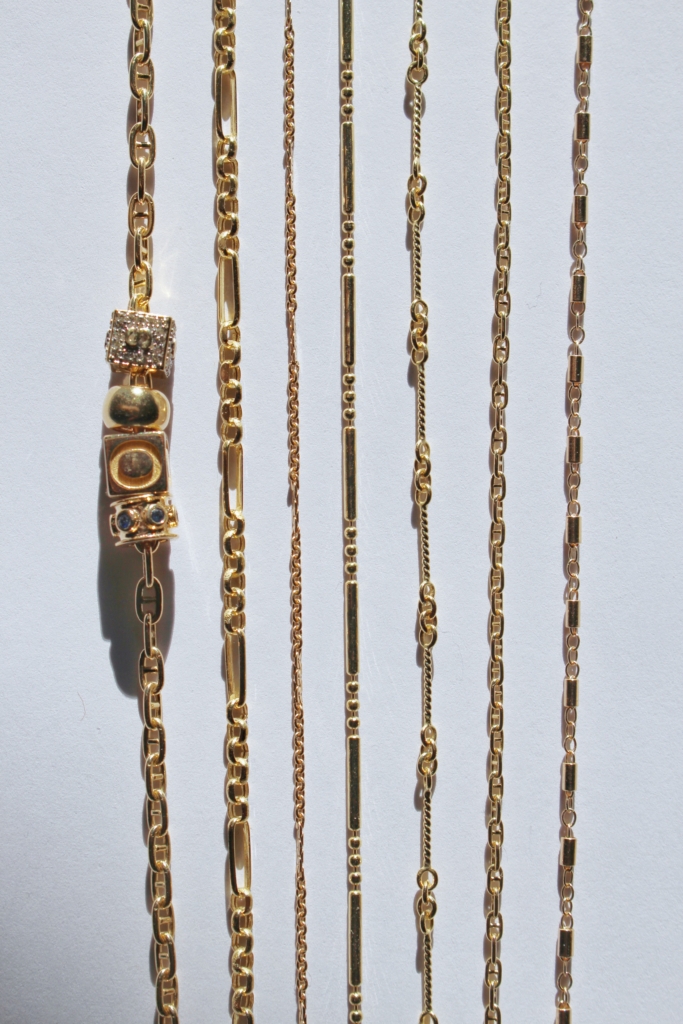
Distinguished by its oval shape with a central bar, the Mariner link is one of the most structurally sound designs available. Because the links are solid and interlocking, they offer superior resistance to pulling and tangling. Data indicates that both "mini" and 3mm variations are highly favored for their ability to support "charm jumbles" without risking metal fatigue.
2. The Box Chain
The Box chain consists of square links that create a smooth, continuous surface. It is widely considered the industry standard for durability. From a technical perspective, the box chain’s design minimizes the amount of surface area exposed to friction, significantly extending its lifespan compared to open-link styles. It is frequently recommended for daily wear with heavier pendants.
3. Large Link Varieties (Trombone and Oval)
To provide dimension and aesthetic contrast, jewelry curators recommend incorporating larger link chains. The "Trombone" link, characterized by its elongated, rectangular shape, has seen a surge in popularity due to its architectural aesthetic. These pieces serve as a focal point in a "neck stack," offering visual weight without the fragility associated with thinner, hollow-core designs.

4. The Mini Figaro
The Figaro chain, a classic design featuring a pattern of flattened links (typically one long link followed by two or three shorter ones), is the professional alternative to the standard "cable" chain. The flattening process increases the metal’s surface density, making it more resistant to deformation. It is currently the top choice for those looking to upgrade basic pendant displays.
5. Specialized Unique Links
The category of "unique links"—including Bar + Bead, Twisted Stick, and Starburst Curb—represents the intersection of traditional metallurgy and contemporary design. These pieces are engineered to provide aesthetic variety while maintaining structural integrity. By utilizing modern casting techniques, manufacturers are able to create intricate shapes that retain the strength of solid metal, preventing the common breakage points found in vintage artisan-made pieces.
Broader Economic and Industry Implications
The transition toward brand-new chains has significant implications for the broader jewelry industry. First, it addresses the issue of consumer trust. By providing chains that have been tested for durability, retailers mitigate the risk of loss—a common concern when a pendant of high value is lost due to a faulty chain link.

Furthermore, the shift impacts the secondary market. As consumers prioritize reliability, the value of generic vintage chains is expected to decline, while the value of authenticated, high-quality modern pieces will likely stabilize. Jewelry manufacturers are responding to this by increasing their production of diverse link shapes, allowing for a higher degree of personalization for the consumer.
Expert Analysis: Balancing Aesthetics and Integrity
The consensus among professional jewelers is that a chain should be viewed as a functional investment. When selecting a piece, consumers are advised to look for specific indicators of quality:
- Solid vs. Hollow: Solid metal is non-negotiable for pieces intended for daily use.
- Closure Security: The presence of high-tension lobster claws or integrated spring rings.
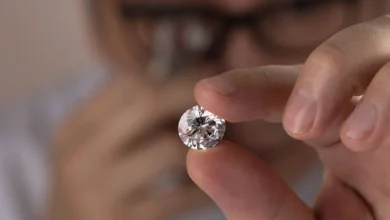
- Link Integrity: A visual inspection under 10x magnification to ensure that every loop is fully closed and that there is no thinning at the connecting points.
As the industry moves forward, the trend is clear: consumers are no longer satisfied with aesthetic value alone. The demand for "heirloom-quality newness" is driving a standard of excellence that ensures jewelry remains not only a reflection of personal style but a durable asset that can withstand the rigors of modern life. By curating a collection based on these five foundational chain types, individuals can ensure their jewelry remains both secure and aesthetically relevant for years to come.