The Evolution of Influence: Fashion and Beauty Insiders Discuss the Maturation of the Creator Economy at Glossy Pop NYC

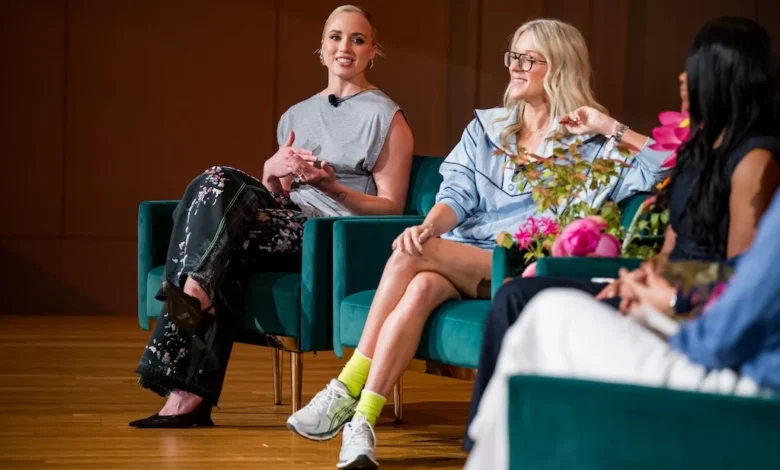
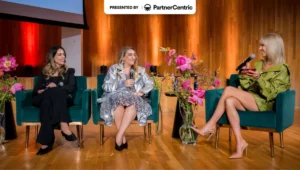
The intersection of digital media, commerce, and traditional industries was brought into sharp focus earlier this month at the Glossy Pop NYC event, where leading creators, brand executives, and industry veterans gathered to examine the state of the modern influencer economy. As digital platforms become increasingly saturated and artificial intelligence reshapes the contours of marketing, the event served as a critical forum for dissecting what it takes to achieve longevity and cut through the noise in fashion and beauty.
Throughout the panel discussions and keynote presentations, attendees debated the fundamental shift from simple product placement to deep, multi-dimensional brand partnerships. Industry leaders highlighted a maturing digital landscape where traditional definitions of influence are being challenged by professional expertise, athletic crossovers, and a demand for genuine creative collaboration.
The Maturation and Expansion of the Creator Economy
The creator economy has evolved significantly over the past decade. What began as a decentralized ecosystem of niche bloggers and early-stage YouTubers has transformed into a multi-billion-dollar industry that rivals traditional advertising agencies in budgetary scale and cultural impact. However, this maturation has brought structural changes, forcing digital personalities to continuously adapt their strategies to maintain audience engagement and brand relevance.
Content creator Abby Baffoe, who initially gained traction in 2019 focusing primarily on hair styling tutorials, detailed her transition into a lifestyle-focused creator. Reflecting on the evolution of her digital footprint, Baffoe noted that while operating within a hyper-specific niche can yield initial growth, it can eventually stifle a creator’s professional range.
“Having a niche works for some people, but for me, it felt restricting,” Baffoe told the audience. Despite expanding her content scope to encompass broader lifestyle topics, she has successfully preserved long-term partnerships with legacy beauty brands like TRESemmé and L’Oréal, proving that established relationships can endure when creators integrate products naturally into their daily routines.
This sentiment underscores a broader trend within digital marketing: brand partners are increasingly favoring holistic, ongoing collaborations over one-off sponsored posts. As audiences grow more skeptical of transactional advertising, authenticity is measured not just by a creator’s enthusiasm for a single product, but by the consistency of their lifestyle integration over years of content production.
The Rise of the Athlete-Creator Paradigm
One of the most notable structural shifts discussed at Glossy Pop NYC is the convergence of professional sports and digital marketing. Brand marketers have increasingly turned to professional athletes as dynamic brand ambassadors, leveraging their built-in fanbases and high-performance credibility to reach demographics that traditional influencers often miss.
WNBA star Hailey Van Lith addressed this emerging dynamic, emphasizing that modern athlete-creators are no longer content with acting as passive billboards for corporate sponsors. Instead, they are demanding active roles in the creative and strategic development of campaigns.
“Some athletes love their sport so much, and the brand [partnership] side is kind of a supplement,” Van Lith explained. “But for me, I like the experience of even [deciding] what the shoot is going to look like.”
Van Lith’s perspective highlights a growing demand for autonomy among high-profile figures entering the digital marketing space. Rather than accepting pre-packaged ad reads, athlete-creators are utilizing their personal brands to co-create product lines and shape marketing narratives, signaling a shift toward higher-tier collaborations that bridge professional sports and consumer lifestyle goods.
Navigating the Creative Constraints of Luxury versus Mass-Market Campaigns
While creators increasingly push for creative control, the realities of commercial partnerships vary widely depending on the tier of the brand. Tessa Brooks, a prominent creator, dancer, and actress commanding a combined following of over 25 million across Instagram and TikTok, offered insight into the contrasting demands of luxury fashion versus mass-market beauty campaigns.
According to Brooks, executing campaigns for non-luxury brands often centers on agility and the pursuit of virality. Creators are typically given the freedom to experiment with trending formats, audio, and comedic elements to maximize engagement metrics. However, high-fashion collaborations operate under entirely different parameters.
“When it comes to high-fashion brands, it’s very different because they’re so specific about who they are and their image,” Brooks stated. Luxury houses, steeped in decades of heritage and carefully guarded brand equity, routinely enforce rigorous content guidelines and strict ad reads. For top-tier creators, balancing the spontaneous, personal tone expected by their followers with the rigid compliance required by luxury conglomerates represents a daily professional challenge.
Expertise Versus Opinion: The Critique of Modern Influence
Beyond the logistics of brand partnerships, the Glossy Pop NYC conference also confronted deeper philosophical questions regarding the very definition of an influencer. Industry veterans questioned whether the democratization of content creation has inadvertently diluted the value of genuine expertise, particularly within specialized fields like fashion and beauty criticism.
Kelly Cutrone, a veteran fashion publicist and founder of People’s Revolution, offered a stark critique of the modern digital landscape. Cutrone argued that the widespread availability of low-cost production tools has led to a saturation of unqualified voices, rendering terms like "influencer" and "micro-influencer" largely meaningless.
“For me, the word ‘influencer’ or ‘micro-influencer,’ it’s whatever,” Cutrone said, pointing out the ease with which individuals can establish a digital presence. “Today, you can go to Amazon and order a mic and get a cool background and have an opinion.”
Cutrone emphasized that the democratization of online publishing platforms has blurred the lines between informed critique and subjective commentary, cautioning that consumers must learn to differentiate between personal opinions and hard-earned professional experience.
Real-Life Skills and Industry Credibility Reign Supreme
Reinforcing Cutrone’s critique, several speakers emphasized that foundational skills and decades of hands-on industry experience remain critical differentiators in a crowded marketplace.
Mary Phillips, a celebrated makeup artist and founder of the cosmetics brand M.ph by Mary Phillips, shared how her extensive career background provided instant credibility when she transitioned from behind-the-scenes artistry to brand ownership. When pitching her business concept to major beauty retailer Sephora prior to manufacturing any physical inventory, Phillips found that her decades of professional reputation preceded her.
“When we pitched our idea to Sephora before having any products, they said, ‘Great, we want it,’” Phillips recalled. She noted that retailers like Sephora are actively seeking out proven industry expertise because they value the practical knowledge that veteran practitioners bring to product development.
Cutrone expanded on this theme, advising aspiring professionals who wish to build enduring careers in fashion and beauty—rather than simply chasing temporary digital fame—to recognize that the industry demands rigorous commitment and real-world immersion.
“As crazy as this industry is, it’s given me everything,” Cutrone reflected.
Broader Implications for the Future of Digital Marketing
The discussions at Glossy Pop NYC point to a maturing industry entering a phase of consolidation and professionalization. As artificial intelligence tools streamline content production and market saturation forces brands to reevaluate their digital spending, the era of easy, surface-level influence appears to be drawing to a close.
Market analysts note that brands are increasingly shifting budgets toward creators who possess verifiable expertise, engaged niche communities, and the capability to participate in genuine product innovation. Simultaneously, creators are recognizing the necessity of diversifying their revenue streams and securing long-term equity in the brands they champion.
Ultimately, the insights shared at the event suggest that while digital platforms will continue to lower the barrier to entry for aspiring creators, long-term viability in fashion and beauty will increasingly belong to those who pair digital fluency with substantive industry knowledge, professional discipline, and authentic creative collaboration.