The Evolution of the Antique Jewelry Market and the Rise of the Reimagined Talisman through the Lens of Professional Collector Cyndi of TheFabNab

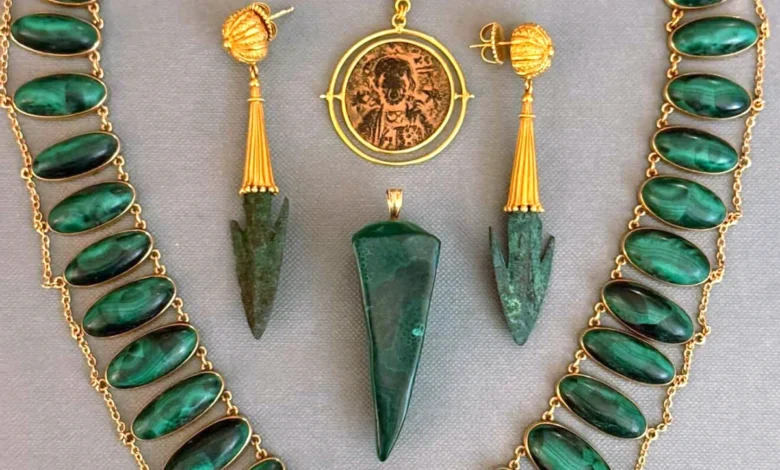
The global antique jewelry market has undergone a significant transformation over the last decade, transitioning from a niche pursuit of estate auction attendees to a vibrant, digitally-driven ecosystem. At the forefront of this evolution is a new generation of collectors and curators who prioritize the historical narrative and symbolic resonance of a piece over mere carat weight. Among these influential figures is Cyndi, the curator behind the prominent digital platform @TheFabNab, whose thirteen-year journey through the world of precious metals and stones illustrates the broader shift toward "conversion jewelry"—the practice of reimagining historical artifacts into contemporary, wearable talismans. By focusing on Edwardian and Art Deco components, collectors like Cyndi are not only preserving history but are also actively reshaping the aesthetic of modern luxury through a lens of sustainability and personal empowerment.
A Chronological Overview of a Decade-Long Curation
The trajectory of Cyndi’s collection mirrors the accessibility and democratization of the jewelry trade that occurred in the early 2010s. Beginning approximately twelve to thirteen years ago, her initial foray into the industry was rooted in the artisanal movement, specifically the creation of jewelry from semi-precious beads. This "bead-making phase" was a common entry point for many contemporary collectors, coinciding with a global trend toward DIY craft and personal expression. However, as her expertise deepened, her focus shifted toward the intrinsic value and craftsmanship of precious metals and antique stones.

The second phase of her collecting journey was marked by a strategic entry into the antique market through the acquisition of Victorian-era stick pins. In the early 2010s, these items were often overlooked by major auction houses and could be acquired at relatively low price points. This period was critical, as it laid the groundwork for her philosophy of "reimagining" jewelry. By converting these pins—originally designed for cravats and lapels—into rings, charms, and pendants, Cyndi tapped into a growing market for unique, one-of-a-kind pieces that bridged the gap between historical reverence and modern utility. This methodology eventually culminated in the launch of her "Lucky Numbers + Talismans" collection, a capsule series that utilizes Edwardian and Art Deco elements to create personalized jewelry based on numerology and destiny numbers.
The Architecture of Conversion: Breathing New Life into Antique Components
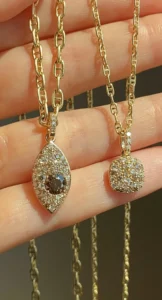
The process of jewelry conversion is both a technical challenge and an artistic endeavor. It requires a deep understanding of historical metallurgy and the ability to identify high-quality components within larger, often damaged, pieces. The "Lucky Numbers + Talismans" collection is a prime example of this practice. By sourcing authentic Edwardian (1901–1910) and Art Deco (1920–1939) elements, the collector ensures that each piece carries the weight of its era—characterized by the use of platinum, white gold, and intricate milgrain detailing.
According to industry data, the demand for conversion jewelry has risen sharply as consumers seek more ethical alternatives to newly mined stones. Reusing existing materials aligns with the principles of the circular economy, making antique jewelry a cornerstone of sustainable luxury. The conversion of a Victorian ruby spike from a brooch into a pendant, as seen in Cyndi’s personal collection, exemplifies this trend. Rubies, which have historically symbolized strength and fidelity, are repurposed into "spikes"—a design choice that adds an "edgy" or "tough" aesthetic to the traditionally delicate Victorian style. This juxtaposition of the old and the new is a hallmark of the contemporary "neckmess" trend, where multiple disparate pieces are layered to create a complex, personal narrative.

Thematic Anchors: Celestial Motifs and Egyptian Revivalism
A rigorous analysis of @TheFabNab’s collection reveals a consistent adherence to specific historical themes that have dominated the jewelry market for centuries. Two of the most prominent are celestial motifs and the Egyptian Revival movement.
Celestial Symbolism
The fascination with the moon and stars in jewelry reached its zenith during the Victorian era, often used to symbolize guidance and spiritual connection. Cyndi’s collection highlights both authentic antiques and modern interpretations, such as the H. Stern "Genesis" line. H. Stern, a world-renowned Brazilian jewelry house, is known for its ability to recreate the patina and "old-world" charm of antique stars. However, for the discerning collector, the "Old Mine Cut" diamond remains the gold standard. These diamonds, hand-cut in the 18th and 19th centuries, possess a unique shimmer and high crown that modern brilliant cuts cannot replicate. The presence of these stones in darkened silver-topped gold settings is a classic Victorian technique designed to make the diamonds appear brighter against the candlelit environments of the era.
Egyptian Revival
The Egyptian Revival movement is another cornerstone of Cyndi’s aesthetic. Historically, this movement occurred in waves, most notably following the discovery of King Tutankhamun’s tomb in 1922. The period was characterized by the use of "buttery" gold, winged scarabs, and lapis lazuli. The collector’s preference for "gleaming, brushed gold" and winged scarabs reflects a broader market appreciation for the bold, geometric lines of the 1920s, which continue to influence high-end jewelry design today.

The Talismanic Philosophy: Jewelry as Emotional Armor
Beyond the material value of gold and diamonds, the modern antique jewelry movement is heavily influenced by the psychological concept of the "talisman." In her public statements, Cyndi emphasizes that jewelry serves as a "personal connection" and a "layer of love that protects and shields." This perspective aligns with historical uses of jewelry, where specific stones and symbols were believed to ward off evil or bring good fortune.
The act of "self-gifting" has also emerged as a powerful economic driver in the jewelry sector. Rather than waiting for traditional gifting occasions, modern consumers are increasingly purchasing high-end pieces to commemorate personal victories or milestones. This shift has empowered collectors to curate pieces that reflect their "inner badass goddesses," moving away from the idea of jewelry as a passive asset and toward jewelry as an active, daily source of empowerment. The Victorian ruby spike, for instance, is frequently cited as a symbol of "strength, courage, fidelity, and loyalty," serving as a tangible reminder of the wearer’s personal values.
The Digital Agora: Instagram and the Global Trade Network
The rise of @TheFabNab is inseparable from the growth of the global antique community on social media. Platforms like Instagram have transformed how jewelry is traded, moving the marketplace from the silent halls of auction houses to a vibrant, interactive digital space. This community-driven model relies on transparency, education, and mutual support among dealers and collectors.

Cyndi’s journey highlights several key hubs of the international jewelry trade:
- The Paris Flea Market (Marché aux Puces de Saint-Ouen): A legendary site for sourcing rare European antiques and high-karat gold.
- Portobello Road, London: A critical center for Victorian and Georgian pieces, where relationship-building with established dealers like Ishy of @IshyAntiques is paramount for new collectors.
- Trade Shows (Miami, Las Vegas, Hillsborough): These events serve as the physical nodes of the digital network. The Miami Antique Show and the Las Vegas Antique Jewelry & Watch Show are essential for high-volume trade and the establishment of professional partnerships.
The mentions of industry figures such as Lenore Dailey, @treasuresforliesel, and @parkavenueantiques underscore the collaborative nature of the trade. In an industry where provenance and authenticity are everything, these professional relationships act as a form of "social currency" that ensures the integrity of the market.
Market Implications and the Future of Antique Collecting
The sustained interest in collectors like Cyndi suggests several long-term implications for the luxury market. First, the "conversion" trend is likely to continue as younger consumers seek out pieces that are both historical and sustainable. This will drive up the value of previously "minor" antique items, such as pins and broken brooches, as their potential for reimagining is recognized.

Second, the market is seeing a move toward "selective collecting." Rather than accumulating mass-produced modern pieces, consumers are looking for "edgy vintage" items that offer a sense of individuality. The rarity of certain items—such as original Victorian ruby spikes, which Cyndi notes are "rarer than hens’ teeth"—will continue to drive price appreciation in the secondary market.
Finally, the intersection of jewelry and personal identity remains stronger than ever. Whether through "lucky numbers," celestial symbols, or protective talismans, the antique jewelry market is no longer just about the past; it is about how the past can be utilized to empower the present. As Cyndi’s collection continues to grow and evolve, it serves as a blueprint for the modern collector: one who values history, embraces creativity, and understands that the most beautiful pieces of jewelry are those that tell a story of strength and survival. For those looking to follow her journey and gain further insight into the world of professional curation, she remains an active and influential voice on Instagram under the handle @thefabnab.