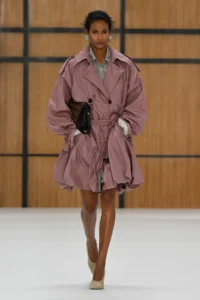
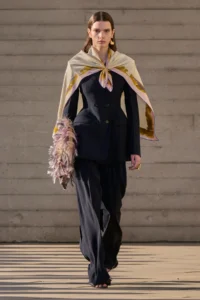
London Fashion Week Redefines Subcontinental Style as Lovebirds Debuts India: IYKYK by Smashing Cultural Stereotypes

London Fashion Week has long served as a global laboratory for emerging design talent, challenging sartorial conventions and introducing fresh international perspectives to the British capital. In a striking departure from expected tropes, contemporary Indian label Lovebirds made its official debut on the London schedule with a presentation that deliberately bypassed the traditional imagery long associated with South Asian fashion. Titled India: IYKYK—an acronym for the internet colloquialism "if you know, you know"—the collection by founder-designers Gursi Singh and Amrita Khanna sought to dismantle monolithic global perceptions of Indian aesthetics by highlighting a deeply personal, contemporary, and nuanced interpretation of their home country’s design heritage.
The runway presentation entirely omitted the sari, the lehenga, and the heavily embellished bridal wear that typically dominate international showcases of South Asian design. Instead, Singh and Khanna focused on textile innovation, subverted historical motifs, and an authentic representation of modern urban lifestyle in India. By choosing to present in London, the designers positioned themselves at the intersection of global fashion discourse, joining a cadre of international creatives utilizing the British platform to voice counter-narratives to Eurocentric or orientalist expectations.
Revisiting Collective Memory and Rejecting Clichés
The conceptual foundation of the Lovebirds debut was built upon a rigorous departure from predictability. Rather than catering to foreign expectations of vibrant marigold garlands, heavy spice markets, and cinematic pageantry, the designers mined their own upbringing and memories of contemporary India.
"We actually revisited our collective memory of the country, staying away from the clichés. We went slightly further to show what our home is about," explained Gursi Singh backstage following the show. This philosophy translated into garments that felt both nostalgic and fiercely modern. The design duo focused heavily on textile manipulation, artisan collaboration, and material storytelling, grounding high fashion in the realities of traditional Indian craft techniques adapted for a global contemporary consumer.
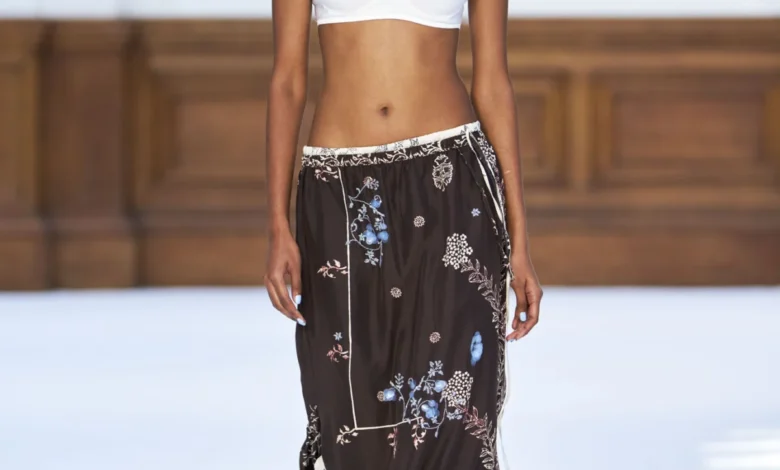
The centerpiece of this textile exploration was chintz, a fabric with a complex and deeply intertwined colonial and trade history originating in southern India. Rather than treating chintz as a museum artifact, Lovebirds engaged directly with traditional block-printing artisans to disrupt, rework, and re-layer classic blocks. The process did not stop at the printing table; the designers subsequently trained artisans to hand-brush over the printed cloth, creating a painterly, blurred effect that lent depth and individuality to every meter of fabric.
This artisanal chintz manifested in delicate floral prints splashed across roomy, structured black jackets, relaxed trousers, and tailored shorts. It also appeared in sheer, fluttery skirts and lightweight tops that moved effortlessly with the models. The timing of this collection serendipitously aligns with broader cultural and museum-led interest in the textile; it serves as a fitting sartorial precursor to a major upcoming exhibition titled "Chintz," scheduled to open at the Victoria and Albert Museum (V&A) in London. That exhibition is set to examine four centuries of the colorful, hand-drawn and printed fabric that revolutionized global trade, making Lovebirds’ runway appearance a timely dialogue between contemporary high fashion and historical textile scholarship.
Childhood Nostalgia and Contemporary Craftsmanship
Beyond historical textiles, Lovebirds drew heavily upon personal nostalgia, specifically referencing the visual culture of India in the 1970s and 1980s when Singh and Khanna were growing up. The collection featured handmade linen fabric transformed into crisp blue-and-white checkerboard patterns, tailored into babydoll silhouettes and long, strapless dresses.
These pieces were further customized with prints adapted from vintage school chart graphics—educational visual aids common in Indian classrooms during the late 20th century. This clever juxtaposition of childhood ephemera with sophisticated tailoring underscored the collection’s thesis: that modern Indian identity is multifaceted, blending institutional memory with forward-thinking design.
"This is the India we already know. We are just looking at it through the contemporary fashion lens," noted Amrita Khanna, who handled the styling for the presentation. In a nod to effortless, modern dressing, Khanna paired the structured dresses, breezy cotton shirtwaist frocks, and delicate pastel ensembles with casual flip-flops, while other looks were elevated with sleek kitten heels.
The runway featured a dynamic range of silhouettes. Standout pieces included shorter, strappier dresses defined by intricate folds and precise pin tucks, rendered in a soothing rainbow of pastels. Sheer layered skirts and trousers glittered subtly with understated embroidery, while dresses featuring hand-block-printed graphic dots showcased the precision of the label’s artisan partners.
While the critical reception of the tailoring and textile work was overwhelmingly positive, some industry observers noted the occasional excess of fabric. Certain designs incorporated large pannier-style pockets at the sides, while others featured a multitude of car-wash pleats sprouting aggressively from tops and skirts, slightly disrupting the clean lines of otherwise sublime garments. Nevertheless, the overarching sentiment was one of admiration for a sweet, highly intimate collection that successfully expanded the vocabulary of Indian design on a world stage.
Background Context: The Evolution of South Asian Representation in Global Fashion
The debut of Lovebirds at London Fashion Week arrives at a critical juncture for the global fashion industry. Over the past decade, international fashion weeks have faced mounting pressure to diversify their rosters and move beyond tokenistic representations of non-Western cultures. For decades, Western fashion capitals relegated South Asian fashion primarily to traditional ethnic wear categories—bridal collections, luxury couture, and folkloric displays that emphasized antiquity over contemporary relevance.
Brands like Lovebirds, alongside a new wave of diasporic and domestic South Asian designers, are actively rewriting this narrative. By showcasing ready-to-wear lines that prioritize contemporary silhouettes, sustainable artisan partnerships, and everyday luxury, these designers are carving out a distinct market segment. They cater to a sophisticated global consumer base that appreciates the provenance of their garments without requiring them to adhere to costume-like traditional dress codes.
Furthermore, London has historically served as a hospitable incubator for diverse design talent due to its multicultural fabric and prestigious institutions like Central Saint Martins and the London College of Fashion. The British Fashion Council’s ongoing initiatives to support international and emerging designers have increasingly opened doors for labels from the Global South to present on official schedules, shifting the epicenter of global trend forecasting toward more inclusive horizons.
Chronology of the Lovebirds Label
Founded by Gursi Singh and Amrita Khanna, Lovebirds has steadily built a reputation within the Indian domestic market for its minimalist aesthetic, geometric lines, and functional luxury.
- Formative Years: The brand established its design philosophy centered on understated elegance, gender-fluid sensibilities, and high-quality textiles.
- Domestic Expansion: Lovebirds opened flagship experiential stores in major Indian metropolitan hubs, including New Delhi and Mumbai, capturing the attention of a discerning urban clientele seeking alternatives to heavily embellished traditional wear.
- International Pivot: Recognizing the demand for contemporary Indian design on the global stage, the brand began participating in international trade shows and digital presentations.
- London Fashion Week Debut: The Spring/Summer season marked a major milestone as Lovebirds made its physical runway debut in London with the "India: IYKYK" collection, successfully transitioning from a localized contemporary brand to an international player.
Industry Implications and Future Outlook
The strategic decision by Lovebirds to debut in London with a collection devoid of traditional tropes carries significant implications for the future of Indian fashion exports. By proving that Indian labels can command international attention through textile innovation, modern tailoring, and conceptual storytelling rather than relying on cultural shorthand, the brand has paved the way for broader market acceptance.
Economic analysts note that the global demand for sustainable, artisan-crafted luxury goods is at an all-time high. Consumers increasingly value transparency, heritage craft techniques, and ethical production methods. By collaborating directly with block-printing artisans and investing in hand-brushed textile techniques, Lovebirds aligns its commercial model with the demands of conscious consumers.
The upcoming V&A "Chintz" exhibition in September will likely amplify interest in the techniques championed by Singh and Khanna, creating a synergistic marketing and cultural moment for the brand. As international buyers and fashion critics take note of this paradigm shift, London Fashion Week may see an influx of similar contemporary labels eager to showcase the multifaceted realities of modern Asian design.
Ultimately, Lovebirds’ London debut demonstrated that fashion is most powerful when it challenges preconceptions. By replacing saris, heavy spices, and marigold garlands with block-printed chintz, school chart graphics, and effortless pastels, Singh and Khanna offered an intimate, authentic, and undeniably chic view of India—one that resonates globally precisely because it refuses to pander to stereotypes.