The Resurgence of Vintage Elegance: A Comprehensive Analysis of Timeless Bridal Fashion and the Evolution of Modern Wedding Aesthetics

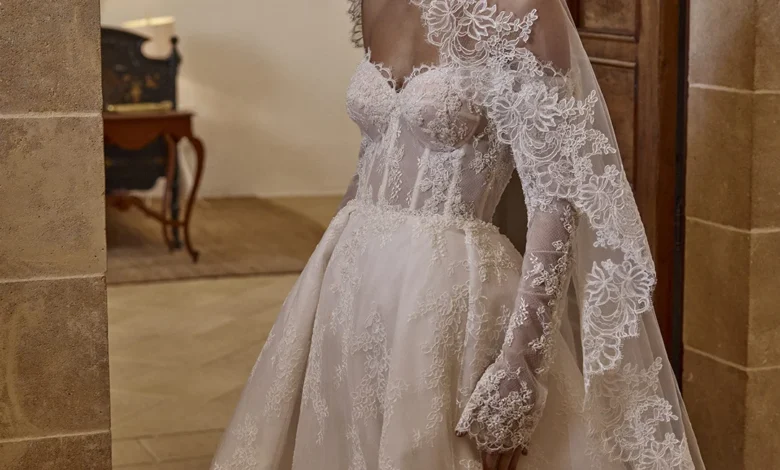
The global bridal industry is currently witnessing a significant shift in consumer behavior as a growing number of brides move away from contemporary, mass-produced designs in favor of vintage and vintage-inspired wedding gowns. This movement, characterized by a return to the sartorial hallmarks of the 19th and 20th centuries, represents a convergence of nostalgic appreciation, a desire for individuality, and an increasing commitment to sustainable fashion practices. For many modern brides, the "walk down the aisle" is no longer just a personal milestone but a curated expression of historical appreciation, blending the glamor of the Jazz Age, the romanticism of the Victorian era, and the free-spiritedness of the bohemian 1970s.
The Historical Context and Chronological Evolution of Bridal Style
The concept of "vintage" in bridal wear typically encompasses styles originating from the Victorian era through the 1990s. Each decade offers a distinct silhouette and set of materials that reflect the socio-economic climate of its time. Understanding the chronology of these styles is essential for brides seeking an authentic or inspired look.
The Victorian and Edwardian eras (1837–1910) are defined by modesty and opulence. These gowns often feature high necklines, long sleeves, and the "Basque waist"—a fitted bodice that extends past the natural waistline into a V-shape, designed to elongate the torso. Following this, the 1920s introduced the "flapper" aesthetic, characterized by drop waists, intricate beadwork, and Art Deco patterns. This era broke away from the restrictive corsetry of the past, favoring movement and shimmer, a trend that remains popular for themed "Gatsby" weddings today.
Mid-century styles, particularly those from the 1950s, emphasized the "New Look" pioneered by Christian Dior. These dresses often utilized tea-length hemlines and voluminous skirts, offering a playful yet sophisticated alternative to floor-length gowns. The 1970s saw the rise of the bohemian aesthetic, incorporating crochet lace, bell sleeves, and flowing silhouettes that mirrored the era’s "back to nature" philosophy. Today, designers are synthesizing these historical elements with modern construction techniques to create "modern-vintage" hybrids that offer both antique charm and contemporary comfort.
Technical Composition: Fabrics and Artisanship
The allure of vintage bridal wear lies heavily in the quality of materials and the intricacy of the craftsmanship. According to industry experts at the bridal brand Innocentia, the most sought-after vintage styles rely on luxury fabrics such as Chantilly and Alençon lace. These laces are prized for their delicate patterns and historical prestige; Chantilly lace, known for its fine ground and abundant detail, provides a romantic, ethereal quality, while Alençon is characterized by a corded outline that adds texture and depth.
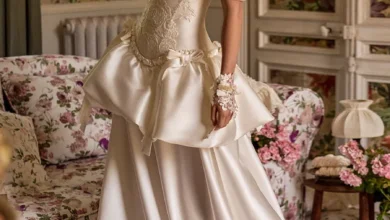
In addition to lace, the use of silk taffeta, Mikado, organza, and tulle allows for a variety of structural expressions. Heavier fabrics like velvet and brocade are frequently utilized to add an element of luxury and warmth for winter ceremonies, whereas lightweight organza and fringe are preferred for outdoor or "bohemian" settings. The incorporation of hand-beaded pearls, floral appliques, and scalloped lace trains further distinguishes vintage-inspired pieces from their modern counterparts, which often prioritize minimalist aesthetics over ornate detail.
Market Drivers: Sustainability and the "Old Money" Aesthetic
The resurgence of vintage fashion is not merely a stylistic choice but is deeply rooted in the broader "slow fashion" movement. As environmental concerns become a priority for younger generations, particularly Millennials and Gen Z, the appeal of "something old" has taken on a literal meaning. By purchasing authentic vintage gowns or supporting designers who use deadstock fabrics, brides are reducing the carbon footprint associated with the textile industry.
Furthermore, the "Old Money" and "Quiet Luxury" trends that have dominated social media platforms like TikTok and Instagram have filtered into the bridal sector. These trends emphasize timelessness, heritage, and understated elegance over flashy, logo-heavy displays of wealth. Vintage dresses, with their focus on refined lace and enduring silhouettes, align perfectly with this cultural desire for "stealth wealth" and historical continuity.
Expert Perspectives on Accessorizing and Styling
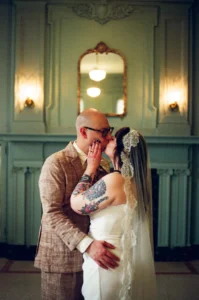
Creating a cohesive vintage look requires more than just the gown; it necessitates a holistic approach to styling. Katie Yeung, the lead designer at Hera Couture, suggests that brides should incorporate accessories that complement the specific era of their dress. For example, a 1920s-style gown is best paired with an over-the-face net blusher or a hand-beaded pearl comb. Conversely, a Victorian-inspired ensemble might call for a fully lace-brimmed cathedral veil to maintain the regal atmosphere of the era.
In the contemporary market, vintage hair accessories such as Art Deco hairpins, floral fabric headbands, and velvet ribbons are experiencing a revival. These items often utilize traditional materials—rhinestones, metal filigree, and pearls—to bridge the gap between the bride’s hairstyle and her attire.
Practical Implications: Care and Preservation of Antique Textiles
One of the primary challenges of the vintage bridal market is the maintenance of delicate, aged fabrics. Journalistic analysis of textile preservation reveals that vintage gowns require significantly more care than modern polyester blends. Experts recommend that all vintage or vintage-inspired gowns be stored in breathable cotton garment bags rather than plastic, as plastic can trap moisture and lead to yellowing or mold growth.
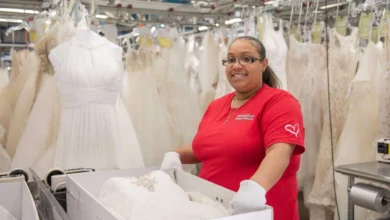
The handling of these garments is also a critical factor. Professionals advise using clean hands or white cotton gloves to prevent the transfer of skin oils, which can degrade silk and lace over time. For cleaning, "wet cleaning" or specialized chemical treatments by professionals who understand historical textiles is mandatory. Post-wedding preservation—involving acid-free tissue paper and museum-quality storage boxes—is essential for brides who wish to pass their gowns down as heirlooms.
The Economic Landscape: Sourcing and Pricing
The market for vintage wedding dresses is bifurcated into two main categories: authentic antique finds and modern vintage-inspired reproductions. Authentic gowns from the 1920s to the 1970s can often be found in high-end vintage boutiques or through specialized online platforms. Prices for these pieces vary wildly depending on the condition, the designer, and the rarity of the lace, with some museum-quality pieces fetching upwards of $5,000.
On the other hand, brands like Dreamers & Lovers and Innocentia cater to the "vintage-inspired" market. These designers offer the aesthetic of previous decades but with modern sizing and reinforced construction. The average price for a high-quality vintage-inspired gown typically ranges from $1,500 to $4,000, making them a competitive option in the luxury bridal space.
Broader Industry Impact and Future Outlook
The pivot toward vintage aesthetics has forced major bridal retailers to reconsider their collections. We are seeing an increase in "capsule collections" that feature corset bodices, Basque waists, and long sleeves—elements that were considered niche a decade ago. This shift indicates a move away from the "disposable fashion" mindset toward a "collectible fashion" mindset.
Furthermore, the rise of the "nontraditional bride" has expanded the definition of what constitutes a wedding dress. The vintage movement has popularized the use of non-white shades, such as champagne, ivory, and even "dusty rose" or "antique gold," reflecting the natural aging of historical fabrics.
In conclusion, the trend of vintage wedding dresses is a multifaceted phenomenon that reflects a deeper cultural yearning for connection, history, and sustainability. By looking to the past, the modern bridal industry is finding a way to move forward that honors artisanship and individuality. Whether through the structured elegance of a 1950s tea-length dress or the intricate beadwork of a 1920s gown, the vintage bride is making a statement that transcends temporary fashion cycles, opting instead for a look that is, by definition, timeless. As the industry continues to evolve, the integration of historical design with modern ethics is likely to remain a dominant force in bridal couture for years to come.