The Rise of Ethical Consumerism: Unveiling the UK’s Leading Sustainable Fashion and Beauty Brands

In an era defined by increasing environmental awareness and social consciousness, consumers globally, and particularly within the United Kingdom, are actively seeking brands that align with their values. This growing demand has spotlighted companies committed to responsible practices across their entire supply chain. Good On You, a renowned authority in ethical brand ratings, has rigorously assessed and curated a selection of top-rated, more sustainable fashion and beauty brands operating from or producing within the UK, offering a vital guide for those looking to make impactful purchasing decisions.
Understanding the Pillars of a Truly Sustainable Brand
The concept of a "sustainable brand" extends far beyond superficial green claims. Good On You employs a comprehensive rating system that evaluates brands on their policies and actions across three fundamental pillars: people, planet, and animals. This robust framework considers over 100 key issues, ensuring a holistic assessment of a brand’s impact.
Under the ‘People’ pillar, the focus is on upholding human rights and ensuring fair labour practices throughout the complex global supply chains that characterize the fashion and beauty industries. This includes scrutinizing evidence of policies and verifiable practices against child labour and forced labour, ensuring safe working conditions, recognizing workers’ rights to join unions, and critically, the payment of a living wage. The global garment industry, for instance, has long been plagued by exploitative labour practices, with an estimated 85% of garment workers earning below a living wage in many key production hubs. Brands that actively work towards and demonstrate a commitment to fair compensation and safe environments for their workers stand out in this crucial category. Transparency in supply chains, from raw material sourcing to final product assembly, is a hallmark of truly responsible brands.
The ‘Planet’ pillar addresses a brand’s environmental footprint. Good On You investigates resource and energy management, evaluating efforts to reduce carbon emissions, manage water usage, and ensure the safe use and disposal of chemicals. The fashion industry alone accounts for approximately 10% of global carbon emissions and is a significant polluter of water, consuming vast quantities and discharging hazardous chemicals. Brands demonstrating active strategies for carbon emission reduction—beyond mere offsetting, which can sometimes be criticized for lack of genuine impact—water conservation, and the use of non-toxic, lower-impact dyes and materials are highly rated. This also extends to innovative practices like waste reduction, circular design principles, and the use of renewable energy sources in manufacturing.
Finally, the ‘Animals’ pillar examines a brand’s approach to animal welfare. This involves analyzing the use of animal products such as wool, leather, fur, angora, down feather, shearling, karakul, and exotic animal skin and hair in fashion. For beauty brands, it scrutinizes the use of animal-derived ingredients and, crucially, whether products are tested on animals. The ideal for many ethical consumers is a 100% vegan brand, demonstrating a complete commitment to animal-free production. The global movement against animal cruelty in cosmetics and fashion has gained significant momentum, with numerous countries implementing bans on animal testing and an increasing market for vegan alternatives.
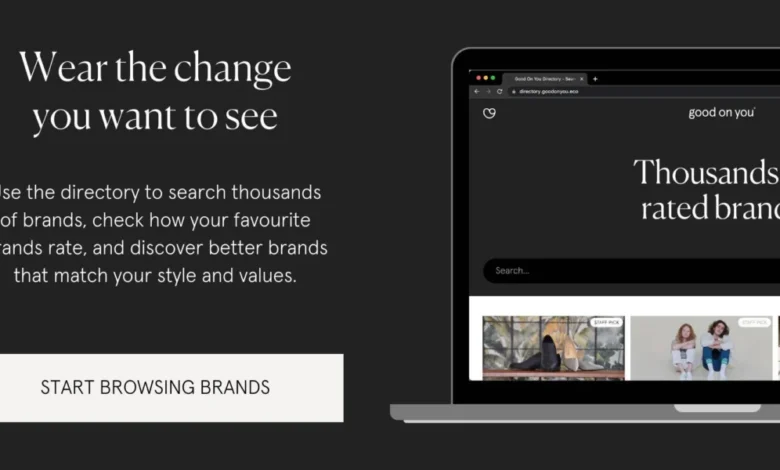
Brands receive an overall rating based on these assessments, which is publicly available on the Good On You directory, empowering consumers to research and verify the ethical credentials of their favourite labels.
The Strategic Advantage and Ethical Imperative of Local Shopping
Beyond a brand’s intrinsic sustainability practices, the decision to shop locally carries significant positive benefits for both communities and the planet. Supporting companies located within one’s country or region fosters local economic growth, creating jobs and strengthening community ties. Economically, studies show that local businesses recirculate a higher percentage of revenue back into the local economy compared to large chains, leading to a multiplier effect.
From an environmental perspective, shopping locally can substantially reduce the carbon footprint associated with online purchases. The transportation of goods across continents contributes significantly to greenhouse gas emissions. By choosing local or regionally produced items, consumers can minimize shipping distances and associated fuel consumption. While the exact impact varies, a typical overseas shipment can emit significantly more carbon than local delivery. Furthermore, local production often allows for greater transparency and oversight of manufacturing processes, potentially leading to better adherence to environmental and labour standards. This reduced complexity in the supply chain makes it easier for brands to monitor and verify their ethical claims, building greater trust with consumers.
For UK residents, or those wishing to support British labels, this means a conscious choice to invest in brands that are not only rated ‘Good’ or ‘Great’ by Good On You but also contribute to the national economy and potentially lessen the environmental impact of their purchases.
Leading the Charge: UK’s Sustainable Beauty Brands
The beauty industry, traditionally known for its opaque supply chains and heavy reliance on plastics, is undergoing a transformation driven by ethical consumer demand. Several UK-based brands are at the forefront of this shift:
- Disruptor London: This PETA-approved vegan beauty brand is challenging conventional personal care with a commitment to five core principles: ingredient transparency, responsible consumption, waterless formulas, responsible manufacturing, and plastic-free packaging. Their innovative approach to waterless products addresses a critical environmental concern, as water is often the primary ingredient in many cosmetics, contributing to significant water waste.
- UpCircle Beauty: Born from a philosophy of circularity, UpCircle Beauty embodies the mission to "leave the world better than we found it." They transform discarded ingredients, such as coffee grounds and fruit stones, into natural, organic beauty products, effectively upcycling waste into valuable resources. This model directly tackles the issue of waste in both the beauty and food industries.
- Lush: A long-standing pioneer since its 1995 inception, Lush is celebrated for its commitment to fresh ingredients, minimal packaging (especially solid products), and a fierce stance against animal testing. Their "naked" product lines significantly reduce plastic waste, inspiring a broader industry movement towards more sustainable packaging solutions.
These brands exemplify how innovation, ethical sourcing, and a focus on minimizing environmental harm can redefine the beauty sector.
Pioneering Sustainable Style: UK’s Ethical Fashion Brands
The UK’s fashion landscape is also home to a vibrant community of brands dedicated to ethical and sustainable practices, offering consumers a wide array of choices from everyday wear to specialized accessories.
- Komodo: A menswear and womenswear brand that prioritizes people and the planet. Komodo utilizes responsible materials like GOTS-certified organic cotton and hemp, and ensures most suppliers pay a living wage. Their commitment to fair labour practices in regions often associated with low wages sets a strong industry benchmark.
- COSSAC: Advocating for the minimalistic concept of capsule wardrobes, COSSAC creates timeless, feminine, and versatile apparel. They exclusively partner with small factories for limited production runs, minimizing waste and deadstock—a critical issue in fast fashion.
- Ninety Percent: This British label operates with a unique social enterprise model, sharing 90% of its profits with five charitable causes and its garment makers. Their transparency extends to publishing supplier and factory details, offering a clear model for profit-sharing and ethical accountability.
- Not Basics (Pantee): Specializing in women’s wardrobe essentials, this brand began with underwear made from deadstock t-shirts. Their high proportion of recycled materials and limited production runs directly combat textile waste, a major environmental challenge.
- Baukjen: A London-based womenswear brand focused on ethical and sustainable style. Baukjen uses lower-impact and recycled materials, significantly reducing the chemical, water, and wastewater footprint of their production.
- Beaumont Organic: This slow fashion brand blends simple style with responsible production. Beyond their ethical clothing, founder Hannah Beaumont-Laurencia established a charitable foundation supporting communities in Fiji, demonstrating a broader commitment to social impact.
- THTC: A leader in organic hemp streetwear, THTC produces t-shirts, hoodies, socks, and caps. Hemp is lauded for its low environmental impact, requiring less water and no pesticides compared to conventional cotton.
- WAWWA: With a commitment to organic, fair trade, and vegan-friendly clothing, WAWWA focuses on positive social impact. They use lower-impact, non-toxic dyes and reuse offcuts, exemplifying circular economy principles in their manufacturing.
- GROUNDTRUTH: Founded by three sisters, this UK-based brand designs problem-solving travel goods made from recycled plastic. Their mission directly addresses plastic pollution, transforming waste into durable and functional products.
- Neem: Specializing in men’s clothing, Neem focuses on a transparent supply chain and environmental safeguarding, offering consumers peace of mind about the origins and impact of their garments.
- We Are Kin: This slow fashion brand handmakes clothes in London, offering custom-made options for various heights and focusing on inclusive sizing and timeless design to reduce fashion’s inherent waste cycle.
- Yes Friends: Challenging the notion that ethical fashion must be expensive, Yes Friends offers affordable, responsibly made clothing. Their direct-to-consumer model and large-scale production enable them to price items competitively while maintaining ethical standards.
- Petit Pli: An award-winning brand engineering clothes that grow with children. By blending aerospace innovation with ethical manufacturing, Petit Pli tackles textile waste by extending garment lifespan, significantly reducing consumption.
- Pop My Way: A GOTS-certified brand offering modular, mix-and-match baby essentials made from organic cotton. Their versatile designs simplify dressing while ensuring ethical production and material standards for delicate skin.
- Pico: Producing beautifully soft, vegan underwear for men and women from organic farming co-operatives, Pico is Fairtrade International – Small Producers Organisations certified, highlighting their commitment to fair trade and worker empowerment.
- Akyn: Founded by industry veteran Amy Powney, Akyn creates contemporary and timeless womenswear using lower-impact materials, emphasizing longevity and thoughtful design over transient trends.
- Brothers We Stand: This online store curates a 100% vegan men’s clothing selection, supporting consumers in building a stylish and sustainably made wardrobe with transparent product information.
- OMNES: A UK-based brand offering high-quality, responsible, and affordable womenswear. OMNES aims to change how consumers interact with clothing, promoting mindful shopping and wear.
- Mashu: A British vegan accessories label specializing in handbags. Mashu crafts exteriors from vegan leather alternatives and interiors from recycled polyester suede, proving that luxury and ethics can coexist without compromising animal welfare.
- NUDEA: Focusing on intimate apparel and sleepwear, NUDEA creates comfortable, flexible, and stylish items from lower-impact materials, partly tracing its supply chain to ensure responsible sourcing.
- Noctu: This UK-based brand specializes in minimalist, comfortable nightwear and loungewear made from luxuriously soft organic cotton, emphasizing simplicity and natural materials.
- non: Offering raw selvedge denim jeans, jackets, and accessories, non focuses on durability and timeless design, advocating for products built to last and reduce the cycle of disposability in denim.
- Mayamiko: Known for its fair trade fashion and accessories, Mayamiko takes Malawi-based responsible production to the next level. As a PETA-certified vegan brand, it also runs the Mayamiko Trust, a charity empowering disadvantaged women through training.
- Where Does It Come From?: This brand creates clothing and textiles that are kind to the planet and makers, offering full traceability for its products. Their model provides consumers with complete transparency, fostering trust and informed buying choices.
The Broader Impact: A Paradigm Shift in Consumption
The emergence and success of these UK-based sustainable fashion and beauty brands reflect a significant paradigm shift in consumer behaviour and industry practices. The days of unchecked consumption and disregard for environmental and social consequences are gradually receding, replaced by a more discerning and ethically driven market. This movement is not just about individual brand choices but signifies a broader demand for systemic change within the industries.
Governmental bodies and international organizations are also responding to this pressure. The European Union, for example, has introduced ambitious strategies like the EU Strategy for Sustainable and Circular Textiles, aiming to make textiles more durable, repairable, and recyclable. While specific UK regulations may diverge post-Brexit, the global push towards greater corporate accountability remains strong.
However, challenges persist. Greenwashing, where companies deceptively market themselves as environmentally friendly without genuine commitment, remains a concern. Consumers must remain vigilant, utilizing resources like Good On You to verify claims. Scaling ethical production while maintaining affordability is another hurdle, as sustainable materials and fair labour often incur higher costs. Yet, the brands highlighted here demonstrate that it is possible to offer responsible choices at various price points and cater to diverse needs, from high-fashion accessories to everyday basics and specialized children’s wear.
The cumulative effort of these pioneering brands is fostering an ecosystem where transparency, ethical production, and environmental stewardship are not just buzzwords but fundamental business principles. By choosing to support these UK innovators, consumers are not merely purchasing products; they are actively investing in a future where commerce contributes positively to people, the planet, and animals. The informed consumer, armed with tools like the Good On You directory, holds immense power to shape this future, advocating for a fashion and beauty industry that truly wears the change it wishes to see in the world.