The Rise of Short Wedding Dresses: Modern Trends, Styling Guides, and the Shift in Contemporary Bridal Fashion

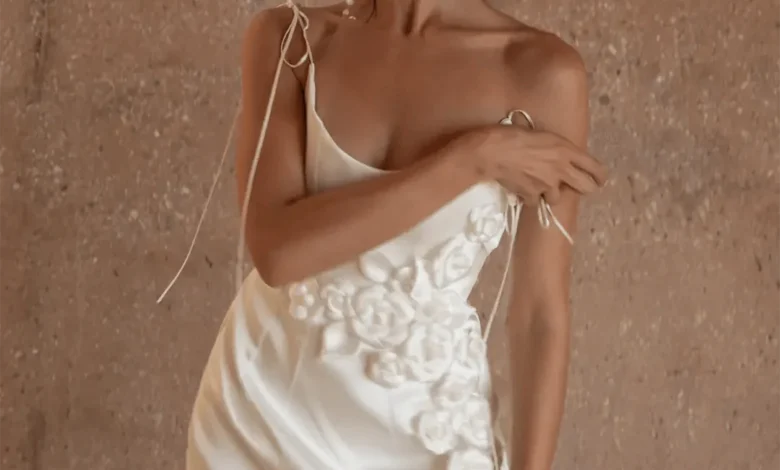
The modern bridal landscape is undergoing a significant evolution, moving away from traditional, heavy, floor-sweeping ballgowns toward more versatile, comfortable, and fashion-forward alternatives. Among these emerging styles, short wedding dresses have surged in popularity, capturing the attention of contemporary brides, major fashion houses, and wedding planners alike. Driven by shifting cultural preferences toward practicality, individuality, and outdoor celebrations, short bridal attire—ranging from chic mini dresses to sophisticated midi styles—is no longer viewed merely as a casual second option for the reception, but as a primary statement piece for the modern ceremony.
Background Context and Industry Evolution
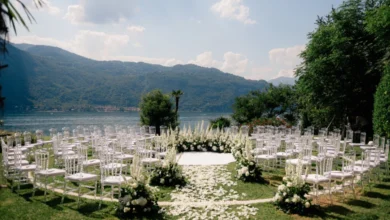
For decades, the bridal industry was dominated by cathedral trains, multi-layered crinoline skirts, and heavy fabrics designed for traditional indoor cathedrals and formal ballrooms. However, socio-cultural shifts in recent years have redefined how couples approach wedding planning. The rise of intimate destination weddings, beach ceremonies, vineyard nuptials, and backyard elopements has necessitated a wardrobe transformation. Brides increasingly prioritize comfort, mobility, and personal expression over rigid adherence to historical customs.
Furthermore, economic and environmental considerations have influenced modern consumer behavior. Shorter dresses often require fewer raw materials, reduce shipping footprints, and present opportunities for post-wedding wearability—allowing brides to repurpose their wedding attire for anniversaries, cocktail parties, or other formal events. This blend of sustainability, practicality, and high-fashion aesthetics has positioned short wedding dresses at the forefront of contemporary bridal collections.
2026 Bridal Fashion Trends: Innovation in Short Hemlines
Recent presentations at Bridal Fashion Week have cemented short wedding dresses as a dominant haute couture trend. Designers are pushing the boundaries of traditional tailoring by incorporating bold architectural shapes, innovative fabrics, and detachable elements that offer brides multiple looks within a single garment.
Among the standout styles for 2026 are bubble hem shapes, also known as puffball dresses. Characterized by a rounded, sealed-under hemline, bubble skirts generate a three-dimensional silhouette that bridges the gap between youthful playfulness and modern high fashion. These silhouettes are crafted in everything from minimalist, structured satin to theatrical volumes, appealing to brides who want to make a bold visual statement while maintaining the physical freedom necessary for dancing and celebration.
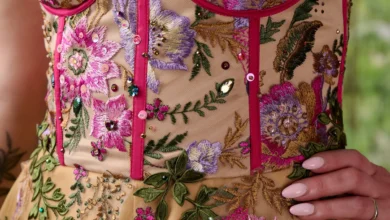
Additionally, corset bodice mini dresses and smooth satin minimalist designs continue to dominate runways. Embellishments have also taken center stage, with designers utilizing intricate sequins, pearls, elaborate lace, and guipure embroidery. Convertible styles—featuring detachable overskirts, capes, or sleeves—have gained traction, providing brides with the versatility to transition from a structured, formal ceremony look to an uninhibited, lightweight reception dress.
Styling by Wedding Venue and Theme
The versatility of short wedding dresses allows them to seamlessly adapt to diverse wedding environments and aesthetic themes.
Beach and Destination Weddings
For seaside and tropical ceremonies, flowy short beach wedding dresses constructed from lightweight fabrics like chiffon, lace, and breathable cotton are ideal. These materials accommodate coastal breezes and warm climates while allowing for effortless movement. Popular neckline choices include halter, V-neck, and off-the-shoulder cuts that evoke a carefree, bohemian aesthetic. Minimalist accessories, such as barefoot sandals or delicate floral crowns, complement these relaxed summer styles.
Simple and Minimalist Aesthetics
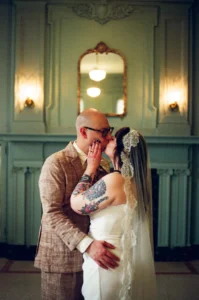
Classy, elegant short wedding dresses rely on clean lines, precise tailoring, and minimal embellishments. Utilizing smooth fabrics like crepe, satin, and fine cotton, simple white shift dresses offer a sleek, understated finish. Necklines such as scoop, bateau, and simple V-necks maintain a refined elegance. When paired with subtle accessories—such as a delicate veil, classic pumps, or understated jewelry—these gowns project an aura of effortless sophistication suitable for contemporary urban and civil ceremonies.
Country, Rustic, and Floral Themes
For outdoor rustic celebrations, barn receptions, and garden parties, short country and floral wedding dresses blend casual charm with romantic detail. Grooms and guests alike are seeing an influx of dresses adorned with delicate floral appliqués, embroidered patterns, and printed organza or tulle. These ethereal styles frequently feature sweetheart or off-the-shoulder necklines and pair naturally with western boots, denim jackets, or nature-inspired jewelry.
Vintage and Retro Inspirations
Vintage-style short wedding dresses draw from mid-century silhouettes, featuring retro-inspired high necklines, illusion lace, and bateau cuts. Utilizing traditional textiles like rich satin, Chantilly lace, and structured tulle, these gowns offer a nostalgic aesthetic often accented by subtle beading. Paired with birdcage veils, pearl necklaces, and T-strap heels, vintage-inspired mini dresses capture a sophisticated, old-Hollywood glamour.
Tailoring, Fit, and Body Type Considerations
Industry professionals and bridal seamstresses emphasize that the success of a short wedding dress relies heavily on precision tailoring. Unlike voluminous ballgowns that can mask fit imperfections, short dresses—particularly mini and sheath styles—expose the legs and footwear, making custom alterations essential.
Stylists note that while short bridal dresses are exceptionally flattering for petite brides by highlighting a smaller frame and creating the illusion of height, brides of all statures can successfully wear them. Expert tailors recommend focusing on neckline and waist construction to elongate the silhouette. For instance, plunging or V-necklines draw attention upward and elongate the torso, while structured bodices accentuate the natural waistline.
Accessorizing the Modern Mini Dress
Because short wedding dresses place greater emphasis on overall styling—including footwear, legwear, and accessories—choosing the right complementary pieces is vital. Footwear transitions from a hidden background element to a focal point of the bridal ensemble. Brides frequently opt for statement heels, bejeweled mules, or classic ballet flats depending on the venue terrain and personal comfort.
Jewelry choices are similarly adapted to the neckline of the dress. Strapless and off-the-shoulder mini dresses pair well with statement earrings or delicate pendant necklaces, while high-neck or illusion-sleeve dresses often require minimal neck jewelry, focusing instead on hairpieces, vintage headbands, or structured veils.
Economic Analysis and Market Pricing
The market for short wedding dresses spans a wide economic spectrum, accommodating diverse consumer budgets. Mass-market and ready-to-wear designers offer accessible short white dresses starting at modest price points, making them attractive options for civil ceremonies, rehearsal dinners, or secondary reception looks. Conversely, haute couture mini dresses featuring intricate hand-beading, French lace, and custom structural construction rival the pricing of traditional full-length designer gowns, reflecting the high labor and material quality involved in their production.
Broader Implications and Future Outlook
The sustained growth of the short wedding dress market signals a permanent shift toward functionality and personalization in the bridal industry. As modern couples continue to redefine traditional wedding timelines and celebration formats, fashion houses are responding with increased innovation in short-form bridal wear. The ability to merge high-fashion trends with everyday comfort ensures that mini, midi, and convertible wedding dresses will remain a staple of bridal collections for years to come, offering future generations of brides a liberating alternative to convention.