The Rise of the Athlete-Creator: How Women in Sports Are Redefining Professional Longevity and Financial Independence in 2026

The landscape of professional sports in 2026 has undergone a seismic shift, fundamentally altering the job description for the modern female athlete. No longer confined to the rigid silos of practice, training, and game-day performance, the contemporary sportswoman is increasingly operating as a multimedia production house. For these athletes, content creation has transcended the concept of a "side hustle," evolving into a critical infrastructure for career sustainability, audience acquisition, and long-term financial security. As the gap between the explosive growth of women’s sports viewership and the actual take-home pay of individual competitors remains a persistent challenge, athletes are leveraging the creator economy to secure their own economic futures.
The Economic Imperative: Bridging the Revenue Gap
Despite a surge in broadcast rights, corporate sponsorships, and matchday attendance—with elite women’s sports revenues projected to reach a historic $3 billion in 2026, a 25% increase over the previous year—the individual compensation of athletes has not always kept pace with the sport’s broader commercial success. This discrepancy has necessitated a DIY approach to brand building. By cultivating a direct-to-consumer relationship via social media platforms, athletes are effectively bypassing traditional media gatekeepers.
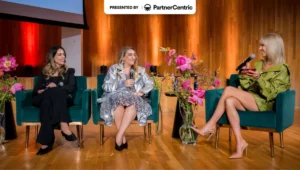
This transition is being supported by specialized entities such as Togethxr, which has pioneered mentorship programs like "Snap the Gap." In partnership with Snapchat, this initiative provides female athletes with the production tools, aesthetic guidance, and strategic frameworks necessary to convert casual social media usage into high-conversion personal brands. The data from these early cohorts is compelling: participants ranging from NCAA gymnasts to professional soccer stars have seen their audience reach grow by triple-digit percentages within a single fiscal quarter.
Chronology of a Paradigm Shift
The professionalization of the athlete-creator model did not happen overnight. It is the result of a multi-year convergence of technology, shifting cultural attitudes, and the emergence of new media platforms.
- 2023–2024: Initial experiments in athlete-led content, often focused on "day-in-the-life" vlog-style narratives, began to show higher engagement rates than traditional sponsored posts.
- 2025: Organizations such as Togethxr and various athlete management agencies began formalizing "creator boot camps," recognizing that the technical skills required for platform growth—data analytics, trend forecasting, and high-quality video editing—were distinct from athletic training.
- 2026: The current year marks the widespread adoption of the "Athlete-Creator" title. With the FIFA Women’s World Cup approaching and the subsequent Summer Olympics on the horizon, the focus has shifted from mere posting to rigorous, calendar-based content strategy.
For instance, Nigerian national team star and Houston Dash forward Michelle Alozie saw her Snapchat following expand by 61%—from 127,000 to over 204,000—in a span of just three months. This growth was not fueled by highlight reels alone, but by a diversification of content, including lifestyle commentary, behind-the-scenes team dynamics, and reactions to popular entertainment. This strategy proved that humanizing the athlete is as commercially viable as showcasing the elite talent.
The Multi-Channel Strategy: Beyond the Field
The professionalization of content is now a collaborative effort between the athlete, their management team, and, in some cases, league offices. Sarah Nurse, an Olympian and cornerstone of the Professional Women’s Hockey League (PWHL), serves as a prime example of this evolution. Rather than viewing her TikTok and Instagram accounts as separate from her athletic identity, Nurse works with a dedicated manager to develop a content calendar that mirrors her training and competition schedule.
This strategy involves more than just vanity metrics. For Nurse, social media acts as a funnel for the league itself. By sharing beauty, lifestyle, and behind-the-scenes hockey content, she introduces a non-traditional sports audience to the PWHL. Data suggests this approach is working; the PWHL recorded a 77% year-over-year increase in YouTube viewership in 2026, while the NWSL reported a 42% surge. These platforms provide an "entry point" for fans who might not otherwise engage with a traditional broadcast, thereby widening the sport’s total addressable market.
Fact-Based Analysis: Why Content Drives Commercial Success
The efficacy of this shift is corroborated by recent market studies. A 2026 report by WPP highlighted that advertisements placed within the ecosystem of live women’s sports content deliver 20% higher engagement results compared to traditional non-sports cable programming. This premium is derived from the authenticity of the athlete-to-fan connection.
Furthermore, the "creator muscle" serves as a hedge against the inherent instability of a professional sports career. Career-ending injuries or the natural aging process can cut an athletic career short, but a established personal brand is a portable asset. Anthony Baldini, CEO of Athlete Strategies, notes that athletes who successfully transition into the creator space are effectively building a "moat" around their professional future. By establishing expertise and audience trust, they open doors to industries outside of sports—fashion, beauty, tech, and public speaking—which are often more lucrative and sustainable than the sport itself.
Institutional Responses and Future Outlook
The shift has not gone unnoticed by the leagues. Recognizing that their stars are now media entities in their own right, leagues are providing more resources for content production, such as improved access for creators and collaborative marketing opportunities. The integration of brands like e.l.f. Cosmetics into the athlete-creator ecosystem further validates this model. These partnerships are no longer restricted to performance gear; they span the entire lifestyle spectrum, allowing athletes to monetize their influence in categories that reflect their personal interests rather than just their professional endorsements.
However, the pressure to maintain a 24/7 content cycle brings challenges. As Cayley Stonehouse of Gupta Media points out, the key to longevity in this space is not necessarily "posting everything," but rather identifying the right brand pillars. For many, the goal is to create content that feels authentic while maintaining the strategic discipline to analyze data, optimize posting times, and pivot based on audience feedback.
Implications for the 2027 Global Stage
As the industry looks toward the 2027 FIFA Women’s World Cup, the importance of these digital footprints cannot be overstated. Athletes who have spent the preceding years building their own, independent media channels will enter the tournament not just as representatives of their national teams, but as established content creators with a direct line to millions of followers.
This autonomy provides a significant shift in power. When athletes own their audience, they own the leverage to negotiate better terms with sponsors, media outlets, and league management. They are no longer solely dependent on the visibility afforded to them by traditional broadcasters; they are the broadcasters.
In conclusion, the emergence of the athlete-creator is not a passing trend but a structural evolution in the business of sports. By merging athletic excellence with digital literacy, women in sports are not only securing their own financial futures but are fundamentally increasing the total value of their leagues. The athlete of 2026 and beyond is a hybrid entity: a master of their craft on the field and a master of their narrative on the screen. As this trend continues, the divide between professional sports and the creator economy will likely vanish entirely, leaving behind a new standard for what it means to be a professional athlete.