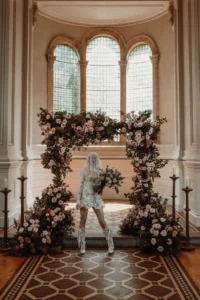
The Romance of Ruin: A Gothic Cemetery Bridal Shoot Featuring the Wona Concept Heritage Collection

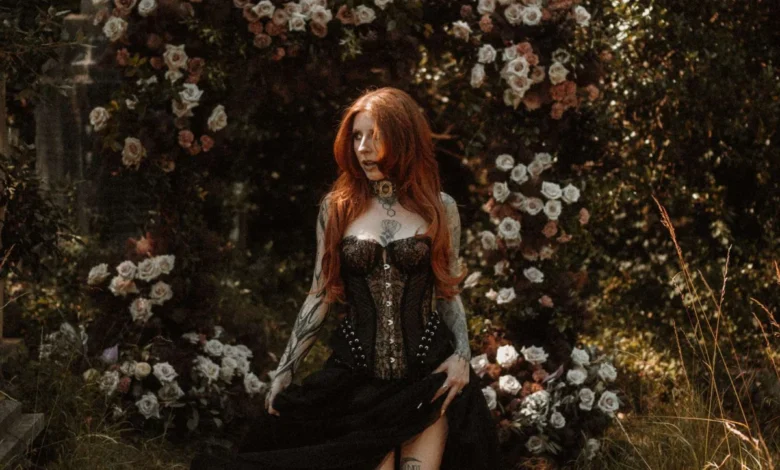
At Barcelona Bridal Week earlier this year, the global bridal industry was treated to a masterclass in structural innovation and narrative design. Among the myriad of presentations that defined the week, Wona Concept’s unveiling of its new collections marked a pivotal moment for the brand, specifically with the debut of the Heritage Edition. Comprising 25 distinct couture looks, the collection serves as a testament to the evolving nature of bridal fashion, blending traditional craftsmanship with a provocative, avant-garde aesthetic. By incorporating sculptural silhouettes, intricate corsetry, fluid draping, and dramatic trains, Wona Atelier has repositioned itself at the intersection of high fashion and wedding couture. Most notable was the inclusion of three striking black designs, which challenged conventional industry standards while maintaining the meticulous level of detail expected from a couture house.
The Genesis of a Visionary Collaboration
The inspiration for the Heritage Edition did not exist in a vacuum; it was the result of a deliberate push by designers to move away from the hyper-minimalist trends that dominated the early 2020s. During the post-runway reception in Barcelona, the creative synergy between Wona Concept and boutique retailers was palpable. Charlotte and Ash, representing Charlotte Elizabeth Bridal, identified an immediate resonance between the brand’s new direction and the growing demand for "alternative-luxury" bridal wear in the United Kingdom.
The ensuing collaboration was formalized during a discussion between the designers and the boutique owners, centered on the need to showcase the collection in a setting that matched its dramatic, architectural complexity. The concept of "The Romance of Ruin" was born—a project designed to strip away the clinical sterility of a standard showroom and replace it with the evocative, weathered textures of history.

Contextualizing the Location: Arnos Vale Cemetery
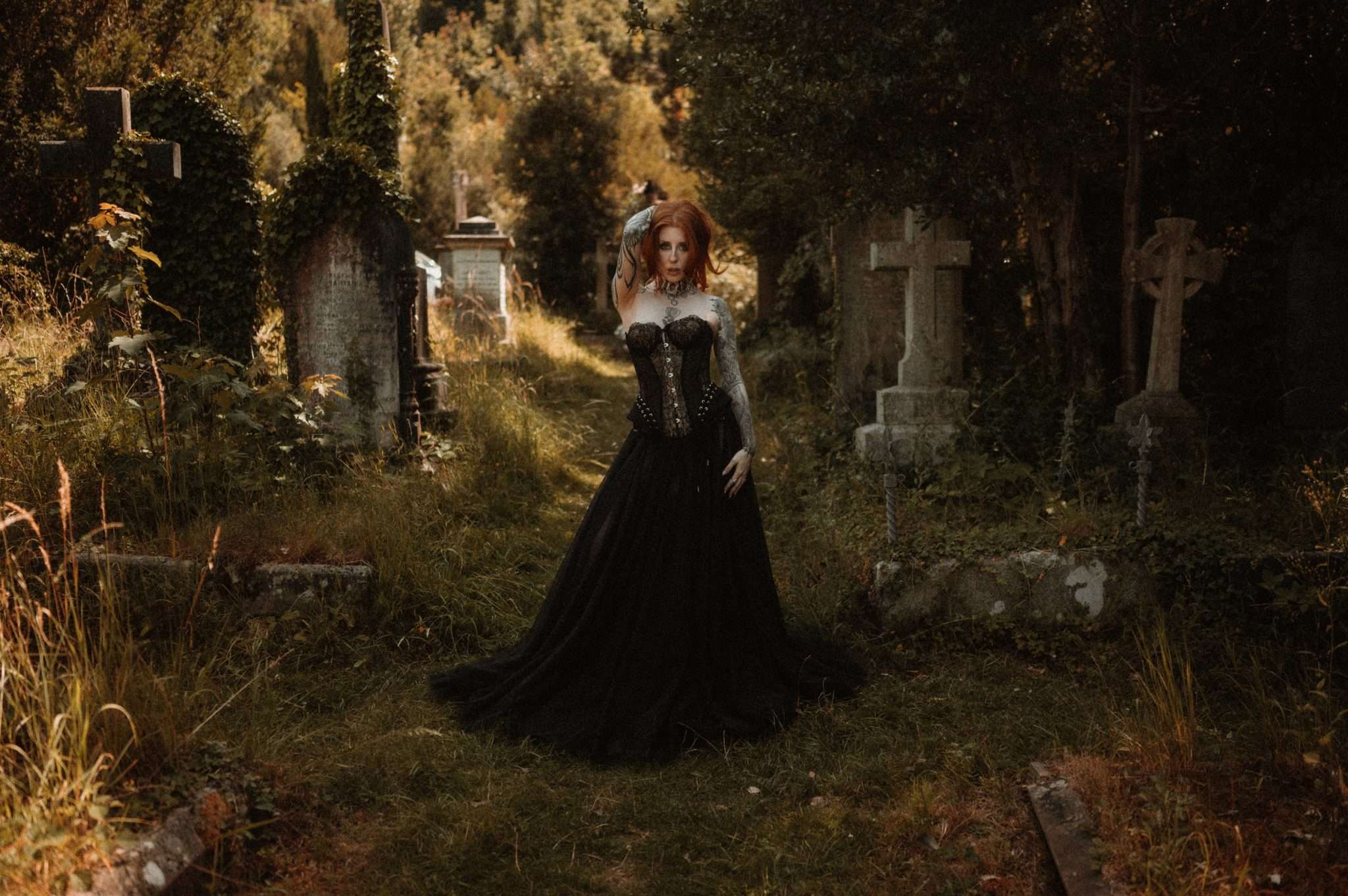
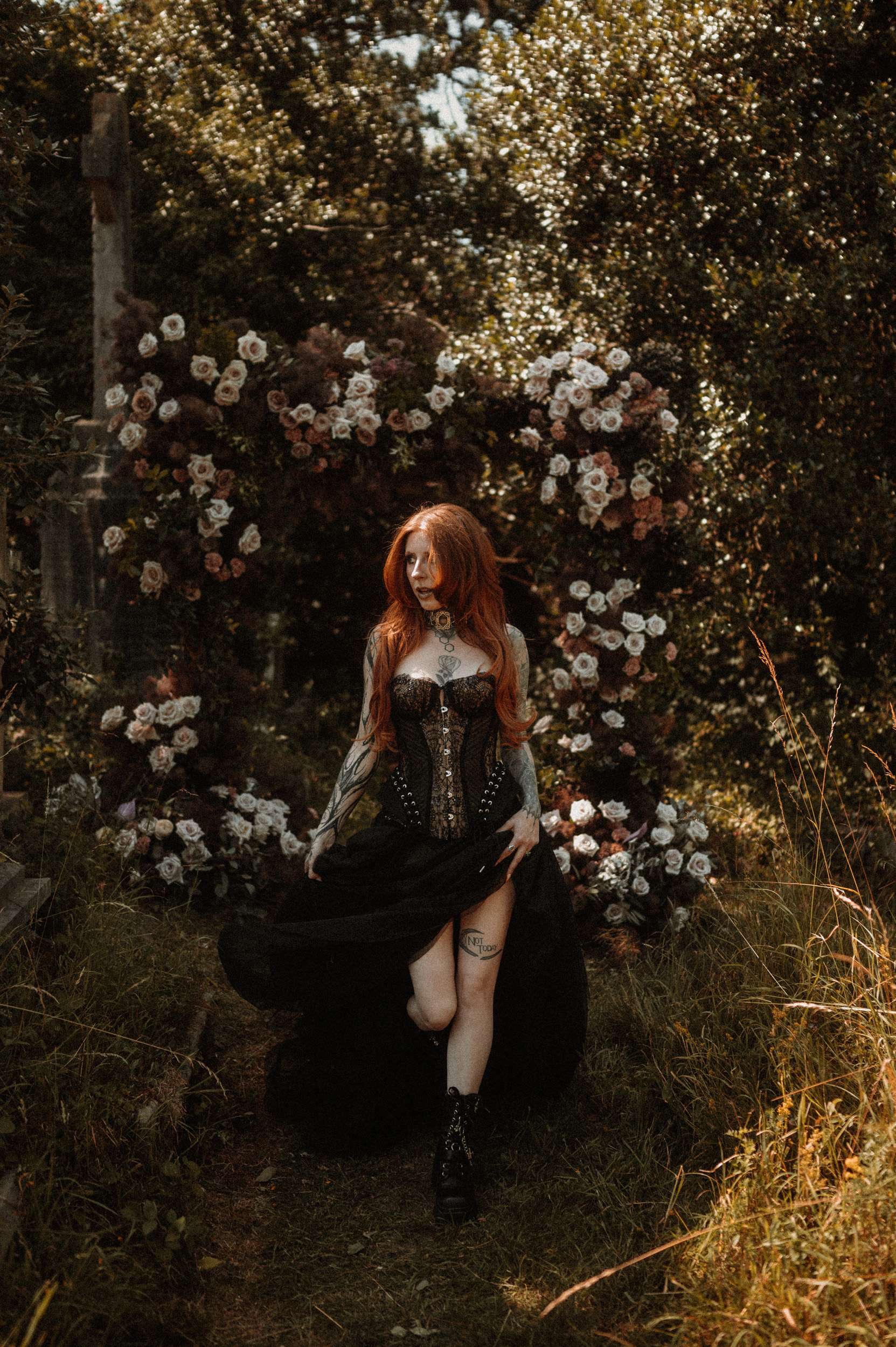
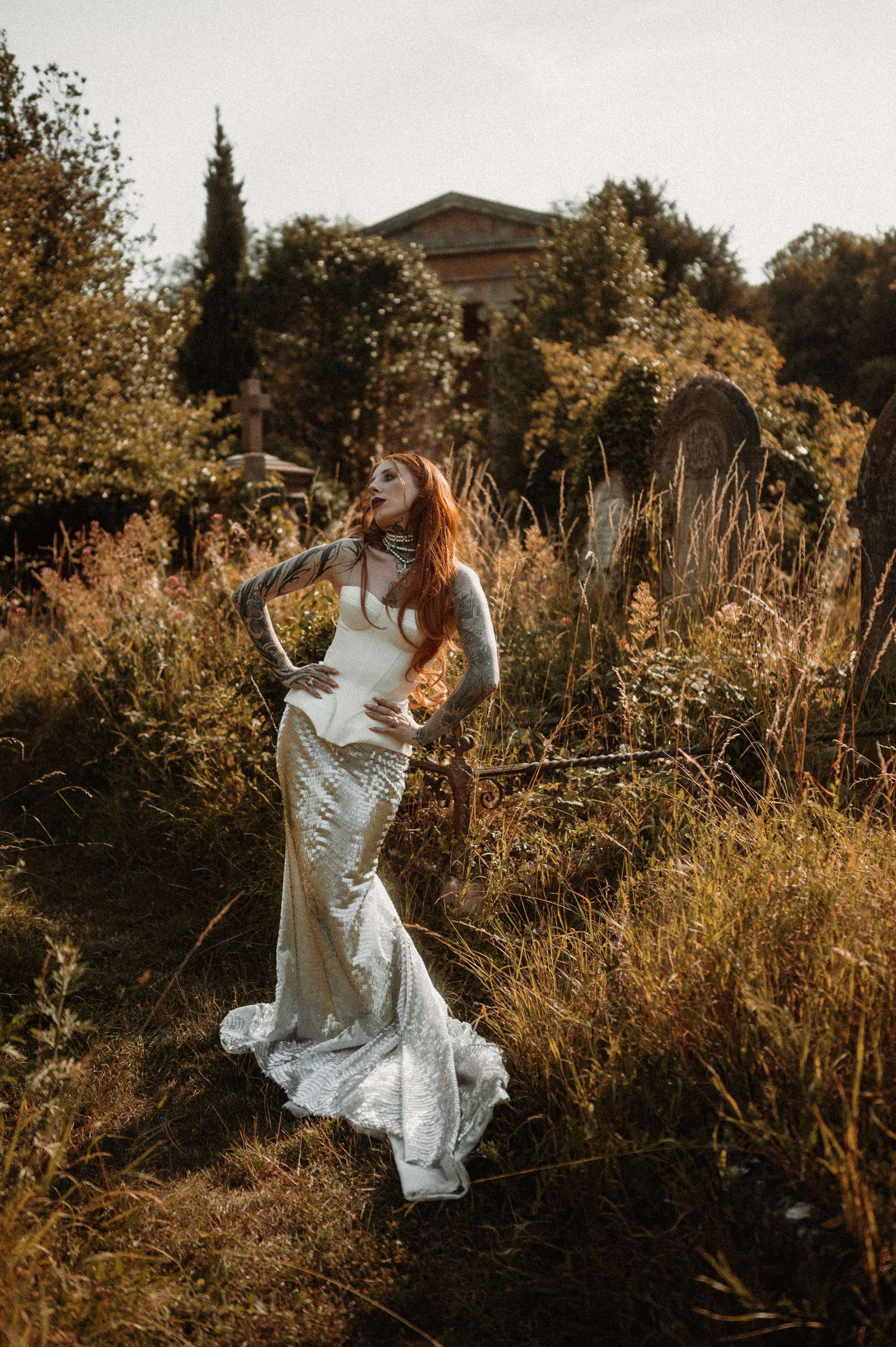
The team selected Arnos Vale Cemetery in Bristol as the primary location for the editorial project. Established in 1839, the site is a Grade II listed Victorian garden cemetery, renowned for its architectural heritage and its role as a pioneer in the "garden cemetery" movement. The location was chosen not merely for its aesthetic value, but for the thematic contrast it provided: the stark, white, and black couture fabrics against the backdrop of moss-covered limestone and overgrown woodland.
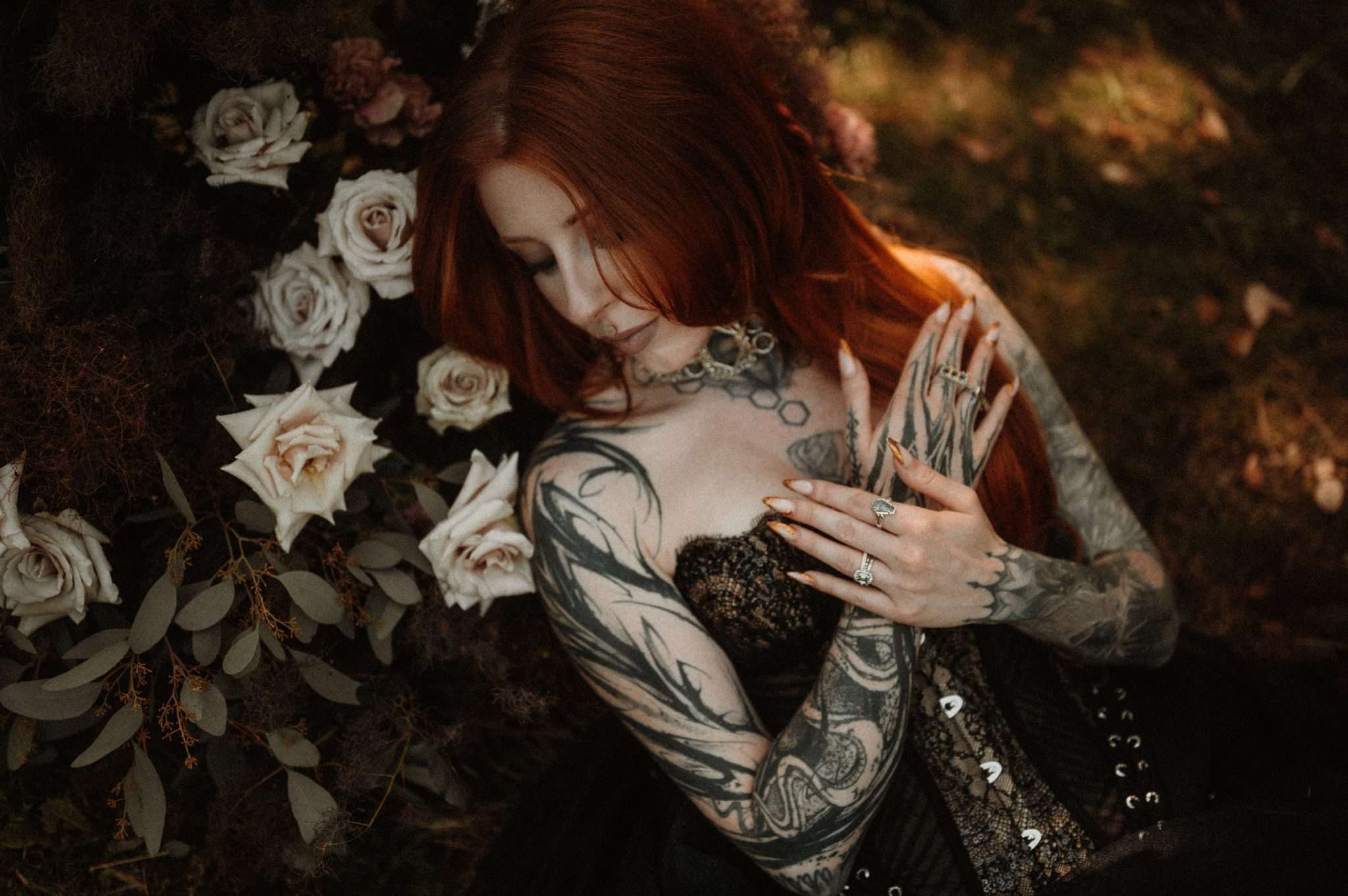
This juxtaposition highlights a broader shift in the wedding industry, where couples are increasingly moving away from traditional hotel or banquet-hall venues in favor of locations that offer a sense of permanence, history, and intellectual depth. Arnos Vale provides a unique example of adaptive reuse, as the venue now functions as both a heritage site and a sought-after location for civil ceremonies and celebrations, proving that unconventional spaces can host formal events without losing their solemnity.
Chronology of the Heritage Edition Launch
The trajectory of the Heritage Collection has been marked by rapid development and high industry visibility:

- Early 2026 (Barcelona Bridal Week): Wona Concept premieres the Heritage Edition on the main runway. The collection is immediately noted by analysts for its departure from traditional ivory palettes.
- Post-Runway (Spring 2026): Strategic discussions take place between the design house and key boutique partners, including Charlotte Elizabeth Bridal.
- Mid-2026 (Planning Phase): Conceptualization of the "Romance of Ruin" shoot begins, with a focus on styling that emphasizes the contrast between the garments and the environment.
- Late 2026 (Execution): The editorial shoot at Arnos Vale Cemetery is conducted, capturing the collection across six distinct, multi-layered looks.
- October 2026 (Release): The official campaign imagery is released, coinciding with the availability of the collection for private appointments in Matlock, Derbyshire.
Technical Analysis of the Collection
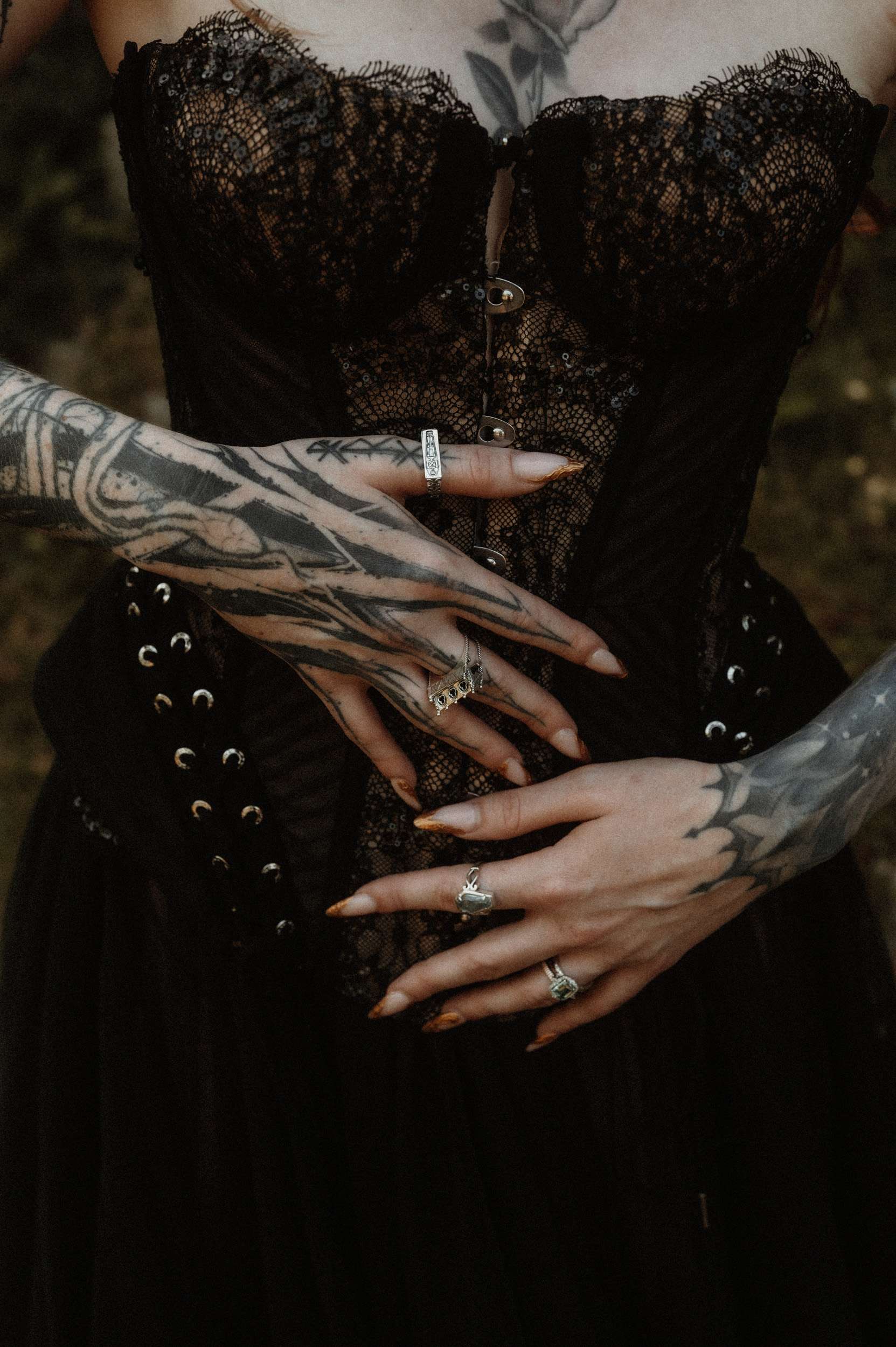
The Heritage Edition is notable for its technical construction. The use of structured corsetry serves a dual purpose: it provides the physical foundation for the dramatic, voluminous skirts and trains while simultaneously reflecting the "heritage" theme through Victorian-inspired silhouettes.
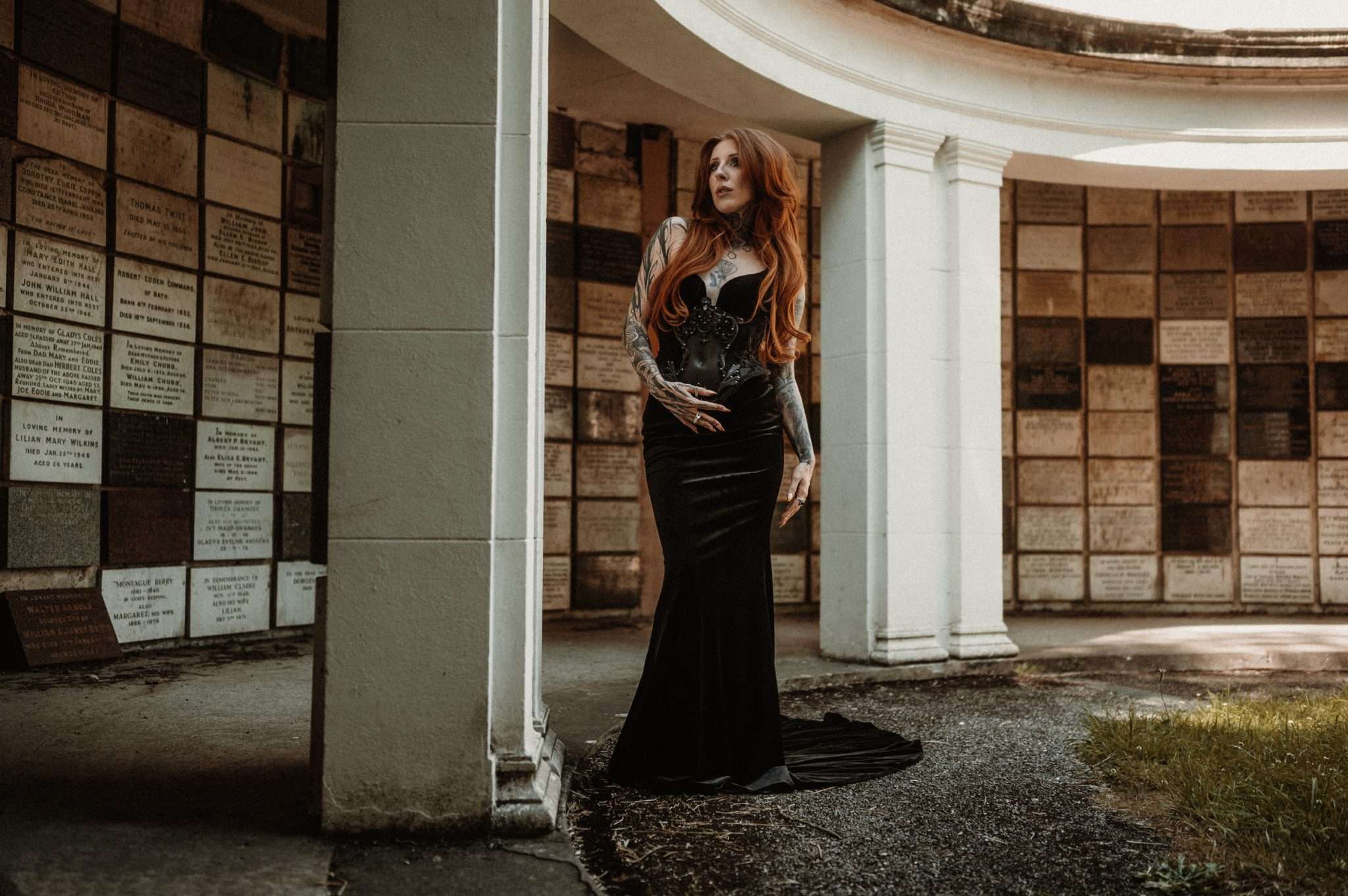
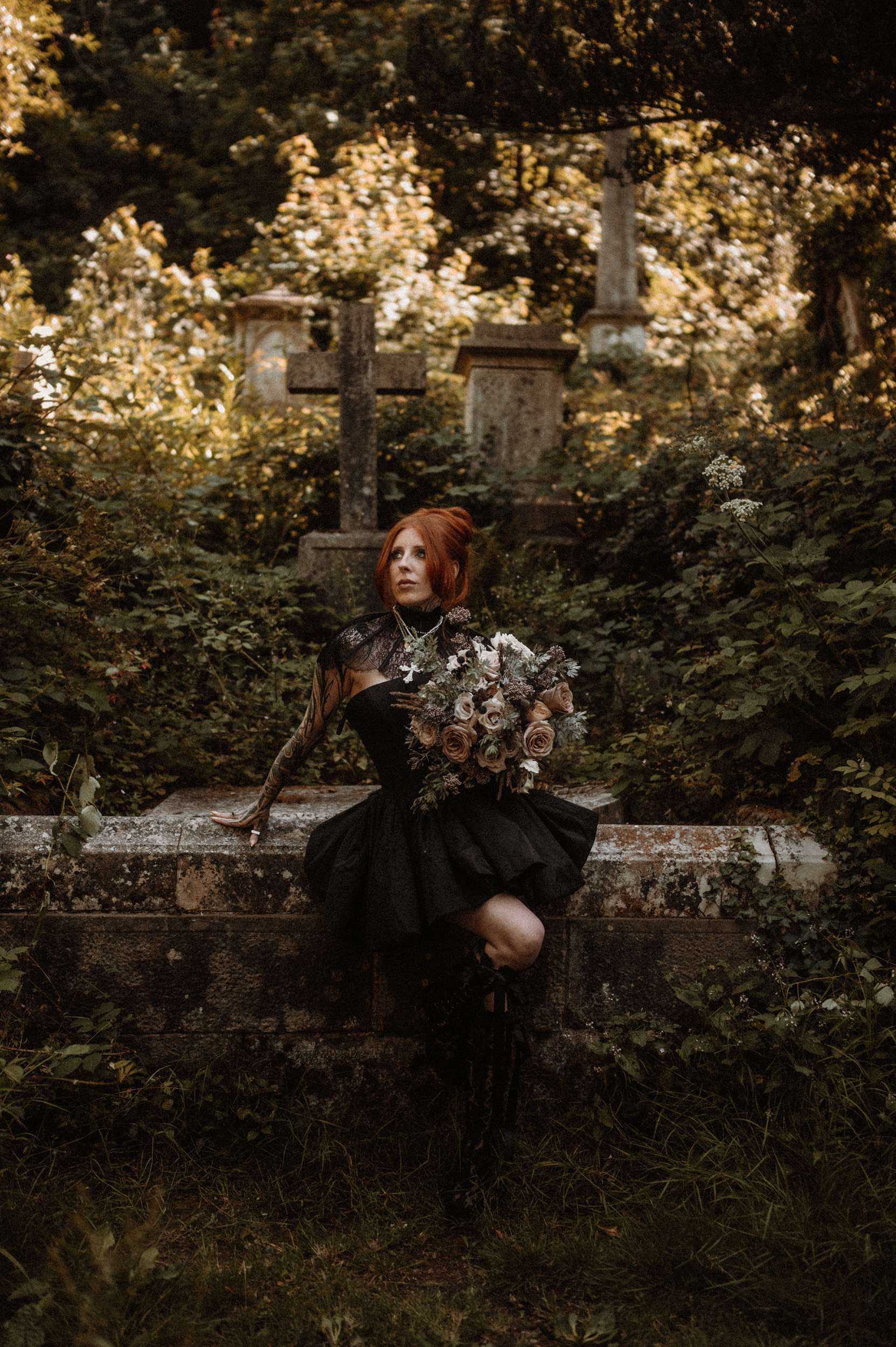
The collection utilizes a diverse array of materials, from heavy silk satins to delicate, architectural lace. The decision to introduce black gowns into a primary bridal collection is a significant market signal. While black bridal wear has existed in subcultures for decades, its presence in a mainstream, high-end couture show indicates a move toward greater personal expression in the wedding market. Retailers report that brides are increasingly looking for "statement pieces" that can be repurposed for formal events after the wedding, a sustainable shift that aligns with the durability and quality of these specific couture designs.
Industry Implications and Market Shifts
The collaboration underscores a changing dynamic between design houses and independent retailers. In the current economic climate, retail boutiques are acting less as passive sellers and more as creative partners. By facilitating high-concept editorial shoots, boutiques like Charlotte Elizabeth Bridal are able to define their brand identity, moving beyond mere logistics to become curators of a specific bridal aesthetic.
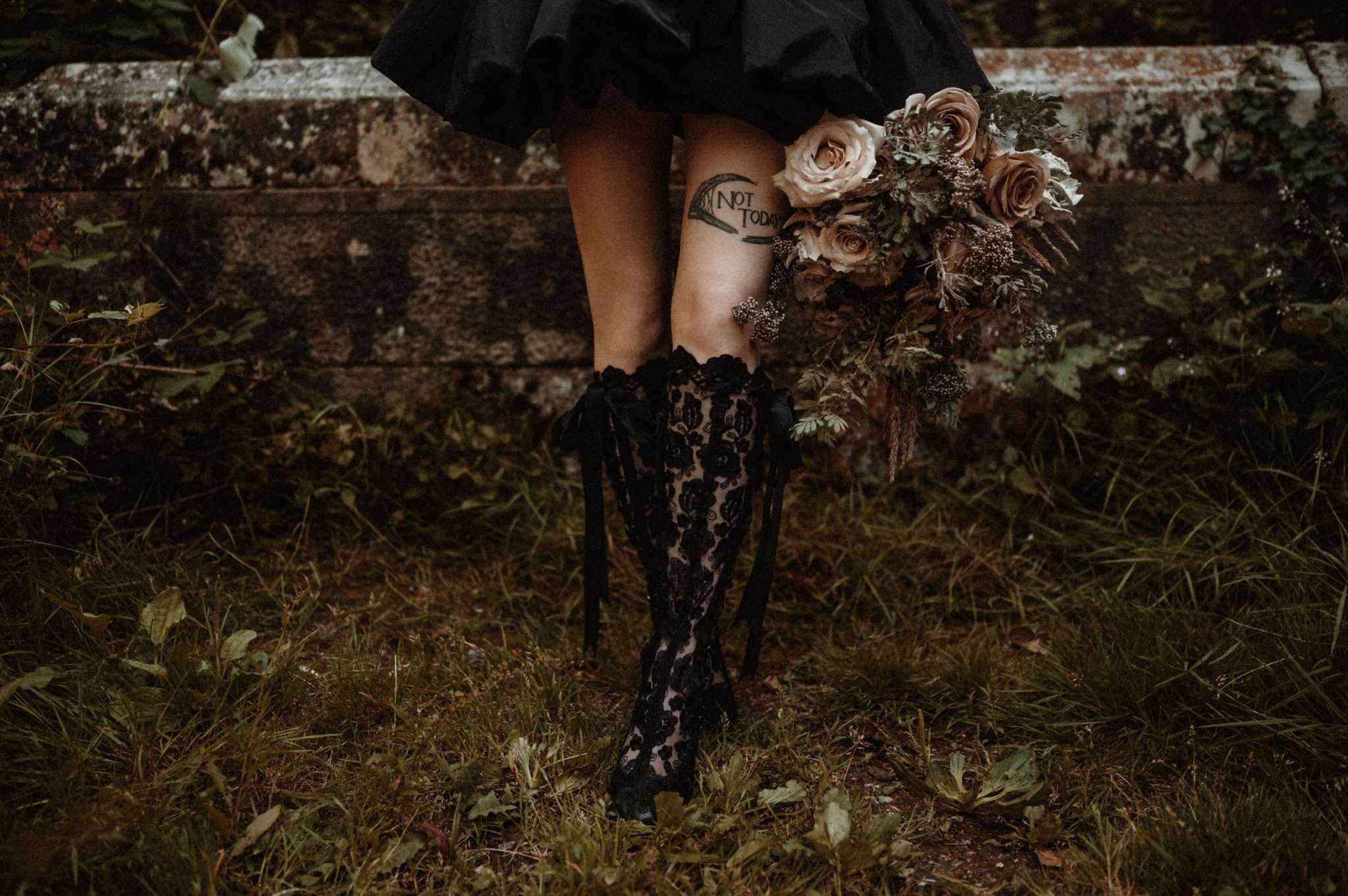
Furthermore, the "Romance of Ruin" theme speaks to the broader "Dark Academia" and "Gothic Romanticism" trends that have surged in popularity across social media platforms like Pinterest and Instagram. This aesthetic shift reflects a desire for romanticism that is grounded in reality, history, and a touch of the macabre—a direct response to the global uncertainties of the previous decade.

Looking Toward the Future of Bridal Couture
The integration of such high-end, experimental designs into the accessible retail market is a balancing act. Retailers must manage the inventory of traditional, classic pieces while creating space for items that push the boundaries of convention. However, the data from the 2026 bridal season suggests that the risk is worth taking. Brides who choose to visit boutiques specializing in these collections are typically looking for an experience that is bespoke and highly curated.
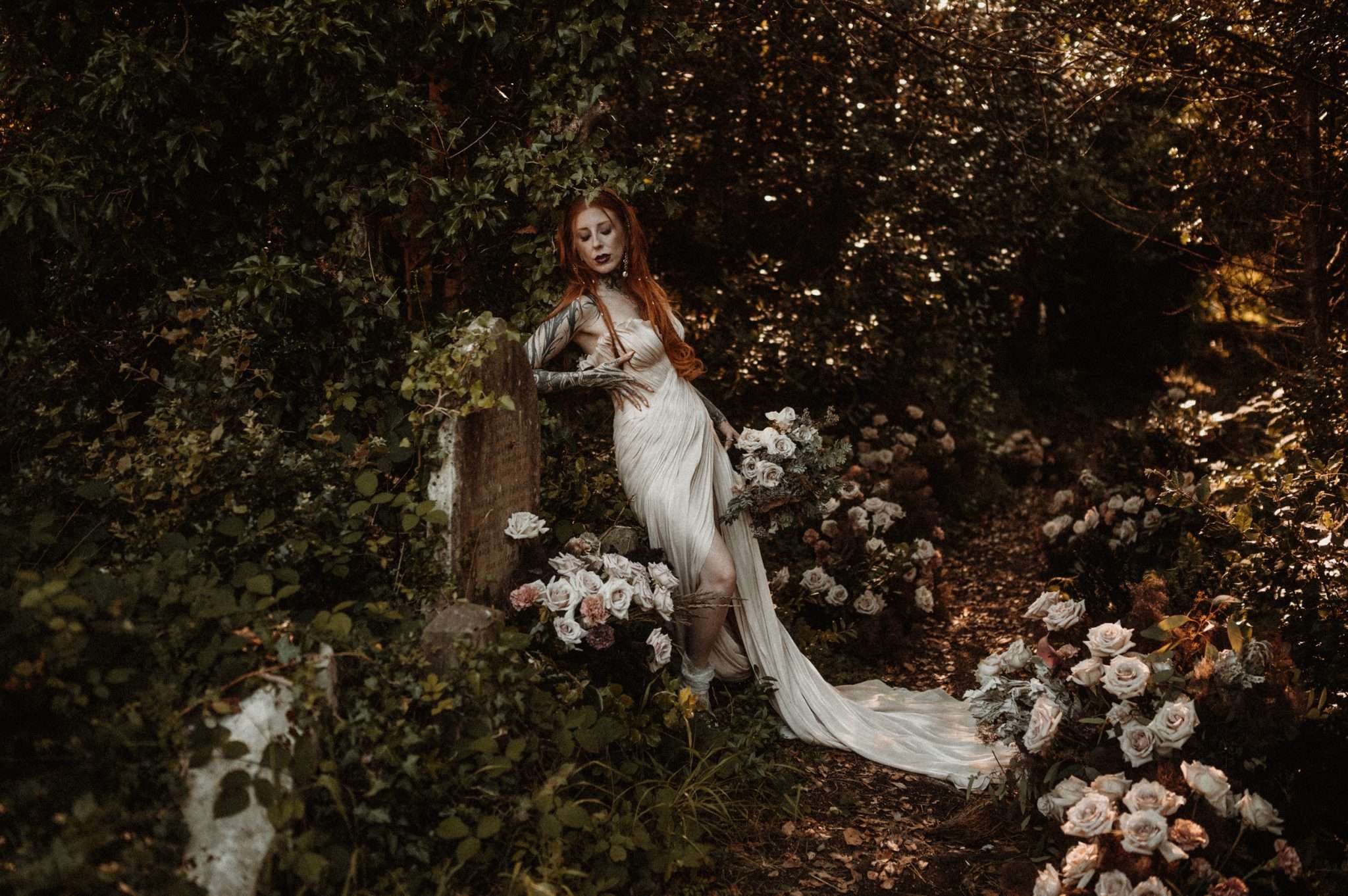
The Heritage Collection is currently available at Charlotte Elizabeth Bridal in Matlock, Derbyshire. For prospective clients, the process of selecting a gown from this collection is less about finding a "wedding dress" and more about acquiring a piece of wearable art. The availability of these pieces in a regional hub like Derbyshire signals that the appetite for high-fashion bridal is no longer confined to major fashion capitals like London, Paris, or New York.
Conclusion: The Synthesis of History and Modernity
The success of the Heritage Edition and the subsequent editorial project at Arnos Vale illustrates a fundamental truth about contemporary fashion: the most compelling narratives are those that reconcile the past with the present. By placing the meticulous craftsmanship of Wona Concept within the historic, weathered confines of an 1839 cemetery, the collaborators have created a visual dialogue between the longevity of stone and the fleeting, yet powerful, nature of bridal couture.

As the wedding industry continues to evolve, the demand for authenticity will likely remain the primary driver of consumer behavior. Whether through the choice of an unconventional venue or the selection of a gown that defies traditional color palettes, the modern bride is increasingly viewing her wedding day as an opportunity for artistic expression. The "Romance of Ruin" project serves as a definitive roadmap for how bridal brands can tap into this desire, offering not just a product, but a complete, immersive experience that resonates with the cultural zeitgeist of 2026.