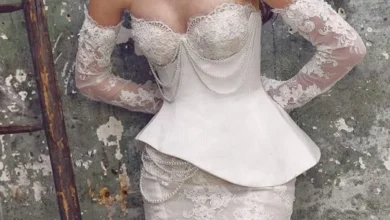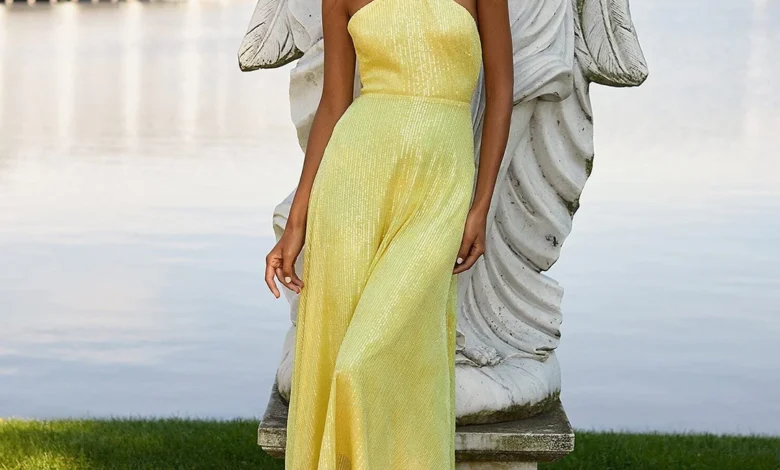
The shift toward coastal celebrations is not merely a stylistic choice but a significant movement within the $70 billion global wedding market. According to recent industry data, destination weddings now account for approximately 25% of all ceremonies, with beach locales remaining the top choice for couples seeking a blend of vacation and celebration. This trend has forced a reevaluation of guest etiquette, moving away from heavy brocades and dark wools toward textiles that accommodate fluctuating temperatures and maritime humidity.
The Evolution of Coastal Wedding Formalities
Historically, wedding guest attire was dictated by strict social hierarchies and religious settings. However, the rise of the "experience-based" wedding has moved the altar to the shoreline. This transition creates a unique challenge for guests: how to honor the sanctity of the event without suffering from heat exhaustion or wardrobe malfunctions caused by coastal winds.
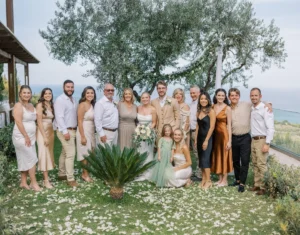
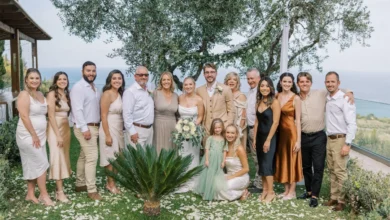
Expert analysts suggest that the primary hurdle for guests is the lack of a standardized "beach formal" definition. Left to their own devices, guest attire can vary wildly from underdressed casual wear to over-dressed evening gowns that are impractical for sand. To mitigate this, fashion consultants recommend a middle ground that emphasizes "elevated comfort." This involves selecting clean-line fabrics with bold patterns or muted, single-hue pastels that reflect the natural light of a coastal environment.
Material Science and Climate Adaptation
The success of a beach wedding outfit relies heavily on the physics of the fabric. Traditional formalwear often utilizes synthetic blends or heavy silks that trap heat. For 2026 and beyond, the trend has shifted toward natural fibers. Linen, seersucker, and lightweight cotton remain the gold standard due to their high breathability and moisture-wicking properties.
Anastasia Beluschenko notes that midi dresses have emerged as a timeless choice for their transformative potential. These garments offer enough length to remain formal while avoiding the logistical nightmare of a floor-length hem dragging through wet sand. Furthermore, the use of organza, lace, and chiffon provides the necessary texture for a "wedding" look without the weight of traditional bridal party fabrics.
Categorizing Attire by Ceremony Formality
Beach weddings generally fall into four distinct categories of formality, each requiring a specific approach to guest attire.
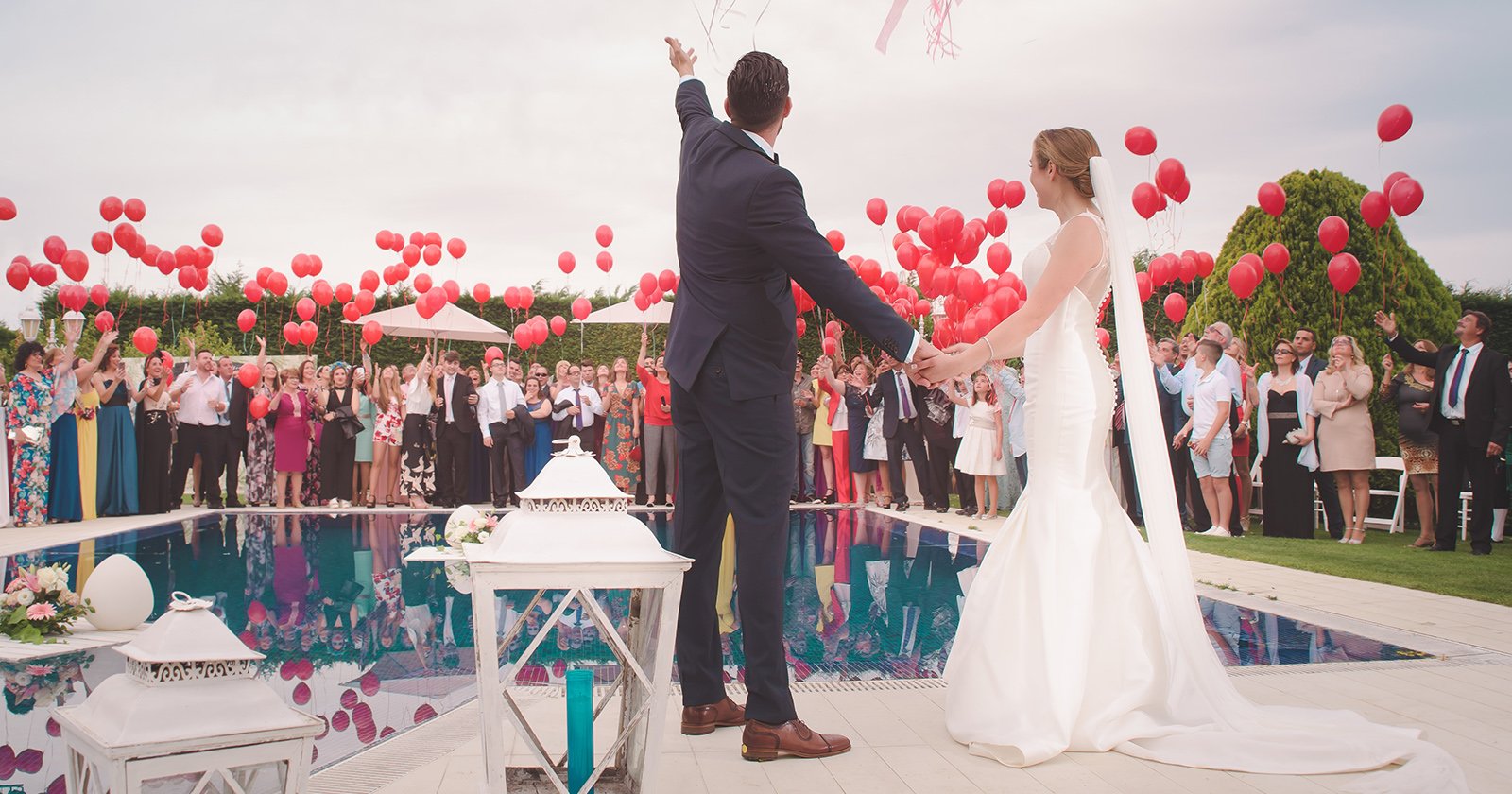
Formal Beach Attire
Reserved for sunset or evening ceremonies at high-end resorts, formal beach attire demands elegance. While gowns are appropriate, they should be constructed from lighter materials. For men, this often means a lightweight suit in a light gray or tan, potentially forgoing the tie in favor of a crisp linen shirt. For women, sophisticated jumpsuits or floor-length maxi dresses in high-quality silks are recommended.
Semi-Formal and Cocktail Beachwear
This category strikes a balance between the gala and the garden party. Cocktail dresses and dressy jumpsuits are the preferred choices here. Industry experts suggest looking for "transformative" elements—such as detachable peplums or statement brooches—that allow the outfit to transition from a sunny outdoor ceremony to an indoor air-conditioned reception.
Casual Coastal Chic
"Casual" in a wedding context does not equate to everyday wear. It refers to a relaxed, carefree vibe that still respects the occasion. Short dresses, high-quality sundresses, and tailored separates are appropriate. However, industry standards maintain that denim, ripped clothing, and ill-fitting shorts remain strictly prohibited regardless of how casual the setting may be.
Bohemian and Tropical Themes
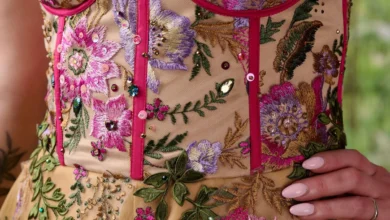
Boho-chic weddings emphasize free-spirited silhouettes and earthy tones. Guests are encouraged to embrace lace accents and flowing fabrics. Conversely, tropical themes invite vibrant colors and exotic floral patterns. These themes allow for the most creative expression, often incorporating bold prints that mirror the local flora of the destination.
Demographic Considerations and Inclusive Fashion
The destination wedding market has seen a significant expansion in inclusive sizing and age-appropriate styling. For guests over 50, the focus remains on the intersection of elegance and comfort. Tea-length dresses and sophisticated wraps are frequently recommended to provide coverage while remaining cool.
In the plus-size segment, designers are increasingly incorporating structural elements that provide support without sacrificing the "flowy" aesthetic required for the beach. The goal for all demographics is to achieve a sense of cohesion that facilitates a harmonious aesthetic for the couple’s photography while ensuring the guest feels physically at ease throughout a multi-hour event.
The Etiquette of Color and White-Wearing Policies
One of the most debated topics in modern wedding etiquette is the "no-white" rule. Traditionally, wearing white as a guest was considered a significant breach of social contract. In the context of beach weddings, where white and cream are natural choices for heat reflection, the rules have become more nuanced but remain firm.

Kate Zakharova emphasizes that unless a couple specifically requests an "all-white" or "neutral" dress code for aesthetic cohesion in photos, guests should avoid white, cream, and ivory. Wearing these colors can be viewed as an attempt to compete with the bride or a lack of courtesy. Additionally, guests are advised to avoid black or very dark colors, as these absorb solar radiation, leading to discomfort during daytime ceremonies.
Strategic Planning for the Elements
A critical component of beach wedding preparation is the "layering strategy." Coastal weather is notoriously unpredictable; a sweltering afternoon ceremony can quickly turn into a chilly evening reception as the sea breeze intensifies. Experts recommend that guests incorporate stylish wraps, pashminas, or light blazers into their ensembles.
Footwear also requires strategic thought. High heels are impractical for sand and can pose a safety risk. The industry has seen a rise in "shoe valets" at beach weddings, where guests can swap formal shoes for flip-flops. However, for the ceremony itself, dressy flats, wedges, or block heels are the professional recommendation to maintain the outfit’s integrity while ensuring mobility.
Market Analysis and Future Projections
The demand for specialized beach wedding guest attire has led to a boom in the "Resort Wear" sector of the fashion industry. Analysts project that this niche will grow by 5.2% annually through 2030. Retailers are increasingly launching "Wedding Guest" curated collections that specifically filter for beach-appropriate fabrics and colors, reflecting a consumer base that is more informed and more specific about their wardrobe needs.
Furthermore, the rise of rental platforms like Rent the Runway and Nuuly has changed how guests approach destination wedding fashion. Instead of purchasing a high-end silk maxi dress that may only be worn once, guests are opting to rent designer pieces, allowing for higher-quality attire at a lower price point. This shift supports a more sustainable fashion cycle, reducing the "one-wear" waste often associated with the wedding industry.
Summary of Guest Guidelines
To ensure a successful experience, guests should adhere to the following data-driven recommendations:
- Prioritize Breathability: Select linen, cotton, or chiffon over synthetics.
- Observe the Hemline: Midi and maxi lengths are preferred for formal settings; shorter lengths for casual.
- Respect the Color Palette: Avoid white unless invited; avoid black to stay cool.
- Plan for Logistics: Choose footwear compatible with sand and bring layers for evening temperature drops.
- Follow the Couple’s Lead: Adhere strictly to the dress code provided on the invitation or wedding website to ensure thematic cohesion.
As beach weddings continue to define the modern celebration of marriage, the role of the guest is to act as a supportive element of the couple’s vision. By balancing personal style with the practicalities of the coastal environment, attendees can ensure they remain comfortable while contributing to the elegance of the occasion.