The Ultimate Guide to UK Petite Ethical Clothing Brands For Sustainable Style


The intersection of petite sizing and sustainable fashion has historically presented a significant challenge for UK consumers. Defined broadly in the retail sector as individuals standing 5 foot 4 inches or under, the petite demographic has frequently found itself underserved by the ethical fashion movement. While mainstream fast-fashion retailers have long offered scaled-down proportions, consumers seeking environmentally conscious and socially responsible garments have routinely faced a market gap. Standard-length trousers, maxi dresses, and tailored separates often require costly professional tailoring or result in compromises regarding fit, forcing many shoppers to choose between ethical values and properly proportioned wardrobes.
However, shifts within the UK apparel sector are beginning to address this imbalance. A growing number of independent labels, high-street mainstays, and preloved platforms are intentionally incorporating petite specifications into their sustainable collections. Understanding these offerings requires navigating a varied landscape of price points, material sourcing transparency, and manufacturing standards. To assist consumers in evaluating these options, market researchers categorize apparel pricing using a standard tiered scale: a single pound sign (£) denotes items under £50, a double symbol (££) covers the £50 to £100 bracket, and a triple symbol (£££) indicates premium or designer pieces exceeding £100.

High-Street Accessibility and Labour Standards
Among high-street retailers adapting to consumer demand for ethical petite options, Seasalt has emerged as a prominent choice for budget-friendly to mid-range shoppers. The brand has built a foundation on sustainable manufacturing, achieving Soil Association Global Organic Textile Standard (GOTS) certification for organic cotton production as early as 2005. Furthermore, Seasalt’s integration into the Ethical Trading Initiative (ETI) since 2018 and its membership in SEDEX reflect a structural commitment to monitoring international labour standards across its supply chain. For petite shoppers, the availability of properly proportioned trousers and dresses without the need for post-purchase alterations represents a practical advancement in high-street inclusivity.
Similarly, White Stuff maintains a substantial presence in the sustainable retail market, recognized as a leading UK fashion retailer of Fairtrade Sourced Cotton. This designation ensures that agricultural workers involved in the cultivation and harvesting of raw cotton operate under safe and fair conditions. The brand offers an organic cotton petite selection alongside alternative eco-friendly materials such as linen and Ecovero viscose. Despite these environmental credentials, consumer advocates note that navigating White Stuff’s digital platform to locate specific petite and sustainable filter combinations can present navigational hurdles, requiring shoppers to cross-reference multiple category menus.

Fast-Fashion Intersections and Circular Economy Models
The inclusion of fast-fashion elements within the sustainable petite market is exemplified by brands such as Nobody’s Child. While industry watchdogs and sustainability analysts often flag the brand’s use of trend-driven marketing terminology and an absence of deep supply chain transparency regarding manufacturing locations, the company nonetheless implements targeted environmental policies. Nobody’s Child utilizes organic and recycled materials while explicitly avoiding virgin animal products, including leather, down, feathers, fur, and PVC plastics.
To mitigate the environmental impact of its output, the brand has introduced accessible repair and alteration services alongside a clothing rental model. These initiatives align with broader industry movements toward circular fashion, allowing consumers to extend garment lifespans or acquire specialty items for single-use occasions without generating new retail demand. This dual approach illustrates how commercial entities are attempting to balance rapid consumer trend cycles with waste-reduction frameworks.

Independent Designers and Innovative Production Techniques
At the premium end of the market, independent labels are pioneering structural innovations to combat textile waste while catering to smaller frames. Hannah Sophia England specializes in ethical petite occasionwear, manufacturing garments in-house in Stamford, Lincolnshire. The brand operates under a strict zero-fabric-waste-to-landfill policy, repurposing leftover scraps into accessories or capsule collections, and pairs every customer order with a tree-planting initiative.
Beyond material sourcing, Hannah Sophia England utilizes a transformative garment design strategy aimed at increasing per-garment wear frequency. Statistical analyses of UK fashion consumption indicate that the average dress is worn approximately four times before being discarded. In response, the brand has engineered versatile, multi-look garments—such as maxis with detachable tiered skirts and removable sleeves—that convert into multiple distinct styles. This engineering approach directly addresses the root causes of fast-fashion accumulation by maximizing utility.
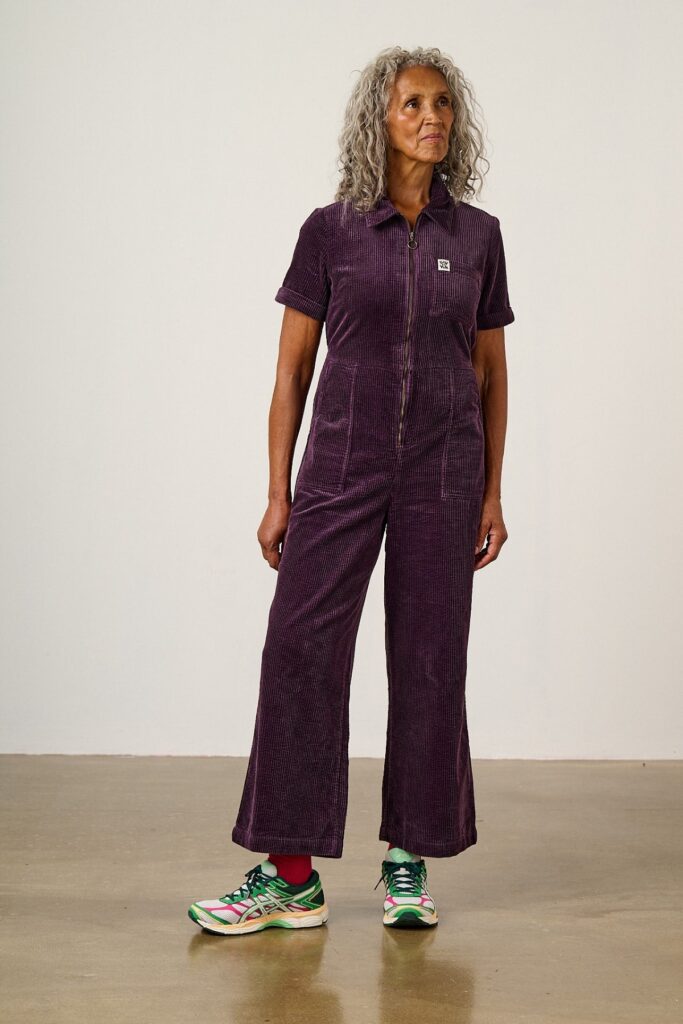
Meanwhile, independent labels like Lucy & Yak cater to consumers standing 5 foot 2 inches and under, offering distinctive silhouettes such as dungarees, jumpsuits, and trousers tailored for smaller frames. The brand relies on sustainably sourced fabrics, including organic cotton and linen blends, and produces its lines within independently audited factories to ensure fair treatment of supply chain workers.
The Role of Preloved Platforms in Budget-Friendly Sourcing
For consumers operating on minimal budgets, secondary markets and preloved platforms remain an essential resource for acquiring ethical petite clothing. Digital marketplaces like eBay provide dedicated filter options for petite-specific sizing, making it feasible to source pre-owned trousers and denim at reduced price points. While challenges remain regarding inconsistent shipping fees from multiple private sellers and varying return policies, secondary platforms successfully divert existing textiles from landfills.

Charity-led digital operations, such as Oxfam Online, offer an alternative preloved model. By providing centralized, flat-rate shipping and free returns on items that fail to fit correctly, these platforms lower the logistical barriers associated with second-hand shopping. While inventory availability fluctuates compared to peer-to-peer marketplaces, charity retail online arms provide a reliable, mission-driven avenue for budget-conscious petite consumers.
Broader Implications for the UK Fashion Sector
The gradual expansion of the ethical petite market reflects a structural maturation within the UK apparel industry. As consumer pressure mounts for genuine inclusivity—extending beyond racial and size diversity to encompass height-specific proportions—retailers are discovering that sustainability and precise tailoring are not mutually exclusive. Brands that successfully integrate fair labour practices, transparent material sourcing, and waste-reduction models into petite collections are positioned to capture a loyal demographic previously forced to compromise on their purchasing criteria.

Analyses of ongoing retail trends suggest that future growth will depend on digital user experience improvements, enabling consumers to locate petite and eco-friendly filters seamlessly, and the continued normalization of circular services like rental and repair. As the regulatory landscape around green claims tightens, brands operating in the UK market will likely face increased scrutiny regarding their supply chain disclosures, further differentiating companies with verified ethical frameworks from those relying on superficial sustainability marketing.