TikTok’s Lipstick Lesbians Launch Leaked Labs to Mixed Industry Reception

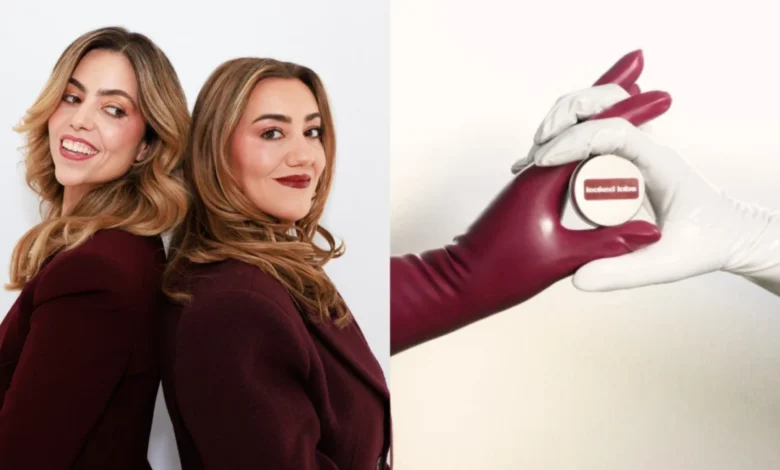
In an era where the beauty landscape is perpetually reshaped by unforeseen acquisitions, high-profile celebrity collaborations, strategic executive appointments, rapid-fire product launches, and the inevitable surge of insider controversies, the online beauty community remains a potent force, consistently fueling discussions with its collective questions and opinions. The latest narrative captivating the beauty-sphere centers on the TikTok sensation known as the "Lipstick Lesbians" and their ambitious new business venture, Leaked Labs. This article delves into the journey of Alexis Androulakis and Dr. Christina Basias Androulakis, their rise to digital prominence, the innovative yet controversial premise of Leaked Labs, and the ensuing conversation that has divided consumers and industry observers alike.
The Rise of the Lipstick Lesbians: From Content Creators to Beauty Entrepreneurs
Alexis Androulakis and Dr. Christina Basias Androulakis, the wife-and-wife duo behind the "Lipstick Lesbians," have carved out a significant niche in the digital beauty world. Their ascent began in 2022, rapidly accumulating a substantial following of over 1.2 million on TikTok and 556,000 on Instagram. Their content struck a chord by demystifying the intricate world of beauty product development and packaging. Dr. Basias Androulakis, holding a PhD in education technology, spearheaded the filming, while Alexis Androulakis, a seasoned former product developer, shared her expert insights into formulation and industry nuances.
Their unique approach was born from a shared observation of industry shortcomings. As Dr. Basias Androulakis previously articulated to WWD, "We started to identify gaps in the industry from both of our vantage points: mine from the education side and Alexis’ from the product development side." Their strategy involved documenting their in-store experiences and disseminating Alexis’s high-level product development knowledge, a type of candid, expert-driven content that was largely unprecedented on social media platforms at the time. This transparency and educational approach resonated deeply with a consumer base increasingly seeking authentic, informed perspectives beyond traditional marketing narratives.
The transition from influential content creators to brand owners is a well-trodden path in the modern beauty industry, exemplified by countless influencers who leverage their direct audience access and perceived authority to launch their own lines. However, this path is not without its challenges, as consumer expectations for product quality, innovation, and ethical practices are often heightened when the brand is an extension of a trusted personality. Before Leaked Labs, the couple had already ventured into brand ownership with Fempower Beauty, a self-care line that was ultimately discontinued, providing them with valuable, albeit perhaps challenging, entrepreneurial experience. This prior endeavor underscores their consistent drive to translate their industry insights into tangible consumer products.
Leaked Labs: A Novel Approach to Product Development and Consumer Engagement
In February, Androulakis and Basias Androulakis unveiled their latest entrepreneurial endeavor, Leaked Labs. This new brand was conceived with a distinctive and arguably disruptive model: to "leak" what they term "innovation orphans" – free agent formulas from suppliers that have been abandoned or deemed "too conceptual" by larger brands. The core idea is to bring these finished, safety-tested products directly to consumers for feedback, bypassing traditional retail timelines and lengthy market research phases. The brand’s philosophy, as articulated by Basias Androulakis to WWD, is that "Leaked Labs is for everyone who feels tired of sameness," implying a desire to introduce unique, potentially groundbreaking products that might otherwise never see the light of day.
The initial strategy for Leaked Labs involved a heavy focus on sourcing products from Italy for its first year, with plans to expand to other regions subsequently. This approach positions Leaked Labs as a curator of cutting-edge, yet unadopted, cosmetic technologies from around the globe. The model hinges on a "feedback loop," where consumer reception dictates the future of each "leak" – whether it will be relaunched, refined, or archived permanently. This concept represents a significant departure from conventional beauty product development, which typically involves extensive internal testing, focus groups, and staggered launch cycles designed to minimize risk and maximize market penetration. Leaked Labs, conversely, embraces risk and relies on rapid, direct consumer validation.

Leak001: The Amplify Flexi Powder and Its Debut
The first product from Leaked Labs, christened Leak001, made its debut on March 6. Named Amplify Flexi Powder, this innovation was priced at $34 and presented as a water-activated pigment disc, strikingly "likened to lasagna" in its flexible sheet format. Available in an array of shades including bronze, silver, pale blue, and rose, these flexible powder sheets were engineered using a process similar to pasta-making, designed for versatile application across the lips, eyes, and cheeks. The brand explicitly stated that this particular product had been abandoned in an Italian lab, deemed "too conceptual" for the mainstream market. The Lipstick Lesbians expressed their curiosity to see if consumers would share this assessment, thereby positioning the purchase as a direct contribution to market experimentation.
This launch underscored the brand’s commitment to delivering truly novel products, even if their market viability was uncertain. The innovative format and multi-use application of Amplify Flexi Powder exemplified the kind of "innovation orphan" that Leaked Labs aimed to rescue. However, its unconventional nature also laid the groundwork for the questions and criticisms that would soon follow, as consumers grappled with understanding a product that defied easy categorization and conventional usage.
Initial Public Reception and the Onset of Skepticism
Upon its announcement, Leaked Labs initially garnered an overwhelmingly positive response from the Lipstick Lesbians’ devoted fanbase. Comments under their introductory videos on TikTok and Instagram reflected immense excitement and anticipation. Phrases like "Ladies, I am sat. These videos are so exciting," "You better be shipping to the E.U.," and "YESSS! The world is not ready," flooded their social media channels, indicating a strong appetite for the brand’s promise of innovative, early-access beauty.
However, this wave of enthusiasm began to wane as the rollout progressed and more details emerged. Videos showcasing the two women swatching the Amplify Flexi Powder samples in a laboratory setting inadvertently sparked a flurry of questions. Consumers voiced confusion with queries such as, "What is the product exactly?" and "What are you proposing?" These questions highlighted a fundamental disconnect between the brand’s innovative concept and the clarity of its communication, leaving many unsure about the product’s purpose and utility.
The skepticism intensified particularly on platforms like Reddit, where users engaged in more critical and detailed discussions. A significant point of contention revolved around the perceived ethical implications of Leaked Labs’ model. One Reddit user articulated a common concern, stating, "So, let me get this straight, they’ll release formulas that are considered unpopular or risky by big brands, so that we as consumers buy them and give them feedback about it? So we will be PAYING to do the market research for this companies while everyone else profits? Oh hell no." This sentiment captured the growing unease that consumers were being asked to bear the cost and risk of product testing, a role traditionally assumed by brands during their research and development phases.
Further criticisms emerged regarding the "innovation" aspect itself. Another critic pondered, "I wonder personally how innovative these formulas will be. Without the fancy packaging and marketing will people be less impressed or do you think it will give more genuine feedback? I’d like to believe the latter but we’ve all seen how social media has changed, and I can imagine without a fancy campaign to back it up people will be less than impressed." This comment touched upon the crucial role of branding and presentation in consumer perception, suggesting that even truly innovative products might struggle to gain traction without the polished campaigns typically associated with successful beauty launches. Concerns about product safety, shelf-life, and general hygiene for products framed as "abandoned" also became prominent discussion points, underscoring the trust barrier the brand needed to overcome.
The Brand’s Response: Clarification and Reiteration of Mission

In direct response to the escalating confusion, criticism, and safety concerns, Androulakis and Basias Androulakis took steps to address the burgeoning controversy. Crucially, they enlisted a cosmetic chemist to publicly vouch for the safety and proper testing of their formulas, aiming to assuage fears regarding hygiene and product integrity. This move was a necessary measure to rebuild trust, as consumer safety is paramount in the beauty industry.
Recognizing that their initial communication about Leaked Labs’ purpose had been insufficient, the duo released an Instagram video on April 19, offering a comprehensive re-explanation of their brand’s mission. The accompanying caption openly acknowledged, "As we reintroduce Leaked Labs, we want to start by owning that we didn’t do a good enough job explaining what Leaked is." This candid admission was a strategic effort to reset the narrative and directly engage with their audience’s concerns.
Their re-explanation clarified several key points:
- Mission: Leaked Labs’ overarching mission is "about getting beauty products sooner." This emphasizes speed and early access as primary value propositions.
- Definition of a "Leak": They reiterated that a "Leak is a finished, safety tested product that we release early without waiting for traditional retail timelines." This distinction was crucial in countering the perception that consumers were receiving untested or potentially unsafe prototypes.
- Target Audience: They acknowledged that this shopping model "isn’t how everyone wants to shop beauty. It’s for those who want to experience what’s next, sooner." This statement helped define their niche and manage broader consumer expectations.
- Feedback Mechanism: They clarified, "This isn’t about testing. It’s about a different point of access to beauty." The process remains: "If you love it, we keep making it. If you don’t, we archive it. Like Flexi." This reinforced the consumer feedback loop as a mechanism for product longevity, not as a testing phase for unfinished goods.
This comprehensive recalibration of their messaging aimed to draw a clear line between "testing" and "early access to finished, tested products," attempting to reposition consumer engagement as participation in a curated innovation pipeline rather than unpaid market research.
Broader Industry Implications and the Future of Creator-Led Brands
The Leaked Labs saga offers a compelling case study on the evolving dynamics of the beauty industry, particularly at the intersection of the creator economy, direct-to-consumer (DTC) models, and consumer trust. The rise of influencer-led brands like Leaked Labs highlights the immense power of social media personalities to bypass traditional gatekeepers and connect directly with a highly engaged audience. These creators, armed with massive followings, can launch products with unprecedented speed, often disrupting the lengthy and costly R&D cycles of established brands.
However, the Leaked Labs experience also underscores the inherent challenges in this model. The line between content creation and product development can become blurred, leading to consumer confusion when the brand’s purpose isn’t explicitly clear. The promise of "innovation" must be balanced with practical considerations of product utility, safety, and perceived value. The initial backlash against Leaked Labs demonstrates that while consumers crave novelty and transparency, they are also increasingly discerning about how their engagement and purchasing power are utilized. Charging for products that are framed as experimental, even if fully tested, can lead to accusations of exploiting consumer enthusiasm for market research purposes.
This situation also brings to the forefront ethical considerations within the "fast beauty" trend. While rapid product cycles can bring exciting innovations to market quicker, they also necessitate robust communication strategies to ensure consumers understand what they are buying and why. The traditional beauty industry, with its rigorous testing protocols and phased launches, aims to mitigate risk and build long-term brand loyalty. Leaked Labs’ model, while innovative, challenges these norms and places a greater onus on transparent communication and the cultivation of an exceptionally trusting customer base.
The future success of Leaked Labs will likely depend on its ability to consistently deliver genuinely innovative, safety-assured products while refining its messaging to avoid any ambiguity regarding consumer roles. It will need to demonstrate that its "leaks" offer a tangible benefit – whether it’s truly groundbreaking formulas, exceptional value, or an exclusive experience – that justifies its unconventional approach. The brand’s journey will serve as an important barometer for how far the beauty industry can push the boundaries of product development and consumer co-creation, and whether the allure of "what’s next, sooner" can sustainably outweigh traditional expectations of clarity, certainty, and value. The Lipstick Lesbians and Leaked Labs are not just selling beauty products; they are experimenting with a new paradigm for how beauty innovation can be discovered, validated, and brought to market in the digital age.