Tonello Partners with Asahi Dyes and Chemicals and Asons to Launch Advanced Garment Finishing Innovation Hub in Sri Lanka

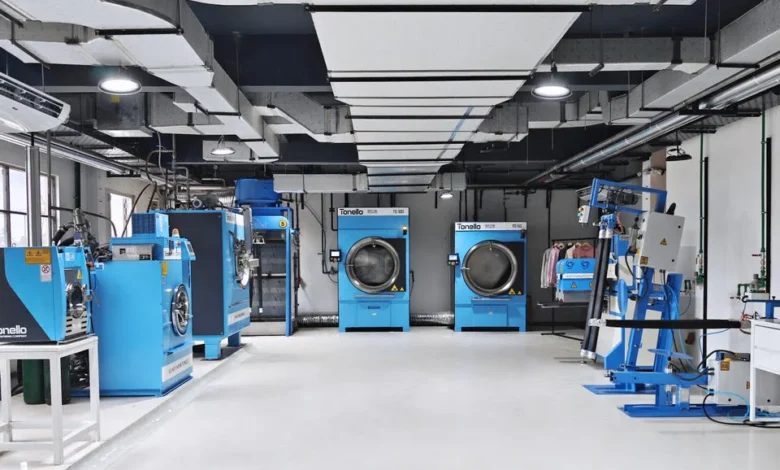
The global apparel manufacturing landscape reached a significant milestone on September 9, 2026, with the official inauguration of a sophisticated garment finishing innovation hub in Sri Lanka. This collaborative venture, spearheaded by Italian technology leader Tonello in partnership with Asahi Dyes and Chemicals and the textile supply powerhouse Asons, represents a strategic move to centralize complex finishing processes. By integrating chemical expertise, specialized machinery, and digital process controls under one roof, the facility aims to provide brands and manufacturers with a comprehensive ecosystem for testing, refining, and scaling high-performance garment treatments.
A New Nexus for Textile Innovation
The facility is designed to address the fragmentation often seen in garment finishing, where chemical applications, mechanical washing, laser treatments, and drying processes are frequently developed in silos. By housing Tonello’s full technology portfolio—including advanced washing, dyeing, ozone, and laser systems—the hub enables a holistic approach to production.
At the core of this initiative is the ability to synchronize chemical formulation with mechanical application. In traditional manufacturing, a textile mill might source chemicals from one supplier and machinery from another, leading to inefficiencies and inconsistent results. This new hub functions as a "living laboratory," where stakeholders can observe how specific chemical compounds interact with fabrics under varying ozone or laser parameters, ensuring that processes are optimized for both quality and sustainability before they reach the factory floor.
Chronology of a Strategic Expansion
The establishment of this hub is the culmination of a multi-year effort to modernize Sri Lanka’s textile infrastructure. Following the growth of local manufacturing capabilities, the need for high-end finishing technologies became increasingly apparent.
- Early 2024: Initial discussions begin between Tonello, Asahi Dyes and Chemicals, and Asons regarding the logistical hurdles of localized finishing in the South Asian market.
- Late 2024: Planning for the $20.4 million Biyagama textile chemicals manufacturing facility is finalized, laying the groundwork for the collaboration.
- Mid-2025: Construction commences on the specialized innovation wing, incorporating digital process control infrastructure.
- September 2026: Official opening of the innovation hub, signaling a transition from pure manufacturing to research-led production.
The partnership is bolstered by the presence of the nearby Biyagama facility, which serves as a massive production backbone for the chemical agents tested within the innovation hub. This proximity is not merely geographical; it creates a closed-loop environment where real-time feedback from the testing lab can influence the production batches at the Biyagama chemical plant.
The Role of Technology in Sustainable Finishing
A primary driver behind this investment is the urgent requirement to reduce the environmental footprint of the textile industry. Garment finishing—particularly denim washing and dyeing—is traditionally water-intensive and chemically demanding. Tonello’s technology, which includes ozone and laser-based finishing, is designed to replace traditional, high-impact methods.
The hub utilizes digital process control technologies to monitor water usage, chemical uptake, and energy consumption. By providing a controlled environment, the facility allows for the development of processes that require lower liquor ratios and fewer rinse cycles. Furthermore, the ability to test these parameters on a pilot scale prevents the waste associated with failed production runs, a common source of inefficiency in the apparel industry.
Industry Implications and Market Analysis
The implications for the Sri Lankan garment sector are substantial. Sri Lanka has long established itself as a hub for ethical, high-quality garment manufacturing, particularly for global premium brands. However, as international regulations regarding supply chain transparency and carbon footprints tighten, the demand for "greener" finishing processes has surged.

This facility effectively elevates Sri Lanka from a provider of assembly services to a partner in process development. By hosting a space where global brands can work alongside chemical and machinery experts, the country secures its position in the high-value segment of the global supply chain. For international retailers, the ability to iterate on new wash effects or sustainable treatments within a short distance of their primary production lines significantly reduces lead times and logistics-related emissions.
Official Perspectives and Strategic Alignment
While individual statements from executives remain consistent with the collaborative nature of the project, industry experts view this as a necessary evolution. Tonello has emphasized that the most effective solutions are increasingly created at the intersections of disciplines. By forcing a dialogue between chemical suppliers, technology developers, and manufacturers, the project attempts to break down the "walls" that have historically hindered technological adoption in the textile sector.
"The integration of chemistry and machinery is no longer optional; it is the fundamental requirement for the future of apparel," noted an analyst familiar with the project. "By allowing companies to rethink established processes in a practical development environment, this hub is moving the needle from theoretical sustainability to operational reality."
Supporting Data: The Efficiency Gap
Industry benchmarks suggest that implementing integrated finishing solutions can lead to a 30% to 50% reduction in water consumption compared to traditional washing methods. Furthermore, the use of ozone technology—a key component of the Tonello suite installed at the hub—can reduce the need for harsh bleaching agents, which are notoriously difficult to treat in wastewater management systems.
The $20.4 million investment in the Biyagama facility underscores the scale at which these partners are operating. This is not a boutique R&D center; it is a high-capacity industrial engine meant to support the throughput of large-scale garment manufacturers. The hub acts as the "brain" of this operation, ensuring that every garment treated through these systems meets international standards for quality and environmental compliance.
Future Outlook
As the global textile industry faces increasing pressure to move toward circularity and low-impact production, the importance of such innovation hubs will only grow. The collaboration between Tonello, Asahi, and Asons serves as a template for other regions. The model proves that by pooling resources and expertise, stakeholders can overcome the capital-intensive barriers to adopting green technology.
For the immediate future, the focus at the Sri Lankan hub will be on refining existing treatments and onboarding new brands looking to transition their denim and knitwear lines toward more sustainable finishing methods. As the facility matures, it is expected to serve as a training ground for local technicians and engineers, further embedding high-tech finishing capabilities within the Sri Lankan workforce.
Ultimately, the partnership highlights a shift in industry philosophy. Success is no longer defined merely by the volume of garments produced but by the sophistication of the process and the environmental efficiency of the finishing techniques employed. By establishing this hub, Tonello and its partners are betting on a future where the most competitive manufacturers are those that have successfully mastered the science of the finish.