Inditex Reports Record First-Half Results Amid Global Supply Chain Shifts and Inflationary Pressures

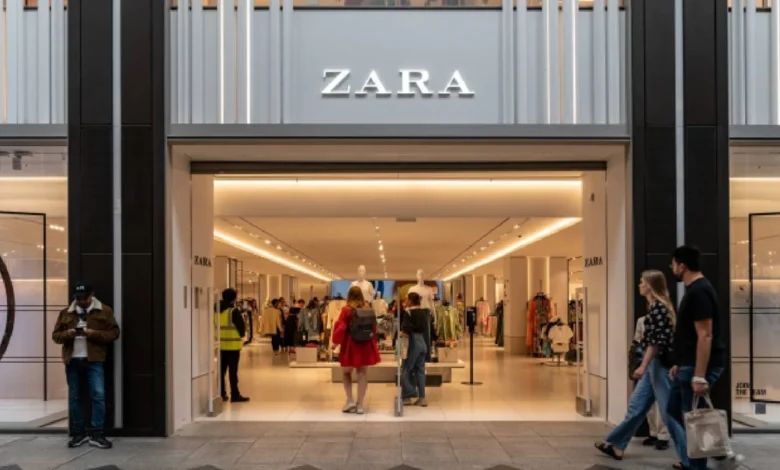
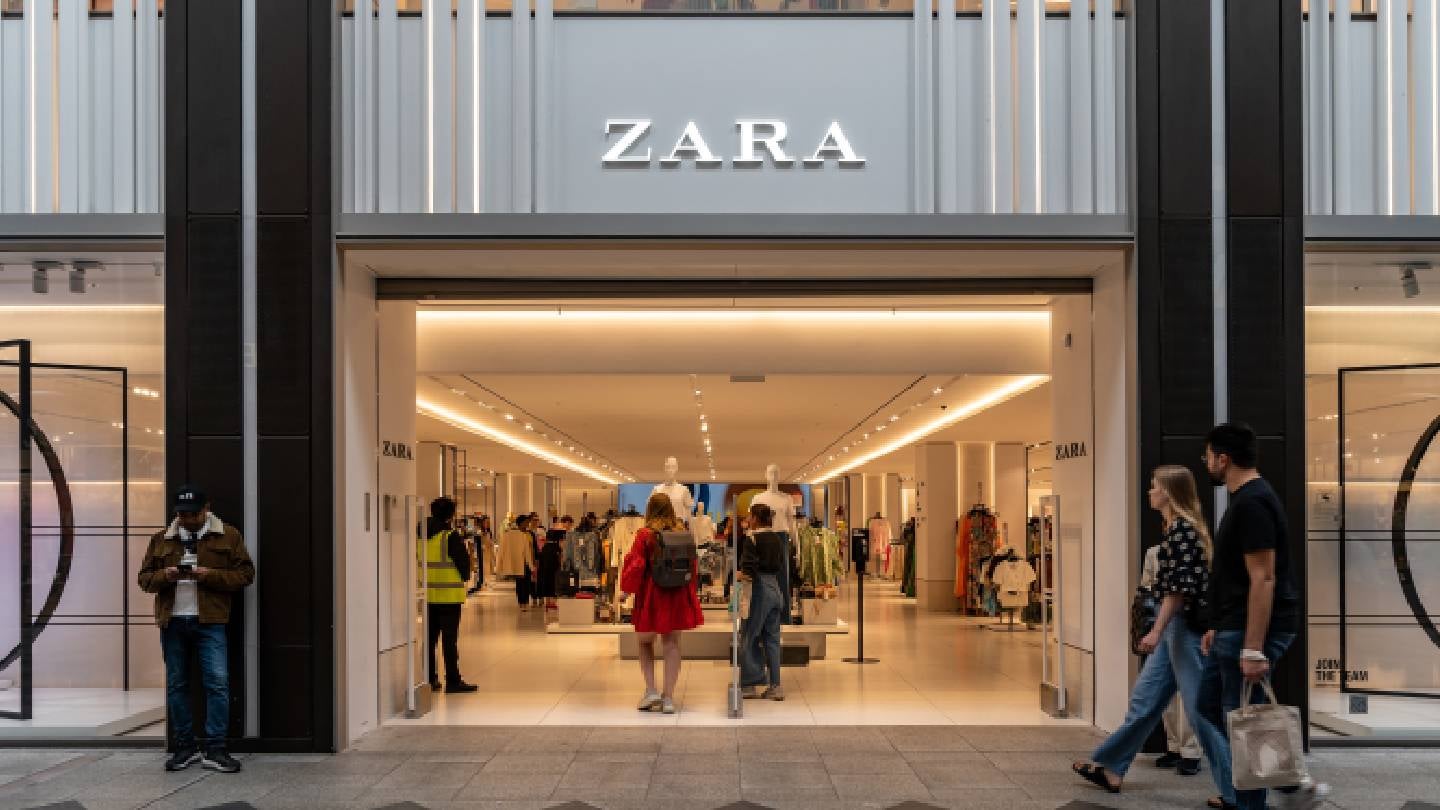
Inditex, the world’s largest fast-fashion retailer and the parent company of prominent global brands such as Zara, Massimo Dutti, Pull&Bear, Bershka, Stradivarius, and Oysho, has released its financial results for the first half of the fiscal year, showcasing robust revenue growth and record net income despite a challenging macroeconomic climate marked by persistent inflation, currency volatility, and evolving consumer habits. The Arteixo, Spain-headquartered retail giant continues to outperform many of its direct competitors through a highly integrated business model that emphasizes agility, localized sourcing, and a seamless fusion of physical retail and digital commerce.
The financial figures released by the Spanish multinational indicate that top-line growth remains resilient across both mature European markets and expanding international territories. As global apparel brands navigate fluctuating consumer demand and rising operational expenditures, Inditex’s ability to maintain high inventory turnover and protect its profit margins has cemented its position as a dominant force in the global fashion industry. The latest half-year performance reflects not only strong underlying consumer demand for the company’s distinct portfolio of brands but also the strategic execution of its long-term business model, which centers on rapid responsiveness to emerging fashion trends and stringent cost discipline.
Financial Performance and Key Metrics
During the first half of the fiscal year, Inditex posted a notable increase in total sales, driven by strong performance in both store and online channels. Gross profit expanded in tandem with revenue, reflecting the company’s ability to pass on rising costs selectively without alienating its core customer base. Operating expenses were kept under tight control, allowing the group to report a substantial double-digit increase in net income compared to the corresponding period in the previous year.
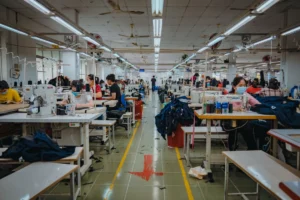
A critical driver of this financial success is Inditex’s unique proximity-sourcing model. Unlike many competitors that rely heavily on long-lead-time production cycles in distant Asian manufacturing hubs, Inditex manufactures a significant portion of its garments in proximity markets—such as Spain, Portugal, Turkey, and Morocco. This geographical concentration allows the company to adjust its production volumes dynamically in response to real-time sales data collected from its global store network and e-commerce platforms. Consequently, markdown rates—discounts applied to unsold inventory—remain lower than the industry average, directly bolstering gross margins and overall profitability.
Furthermore, the company’s digital transformation strategy has continued to yield dividends. Online sales have maintained an upward trajectory, reinforcing the omnichannel approach that integrates physical storefronts with digital inventory pools. Customers can check store availability, initiate returns in-store, and utilize click-and-collect services, thereby reducing the logistical friction and high reverse-logistics costs that typically plague pure-play e-commerce operators.
Chronology and Strategic Milestones Leading Up to the Results
The path to these record financial results has been shaped by a series of deliberate strategic pivots and investments made over the past several years. Following the unprecedented disruptions caused by the COVID-19 pandemic in 2020 and 2021, Inditex accelerated its transition toward a leaner, more technologically advanced retail framework.
In late 2021 and early 2022, the company’s leadership, spearheaded by Executive Chair Marta Ortega Pérez and CEO Óscar García Maceiras, doubled down on investments in Radio Frequency Identification (RFID) technology across all store networks. This deployment allowed for absolute inventory visibility, bridging the gap between online stock and physical store shelves.
By the close of 2022, Inditex faced a major geopolitical test with the suspension of its commercial operations in Russia—historically its second-largest market by store count—following the outbreak of the Russia-Ukraine war and subsequent international sanctions. The company successfully absorbed the financial shock of divesting its Russian business by reallocating inventory to other high-growth markets, particularly the United States and key European territories, while optimizing its existing store footprint through the closure of smaller, less profitable outlets in favor of larger, flagship experiential stores.
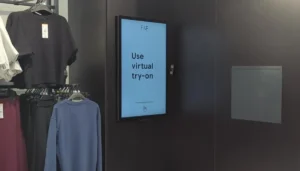
Throughout 2023 and into 2024, Inditex focused on selective store expansion and renovation. The company introduced upgraded store concepts featuring automated checkout systems, dedicated spaces for online order collection, and enhanced visual merchandising. Concurrently, sustainability initiatives took center stage, with the retailer committing to sourcing 100% more sustainable or recycled cotton, polyester, and cellulosic fibers ahead of its original regulatory deadlines. These phased strategic maneuvers established a resilient foundation, directly enabling the strong performance reported in the latest half-year financial statement.
Market Context and Comparative Analysis
Inditex’s strong half-year performance stands in stark contrast to the struggles faced by several of its traditional retail rivals. While mid-tier department stores and legacy high-street brands have suffered from margin compression due to discounting and sluggish demand, Inditex and its primary rival, Swedish fast-fashion pioneer H&M, have pursued diverging paths.
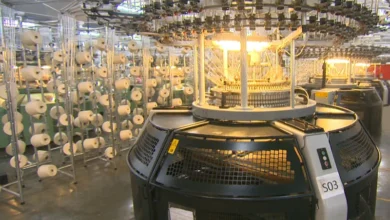
While H&M has faced persistent inventory overhangs and slower digital transitions, Inditex has maintained an enviable inventory position. Industry analysts attribute this divergence to Inditex’s shorter production cycles. While standard industry lead times can range from three to six months, Inditex can design, manufacture, and distribute a new garment to stores worldwide in as little as two to four weeks. This hyper-responsive supply chain shields the company from sudden shifts in consumer sentiment or unpredictable weather patterns that frequently disrupt seasonal apparel sales.
Moreover, the macroeconomic landscape during this reporting period has been characterized by persistent inflationary pressures impacting household disposable incomes across North America and Europe. Despite consumers cutting back on discretionary spending, Inditex has successfully positioned its brands across a broad market spectrum—from the accessible pricing of Pull&Bear and Bershka to the elevated contemporary positioning of Zara and Massimo Dutti. This diversification allows the group to capture value-conscious shoppers trading down from luxury goods, as well as mainstream consumers seeking trendy apparel at competitive price points.
Official Responses and Management Commentary
In the official earnings communication, Inditex executive leadership underscored the dedication of its global workforce and the strength of its integrated business model as the primary catalysts for the positive results.
CEO Óscar García Maceiras highlighted the company’s continued commitment to sustainable growth and operational excellence. Management emphasized that ongoing investments in logistics hubs, particularly the expansion of its central distribution facilities in Spain, will further enhance delivery speeds and operational efficiency in the coming fiscal quarters. The leadership team reiterated its focus on the optimization of the store network, noting that selective openings in prime retail corridors across key global cities continue to generate superior productivity metrics per square meter.
While acknowledging macroeconomic headwinds—including foreign exchange volatility and rising labor costs in several European manufacturing and retail markets—Inditex executives expressed confidence in the company’s financial fortitude. The group’s debt-free balance sheet and substantial cash reserves provide a significant competitive buffer, enabling continued capital expenditure without reliance on external credit markets.
Broader Industry Implications and Future Outlook
The financial trajectory of Inditex serves as a critical bellwether for the broader global apparel and retail sector. As sustainability regulations tighten globally—particularly within the European Union, where incoming directives aim to curb fast-fashion waste, mandate digital product passports, and crack down on greenwashing—retailers are under intense pressure to overhaul their operating models.
Inditex’s heavy investments in circularity, textile-to-textile recycling partnerships, and supply chain transparency position it favorably to navigate upcoming regulatory hurdles. For instance, the company’s collaboration with various recycling technology innovators aims to scale up the use of post-consumer textile waste in new garment production, addressing the environmental critiques historically leveled against the fast-fashion industry.
Looking ahead to the second half of the fiscal year, market observers will closely monitor Inditex’s performance during the crucial autumn-winter season and the year-end holiday shopping period. Key indicators of sustained growth will include the pace of online sales expansion in North America—a critical growth frontier for Zara—as well as the company’s ability to manage cost inflation without eroding its pricing power.
In conclusion, Inditex’s latest half-year financial results reaffirm the enduring viability of a vertically integrated, technology-driven retail model. By prioritizing proximity manufacturing, inventory agility, and a synchronized omnichannel customer experience, the Spanish retail titan has successfully navigated a complex global economic landscape, setting a high benchmark for operational resilience and profitability within the international apparel industry.