Vibrant English Countryside Wedding Editorial Showcases Bold Summer Aesthetics and Sustainable Floral Trends at Hopton Court

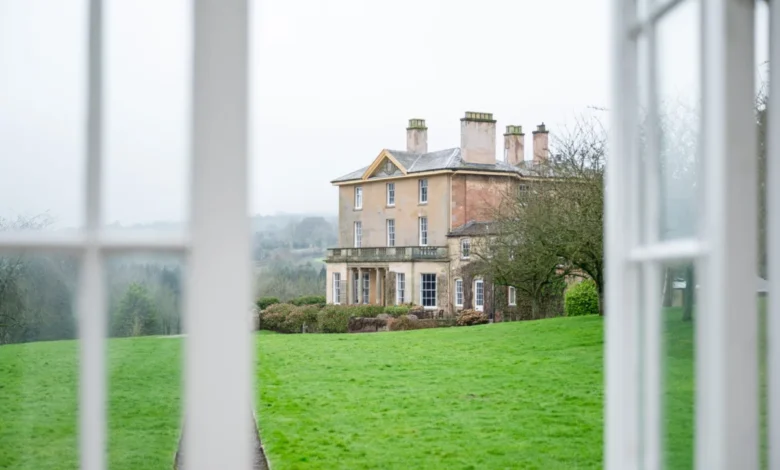
The wedding industry continues to witness a definitive shift away from muted palettes toward high-saturation color schemes, a trend exemplified by the recent release of a high-profile editorial shoot staged at Hopton Court in Shropshire. Spearheaded by creative director, photographer, and videographer Chloe Bolam, the project serves as a comprehensive visual guide for the modern summer wedding, blending traditional English countryside charm with a contemporary, citrus-inspired aesthetic. The editorial, set against the backdrop of a Victorian Orangery, highlights the intersection of luxury fashion, artisanal stationery, and sustainable floral practices, providing a blueprint for couples seeking a departure from the "all-white" wedding tradition.
The Architectural and Geographical Context of Hopton Court
Located in the heart of Shropshire, Hopton Court represents a significant example of 18th-century English architecture, set within an estate that spans several hundred acres of rolling hills, ancient woodland, and manicured parkland. The venue’s centerpiece for this editorial, the Victorian Orangery, provides a specific architectural advantage for summer celebrations. Originally designed to protect citrus trees and exotic plants during the winter months, these glass structures have become highly sought-after wedding spaces due to their ability to provide an outdoor atmosphere with the security of an indoor environment.

The choice of Shropshire as a location reflects a broader movement within the UK wedding market toward "destination-style" events within domestic borders. According to industry data, the West Midlands and surrounding rural counties have seen a 12% increase in wedding bookings over the last three years, as couples prioritize privacy, tranquility, and expansive outdoor spaces. Hopton Court’s proximity to the Clee Hills provides a natural topography that enhances the "luxury escape" narrative of the shoot.
Chronology of the Editorial Vision: From Moodboard to Reality
The development of this editorial followed a rigorous planning timeline, beginning with a conceptual moodboard designed by Chloe Bolam. The primary objective was to move beyond the pastel "boho" trends of the previous decade and embrace "Dopamine Decor"—a design philosophy centered around vibrant colors intended to evoke joy and energy.
The planning phase involved a multi-month collaboration between Bolam and a curated team of vendors. In the early stages, the color palette was established, focusing on sunshine yellows, warm orange hues, and deep pinks. This was followed by the selection of the 5th Avenue gown by Dando London, provided by Gatehouse Brides, chosen for its structural modernity and high-sparkle finish, which interacts dynamically with the natural light of a glasshouse.

The execution of the shoot occurred during the peak of the English summer, allowing the team to utilize the natural light of the "golden hour" within the Orangery. The timeline of the day included the construction of large-scale floral installations by Olive Owl Flowers, followed by the meticulous styling of the tablescapes by Little Cheshire Weddings. The final phase involved the integration of perishable elements, such as sliced citrus fruits and hand-painted candles, to ensure maximum freshness for the visual documentation.
Design Analysis: The Intersection of Fashion and Decor
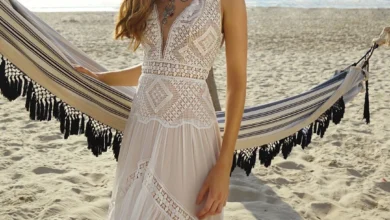
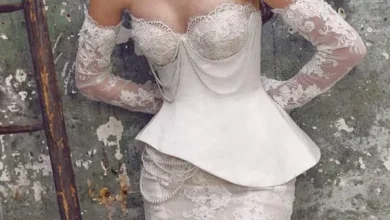
A critical component of the editorial is the Dando London 5th Avenue wedding dress. This garment features a gentle A-line silhouette, a modern square neckline, and a low back, embellished with intricate beaded lace. From a fashion journalism perspective, the gown represents a synthesis of classic bridal romanticism and contemporary clean lines. The full sparkle underlay is particularly effective in a glasshouse setting, where multidirectional light enhances the texture of the beadwork.
The floral strategy, executed by Olive Owl Flowers, centered on two freestanding column displays. These structures avoid the traditional reliance on heavy floral foam, moving instead toward more sustainable, reusable mechanics. The use of vibrant oranges and yellows in the floral arrangements served to anchor the color scheme, while a unique "floral crown" cake stand was designed to elevate the four-tier creation by Lesley Walter Cake Design.

Table aesthetics were further refined through the use of tactile materials. Little Cheshire Weddings utilized rattan placemats and scallop-edged plates to introduce a "tablescape layering" technique. This was complemented by pink glassware and gold cutlery, creating a high-contrast visual field. The inclusion of hand-painted candles by The Emerald Fox added a layer of artisanal detail that aligns with the growing demand for bespoke, non-mass-produced wedding elements.
Supporting Data: Trends in the UK Wedding Market (2024-2025)
The aesthetic choices made in the Hopton Court editorial are supported by emerging data regarding consumer behavior in the wedding sector. Recent surveys indicate that:
- Color Preference: 64% of couples planning weddings for 2025 expressed an interest in "bold" or "unexpected" color palettes, a significant increase from 41% in 2021.
- Sustainability: 70% of modern couples prioritize sustainability, specifically requesting that floral arrangements be repurposed throughout the wedding day to reduce waste.
- The "Citrus" Trend: Pinterest and Instagram have seen a 45% year-over-year increase in searches for "citrus wedding decor" and "fruit-based centerpieces."
- Venue Type: Glasshouses and orangeries have overtaken traditional ballrooms as the preferred "luxury" indoor venue type for summer months, valued for their natural lighting.
Professional Insights and Official Responses
Chloe Bolam, acting as the lead visionary, provided professional insight into the logistical and creative benefits of the "repurpose" philosophy. "One of my top tips to couples is to reuse their floral displays as much as possible," Bolam stated. "You can use them by your dining area, for couple photos, by your cake, inside or outside. There are so many options and it’s a beautiful way to add color and freshness to your wedding day, and make the most of your floral investment."

This sentiment was echoed by the stationery design team at Bolam Designs. The use of citrus-themed watercolor stationery by Jess Bolam Art was intended to provide a cohesive narrative from the moment a guest receives an invitation to the moment they find their seat. The team emphasized that adding fruit as decor is not merely an aesthetic choice but a sensory one. The scent of cut citrus—lemons, limes, and oranges—adds an olfactory dimension to the event that traditional floral arrangements alone may not achieve.
From the venue’s perspective, the management at Hopton Court noted that the Victorian Orangery continues to be the most requested space on the estate. The ability to host a ceremony and reception in a space that feels integrated with the surrounding Shropshire landscape, regardless of weather conditions, remains a primary selling point for the venue.
Broader Impact and Industry Implications
The Hopton Court editorial has broader implications for the wedding industry at large. It signals a move toward "experiential" design, where the environment is curated to influence the mood of the guests. The use of high-energy colors is a psychological pivot away from the more somber or "minimalist" tones that dominated the pandemic era.

Furthermore, the "DIY" element mentioned in the editorial—specifically the use of fruit as a cost-effective and biodegradable decor option—addresses the rising costs of wedding production. By demonstrating that high-end luxury can be achieved through the clever arrangement of natural elements and thoughtful color coordination, the editorial provides a scalable model for different budget levels.
The shift toward "Color Drenching" in weddings also mirrors trends in interior design and fashion, where maximalism is seeing a resurgence. As couples increasingly view their wedding day as a reflection of their personal brand and lifestyle, the demand for highly stylized, "Instagrammable" editorials like the one produced at Hopton Court is expected to grow.
In conclusion, the collaboration at Hopton Court stands as a testament to the creative vitality of the UK wedding industry. By combining the historical elegance of a Shropshire estate with a forward-thinking, vibrant design language, the team has successfully captured the evolving spirit of the modern summer celebration. The editorial serves as both an inspiration for couples and a benchmark for industry professionals seeking to push the boundaries of traditional event design. As the 2025 wedding season approaches, the influence of these bold, citrus-infused aesthetics is likely to be seen across ceremonies worldwide, marking a new chapter in the history of bridal style.