Vibrant Summer Wedding Inspiration at Hopton Court’s Victorian Orangery Showcases Modern Trends in English Countryside Celebrations

The English wedding industry has witnessed a significant shift toward high-chroma, experiential aesthetics, a trend vividly captured in a recent editorial production at the historic Hopton Court in Shropshire. Orchestrated by creative lead Chloe Bolam, who served as the planner, photographer, and videographer, the shoot serves as a comprehensive blueprint for the modern "citrus-core" summer wedding. By integrating bold palettes of sunshine yellow, warm orange, and vibrant pink with the architectural elegance of a 19th-century Victorian Orangery, the editorial provides a technical and aesthetic masterclass in contemporary celebration design.
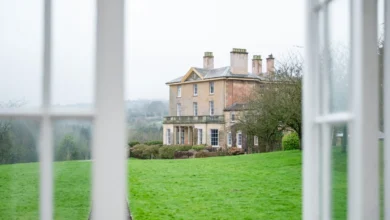
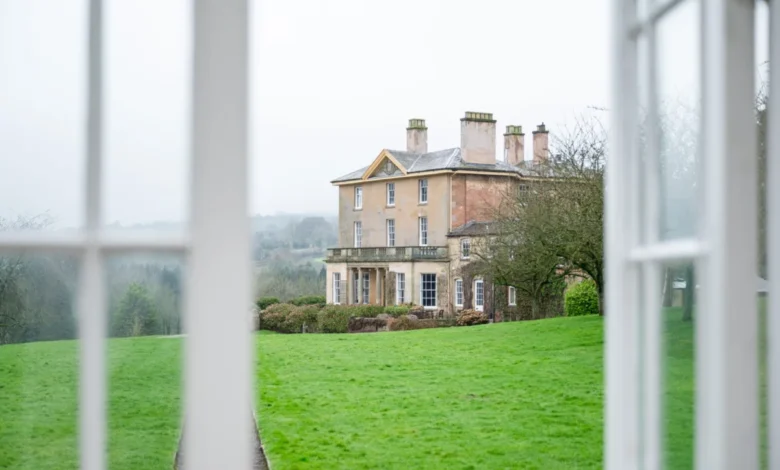
Located in the Cleobury Mortimer area of Shropshire, Hopton Court represents a quintessential example of the English country estate, yet this specific editorial sought to depart from traditional muted pastels. The production highlights the growing demand for "dopamine decor"—a design movement characterized by the use of bright colors and whimsical elements intended to evoke joy. This shift is reflective of a broader post-pandemic recovery in the UK wedding sector, valued at approximately £14.7 billion annually, where couples are increasingly prioritizing unique, personalized experiences over rigid tradition.

Architectural Backdrop and Venue Significance
The focal point of the editorial is the Victorian Orangery at Hopton Court. Historically, orangeries were symbols of prestige in 17th to 19th-century European residences, designed to protect citrus trees and exotic plants during the winter months. Today, these structures serve as premium wedding venues due to their unique "glasshouse" lighting conditions, which offer photographers a soft, diffused natural light ideal for high-fashion bridal portraiture.
Hopton Court’s estate, characterized by acres of rolling hills and ancient woodland, provides a secluded atmosphere that caters to the rising "destination-at-home" trend. According to industry data, Shropshire has become an increasingly popular destination for couples seeking a rural aesthetic without the logistical complexities of overseas travel. The venue’s ability to blend classic masonry with expansive glass allows for an indoor-outdoor flow that is essential for summer celebrations, mitigating the risks associated with the unpredictable English weather while maintaining a connection to the landscape.
The Evolution of Floral Design and Sustainable Practices
The floral installations, executed by Olive Owl Flowers, mark a departure from the tightly clustered bouquets of previous decades. The editorial featured two freestanding floral columns, a design choice that is gaining traction for its versatility and architectural impact. These columns utilized a "living" aesthetic, appearing to grow naturally from the ground, and incorporated a variety of textures and heights to create depth in the glass-walled environment.

A key takeaway from the shoot, as emphasized by Chloe Bolam, is the strategic reuse of floral assets. In a professional context, floral arrangements often represent 10% to 15% of a total wedding budget. Bolam advocates for "repurposing" displays—moving ceremony columns to the reception dining area or placing them alongside the wedding cake. This practice is not only a cost-effective measure for couples but also aligns with the growing sustainability movement within the industry, which seeks to minimize waste by maximizing the utility of every bloom.
The color theory applied in the floral arrangements—mixing warm tones with lush greenery—was designed to complement the natural citrus fruits scattered across the tablescapes. This integration of organic, non-floral elements like lemons and oranges serves a dual purpose: it adds a tactile, aromatic dimension to the decor while providing a cost-effective way to fill space and add vibrant color.
Tablescaping and Artisanal Collaborations
The reception styling, provided by Little Cheshire Weddings, demonstrated a sophisticated "high-low" mix of textures. Rattan placemats provided a rustic, grounded base, which was contrasted by the refined elegance of scallop-edged plates and tinted pink glassware. Gold cutlery was utilized to pull the warm undertones from the citrus decor, creating a cohesive visual narrative.

The inclusion of hand-painted candles by The Emerald Fox added an artisanal layer to the table design. Industry analysts note that "micro-details"—such as custom-painted taper candles or bespoke stationery—have become the primary way couples differentiate their weddings in a saturated social media landscape. These candles featured intricate botanical motifs that echoed the watercolor stationery suite produced by Bolam Designs.
The stationery itself, designed by Jess Bolam Art, utilized a citrus-themed watercolor aesthetic. This choice reinforces the importance of a unified "brand" for the wedding day, where the invitation suite serves as a visual prologue to the event’s actual decor. The use of real fruit to accompany place cards is a trend that allows for a "DIY" element that remains luxurious, offering couples a way to involve natural elements in their seating arrangements.
Bridal Fashion and Contemporary Silhouettes
The editorial featured the "5th Avenue" wedding dress by Dando London, supplied by the Worcester-based boutique Gatehouse Brides. The gown is a representation of current bridal trends that favor a blend of traditional romance and modern clean lines. The silhouette—an elegant, gentle A-line—is paired with a modern square neckline, a feature that has seen a resurgence in popularity due to its flattering, architectural look.

Technical details of the gown include:
- Beaded Lace: Intricate lace overlays provide texture and catch the light within the glasshouse setting.
- Sparkle Underlay: A subtle layer of shimmer that ensures the dress remains dynamic under different lighting conditions.
- Low Back and Long Train: These features provide a sense of drama suitable for the grand proportions of the Hopton Court estate.
This choice of attire reflects a broader trend toward "transitional" bridal wear—dresses that feel at home both in a formal ceremony and a more relaxed, outdoor-oriented reception. The A-line silhouette, in particular, offers the mobility required for a summer wedding held on a sprawling estate.
Culinary Artistry and Event Chronology
The wedding cake, designed by Lesley Walter Cake Design, was presented on a unique floral crown stand, further integrating the confectionery into the botanical theme. Modern wedding cakes are increasingly viewed as sculptural centerpieces rather than mere desserts. The design featured clean white tiers, allowing the surrounding vibrant florals and citrus accents to provide the color, a technique that prevents the cake from clashing with the busy table decor.

The chronology of the editorial production followed a rigorous timeline, typical of high-end wedding planning:
- Concept and Moodboarding: Establishing the "Vibrant Summer" theme and selecting a color palette that would pop against the green Shropshire landscape.
- Vendor Curation: Selecting artisans whose styles aligned with the "citrus-core" aesthetic.
- Site Reconnaissance: Mapping the light patterns within the Victorian Orangery to optimize photography and videography.
- Execution: The physical setup of the floral columns and tablescapes, followed by the capture of the bridal editorial.
Industry Impact and Regional Outlook
This editorial serves as more than just visual inspiration; it acts as an economic indicator for the regional wedding industry in the West Midlands. By showcasing the capabilities of local vendors—from florists in Shropshire to bridal boutiques in Worcestershire—the shoot promotes the region as a hub for high-end event production.
The broader implications of such editorials are significant for the wedding market. They drive consumer behavior by moving the "window of the possible" away from safe, traditional choices toward more adventurous, color-heavy designs. As couples plan for the 2025 and 2026 seasons, the influence of "citrus-core" and "glasshouse" aesthetics is expected to grow, particularly as the desire for outdoor-adjacent celebrations remains high.

Furthermore, the emphasis on DIY-friendly elements, such as using fruit as decor, addresses the current economic climate. It demonstrates that a luxury aesthetic can be achieved through a combination of high-end professional services (like expert photography and floral design) and creative, accessible styling choices.
In conclusion, the shoot at Hopton Court’s Victorian Orangery stands as a testament to the creativity and resilience of the UK wedding industry. By blending historical architecture with avant-garde color palettes and sustainable practices, Chloe Bolam and her team have defined a clear vision for the future of summer celebrations—one that is joyful, vibrant, and deeply rooted in the beauty of the natural world.