Casa en Palmilla An Architectural Masterpiece Redefining Desert Living in Los Cabos


In the arid, sun-drenched landscape of Los Cabos, Mexico, where the rugged desert topography meets the deep azure of the Sea of Cortez, the primary challenge for any architect is the management of light and heat. For the Mexico City-based firm ESTUDIO Ignacio Urquiza Ana Paula de Alba, this environmental constraint was not merely a problem to be solved, but the foundational inspiration for Casa en Palmilla. By integrating shade into the very structural DNA of the residence, the firm has produced a 6,450-square-foot home that balances monumental form with an ethereal lightness, creating a sanctuary that thrives under the intense Baja California sun.
The Architectural Vision: Shade as a Structural Foundation
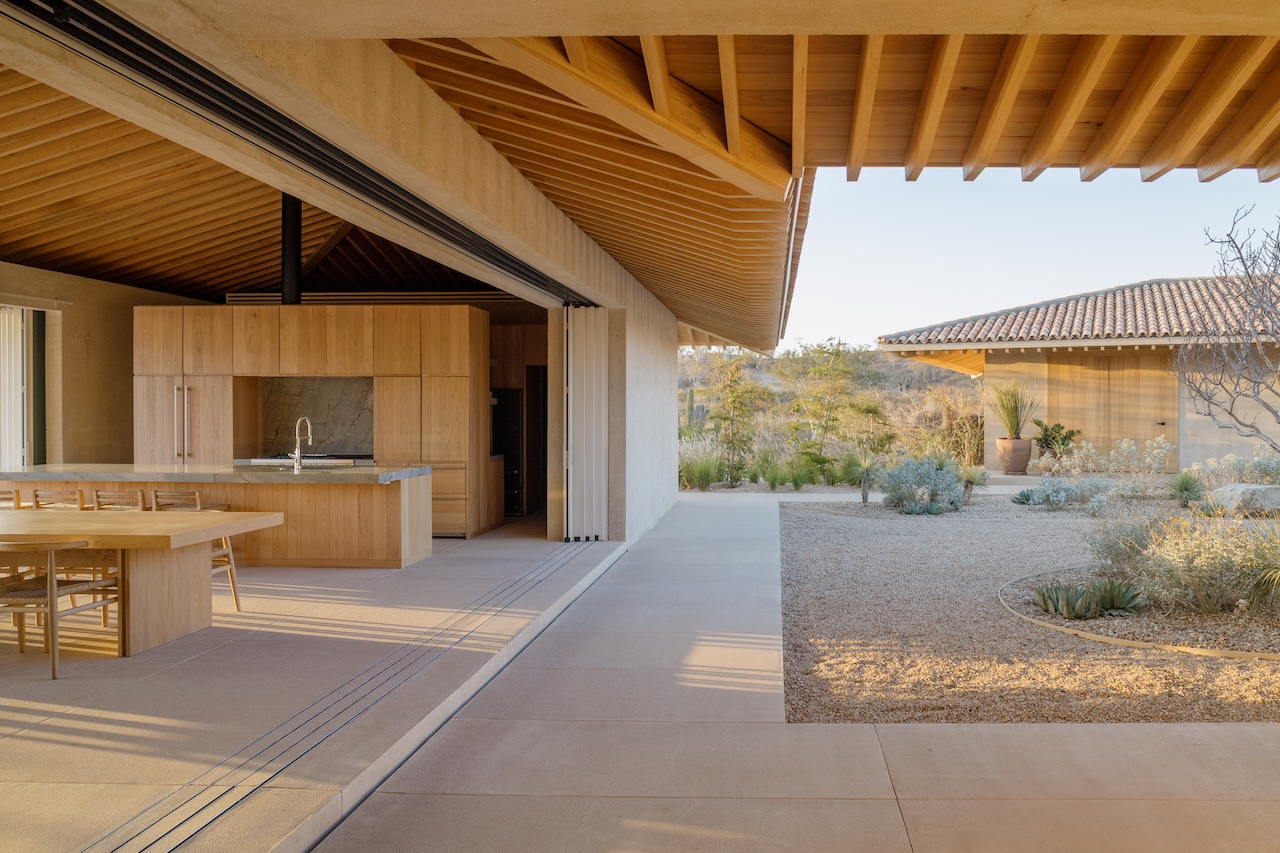
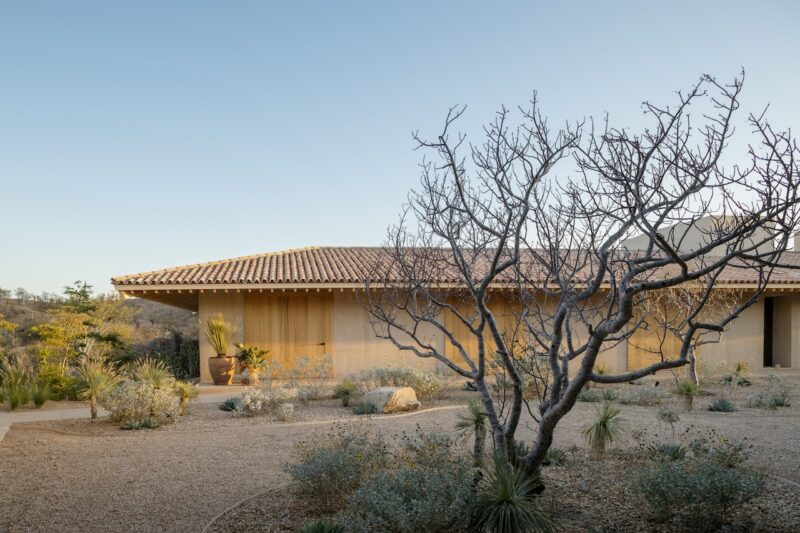
The defining characteristic of Casa en Palmilla is its pair of lightweight, L-shaped roofs. While traditional residential design often treats the roof as a cap or a finishing touch, Ignacio Urquiza and Ana Paula de Alba conceived these structures as the primary organizers of space. These roofs feature extraordinary seven-foot-deep overhangs, a deliberate design choice intended to cast generous, moving shadows throughout the day. These shadows do more than lower the temperature; they define the home’s perimeter and protect the interior walls from direct solar radiation, a necessity in a region where summer temperatures frequently exceed 90 degrees Fahrenheit (32 degrees Celsius).
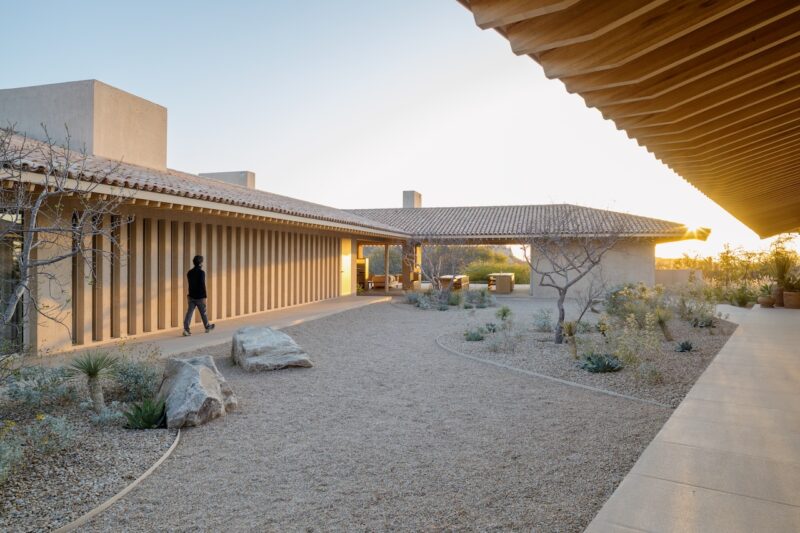
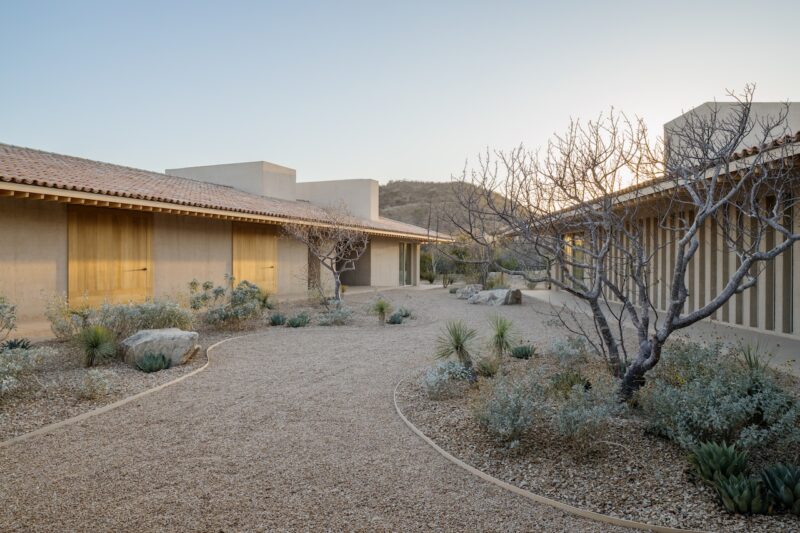
Beneath these expansive clay-tiled canopies, the home is divided into four distinct dwelling volumes. These volumes are arranged in a non-orthogonal configuration—a departure from the rigid right angles of traditional modernism. This intentional "misalignment" creates a trapezoidal central courtyard, a geometry that serves a dual purpose: it fosters a sense of organic discovery as one moves through the site and, more importantly, it facilitates high-efficiency cross-ventilation. By breaking the mass of the house into four separate units, the architects have ensured that every room has at least two exposures, allowing the prevailing sea breezes to naturally cool the interiors.
A Chronology of Space: The Four Functional Volumes
The layout of Casa en Palmilla is a study in functional zoning, ensuring that the "machinery" of the home remains separate from its tranquil living spaces. The architects organized the program into four distinct blocks, each serving a specific role in the daily life of the inhabitants.
The first volume is dedicated to service. This "back-of-house" area contains the parking facilities, mechanical rooms, laundry, and storage. Despite its utilitarian purpose, it is integrated seamlessly under the first L-shaped roof, maintaining the aesthetic continuity of the project.
Sharing this same roof structure is the second volume, which houses the guest quarters. To maintain a sense of openness and airiness, the architects designed the guest bathroom and dressing area as a freestanding wooden element. This "box within a box" is detached from the ceiling plane, allowing light and air to circulate over and around it. This design gesture reinforces the firm’s commitment to spatial continuity, ensuring that even private spaces feel connected to the broader architectural environment.
Beneath the second L-shaped roof lies the third and fourth volumes. The third volume is the private sanctuary of the owners, containing the primary bedroom, expansive walk-in closets, and a dedicated study area. This wing is positioned to offer maximum privacy while still maintaining a visual connection to the surrounding landscape.
The fourth volume serves as the heart of the home. This central social area encompasses the living room, dining room, and an open-concept kitchen. It is here that the architectural concept of "indoor-outdoor living" reaches its zenith. The social area features 40-foot-long glazed doors on both its longitudinal facades. When these massive glass walls are retracted, the living space is transformed into a covered outdoor terrace. This pavilion-like atmosphere connects the central trapezoidal courtyard on one side with a stunning infinity-edge swimming pool on the other, offering unobstructed views of the Sea of San José.
Materiality and Interior Sophistication
The interior of Casa en Palmilla is a masterclass in restrained luxury, characterized by a soothing neutral palette and high-quality natural materials. The overhead geometry of the L-shaped roofs is visible from within, where laminated oak ceiling beams create a rhythmic, bold pattern that draws the eye upward. These beams are not just structural; they provide a warmth that contrasts with the more industrial elements of the build.

The interior design and furnishings were handled by Alejandra Usobiaga, who worked in close collaboration with the architects to ensure the furniture complemented the home’s geometry. One of the most striking features of the social volume is a sculptural concrete fireplace tower. This massive, textured element serves as a functional room divider, delineating the living and dining areas without closing them off from one another. The kitchen millwork, also designed by Usobiaga, mirrors the clean lines of the architecture, utilizing wood and stone to create a space that is as much a piece of art as it is a culinary workspace.
Landscape Integration and Environmental Context
The landscaping of Casa en Palmilla, captured in the evocative photography of Ana Paula Álvarez, is designed to be low-maintenance and ecologically sensitive. The central courtyard is a gravel garden, populated with native desert plants and leafless trees that provide structural beauty without requiring excessive irrigation. This "dry garden" serves as a buffer, providing privacy for the various volumes while filtering the sunlight that enters the home.

The choice of a gravel garden also reflects the local climate of Los Cabos, which receives an average of only 10 inches of rain per year. By utilizing xeriscaping principles, the architects have ensured that the home remains in harmony with its desert environment. The garden is contoured to follow the natural slope of the land, providing a sense of groundedness and permanence.
Implications for Modern Mexican Architecture
The completion of Casa en Palmilla represents a significant contribution to the evolution of contemporary Mexican architecture. ESTUDIO Ignacio Urquiza Ana Paula de Alba has demonstrated that luxury and sustainability are not mutually exclusive. By prioritizing passive cooling techniques—such as deep overhangs, cross-ventilation, and thermal mass—the firm has reduced the home’s reliance on mechanical air conditioning, a critical consideration in the face of global climate change.

Furthermore, the project highlights a growing trend in high-end residential design: the move away from the "monolithic mansion" toward a more fragmented, village-like layout. By breaking the home into four volumes, the architects have created a living experience that is more intimate and responsive to the site’s specific topography and microclimate. This approach allows for a more nuanced relationship between the built environment and the natural world.
Factual Analysis and Regional Impact
The Palmilla area of Los Cabos is one of the most exclusive real estate markets in North America, known for its world-class golf courses and luxury resorts. Projects like Casa en Palmilla are raising the bar for architectural excellence in the region. According to local real estate data, there has been a 15% increase in demand for "architecturally significant" homes in Baja California Sur over the last three years, as buyers move away from cookie-cutter Mediterranean villas in favor of bespoke, modern designs that reflect the local culture and climate.

The work of ESTUDIO Ignacio Urquiza Ana Paula de Alba also reflects a broader shift in the Mexican design scene, where a new generation of architects is blending international modernism with vernacular traditions. The use of clay tiles—a staple of Mexican colonial architecture—reimagined as a sleek, L-shaped modernist roof is a prime example of this synthesis.
Conclusion: A Sanctuary of Light and Shadow
Casa en Palmilla is more than just a residence; it is a sophisticated response to the unique environmental conditions of the Baja Peninsula. Through the clever use of non-orthogonal geometry, innovative roof structures, and a deep respect for the surrounding landscape, Ignacio Urquiza and Ana Paula de Alba have created a home that is both a fortress against the heat and a celebration of the light.

As the sun sets over the Sea of San José, casting long shadows across the gravel garden and reflecting off the infinity pool, Casa en Palmilla stands as a testament to the power of thoughtful, climate-responsive design. It is a place where the boundaries between inside and outside dissolve, allowing the occupants to live in constant dialogue with the desert and the sea. For those seeking a masterclass in shaded modernism, Casa en Palmilla offers a serene and enduring blueprint for the future of desert living.