Navigating the Evolving Landscape of Ethical and Sustainable Activewear for Men


The burgeoning market for activewear, driven by a global shift towards health and wellness, is increasingly intersecting with the imperative for sustainability. As consumers become more discerning about the environmental and social impact of their purchases, the demand for activewear that "does good" for people, the planet, and animals has grown exponentially. This is particularly true for menswear, a segment that, while historically underserved in the ethical fashion movement, is now seeing significant innovation and growth. Platforms like Good On You, through their rigorous ratings system, are curating and highlighting brands that meet stringent ethical and sustainability criteria, empowering individuals to make informed choices.
The Evolving Landscape of Ethical Fashion for Men
For many years, the ethical fashion dialogue and product offerings were predominantly geared towards women and femme-presenting individuals. This trend was largely due to historical marketing demographics and the initial perceived consumer base for conscious fashion. However, societal attitudes are demonstrably shifting. There’s a growing recognition that sustainability is a universal concern, transcending gender binaries and demographic niches. Men, too, are increasingly seeking out brands that align with their values, from everyday essentials to highly specialized performance wear. This evolution has fostered a more inclusive ethical fashion landscape, though the availability of truly sustainable activewear options, especially for men, has faced particular challenges.
The slow but steady change reflects a broader cultural movement towards conscious consumerism. Men, like all consumers, are becoming more aware of the environmental footprint of their clothing, the labor practices behind production, and the ethical treatment of animals in the supply chain. This awareness is fueled by increased media coverage, documentaries, and accessible information from organizations dedicated to ethical consumption. Consequently, brands are responding by expanding their sustainable menswear lines, recognizing a significant and engaged market segment.
The Unique Sustainability Hurdles of Activewear
Activewear presents a unique set of complexities in the pursuit of sustainability, largely due to its functional requirements. Garments designed for strenuous activities—be it gym workouts, yoga, hiking, running, or swimming—often demand specific properties such as durability, stretch, moisture-wicking, quick-drying capabilities, and resistance to water and wind. Traditionally, these properties have been achieved through the heavy reliance on synthetic fibres and chemical treatments, which carry substantial environmental and social costs.
Chemical Contaminants: The production of conventional activewear frequently involves a cocktail of harmful chemicals. Dyes, often synthetic and petroleum-derived, can contain heavy metals and toxic substances that pollute waterways when discharged without proper treatment. Furthermore, treatments for water and stain resistance, such as per- and polyfluoroalkyl substances (PFAS), including the infamous PFCs, are known as "forever chemicals" due to their persistence in the environment and their documented links to various health issues in humans and animals. These chemicals can leach into soil, water, and air, accumulating in ecosystems and food chains.
Fossil Fuel-Based Synthetics: The overwhelming majority of conventional activewear is made from synthetic fibres like virgin polyester, nylon, and elastane (spandex). These materials are derived from fossil fuels, contributing to carbon emissions throughout their lifecycle, from extraction and processing to manufacturing. A critical environmental concern associated with these materials is microplastic pollution. Every time synthetic activewear is washed, tiny plastic fibres shed and enter wastewater systems, eventually making their way into oceans, rivers, and even drinking water. These microplastics are ingested by marine life and can enter the human food chain, with long-term ecological and health implications still being researched. At the end of their life cycle, most synthetic garments are not easily recyclable and contribute to landfill waste, where they can take hundreds of years to decompose. The global activewear market, valued at over $400 billion, with a significant portion reliant on these materials, underscores the scale of this environmental challenge.
Innovations in Sustainable Activewear Materials
Despite these formidable challenges, a growing number of pioneering brands are demonstrating that high-performance activewear can indeed be produced with a conscience. These brands are actively seeking and implementing lower-impact materials and innovative production methods.
- Bamboo: Known for its rapid growth, minimal water requirements, and natural anti-bacterial properties, bamboo is an excellent choice for activewear. When processed into viscose or lyocell, it yields incredibly soft, breathable, and moisture-wicking fabrics. Brands often prioritize bamboo lyocell, which uses a closed-loop system where solvents are recycled, significantly reducing chemical waste.
- TENCEL™ (Lyocell and Modal): A branded cellulosic fibre from Lenzing AG, TENCEL™ is derived from sustainably sourced wood pulp, primarily eucalyptus or beech trees. Its production uses a closed-loop process that recovers and reuses nearly 100% of solvents and water, minimizing environmental impact. TENCEL™ fabrics are known for their exceptional softness, breathability, moisture management, and biodegradability, making them ideal for activewear.
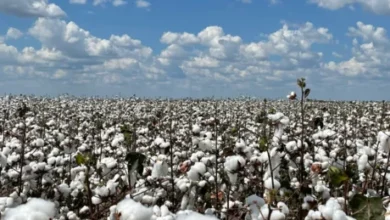
- Organic Cotton: While not typically associated with high-performance activewear due to its absorbency, organic cotton is gaining traction for lighter activities like yoga or casual gym wear. Certified organic cotton eliminates the use of synthetic pesticides, herbicides, and genetically modified seeds, drastically reducing water pollution and protecting soil health and biodiversity compared to conventional cotton.
- Ethically Sourced Merino Wool: Merino wool offers natural thermoregulation, moisture-wicking, odor resistance, and biodegradability. For activewear, its fine fibres provide comfort without bulk. Ethical sourcing is crucial, with certifications ensuring animal welfare (e.g., non-mulesed wool) and responsible land management practices.
- Recycled Polyester (rPET): A significant innovation, rPET transforms post-consumer plastic waste—like water bottles and fishing nets—into new fabric. This reduces the demand for virgin fossil fuels, diverts waste from landfills and oceans, and typically requires less energy than producing new polyester. While still a synthetic and prone to microplastic shedding, it represents a substantial improvement over virgin synthetics. Brands are also exploring solutions like innovative washing bags to capture microfibres.
The Good On You Rating System: A Beacon for Conscious Consumers
At the forefront of guiding consumers toward ethical choices is Good On You, an independent organization that provides comprehensive ratings of fashion and beauty brands. Their rigorous ratings system assesses a brand’s impact across three key areas: Planet, People, and Animals. This holistic approach ensures that brands aren’t just greenwashing but are making genuine strides in sustainability.
- Planet: Evaluates a brand’s environmental policies, use of sustainable materials, water management, waste reduction, chemical management, and carbon emissions.
- People: Examines labor conditions, fair wages, supply chain transparency, and worker empowerment throughout the brand’s operations and its suppliers. This includes adherence to international labor standards and certifications like Fair Trade or WRAP.
- Animals: Assesses a brand’s animal welfare policies, including the use of animal-derived materials, and whether they adhere to ethical sourcing guidelines (e.g., non-mulesed wool, down certified by Responsible Down Standard).
Good On You’s methodology involves analyzing publicly available information, certifications, and independent reports, with expert editors curating brands that meet high standards. Their transparent rating system, from "We Avoid" to "Great," allows consumers to quickly understand a brand’s performance and supports their editorial mission through affiliate links, enabling them to continue their vital work.
Spotlight on Leading Brands in Ethical Men’s Activewear
Here, we highlight some of the brands leading the charge in offering more ethical and sustainable activewear for men, each demonstrating a unique commitment to responsible practices:
Outerknown: Founded by surf champion Kelly Slater, Outerknown embodies a philosophy that blends high-performance style with deep respect for natural resources. The brand’s commitment to sustainability is underscored by its Bluesign certification, which signifies strict adherence to environmental standards in textile production, minimizing harmful substances from the beginning of the manufacturing process. Outerknown has also partnered with the Fair Labour Association, ensuring fair working conditions and ethical treatment for workers across its supply chain. Their range, available in sizes XS-2XL, often features materials like organic cotton, hemp, and recycled polyester, reflecting their dedication to lower-impact fabrics suitable for an active lifestyle.
Colorful Standard: This Danish brand champions timelessness and durability over fleeting trends. Colorful Standard specializes in organic fashion essentials, designing products that are meant to last, thereby combating the cycle of over-consumption. Their focus on high-quality, long-lasting garments made from organic cotton means fewer resources are consumed in constant replacement. By eschewing seasonal collections, they promote a more sustainable approach to fashion, encouraging consumers to invest in versatile pieces that transcend trends. Most items are available in sizes XS-2XL, offering foundational pieces for any active wardrobe.
tentree: Hailing from Canada, tentree integrates environmental regeneration directly into its business model: for every item purchased, ten trees are planted. This initiative has led to the planting of over 65 million trees, contributing significantly to ecosystem restoration and providing planting jobs in communities worldwide. Their "Earth-first" approach extends to their product creation, ensuring fair and safe working conditions and utilizing lower-impact and recycled materials such as organic cotton, recycled polyester, and TENCEL™. tentree’s commitment makes them a prime choice for consumers who want their purchases to have a tangible, positive environmental impact. Their clothing is typically available from XS-XL.
Patagonia: A true pioneer in outdoor and activewear, Patagonia is renowned for its unwavering commitment to environmental activism and sustainable practices. The brand designs durable clothing for a wide range of outdoor pursuits, from trail running to skiing. Patagonia boasts "Good" labour practices, actively working to ensure fair wages and safe conditions throughout its supply chain. A cornerstone of their material strategy is the extensive use of recycled polyester, diverting plastic waste from landfills and reducing reliance on virgin materials. They have also made substantial commitments to reducing energy use and greenhouse gas emissions across their operations. Patagonia’s innovative Worn Wear program further promotes circularity by encouraging customers to repair, reuse, and recycle their garments. The brand stocks a comprehensive size range from 2XS-3XL.
Tripulse: This Swedish activewear brand is driven by a mission to create high-performance activewear that simultaneously protects the planet and its inhabitants. Tripulse believes in the transformative power of fitness for physical and mental well-being, translating this ethos into products that enable active lifestyles without compromise. They emphasize materials like TENCEL™ and organic cotton, avoiding synthetics where possible to reduce environmental impact. Their commitment extends to ensuring ethical manufacturing processes, reflecting a holistic approach to sustainability that aligns with their empowering brand philosophy. Most items are available in an inclusive size range from XS-6XL.
BAM (Bamboo Clothing): A UK-based brand, BAM specializes in creating menswear and womenswear basics, including activewear, primarily from bamboo. Their products achieve a "Good" rating across people, planet, and animals, reflecting a comprehensive commitment to ethical production. BAM meticulously traces most of its supply chain, providing transparency to consumers about the origins and production journey of their garments. Furthermore, the brand offers a clothing recycling program to its customers, actively addressing the challenge of end-of-life textile waste and promoting a circular economy. Most items are available in sizes XS-L.
Threads 4 Thought: This brand stands out for its innovative use of TENCEL™ Modal, a fibre harvested from the limbs of beech trees. This material is produced using a highly sustainable closed-loop process where the trees are never cut down, and 95% of the production materials for the yarn are recovered and reused. Threads 4 Thought also ensures ethical manufacturing by partnering with facilities that are Fair Trade USA certified and Worldwide Responsible Accredited Production (WRAP) certified, guaranteeing fair wages, safe conditions, and responsible environmental practices for their workers. The brand offers a range from XS-XL, with extended sizing up to 3XL.
Loop Swim: Founded by two women with a global perspective, Loop Swim is headquartered in Shanghai and dedicated to closing the loop on waste through circular design. The brand ingeniously transforms post-consumer plastic bottles into high-performance REPREVE® UP50+ sun protective swimwear for all genders. REPREVE® is a leading brand of recycled performance fibre made from recycled materials, including plastic bottles. Loop Swim’s designs are timeless and high-quality, developed to retain shape and colour even after repeated exposure to sun and water, promoting longevity and reducing the need for frequent replacements. Most items are available in sizes XS-XL.
NIKIN: This Swiss brand offers consumers a unique way to express their commitment to the environment. For every NIKIN product purchased, a tree is planted, directly contributing to reforestation efforts. This direct impact initiative is a core part of their brand identity, allowing customers to wear their "tree pride." NIKIN focuses on combining sustainability with stylish, functional apparel, often using materials like organic cotton and recycled polyester in their collections. Their commitment to tangible environmental action resonates strongly with eco-conscious individuals. Products are available in sizes XS-2XL.
ISTO.: The Portuguese brand ISTO. operates on a simple yet profound mandate: to create timeless, high-quality clothes that serve as wardrobe staples year-round. Rejecting the fast fashion model of seasonal collections, ISTO. maintains a single, permanent collection, prioritizing quality over quantity. They champion organic materials and uphold radical transparency, openly disclosing the true cost of their garments, from materials to labor, empowering consumers with full information. This commitment to longevity, quality, and transparency makes ISTO. an exemplary brand for those seeking durable and ethically produced menswear. The range is available in XS-XL.
Boody: Founded in Australia, Boody centers its philosophy on comfort, style, and health. The brand specializes in creating comfortable, thoughtfully made everyday essentials from organically grown bamboo. Boody implements lower-waste cutting techniques to minimize fabric scrap and employs a closed-loop system in its supply chain, reflecting a comprehensive approach to reducing its environmental footprint. Their commitment to organic, sustainable materials and responsible manufacturing aligns perfectly with the green and ethical movement, offering soft, breathable, and naturally hypoallergenic options. The range is available in sizes XS-4XL.
The Broader Implications: Towards a Gender-Neutral and Circular Fashion Future
The emergence of ethical and sustainable activewear for men is more than just a market trend; it signifies a broader evolution in the fashion industry. The article’s emphasis on "degendering fashion"—the idea that clothes have no inherent gender—is a critical aspect of this shift. It champions inclusivity and personal expression, moving beyond binary marketing to allow individuals of all genders to choose clothing that best suits their needs and preferences. This principle encourages brands to design with versatility and functionality in mind, rather than conforming to outdated gender stereotypes.
Furthermore, the activewear sector, with its inherent demands for performance and durability, is uniquely positioned to drive innovation in sustainable materials and circular economy practices. The development of advanced recycled fabrics, bio-based synthetics, and increasingly efficient closed-loop production systems for materials like TENCEL™ demonstrates the industry’s potential to lead. As consumer awareness grows and regulatory pressures increase, we can expect to see further advancements in biodegradability, repairability, and end-of-life solutions for activewear.
The responsibility, however, does not solely rest with brands. Consumers play a vital role by making informed purchasing decisions, supporting brands that prioritize ethical and sustainable practices, and extending the lifespan of their garments through proper care, repair, and recycling. The collective power of conscious consumer choices can accelerate the transition to a fashion industry that truly prioritizes people, the planet, and animals, without sacrificing style, comfort, or performance.
In conclusion, while challenges persist in the journey toward a fully sustainable activewear industry, significant progress is being made. The brands highlighted here exemplify how innovation, ethical commitment, and a focus on lower-impact materials can create high-quality, performance-driven activewear for men. As platforms like Good On You continue to provide essential transparency, consumers are increasingly empowered to dress for their active lives in a way that aligns with their values, contributing to a more responsible and equitable fashion future.
Related posts: