The Great Disconnect: Why Lab-Grown Diamond Retail Prices Remain High Despite Wholesale Collapses

As the 2026 holiday shopping season approaches, consumers looking to purchase lab-grown diamond engagement rings are entering a retail environment characterized by a significant and persistent economic anomaly. While the wholesale sector has experienced a sustained and aggressive downward spiral in pricing, the retail market has largely failed to pass these savings on to the end consumer. According to data tracked by Edahn Golan Diamond Research and Data, wholesale lab-grown diamond prices plummeted 14 percent year-on-year in the first quarter of 2026, followed by an additional 13 percent decline in the second quarter. Despite these precipitous drops in the cost of goods for jewelers, retail mark-ups remain stubbornly elevated, often exceeding 80 percent above wholesale costs.
This market tension presents a unique challenge for holiday shoppers. Unlike natural diamonds, which operate within a traditionally supply-constrained market, lab-grown diamonds are governed by manufacturing capacity and technological scalability. The current pricing structure suggests that while the cost to produce these stones has decreased due to technological advancements and increased output, the retail sector is operating under a strategy of margin preservation rather than price competition.
A Chronology of Market Erosion
The decline in lab-grown diamond valuations is not a recent phenomenon but the result of an ongoing, years-long trend. Since July 2018, the industry has seen an extraordinary shift in the value proposition of synthetic stones. Edahn Golan’s index indicates that current prices are roughly 96 percent lower than they were eight years ago. This trajectory highlights a market transitioning from a high-margin luxury novelty to a commoditized industrial product.
The first half of 2026 served as a pivotal period for this contraction. In April, reports indicated that wholesale prices were in freefall, particularly for larger, high-quality stones that were previously the hallmark of the lab-grown category. By July, the second-quarter data confirmed that the trend was not a temporary fluctuation but a structural change in the industry. Independent analyst Paul Zimnisky noted in a May 2026 assessment that while wholesale indices have continued to tumble, retail mark-ups have barely shifted, moving by only 1 to 2 percent since the previous year. This discrepancy suggests that jewelers are absorbing the falling wholesale costs as pure profit rather than using them as a tool for aggressive retail discounting.
The Dynamics of Wholesale vs. Retail
The primary driver of this price discrepancy is the inventory management strategy currently employed by specialty jewelry retailers. A Tenoris analysis conducted in the spring of 2026 revealed that the inventory-to-sales ratio for lab-grown jewelry is hovering near 50 percent. This signifies that many retailers are holding significant amounts of stock purchased at higher wholesale prices during previous quarters.
Retailers are effectively caught in a trap of their own making: they cannot lower retail prices to match current market realities without devaluing the inventory they currently hold on their shelves. Consequently, the price paid at the register remains anchored to a previous, more expensive cycle. For the consumer, this means the "discount" reflected in wholesale reports is rarely mirrored in the ticket price of a ring. Instead of offering lower prices, retailers are shifting their tactics to provide more value for the same spend. Data suggests that while average transaction values remain stable, consumers are consistently opting for larger, better-graded stones than they would have been able to afford in previous years. The retailer’s 80 percent mark-up provides the necessary "cushion" to allow for these upgrades without eroding their margins.
Sector-Specific Declines and Quality Shifts
The collapse in pricing has not been uniform across all categories. The steepest depreciation has been observed in the three-carat range, particularly in round brilliant cuts. In Q1 2026, three-carat VVS D-color round stones saw a 28 percent decline year-on-year. This is a critical development because large, high-clarity stones were historically the primary catalyst for the growth of the lab-grown diamond market.
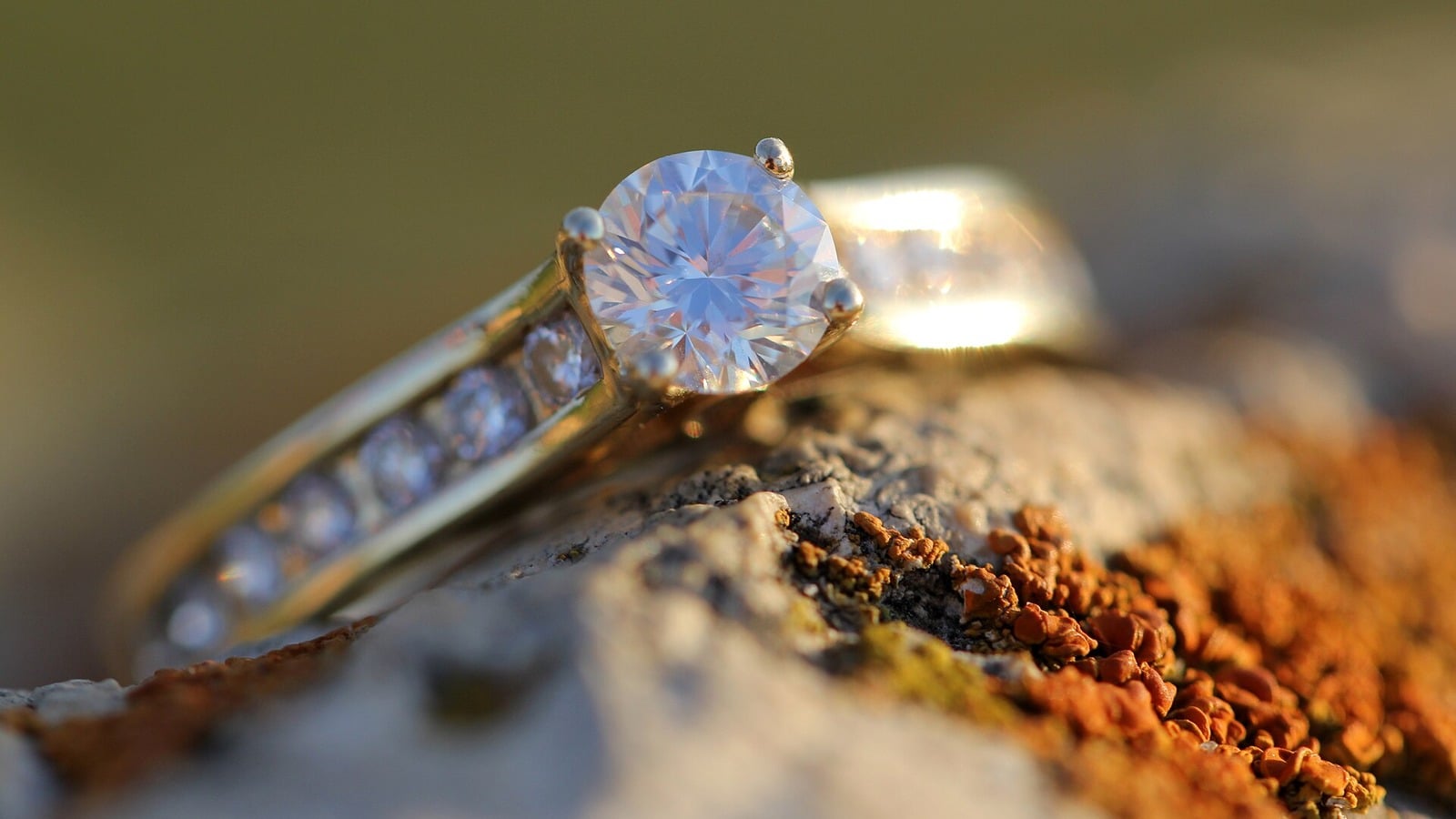
Furthermore, the very nature of the market has shifted regarding what is considered "sellable" inventory. SI-clarity diamonds, which were once staples of the entry-level diamond market, have been effectively dropped from major tracking indices. This is not due to a lack of supply, but a fundamental shift in consumer demand. Modern buyers are now exclusively focused on VS-clarity or higher, rendering the lower-quality end of the spectrum commercially irrelevant. This "flight to quality" has forced manufacturers to refine their output, further depressing the value of lower-grade inventory and accelerating the overall decline in the index.
The Challenge of Resale Value
One of the most sobering realities for consumers purchasing a lab-grown ring this holiday season is the absence of a secondary market. While natural diamonds have historically been marketed as investments—a claim that is itself frequently debated—lab-grown diamonds occupy a completely different economic category. Farshid Roshanravan, a dealer at the New York Diamond Dealers Club, has been blunt in his assessment: there is virtually no resale value for lab-grown diamonds.
For the buyer, this means that the purchase should be viewed strictly as a consumption expense rather than an asset acquisition. The price paid is for the aesthetic and sentimental value of the jewelry, not for its long-term financial utility. This is a significant distinction that shoppers must internalize before making high-value purchases.
Strategic Advice for Holiday Shoppers
Despite the lack of a resale market and the stubbornness of retail pricing, the industry remains robust. The objective for the informed shopper is not to avoid the market, but to navigate it with full awareness of the pricing mechanics at play.
To make an educated purchase this December, consider the following:
- Compare Specifications: Use the current wholesale trends as a benchmark. If a retailer’s price has not moved in 18 months, ask why the savings from the wholesale collapse are not being passed down.
- Prioritize Cut and Color: Since the market is prioritizing higher grades, look for VVS or better stones. These hold their comparative value better than lower-clarity stones, which are rapidly losing commercial relevance.
- Analyze the Markup: If the retail price seems excessive, compare it against the current wholesale index figures for fancy shapes, which have seen even more dramatic declines (upwards of 21 percent for some square shapes) compared to traditional rounds.
- Demand Transparency: Inquire about the origin and the certification of the stone. Since the industry is shifting toward higher-quality production, certification from a reputable lab is more important than ever to ensure you are receiving the grade you are paying for.
The Future of the Market
Looking ahead, the next quarterly reading from the industry indices will be critical. There is currently a curious tension in the supply chain: while polished wholesale prices are falling, the cost of "rough" lab-grown diamonds actually rose slightly in the second quarter of 2026. This suggests that producers are attempting to squeeze margins at the manufacturing level to compensate for the oversaturated wholesale market.
Whether these costs will eventually force a correction in retail prices or whether they will be absorbed by consumers remains to be seen. For now, the holiday shopper is advised to treat the lab-grown diamond market as a buyer’s market for quality, but a seller’s market for margin. By leveraging the data surrounding current wholesale trends, consumers can ensure they are not overpaying for the luxury of a lab-grown engagement ring, securing a high-quality piece that reflects current market realities rather than outdated pricing structures.