A Grand Celebration of Heritage and Modern Luxury The Wedding of Cristina and Jordan at Chicago’s Holy Name Cathedral


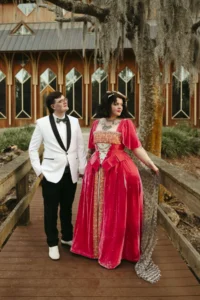
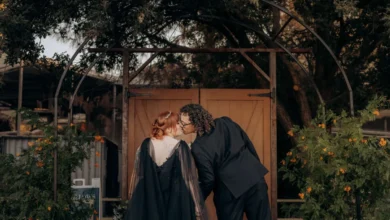
The city of Chicago recently served as the backdrop for a high-profile nuptial celebration that blended historic architectural grandeur with contemporary luxury design. Cristina and Jordan, whose relationship began six years ago in their shared hometown, formalised their union at the Holy Name Cathedral, a cornerstone of Chicago’s religious and cultural history. The event, which drew 300 guests from various metropolitan hubs across the United States, showcased a meticulous level of planning and a focus on bespoke elements, ranging from custom couture bridal wear to elaborate floral installations.
Chronology of the Union: From Martini Night to a Thursday Proposal
The relationship between Cristina and Jordan originated in a local restaurant during a "Martini Night" event. According to the couple, the initial introduction was facilitated by Jordan’s father, who encouraged his son to approach Cristina while she was dining with friends. This chance encounter led to a six-year courtship characterized by a shared commitment to family and community.

The transition toward marriage occurred just days before Valentine’s Day on a Thursday evening. Jordan orchestrated a private proposal in a decorated venue featuring a fireplace, a balloon arch, and a pathway of rose petals and candles. In a move designed to emphasize the importance of familial bonds, both sets of parents and extended family members were present for the event. This specific timing—a weekday evening—was chosen to ensure the element of surprise, deviating from the more predictable weekend proposal window.
Architectural Significance: The Holy Name Cathedral
The choice of Holy Name Cathedral for the ceremony provided a profound historical context to the proceedings. Located in the Near North Side of Chicago, the cathedral is the seat of the Archdiocese of Chicago and stands as one of the largest Catholic dioceses in the United States. Built in the Gothic Revival style and dedicated in 1875, the cathedral replaced the original structure destroyed in the Great Chicago Fire of 1871.
For the ceremony, the cathedral’s vaulted ceilings and intricate woodwork provided a dramatic setting for the bridal procession. The bride was escorted down the aisle by her father, a moment noted by attendees for its emotional resonance. The use of such a venue reflects a broader trend in high-end weddings where couples seek "anchor venues" that offer both scale and a sense of permanence and tradition.

Custom Bridal Couture: The Galia Lahav "Jules" Gown
A focal point of the wedding’s aesthetic was the bride’s choice of attire. Cristina wore the "Jules" gown from the couture collection of Galia Lahav, a designer known for avant-garde, high-fashion bridal wear. The dress featured a silhouette described as a blend of "sexy, classy, and dramatic," characterized by an open back, an extensive train, and delicate floral appliqués.
To enhance the exclusivity of the look, the bride collaborated with a design team to create removable custom sleeves. This modification allowed for a "second look" transition without the need for a full wardrobe change—a growing logistical trend in the luxury wedding market. Industry data suggests that the demand for modular bridal wear has increased by approximately 20% over the last three years, as brides seek to balance the formality of a religious ceremony with the mobility required for a reception. The bride reported that the final selection was made after trying on approximately 15 gowns, emphasizing a decisive approach to the selection process once the specific couture piece was identified.
Event Design and Floral Architecture
The coordination of the day was managed by Michigan Avenue Events, a firm specializing in high-capacity, luxury logistics. The design brief focused on creating "showstopping" visual moments that would serve as immediate conversation starters for the 300-person guest list.

One of the most significant design features was a custom floral installation provided by Northern Greenhouses. Upon entering the reception space, guests were greeted by a grand piano topped with a cascading arrangement of fresh flowers and candles. This installation served as a centerpiece for the cocktail hour and set the tone for the evening’s decor.
The use of a classic white Rolls Royce for transportation further aligned the event with traditional luxury standards. In the context of wedding logistics, the inclusion of vintage high-end automobiles serves not only as a functional transport method but also as a key component of the event’s visual storytelling and photographic documentation, captured in this instance by photographer Kaylea Moreno.
Logistics and Guest Management
Managing a guest list of 300 individuals, many of whom travelled from three different major U.S. cities, requires significant logistical oversight. The wedding serves as a case study for "domestic destination" weddings, where a central hub like Chicago is chosen for its accessibility and infrastructure.

According to wedding industry analysts, the average guest count for a luxury wedding in a Tier-1 city like Chicago typically ranges between 150 and 250. With 300 guests, the Cristina-Jordan wedding exceeded the standard scale, necessitating a venue capable of high-volume service without compromising the intimacy of the experience. The couple noted that the primary goal of the planning process was to facilitate a reunion of friends and family who had not been together in a single location for several years.
The Reception: Entertainment and Performance
The reception moved away from traditional formalities toward a high-energy celebration. A notable highlight was the bride’s participation in the evening’s entertainment. Breaking from the conventional role of the observer, Cristina joined the live band on stage for a performance. This shift toward "experiential entertainment," where the hosts take an active role in the programming, is increasingly common in contemporary celebrations.
Reflecting on the event, the bride indicated that the day’s success was attributed to the early involvement of a creative design team, which allowed for the realization of specific visions, such as the floral piano installation. The only logistical adjustment suggested in retrospect was a longer interval between the wedding day and the honeymoon departure, citing the physical demands of the celebration.

Market Implications and Trends
The wedding of Cristina and Jordan highlights several key trends currently shaping the multi-billion dollar wedding industry:
- The Rise of "Grandmillennial" Luxury: Blending the traditional (Holy Name Cathedral, Rolls Royce) with the modern (Galia Lahav couture, custom balloon arches).
- Visual Storytelling: A heavy emphasis on "Instagrammable" moments, such as the floral piano, designed specifically to be shared on social media platforms.
- The Experience Economy: A focus on the guest experience, ensuring that those flying in from across the country are met with high-impact visuals and unique entertainment.
- Personalized Couture: The move toward bespoke modifications (removable sleeves) to ensure a unique aesthetic that cannot be easily replicated by off-the-rack alternatives.
Conclusion
The union of Cristina and Jordan in Chicago stands as a testament to the enduring appeal of the "grand city wedding." By leveraging the historical significance of Holy Name Cathedral and the expertise of high-end planners and designers, the couple executed an event that was both a personal milestone and a significant production. The meticulous attention to detail—from the initial "Martini Night" meeting to the final performance on the reception stage—underscores the complexity and the artistry involved in modern luxury matrimonial celebrations. As the wedding industry continues to evolve, events of this scale and detail provide a blueprint for how personal narratives can be woven into the fabric of a city’s social and architectural landscape.
Related posts: