A Vibrant Summer Editorial at Hopton Court Showcases Bold Color Palettes and Victorian Elegance in the Shropshire Countryside

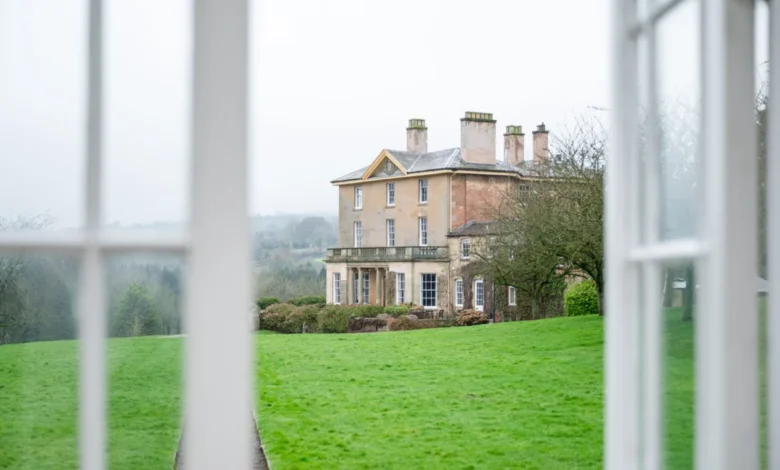
The English countryside has long served as a premier destination for nuptial celebrations, but a recent editorial production at Hopton Court in Shropshire has redefined the traditional aesthetic by merging Victorian architectural heritage with a bold, contemporary color palette. Orchestrated by creative lead Chloe Bolam, who served as the planner, photographer, and videographer, the shoot serves as a comprehensive case study in "maximalist" summer wedding design. By utilizing the estate’s historic Victorian Orangery as a glass-enclosed stage, the production team demonstrated how vibrant hues of pink, sunshine yellow, and warm orange can be synthesized with organic elements—specifically citrus and tropical fruits—to create a high-luxury atmosphere that remains accessible to modern couples.
The Architectural Significance of Hopton Court
Located in the heart of the Shropshire hills, Hopton Court represents a quintessential example of the English manor estate, characterized by its sprawling acreage, ancient woodland, and manicured fields. For the purposes of this editorial, the focus was centered on the Victorian Orangery, a structure that historically served as a symbol of prestige for landed gentry to cultivate exotic fruits during the winter months. Today, these glasshouses are increasingly sought after by couples for their "indoor-outdoor" versatility.

Architecturally, the Orangery offers a unique interplay of light and shadow, providing a natural studio environment that minimizes the need for artificial lighting while highlighting the intricate details of floral installations and table settings. Industry data suggests that demand for conservatory and orangery-style venues in the United Kingdom has risen by approximately 15% over the last three fiscal years, as couples seek "weather-proof" outdoor aesthetics in response to the unpredictable British climate.
Strategic Design and the "Citrus and Sunshine" Narrative
The editorial was built upon a meticulously curated moodboard designed to evoke the sensory experience of a luxury Mediterranean summer within a British context. The primary color scheme—composed of zesty oranges, fuchsia pinks, and canary yellows—marks a significant departure from the muted "boho-beige" and pastel palettes that have dominated the wedding industry for the past decade.
According to color psychology in event design, the combination of warm citrus tones is intended to stimulate social interaction and evoke feelings of joy and vitality. The production team utilized these psychological triggers by scattering real citrus fruits across the dining surfaces. This "edible decor" trend is gaining traction in the 2024-2025 wedding seasons, offering a sustainable and aromatic alternative to traditional plastic or synthetic table runners.

Chronology of the Production and Vendor Integration
The execution of the Hopton Court editorial followed a rigorous timeline, beginning with the conceptualization phase led by Chloe Bolam. The process involved coordinating a diverse collective of Shropshire and Cheshire-based wedding professionals to ensure a cohesive visual language.
- Conceptualization and Moodboarding: Bolam established the "Citrus and Sunshine" theme, selecting vendors whose portfolios aligned with high-saturation imagery and intricate craftsmanship.
- Site Survey and Logistics: The team conducted a technical walkthrough of the Orangery to map out light movement and acoustics, essential for the simultaneous capture of high-definition photography and videography.
- Floral and Set Construction: Olive Owl Flowers executed the installation of two freestanding floral columns. These structures were designed to be modular, allowing them to be moved from the ceremony site to the reception area—a logistical strategy emphasized by the team as a primary cost-saving recommendation for couples.
- Styling and Capture: The bridal styling, featuring the "5th Avenue" gown by Dando London, was integrated into the floral sets to test the visual contrast between the beaded lace textures and the organic bloom arrangements.
Technical Analysis of Bridal Fashion and Aesthetics
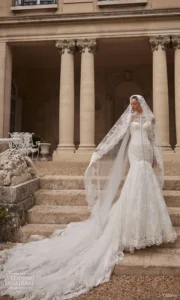
The fashion centerpiece of the shoot was the 5th Avenue wedding dress, a signature piece from the Dando London collection provided by Gatehouse Brides. From a design perspective, the gown utilizes a gentle A-line silhouette, which provides a balance between formal tradition and the mobility required for a summer outdoor event.
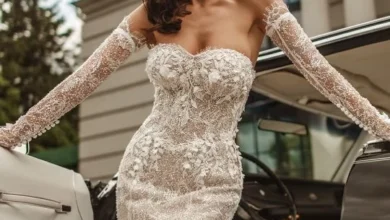
The garment’s modern square neckline serves as a structural counterpoint to the more romantic elements, such as the low-back profile and the extended train. The use of beaded lace and a "sparkle underlay" was a strategic choice for the Orangery setting; the glass walls of the venue allow natural sunlight to refract through the beadwork, creating a shimmer effect that is particularly effective for high-end videography. This focus on "light-catching fabrics" is a growing trend among luxury bridal designers catering to glasshouse and waterfront venues.

Innovation in Floristry and Table Scaping
The floral arrangements by Olive Owl Flowers prioritized height and volume without obstructing the natural views of the Shropshire countryside. The use of freestanding columns reflects a broader industry shift toward "sustainable floristry," where mechanics like chicken wire and reusable frames replace non-biodegradable floral foam.
In a statement regarding the floral strategy, Chloe Bolam emphasized the importance of investment longevity: "One of my top tips to couples is to reuse their floral displays as much as possible. You can use them by your dining area, for couple photos, by your cake, inside or outside. There are so many options and it’s a beautiful way to add colour and freshness to your wedding day, and make the most of your floral investment."
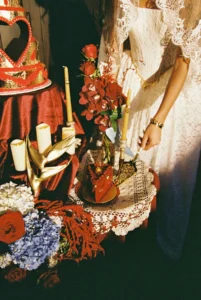
The table decor, curated by Little Cheshire Weddings, introduced tactile elements to the visual palette. Rattan placemats provided a rustic, organic texture that grounded the more delicate scallop-edged plates and pink glassware. This "layering" of textures—glass, wood, fabric, and fruit—is a hallmark of professional event design. Furthermore, the inclusion of hand-painted candles by The Emerald Fox added a bespoke, artisanal layer to the tablescape, reinforcing the DIY-inspired yet high-execution theme.

Stationery and the Role of Artisanal Branding
The branding of the event was established through the stationery provided by Jess Bolam Art of Bolam Designs. The suite featured citrus-themed watercolors that mirrored the physical fruits on the table. In a modern wedding context, stationery serves as the first "touchpoint" for guests, setting the expectations for the event’s tone and formality.
The use of fruit as a functional element extended to the place names, where individual citrus pieces were paired with calligraphed cards. This approach aligns with the "sensory wedding" movement, which seeks to engage guests’ senses of sight, smell, and touch simultaneously.
Market Analysis and Industry Implications
The Hopton Court editorial arrives at a time when the UK wedding market is seeing a resurgence in "color-centric" celebrations. Following the pandemic-era trend of micro-weddings and minimalist designs, 2024 data indicates that 62% of couples are now prioritizing "unique guest experiences" and "bold aesthetics" over traditional white-on-white themes.

Furthermore, the emphasis on "reusable" floral installations and "DIY-able" fruit decor speaks to a growing segment of the market: the "Conscious Maximalist." These are couples who desire a lavish, high-impact visual experience but are mindful of the environmental and financial costs. By demonstrating how nature’s bounty (fruit) can replace expensive, single-use decor items, the editorial provides a blueprint for high-style, lower-waste weddings.
The collaboration also highlights the economic importance of the regional wedding industry in Shropshire. By bringing together local artisans—from cake designers like Lesley Walter to stationery artists—the production underscores the "shop local" ethos that has become a cornerstone of the modern British wedding planning process.
Conclusion and Official Summary
The editorial at Hopton Court stands as a testament to the evolving nature of the English summer wedding. Through the lens of Chloe Bolam, the project successfully argued that tradition (the Victorian estate) and modernity (bold, citrus-infused maximalism) are not mutually exclusive. The production’s focus on light-filled spaces, reusable floral architecture, and tactile, organic decor provides a wealth of inspiration for the next generation of couples.

As the wedding industry continues to navigate a landscape defined by both a desire for luxury and a need for authenticity, shoots like this serve as vital research and development. They allow vendors to push the boundaries of their craft and provide couples with a tangible vision of how their own celebrations can "jump off the page" into reality. The Hopton Court shoot is more than a collection of images; it is a strategic demonstration of how color, light, and landscape can be harnessed to create a joyful, vibrant, and unforgettable summer celebration.