Navigating the Tides of Change: Sustainable Fashion in April 2026 Amidst Economic Headwinds and Industry Innovation.

The fashion industry in April 2026 finds itself at a critical juncture, wrestling with the paradox of relentless newness and the urgent call for sustainability. While the ceaseless churn of trends often overshadows genuine progress, it is imperative to acknowledge and champion the significant strides made by smaller, more sustainable brands committed to forging a better future for apparel and accessories. This month, despite an environment fraught with economic challenges and shifting priorities, several developments offer insights into the evolving landscape of ethical fashion, providing both context for current struggles and a beacon of hope for what lies ahead.
The Shifting Sands of Sustainable Fashion: 2026 and Beyond
The narrative surrounding sustainable fashion has been undeniably challenging in recent times. Barely a month passes without news of advocacy campaigns struggling or pioneering sustainable brands facing closure. The recent announcement by Fashion Revolution, a pivotal global movement advocating for greater transparency and ethics in the fashion supply chain, regarding the closure of its UK headquarters, sent ripples of concern throughout the industry. Similarly, the shuttering of Mila.Vert, a beloved and highly-rated sustainable brand, underscored the precarious financial environment even for those committed to best practices.
Both organizations cited significant funding shortfalls and escalating operational costs in their statements. These challenges are not isolated incidents but rather symptomatic of broader economic and geopolitical currents. Governments globally have shown a discernible trend of de-prioritizing ambitious climate goals, often reducing investment in renewable energy and sustainable transitions. Concurrently, ongoing geopolitical crises continue to exert upward pressure on commodity prices, impacting the cost of raw materials, international shipping, energy consumption, and export tariffs—all of which disproportionately affect smaller, ethically-minded manufacturers who often operate on tighter margins and prioritize fair labor. Consumers, too, are feeling the acute pinch of the rising cost of living, leading to a natural recalibration of spending priorities, sometimes at the expense of premium-priced sustainable alternatives.
This confluence of factors presents a formidable challenge, leading many within the sustainable fashion community to feel disheartened. The complexity of the issues means there is no singular "silver bullet" solution. However, a recent and timely report from the influential think tank Futerra offers a crucial long-term perspective. Their analysis, "Ride the Waves," posits that the progress of sustainability initiatives has historically moved in cycles, or "pendulums," swinging between periods of rapid advancement and temporary retraction since as far back as the 1960s. The report optimistically projects that the current slump in media coverage and public discourse around sustainable fashion is likely a downwave that will track back up again, with a suspected resurgence in early 2027. This historical context provides a much-needed reminder of resilience and the cyclical nature of societal and industrial change.
It is with this perspective—acknowledging the current headwinds while maintaining an eye on the persistent underlying momentum—that we delve into the latest developments in the sustainable fashion landscape this April 2026. Our aim is twofold: to provide hope by highlighting the enduring commitment of small businesses dedicated to ethical practices, and to empower consumers to discover brands and products that align with their values, thereby fostering a more conscious marketplace.
Historical Context: The Enduring Pursuit of Ethical Fashion
The concept of "sustainable fashion" is not a modern invention but rather the latest iteration of a long-standing movement towards ethical consumption. Tracing back to the 1960s, as highlighted by Futerra, early environmental movements began to question the industrial impact on the planet. This initial awakening gradually seeped into various sectors, including textiles and apparel, albeit slowly. The 1980s saw the emergence of "eco-friendly" labels, often focusing on organic cotton or natural dyes, driven by niche consumer groups. The 1990s and early 2000s witnessed a more organized push for "ethical fashion," largely spurred by exposés of sweatshop labor and inhumane working conditions in global supply chains. Organizations like the Clean Clothes Campaign brought worker rights to the forefront, shifting the discourse from purely environmental concerns to encompass social justice.
The mid-2010s marked a significant acceleration, particularly following events like the Rana Plaza factory collapse in 2013, which served as a stark, tragic reminder of the human cost of fast fashion. This tragedy galvanized movements like Fashion Revolution, which emerged in its wake, advocating for transparency and accountability. Concurrently, increased scientific understanding of climate change and biodiversity loss amplified the environmental imperative, broadening the definition of "ethical" to "sustainable," encompassing ecological footprint, resource depletion, and circularity.
Despite these waves of progress, the industry has consistently faced challenges: the dominance of fast fashion’s business model, consumer price sensitivity, complex global supply chains, and the pervasive issue of greenwashing. However, each downturn has historically been followed by renewed commitment and innovative solutions, suggesting that the current struggles, while significant, are part of a larger, ongoing evolutionary process. Consumer demand for transparency and sustainability, though sometimes impacted by economic pressures, has shown a consistent upward trend over the past decade, signaling an irreversible shift in values. A 2023 report by McKinsey & Company, for instance, indicated that over 60% of consumers globally consider sustainability an important factor in purchasing decisions, a figure that continues to grow, albeit with varying intensity across different demographics and economic segments.
Spotlight on Innovation: Five Sustainable Developments This April 2026
Amidst the broader industry challenges, a cohort of dedicated small and medium-sized enterprises continues to push the boundaries of innovation and ethical practice. Their efforts provide tangible examples of how a better industry can be built, one product and one process at a time. This April, we celebrate five such developments:
Triarchy’s (‘Great’) Western-Inspired Ranchero Denim Collection
Triarchy, a brand that has garnered a "Great" rating for its unwavering commitment to sustainability, particularly shines in the denim sector. Known for its pioneering work in plastic-free stretch denim—a significant achievement given the prevalence of synthetic elastane in most stretch jeans—the brand has unveiled its new, Western-inspired Ranchero collection. This line is a masterclass in combining aesthetic appeal with environmental responsibility.
The collection features denim crafted from 100% organic cotton, a choice that dramatically reduces the environmental impact compared to conventional cotton, which is notoriously water and pesticide-intensive. A standout feature is the cool plaid pattern, which Triarchy achieves through advanced laser technology rather than traditional chemical treatments. This innovative approach significantly cuts down on water usage, eliminates harmful chemical discharge, and reduces energy consumption associated with conventional dyeing and finishing processes. The Ranchero collection includes a versatile range of pieces: a stylish skirt, a classic denim jacket, and a selection of jeans, all adorned with intricate appliqué detailing. These pieces are not merely garments; they are statements, easily envisioned on fashion-forward figures like Kacey Musgraves, blending contemporary style with deep-rooted ethical principles. Triarchy’s commitment demonstrates that high-quality, fashion-forward denim can be produced without compromising on environmental stewardship.
Pangaia’s Rain-Fed European Linen in its Summer Line-Up
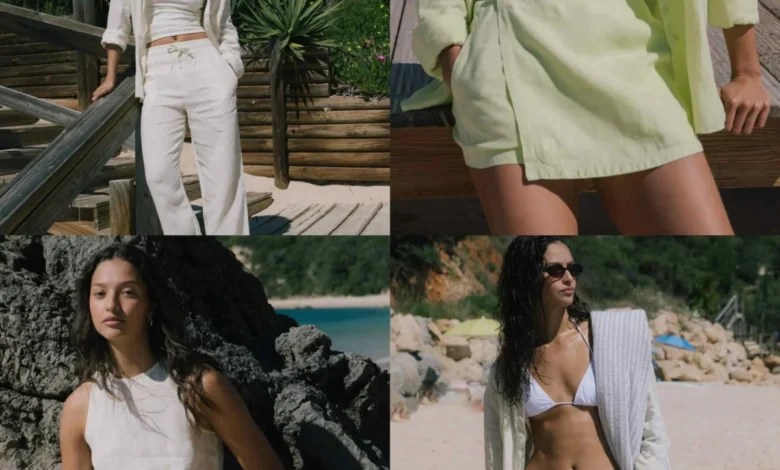
Pangaia, another "Great" rated brand celebrated for its materials science innovations, is making waves this summer with its new collection featuring rain-fed European linen. Linen has long been lauded as one of the most environmentally friendly natural fibers available. Derived from the flax plant, it boasts exceptional versatility, requiring minimal irrigation and thriving in less fertile soils, thereby reducing the need for intensive land management or chemical fertilizers. Beyond its ecological benefits, linen is also a powerhouse for the wearer: it is highly breathable, dries quickly, and naturally regulates body temperature, making it an ideal choice for warmer climates and seasonless wardrobes.
Pangaia’s decision to source its linen fibers from rain-fed European farms further amplifies its sustainability credentials. Rain-fed agriculture minimizes reliance on artificial irrigation systems, conserving precious freshwater resources. The European origin also often implies adherence to stringent environmental and labor standards, providing greater transparency and ethical assurance within the supply chain. The new collection of basics is designed with comfort and longevity in mind, featuring relaxed, comfortable shapes and minimal detailing. These garments are not trend-driven pieces but rather foundational building blocks, intended to be cherished and worn for many years, resisting the fleeting cycles of fast fashion and promoting a philosophy of conscious consumption.
Bario Neal Co-owner Page Neal Demystifies Jewellery Industry Greenwashing
In observance of Earth Day this April, Page Neal, co-owner and designer of the "Great" rated ethical jewellery brand Bario Neal, provided invaluable insights into the complex world of jewellery sustainability. Her recent interview serves as essential reading for anyone seeking to navigate the often-murky waters of greenwashing within the luxury sector. Neal meticulously explained how smaller, independently owned labels like Bario Neal often possess greater agility and a more direct line of sight into their supply chains, enabling them to implement genuinely ethical practices more effectively than larger, publicly traded corporations.
A significant portion of Neal’s discussion focused on demystifying common marketing claims. She delved into the debate surrounding lab-grown diamonds versus natural diamonds, providing a nuanced perspective on their respective ethical and environmental footprints. While lab-grown diamonds are often marketed as inherently "sustainable," Neal highlighted the energy intensity of their production and the importance of understanding the energy source. Similarly, she scrutinized the blanket claim that "recycled metal" automatically equates to ethical sourcing, emphasizing that the provenance and processing of recycled materials still matter. Her insights empower consumers to ask critical questions, look beyond superficial claims, and demand deeper transparency, thereby fostering a more informed and responsible approach to jewellery purchasing. Bario Neal’s commitment to transparent sourcing of recycled metals and ethically mined gemstones exemplifies the higher standards small brands can uphold.
Jiwya’s Plant-Based-Fibres Runway Collection
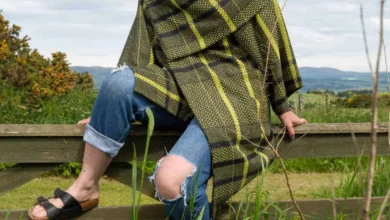
Jiwya, a "Great" rated brand that first captured the attention of Good On You’s editors after seeing Collective Fashion Justice founder Emma Håkansson don its woven jacket, continues to champion innovation in plant-based materials. In a significant move in March, Jiwya showcased its new collection at Paris Fashion Week, a powerful statement on the global stage for entirely plant-based clothing. This collection, now available on its website, represents a holistic approach to sustainability: it uses no synthetic dyes, threads, or fibers, and critically, no animal-derived materials.
The gender-neutral line is a testament to the beauty and versatility of natural resources. It features plant-based dyes, which eliminate the environmental impact of synthetic chemicals, and intricate hand-embroidered detailing, celebrating artisanal skill. Furthermore, all materials are hand-spun and hand-woven, processes that are often less energy-intensive than industrial manufacturing and support local craft communities. Jiwya’s dedication to these traditional techniques, combined with its forward-thinking material choices, results in garments that are not just environmentally friendly but also imbued with a unique story and exceptional durability. These are the kind of items designed for investment, to be worn and cherished for years, directly countering the disposability inherent in much of modern fashion.
The Handmade Dresses in Dilli Grey’s New Collection
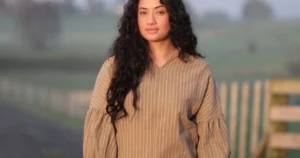
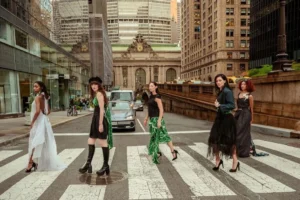
Dilli Grey, a brand known for its vibrant and ethically produced textiles, has launched a new collection of dresses that are a celebration of traditional craftsmanship and sustainable production. Each dress is beautifully patterned using time-honored block printing techniques, a meticulous process that requires skilled artisans and yields unique, artistic results. These garments are produced in small batches by artisans across Jaipur, Lucknow, and Delhi in India, regions renowned for their textile heritage. The brand’s commitment extends to visiting these artisan communities every season, fostering strong, direct relationships and ensuring fair labor practices.
Beyond their aesthetic appeal, Dilli Grey’s dresses serve as a powerful conversation starter about the importance of preserving craft traditions and upholding labor justice within the fashion industry. In an era dominated by mass production and digital prints, block printing represents a valuable cultural heritage and a more sustainable alternative. By supporting Dilli Grey, consumers are not only acquiring a beautiful, high-quality garment but also contributing to the economic well-being of artisan communities and helping to safeguard invaluable traditional skills from extinction. This model exemplifies slow fashion: valuing human skill, cultural heritage, and the creation of lasting beauty over transient trends.
Addressing Greenwashing and Empowering Informed Choices
The insights shared by Page Neal of Bario Neal underscore a persistent and insidious challenge within the broader sustainability movement: greenwashing. As consumer awareness of environmental and social issues grows, so too does the incentive for brands to market themselves as "sustainable," often without genuine commitment or transparency. This can range from vague claims about "eco-friendly" materials without substantiation, to misleading certifications, or selective disclosure of information. Greenwashing not only misleads consumers but also undermines the efforts of genuinely sustainable brands, eroding trust in the entire sector.
The complexity of global supply chains and manufacturing processes makes it difficult for average consumers to verify claims. This is where the role of independent assessment systems, such as the rigorous ratings provided by Good On You, becomes indispensable. By thoroughly evaluating brands’ impacts on people, the planet, and animals based on comprehensive data and criteria, these platforms empower consumers with actionable, fact-based information. Neal’s critical examination of topics like lab-grown diamonds and recycled metals highlights the need for a deeper understanding of the entire lifecycle and ethical considerations beyond simple buzzwords. Consumers are increasingly seeking tools to cut through the marketing noise and make purchasing decisions that truly align with their values, making transparent information and critical analysis more vital than ever.
The Future Landscape: Navigating 2027 and Beyond
The Futerra report’s prediction of an "upwave" in sustainable fashion discourse and progress by early 2027 offers a hopeful outlook, suggesting that the current challenges, while significant, are part of a cyclical pattern rather than a terminal decline. Several factors could contribute to this resurgence. Policy and regulatory frameworks are gradually tightening globally. The European Union, for example, continues to advance its Textile Strategy, which aims to make textiles more durable, repairable, and recyclable, and to address issues like microplastic pollution and waste. Extended Producer Responsibility (EPR) schemes, which hold brands accountable for the end-of-life of their products, are also gaining traction, pushing manufacturers towards more circular design and business models. These regulatory shifts, though slow, will inevitably create a more level playing field for sustainable brands and penalize unsustainable practices.
Furthermore, investment in sustainable solutions continues to attract a growing segment of impact investors who prioritize environmental and social returns alongside financial ones. As technologies for circularity, bio-based materials, and efficient production advance, the cost-effectiveness and scalability of sustainable alternatives will improve, making them more competitive. The power of small brands, as exemplified by Triarchy, Pangaia, Bario Neal, Jiwya, and Dilli Grey, lies not just in their individual innovations but also in their collective ability to demonstrate viable, ethical alternatives to the dominant fast fashion paradigm. Their dedication to transparency, craftsmanship, and environmental stewardship sets a benchmark for the industry and inspires a growing community of conscious consumers.
The sustainable fashion movement is undoubtedly in a period of intense pressure, with economic headwinds and geopolitical instability testing the resilience of even the most committed players. Yet, as the developments of April 2026 clearly illustrate, innovation, dedication, and a deep commitment to ethical practice continue to thrive within the industry. The struggles faced by advocacy groups and pioneering brands serve as a powerful reminder of the systemic changes still required, but the enduring spirit of creativity and responsibility from brands like those highlighted offers a compelling vision of what a truly sustainable fashion future can look like. By supporting these brands and demanding greater transparency, consumers remain a crucial force in shaping the industry’s trajectory towards a more equitable and environmentally sound future.
Editor’s note: Feature image via Dilli Grey, all other images via brands mentioned. Good On You publishes the world’s most comprehensive ratings of fashion and beauty brands’ impact on people, the planet and animals. Use the directory to search thousands of rated brands.