The Evolution of Antique Jewelry Curation and the Rise of the Modern Talismanic Collection

The landscape of antique jewelry collecting has undergone a significant transformation over the past decade, shifting from a niche hobby centered in local estate sales to a global, digitally-driven marketplace. At the forefront of this evolution is the practice of "selective collecting," a method of curation that prioritizes a cohesive aesthetic and personal symbolism over mere accumulation. This trend is exemplified by the work and collection of Cyndi, the curator behind the influential platform @TheFabNab, whose decade-long journey reflects broader shifts in the jewelry industry, specifically the rising popularity of "conversion jewelry" and the revitalization of Victorian and Art Deco motifs for the modern wearer.
The Foundation of Selective Curation and the Conversion Movement
The trajectory of modern jewelry collecting often begins with an exploration of materials before evolving into a sophisticated understanding of historical eras. For many contemporary collectors, the entry point involved the "bead craze" of the early 2000s, where semi-precious stones were utilized in DIY fashion. However, as the market for precious metals and authentic antiques matured, collectors transitioned toward more durable and historically significant pieces.

Approximately 12 to 13 years ago, a pivotal shift occurred in the market: the accessibility of antique stick pins. Historically, these pins were used by gentlemen to secure neckties, often featuring intricate Edwardian or Art Deco designs. Because they were considered "minor" accessories compared to large brooches or rings, they were frequently available at lower price points on platforms like eBay and in local antique shops.
This affordability birthed the "conversion jewelry" movement. Collectors recognized that these small, high-quality components—often crafted from 14k or 18k gold and featuring hand-cut diamonds—could be reimagined. By removing the pin stem and adding a gold shank or a bale, a stick pin could be transformed into a ring or a charm. This practice allowed collectors to build a high-end "neckmess" (a curated layering of necklaces) or a stack of unique rings on a limited budget. Today, this practice has become so popular that the supply of original antique stick pins has diminished, causing a sharp increase in market value for these once-overlooked items.
The Lucky Numbers and Talismans Collection: A Case Study in Reimagination
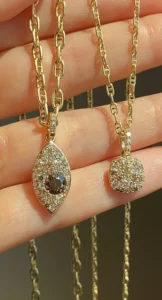
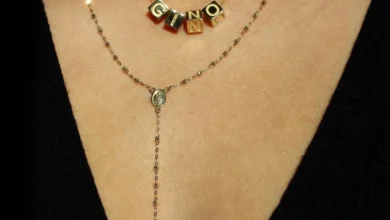
The evolution of collecting often leads to the creation of bespoke lines that bridge the gap between historical preservation and modern utility. The "Lucky Numbers + Talismans" collection serves as a primary example of this synthesis. By utilizing existing Edwardian and Art Deco components, curators are able to create capsule collections that resonate with contemporary interests in numerology and personal "juju" or energy.

Edwardian jewelry (1901–1910) is characterized by its "garland" style, featuring delicate lace-like filigree, platinum, and diamonds. Art Deco (1920–1935), conversely, emphasizes geometric precision and bold colors. By harvesting elements from these eras—such as specific numeric motifs or symbolic shapes—collectors create "new skins for old ceremonies." This approach satisfies the modern consumer’s desire for sustainability (reusing existing gold and stones) while maintaining the craftsmanship of a bygone era.
Symbolic Motifs: From Egyptian Revival to Celestial Navigation
A hallmark of a sophisticated collection is the presence of recurring motifs that suggest a deep historical interest. In the antique world, several specific themes continue to dominate the market:
Egyptian Revival and Serpent Imagery
The Egyptian Revival movement, particularly following the discovery of King Tutankhamun’s tomb in 1922, introduced a fascination with scarabs, sphinxes, and winged deities. These pieces often utilize "brushed buttery gold" and enamel to convey a sense of ancient power. Alongside these, snake imagery—popularized by Queen Victoria’s emerald-set snake engagement ring—remains a staple. In jewelry symbolism, the snake represents eternal love and wisdom, making it a perennial favorite for those seeking "edgy" vintage pieces.

Celestial and Genesis Lines
Celestial jewelry, featuring moons and stars, has seen a resurgence in both the antique and modern markets. The H. Stern Genesis line is frequently cited as a modern benchmark for this style, successfully recreating the look of antique stars. However, the "true antique star," typically featuring old mine cut diamonds set in silver-topped gold, remains the gold standard. These pieces utilize a technique where silver is layered over gold to prevent the silver from tarnishing against the skin or clothing while allowing the diamonds to be set in a white metal that enhances their brilliance—a common practice before the widespread use of platinum.
The Ruby Spike: A Symbol of Modern Strength
One of the most distinct trends in the contemporary vintage community is the "ruby spike." Originally derived from Victorian-era brooches, these elongated, pointed elements are often converted into pendants. Symbolically, the ruby has long been associated with strength, courage, and fidelity. By wearing a "spike," collectors signal a fusion of feminine elegance and "inner badass" toughness. As original Victorian spikes have become "rarer than hens’ teeth," many curators have begun recreating this style using Art Deco pins, ensuring that the "discerning collector" can still access this protective, talismanic aesthetic.
Chronology of Sourcing: From Local Shops to International Flea Markets
The path of a professional-grade collector typically follows a specific geographical and digital chronology.

- The Digital Early Phase: Platforms like eBay and Etsy served as the primary training grounds for collectors in the late 2000s, providing a crash course in identifying hallmarks and gemstone cuts.
- The Local Search: Antique malls and estate sales provided the tactile experience necessary to understand the weight and "feel" of authentic gold versus gold-fill.
- The International Expansion: For serious collectors, the Paris Flea Market (Marché aux Puces de Saint-Ouen) and London’s Portobello Road Market represent the pinnacle of sourcing. These locations offer access to European hallmarks and styles—such as French eagles’ heads for 18k gold—that are less common in North America.
- The Trade Show Circuit: Events such as the Miami Antique Show, the Las Vegas Antique Jewelry & Watch Show, and the Hillsborough Show in California serve as the ultimate networking hubs. It is here that the "jewelry gang"—a community of dealers and collectors—solidifies relationships that transcend digital interactions.
The Role of Community and Digital Networking
The growth of the antique jewelry market cannot be separated from the rise of Instagram. The platform has transformed jewelry from a static commodity into a storytelling medium. Through hashtags and daily "stacks," collectors have built a support system that functions as both a marketplace and a mentorship program.
Key figures in the industry, such as Ishy of @IshyAntiques or the late Lenore Dailey, have played crucial roles in "showing the ropes" to newer collectors. This community-centric model has led to a high level of transparency regarding pricing, restoration techniques, and the identification of fakes. The "unending support, love, and laughter" cited by members of this community indicates that while the jewelry is the catalyst, the human connection is the true value of the trade.
Broader Impact and Market Implications
The trend toward selective, talismanic collecting has several broader implications for the jewelry industry:

- Sustainability: The emphasis on antique and conversion jewelry promotes a circular economy. By repurposing old gold and diamonds, the industry reduces the demand for new mining, which often carries significant environmental and ethical costs.
- Empowerment through "Self-Gifting": There has been a notable shift in the psychology of jewelry acquisition. Historically, fine jewelry was something women waited to receive as gifts from men. The modern collector, however, views jewelry as a reward for personal victories or a "layer of love" to protect oneself. This "self-gifting" movement has significantly empowered female consumers and changed how brands market their products.
- The Valuation of Craftsmanship: As mass-produced, "fast fashion" jewelry becomes ubiquitous, the market for hand-crafted, historically significant pieces continues to rise. The "miniature details" of a diamond-encrusted pocket watch or the hand-carved facets of an old mine cut diamond are increasingly recognized as irreplaceable art forms.
In conclusion, the journey of a collector like Cyndi of @TheFabNab illustrates that jewelry is far more than "superficial glitter." It is a complex intersection of history, art, and personal identity. As the community continues to grow through trade shows and digital platforms, the focus remains on finding the "hidden gems"—both in the form of physical treasures and the human relationships that make the pursuit of the past so rewarding. For the modern collector, a piece of jewelry is not just an accessory; it is a daily talismanic reminder of strength, history, and the enduring power of the "inner goddess."
Related posts: