Karl Mayer Expands HKS 2-SE Machine Portfolio with New Gauge Variants and Wider Working Widths to Meet Growing Demand for Premium Stretch Warp Knits

Obertshausen, Germany – July 6, 2026 – Innovation in Textiles – Karl Mayer, a leading manufacturer of warp knitting machinery, has announced the expansion of its highly successful HKS 2-SE machine family with the introduction of new variants that extend the gauge range and offer an exceptionally wide working width. These advancements are poised to significantly enhance production capabilities for high-quality stretch warp knits, catering to the escalating global demand for fabrics that offer superior comfort, breathability, and aesthetic appeal across diverse applications, including apparel, sportswear, lingerie, and home textiles.
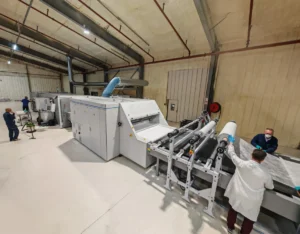
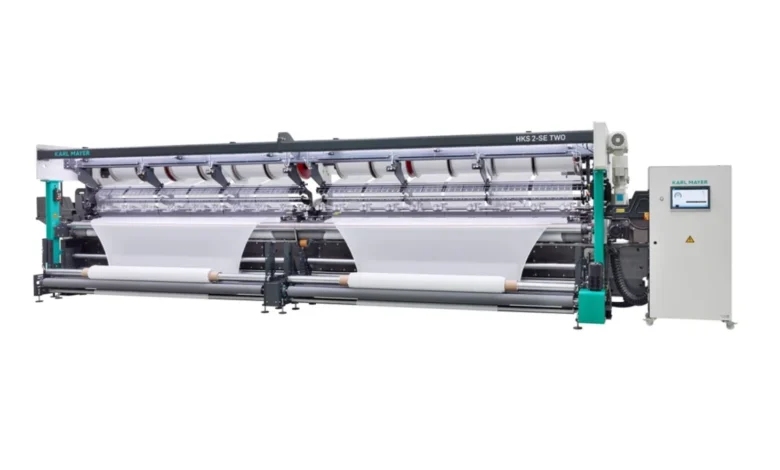
The new HKS 2-SE TWO machine is a significant development, building upon the established performance of its predecessor, the HKS 2-SE. This innovative two-bar tricot machine is engineered to set new benchmarks in production efficiency, reportedly doubling output compared to the existing HKS 2-SE models for the production of standard elastic fabrics. These fabrics are characterized by their high gauges, exceptionally smooth and delicate surface textures, and a luxuriously soft hand feel. The strategic introduction of these enhanced machines reflects Karl Mayer’s proactive response to market trends favoring textiles that provide enhanced freedom of movement, superior breathability, and a virtually wrinkle-free wearing experience, attributes highly sought after by modern consumers.
New Gauge Options Cater to Premium Fabric Production
The HKS 2-SE TWO is distinguished by its availability in two advanced gauge options: E 36 and E 40. This dual gauge capability allows manufacturers to produce exceptionally durable fabrics with extremely smooth textures, making them ideally suited for premium applications such as high-end polo shirts and sophisticated trousers. The finer gauges translate to a denser knit structure, which not only enhances the fabric’s durability and longevity but also contributes to its refined aesthetic and comfortable wear. This precision in knitting opens up new possibilities for designers and brands seeking to elevate their offerings with textiles that embody both performance and luxury.
The machine’s innovative design features a working width of 2 x 134 inches. This configuration is a "two-in-one" model, meaning it simultaneously produces two fabric panels of identically high quality. This parallel production capability significantly boosts overall output and streamlines the manufacturing process, allowing for greater economies of scale and faster turnaround times. For manufacturers investing in the HKS 2-SE TWO, this translates directly into increased productivity and a more competitive position in the market.
Expanded Width for Broader Application Spectrum
Complementing the new gauge options, Karl Mayer has also introduced a new iteration of the HKS 2-SE machine featuring an impressive working width of 312 inches. This substantially increased width, combined with a formidable working speed of 3,800 rpm, establishes new industry standards for productivity. The expanded width allows for the efficient production of wider fabric rolls, which is particularly advantageous for applications requiring large, seamless fabric panels.
This wider machine is strategically designed to broaden the application spectrum of stretch warp knits beyond traditional sportswear, swimwear, and lingerie. The enhanced productivity and fabric quality now make it an attractive proposition for the home textiles market. This includes applications such as high-quality bedding, upholstery fabrics, and decorative textiles where the combination of stretch, durability, and a smooth, refined finish is highly desirable. The ability to produce such a diverse range of products on a single, highly efficient platform underscores Karl Mayer’s commitment to providing versatile solutions that adapt to evolving market demands.

Market Context and Growing Demand for Stretch Warp Knits
The textile industry has witnessed a sustained and growing demand for stretch warp knits over the past decade. This trend is driven by several factors, including the increasing popularity of athleisure wear, where comfort and freedom of movement are paramount. Consumers are increasingly prioritizing garments that offer performance benefits without compromising on style. Furthermore, the advancements in yarn technology, including the development of sophisticated elastane fibers, have enabled the creation of fabrics with superior stretch, recovery, and durability.
Warp knitting, in general, offers distinct advantages over other fabric construction methods. It allows for precise control over stitch density, yarn tension, and fabric structure, enabling the creation of a wide range of fabric types with specific performance characteristics. For stretch warp knits, this means the ability to engineer fabrics that not only stretch but also retain their shape and provide excellent breathability, contributing to wearer comfort.
The "woven look" in warp knitted fabrics, as mentioned in the original announcement, is another significant trend. Traditionally, woven fabrics were the go-to for many applications requiring a certain drape and aesthetic. However, advancements in warp knitting technology, such as those embodied by the HKS 2-SE machines, now allow for the creation of warp knits that mimic the visual and textural qualities of woven materials while retaining the inherent benefits of stretch knits. This fusion of aesthetics and functionality is highly appealing to fashion designers and brands looking to innovate their product lines.
Historical Context and Karl Mayer’s Innovation Trajectory
Karl Mayer’s history is deeply intertwined with innovation in warp knitting technology. Founded in 1947, the company has consistently been at the forefront of developing machinery that pushes the boundaries of textile production. The HKS (High-speed Warp Knitting) series, in particular, has been a cornerstone of their product line, recognized globally for its speed, efficiency, and versatility. The continuous evolution of the HKS series, from its early iterations to the advanced HKS 2-SE and now the HKS 2-SE TWO, demonstrates Karl Mayer’s sustained commitment to research and development and its ability to anticipate and respond to industry needs.
The original HKS 2-SE machine established itself as a benchmark for producing standard elastic fabrics. Its success laid the groundwork for further enhancements, and the introduction of the HKS 2-SE TWO represents a natural progression, building on proven technology while incorporating significant upgrades. The company’s strategic decision to offer a wider machine in addition to the new gauge options highlights a comprehensive approach to market coverage, addressing both the need for specialized, high-gauge fabrics and the demand for high-volume production of wider textile formats.
Data and Market Projections
While specific production output figures for the new machines were not detailed beyond the claim of doubling output for standard fabrics, industry analysts project a continued robust growth in the global warp knitting market. The market for warp-knitted fabrics, valued at approximately USD 25 billion in 2023, is forecast to expand at a compound annual growth rate (CAGR) of over 5% through 2030. This growth is primarily attributed to the increasing adoption of technical textiles, the rising popularity of athleisure and activewear, and the demand for comfortable and functional apparel.
The segment for stretch warp knits is a significant contributor to this overall market growth. The focus on sustainable and high-performance textiles further fuels this demand. Manufacturers who can produce high-quality, aesthetically pleasing, and functionally superior stretch warp knits are well-positioned to capitalize on these market trends. Karl Mayer’s new machine variants directly address these market dynamics by offering enhanced capabilities that allow for the production of premium fabrics with greater efficiency and at a wider scale.

Potential Implications and Industry Reactions (Inferred)
The introduction of these new HKS 2-SE variants is likely to have several significant implications for the textile industry. For fabric manufacturers, the enhanced productivity and extended gauge range offer the potential for increased profitability and the ability to enter new, higher-value market segments. The ability to produce finer gauge fabrics more efficiently can lead to a competitive advantage in supplying premium apparel brands.
For brands and retailers, the expanded capabilities mean access to a wider variety of high-performance, aesthetically pleasing stretch warp knits. This can enable them to develop more innovative and comfortable product lines, meeting the evolving expectations of consumers. The possibility of producing a broader range of home textiles on these machines also opens up new avenues for product diversification.
While direct quotes from customers were not provided, it can be inferred that Karl Mayer’s long-standing relationships with leading textile manufacturers worldwide would have involved extensive consultation and feedback. The development of these new machines is likely a direct result of understanding and addressing the evolving needs and challenges faced by their clientele. Industry observers would expect positive reception from manufacturers looking to upgrade their existing machinery or invest in new capabilities to stay ahead of market trends. The focus on efficiency and output also aligns with the industry’s ongoing drive to optimize production costs and supply chain responsiveness.
Broader Impact on Sustainability and Innovation
In an era where sustainability is a critical concern for the textile industry, Karl Mayer’s advancements also carry potential sustainability benefits. Higher production efficiency often translates to reduced energy consumption per unit of fabric produced. Furthermore, the durability and longevity of the high-quality fabrics produced on these machines can contribute to a more sustainable consumption model by extending the lifespan of garments and home textiles.
The ability to produce versatile fabrics that cater to multiple applications also supports a more efficient use of resources. By enabling the creation of fabrics with enhanced performance characteristics, such as breathability and comfort, these machines contribute to the development of textiles that offer a better user experience and potentially reduce the need for excessive material use.
Karl Mayer’s continuous innovation in warp knitting technology plays a crucial role in shaping the future of textile manufacturing. The introduction of the HKS 2-SE TWO and the wider HKS 2-SE machines signifies a commitment to providing the industry with the tools necessary to meet the complex demands of the modern market. These developments are not merely incremental improvements; they represent significant steps forward in enabling the production of high-performance, aesthetically superior textiles that are essential for the continued growth and evolution of the global textile and apparel sectors.
The company’s website, www.karlmayer.com, is expected to provide further technical details and specifications for these new machine variants.