Photography and the Black Arts Movement, 1955–1985, a profoundly impactful exhibition currently on display at the Getty in Los Angeles, offers a comprehensive and compelling exploration of a pivotal era in American art and activism. Curated by Philip Brookman and Deborah Willis, the exhibition meticulously traces the trajectory of the Black Arts Movement through approximately 150 works, spanning from its nascent stages in 1955 to its enduring legacies up to 1985. The exhibition, which highlights the crucial role photography played in shaping perceptions, documenting struggles, and fostering Black empowerment, provides a rich tapestry of visual narratives that resonate deeply with contemporary societal dialogues.
The Genesis and Scope of the Black Arts Movement Through the Lens
The Black Arts Movement, flourishing from the mid-1950s through the late 1970s, was a multifaceted cultural and artistic expression deeply intertwined with the Civil Rights and Black Power movements. It sought to create a distinct Black aesthetic, challenging prevailing Eurocentric artistic norms and celebrating Black identity, history, and experiences. Photography emerged as a particularly potent medium within this movement, serving not only as a tool for documentation but also as a powerful instrument for political organizing, cultural affirmation, and the assertion of Black humanity.
The exhibition at the Getty is a testament to this vital connection, showcasing a diverse array of photographic works that capture the spirit, struggles, and triumphs of Black communities during these transformative decades. Assistant curator Mazie Harris, in conversation about the exhibition’s creation, emphasizes its profound relevance today. "I can’t stop thinking about one of the artworks in the exhibition by Darryl Cowherd titled The Time is Now," Harris states. "It’s a photograph he made in the 1960s of that phrase graffitied onto a door. It strikes me as the perfect sentiment for this show. The time is now to appreciate these generations of artists. The time is now to acknowledge the impact of their important work and to recognize its ongoing relevance in our fraught times. And there is no time like the present to follow in their footsteps and rise to the challenges of our era."
A Visual Chronicle of Empowerment and Resistance
The exhibition features a remarkable collection of works by photographers who were not only artists but also witnesses and participants in the historical moments they captured. Images such as Harry Adams’s "Protest Car" from 1962 exemplify the early visual language of activism, while Ray Francis’s "Genie" (1971) and Ernest C. Withers’s iconic "I Am a Man" photograph from the 1968 Memphis Sanitation Workers Strike offer stark and powerful portrayals of the era’s social justice movements.

Deborah Willis, a leading scholar of African American photography and a curator of the exhibition, highlights the movement’s foundational goals. "Deb Willis and Philip Brookman started working on this exhibition many years ago with the underlying assumption that photographers and photographic images were central in advancing Black art and culture," Harris explains. "They set out to look at the ways in which photography contributed to redefining how Black life was visualized and understood. By reframing the Black Arts Movement through the lens of visual culture, they give us the chance to understand the power of images alongside the vibrancy of the period’s paintings, music, poetry, and theatrical productions."
The exhibition is structured to reflect the multifaceted nature of the Black Arts Movement, showcasing how photography was employed across various spheres of influence. Works by photographers like Gordon Parks, whose poignant portrait "Ethel Sharrieff in Chicago, 1963," offers an intimate glimpse into everyday Black life, are juxtaposed with images that documented pivotal moments in the struggle for civil rights. Moneta Sleet Jr.’s "Two Teenaged Supporters of the Selma March" (1965) captures the youthful energy and determination that fueled the movement, while John W. Mosley’s photograph of Dr. Martin Luther King Jr. addressing demonstrators in Philadelphia in 1965 underscores the role of photography in broadcasting the message of the Civil Rights Movement to a national audience.

The Enduring Power of the Image
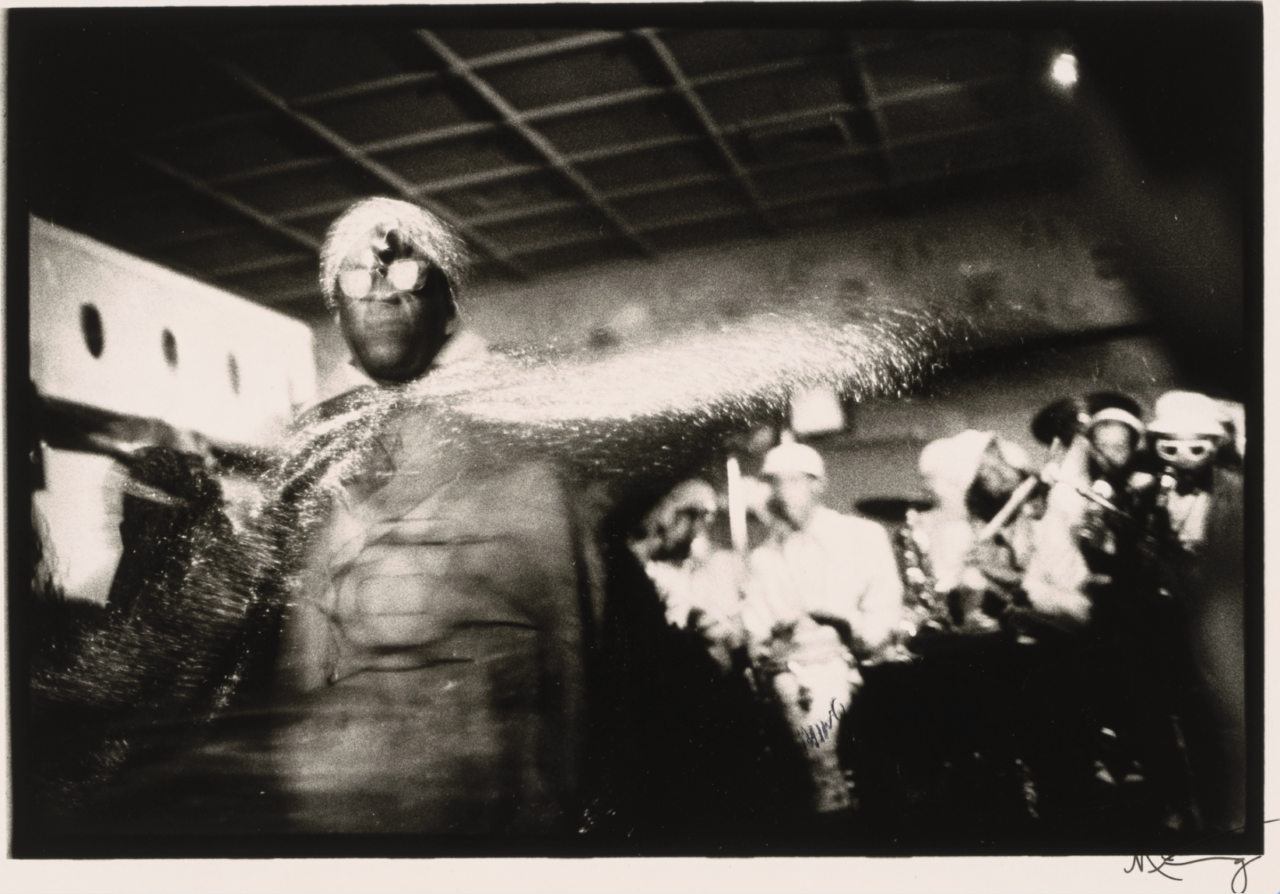
The exhibition also delves into the aesthetic innovations and cultural expressions that characterized the Black Arts Movement. Ming Smith’s ethereal "Sun Ra Space II, New York, New York" (1978) is presented as a significant piece, illustrating the movement’s engagement with spiritualism, futurism, and abstract visual languages. Harris elaborates on the choice of this particular image: "The organizers… brought together an incredibly wide range of work. Ming Smith’s piece is particularly resonant because, though it was made almost 50 years ago, it feels almost timeless. It’s an immersive image, with Sun Ra appearing to float outward towards us, radiating light. A constellation seems to swirl out behind him. By using an extended exposure, the photographer was able to give a sense of the insistent, liberatory futurism of Sun Ra’s imaginative cosmology."
The exhibition consciously includes a wide range of artists, from well-established figures to emerging talents, ensuring a comprehensive representation of the period. This approach allows for the inclusion of works that served diverse purposes. As Harris notes, "Some images or photographers were included for their importance in spotlighting Black beauty, others for their vital work in bringing attention to the Black community, and several works in the show weren’t made as art at all but were produced to support political organizing. So even if you’re deeply engaged with photo history, there’ll be something in this show that’ll offer you a new perspective on these decades, and there are lots of different points of entry, whatever your areas of interest."

This inclusive curatorial strategy also extends to the inclusion of artists from the broader African diaspora, reflecting the interconnectedness of Black liberation struggles globally. Images by African, British, Nuyorican, and Caribbean artists are interwoven throughout the installation, creating a rich dialogue across different cultural contexts.
Photography’s Political Impact Then and Now
The conversation surrounding the exhibition inevitably turns to the enduring power of photography in political discourse. Harris expresses a strong conviction in its continued relevance: "Absolutely. The images of those decades were consequential because they were reproduced in magazines and newspapers that reached large audiences. The opportunity for seeing and sharing is even greater today, but—now as then—cutting through the noise of mainstream media to capture widespread attention requires powerful visions and strong voices."

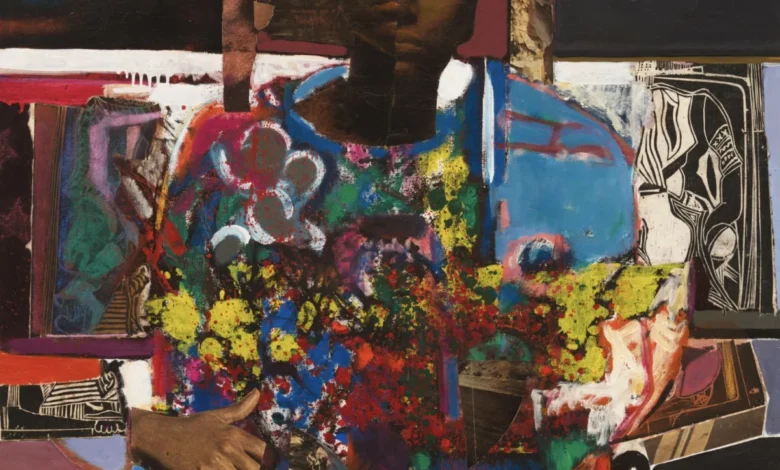
This sentiment is echoed in the exhibition’s broader themes. While acknowledging the documented instances of racial violence during the period, the exhibition places a significant emphasis on images that celebrate Black self-fashioning, resilience, and storytelling. Works by artists like Carrie Mae Weems ("Mom at Work," 1978-1984) and Barbara McCullough’s video still from "Shopping Bag Spirits and Freeway Fetishes: Reflections on Ritual Space" (1980) showcase the agency and creativity of Black individuals and communities in defining their own narratives. David Clyde Driskell’s "Woman with Flowers" (1972), an oil and collage on canvas, further demonstrates the movement’s engagement with diverse artistic mediums beyond traditional photography.
Curatorial Process and Lasting Impact
The curation of "Photography and the Black Arts Movement, 1955–1985" was a long and meticulous process, spanning many years. Brookman and Willis aimed to reframe the understanding of the Black Arts Movement by foregrounding the crucial role of visual culture. They sought to illustrate how photography not only documented historical events but actively shaped public perception and motivated social change.

"Photography is sometimes thought of as peripheral to history—as mere documentation of what happened in the past," Harris observes. "But photographs don’t just record social transformations, they play crucial roles in motivating political change—swaying public opinion, focusing attention on important causes, spurring solidarity."
The exhibition’s impact is designed to resonate beyond the gallery walls. Harris articulates a hopeful vision for what audiences will take away: "I’ll circle back to the Darryl Cowherd photograph I mentioned, which visitors see right as they enter the exhibition: The Time is Now. The time is now to help to make the change you want in the world. The time is now to create the images you want to see or to support artists and activists who are doing work you feel is important. The time is now to photograph the people you hold dear and to represent your communities as you feel they ought to be seen. The time is now to wield the camera as a tool to promote dignity and respect, which are too often being stripped away. The time is now to look up from the glowing screen on which you are reading these words and take action, just as the artists and advocates included in this show did. I find both their compositions and their unflagging commitment to change inspiring, and I hope that you will, too."

The exhibition, a significant undertaking in the re-examination of a vital period in American art history, is on view at the Getty in Los Angeles until mid-June. It will then travel to the Mississippi Museum of Art in Jackson, Mississippi, where it will be exhibited from July 25th to November 8th, 2026, offering a broader audience the opportunity to engage with these powerful visual narratives and their enduring lessons.