Datacolor Launches Textile Lab Manager: A Data-Driven Platform for Connected Colour Intelligence

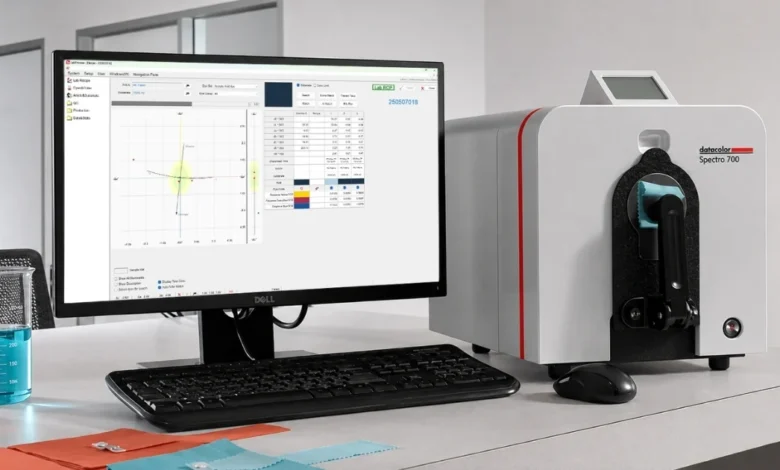
Datacolor’s new Textile Lab Manager is a data-driven lab workflow platform designed to revolutionize colour management in the textile industry. By enabling manufacturers to achieve accurate colour matches on the first attempt, the platform promises to significantly reduce costly and resource-intensive correction rounds, thereby conserving time, chemicals, and water. This innovative solution heralds a new era of integrated colour intelligence by seamlessly connecting critical colour processes—measurement, formulation, and quality control—with overarching business systems into a unified, intelligent workflow.
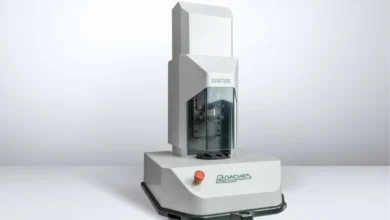
The platform’s architecture is built to foster unprecedented connectivity within the textile lab environment. It integrates with Datacolor’s suite of precision spectrophotometers, renowned for their accuracy in colour measurement, and its advanced dispensing systems. Notably, this includes the recently introduced Autolab TFD dual-arm automated dispenser, a system designed to enhance speed and precision in dye dispensing. Furthermore, Textile Lab Manager boasts compatibility with third-party dispensers, allowing for automated weighing and dispensing processes, a crucial step in ensuring batch-to-batch consistency.
Beyond the lab’s internal operations, the platform extends its reach by integrating with Enterprise Resource Planning (ERP) and Manufacturing Execution Systems (MES). This integration is pivotal, directly linking colour decisions to order management and financial planning. By leveraging data-driven formulation, manufacturers can make more informed choices that align with production schedules and cost objectives. The system’s intelligence is further amplified by its ability to learn from historical formulation data. This machine learning capability enhances matching and auxiliary recommendations, leading to faster, more accurate first-shot colour matches and a significant reduction in the number of correction cycles required.
A New Era of Efficiency and Sustainability in Colour Management
The textile industry has long grappled with the inefficiencies and environmental impact associated with colour correction. Traditional methods often involve multiple rounds of dyeing, testing, and re-dyeing, a process that is not only time-consuming but also consumes substantial amounts of water and chemicals. These resources are increasingly under scrutiny due to growing environmental concerns and regulatory pressures. Datacolor’s Textile Lab Manager directly addresses these challenges by empowering labs to achieve "right-first-time" colour accuracy.
The implications of this technological advancement are far-reaching. For manufacturers, it translates to substantial cost savings through reduced material waste, lower energy consumption, and optimized labor allocation. For brands and retailers, it means faster time-to-market for new collections and consistent brand colour across all products, enhancing consumer trust and brand loyalty.
Real-World Impact: Measurable Successes
The efficacy of Datacolor’s Textile Lab Manager is already being demonstrated by early adopters. In China, Lianfa Textile has reported remarkable improvements, including a 30% reduction in development cycles and a 15% increase in on-time completion rates. These figures underscore the platform’s ability to streamline complex processes and accelerate product delivery. Similarly, Yangzi Wool Spinning has achieved its target colour in just one or two attempts, a significant leap from previous methods, leading to yarn delivery times of under a week. These case studies highlight the tangible benefits of implementing a connected, data-driven approach to colour management.

The context for this innovation emerges from a broader industry trend towards digitalization. While the shift to digital colour standards and measurement tools has been underway for years, many labs still operate with disparate systems that do not communicate effectively. This fragmentation limits the potential for true optimization.
Matthieu Bonenfant, Director of Product Management at Datacolor, elaborated on this point: "The textile industry has largely made the shift to digital, which is no longer the differentiator. What we’re seeing now is that most labs have capable tools that still operate independently of each other. The real opportunity is in connecting them. That’s what Textile Lab Manager delivers, and the lab is just where we’re starting." This statement emphasizes that Datacolor views Textile Lab Manager not just as a lab solution, but as a foundational element for a more interconnected and intelligent textile supply chain.
Background and Chronology of Colour Management in Textiles
The quest for accurate and consistent colour in textiles dates back centuries. Early methods relied heavily on skilled dyers and subjective visual assessment, leading to significant variations. The mid-20th century saw the advent of colorimetry and spectrophotometry, introducing objective measurement and paving the way for more standardized colour matching. However, the implementation of these advanced tools was often isolated within individual departments or processes.
The late 20th and early 21st centuries witnessed the rise of digital colour communication standards, such as the Pantone system, and the increasing integration of software solutions for colour formulation and quality control. Yet, a persistent challenge remained: the lack of seamless integration between these digital tools and the broader manufacturing execution and business management systems. This often resulted in data silos and manual data transfer, introducing opportunities for errors and inefficiencies.
Datacolor has been a key player in this evolution, consistently developing innovative solutions for colour measurement and management. The introduction of Textile Lab Manager represents a logical progression, building upon decades of expertise in spectrophotometry and colour science, and now focusing on the critical aspect of workflow integration. The platform’s development likely involved extensive research and development, incorporating feedback from industry partners and anticipating future market needs for greater connectivity and data utilization.
Supporting Data and Industry Trends
The textile industry is a global behemoth, with the global textile market valued at over USD 1 trillion and projected to grow further in the coming years. However, this growth is increasingly contingent on sustainability and efficiency. Reports from market research firms consistently highlight the growing demand for eco-friendly manufacturing processes. For instance, a 2023 report by Grand View Research indicated that the demand for sustainable textiles is a major driver of market growth, with consumers increasingly prioritizing products with a lower environmental footprint.
The inefficiencies in colour correction directly impact this sustainability drive. A single failed colour batch can result in the loss of thousands of meters of fabric, hundreds of kilograms of dyes, and significant amounts of water used in dyeing and washing processes. Estimates suggest that poor colour management can contribute to a significant percentage of waste in the textile production cycle. By enabling first-shot matches, Textile Lab Manager can contribute to a substantial reduction in this waste, aligning with industry goals for a circular economy and reduced environmental impact.

Official Responses and Industry Reactions
While specific official statements beyond Datacolor’s product announcement are not detailed in the source material, the industry’s reaction to such advancements is typically characterized by cautious optimism and a keen interest in tangible results. Competitors in the colour management space will undoubtedly be observing the market adoption and performance of Textile Lab Manager. For brands and retailers, the promise of consistent, high-quality colour delivered more rapidly and sustainably is a significant draw.
Industry associations and sustainability advocacy groups are also likely to view such innovations favorably, as they contribute to the broader goals of reducing the environmental footprint of the fashion and textile sectors. The emphasis on data-driven decision-making and workflow optimization aligns with the broader digital transformation agenda across manufacturing industries.
Broader Impact and Implications
The introduction of Datacolor’s Textile Lab Manager has several significant implications for the future of textile manufacturing:
- Enhanced Supply Chain Agility: By accelerating colour development and approval processes, manufacturers can respond more quickly to market trends and customer demands, improving overall supply chain agility.
- Democratization of Advanced Colour Management: As the platform integrates with third-party systems and leverages historical data, it has the potential to make sophisticated colour management more accessible to a wider range of manufacturers, not just the largest enterprises.
- Foundation for Future Innovation: The connected nature of Textile Lab Manager positions it as a platform upon which further innovations can be built. This could include advanced AI-driven colour prediction, real-time quality monitoring across multiple production sites, and deeper integration with design and product lifecycle management (PLM) software.
- Increased Emphasis on Data Analytics: The success of Textile Lab Manager underscores the growing importance of data analytics in all aspects of manufacturing. Companies that can effectively collect, analyze, and act upon data related to colour will gain a significant competitive advantage.
- Sustainability as a Core Business Driver: The platform’s direct impact on reducing waste and resource consumption reinforces the idea that sustainability is no longer merely a corporate social responsibility initiative but a fundamental component of efficient and profitable manufacturing.
For existing customers of Datacolor’s Match Textile software, a clear migration path is available. Datacolor’s global services team is offering full support to facilitate the transition to the new Textile Lab Manager platform, ensuring a smooth and continued experience for long-standing clients. This commitment to customer support is crucial for the successful adoption of new, complex software systems.
In conclusion, Datacolor’s Textile Lab Manager represents a significant advancement in textile colour management. By fostering unprecedented connectivity and leveraging the power of data, it addresses long-standing industry challenges related to efficiency, cost, and sustainability. Its ability to deliver faster, more accurate first-shot colour matches, coupled with its integration into broader business systems, positions it as a transformative solution for the modern textile manufacturer. The platform’s success will likely be a bellwether for the industry’s ongoing journey towards a more intelligent, connected, and sustainable future.