Exploring the Multifaceted Utility of Marseille Soap: A Centuries-Old Eco-Friendly Staple for Home and Personal Care

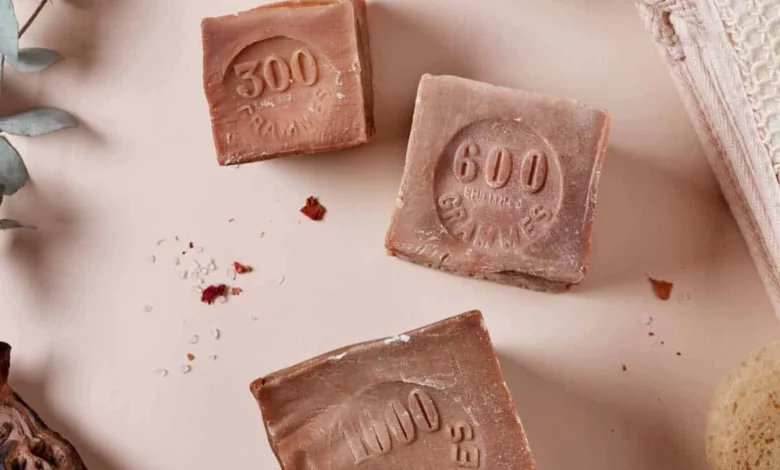
Savon de Marseille, a traditional hard soap originating from Marseille, France, is experiencing a significant resurgence as consumers increasingly seek sustainable, plastic-free alternatives for household cleaning and personal care. This venerable product, often lauded as an "eco-friendly wonder," offers a remarkable array of applications, from natural stain removal and plastic-free dishwashing to integration into beauty routines, underscoring its enduring versatility and appeal in a modern context. Its simple, natural composition aligns perfectly with growing environmental consciousness, positioning it not merely as a nostalgic item but as a highly relevant solution for contemporary eco-conscious living.
Historical Roots and Enduring Legacy
The history of Savon de Marseille is deeply intertwined with the economic and cultural heritage of the city of Marseille. Soap-making in the region dates back to the Middle Ages, flourishing due to the abundant local olive oil and soda ash from coastal plants. By the 17th century, Marseille had become a dominant force in soap production. King Louis XIV, through his minister Jean-Baptiste Colbert, institutionalized the quality of Marseille soap with the Edict of Colbert in 1688. This decree stipulated that genuine Savon de Marseille must be made exclusively from olive oil, with strict rules on the manufacturing process and ingredients, forbidding the use of animal fats or other oils. This regulation ensured a high-quality product, solidifying its reputation across Europe.
The 18th and 19th centuries saw a golden age for Marseille soap, with numerous factories operating in the city, producing vast quantities for both domestic and international markets. The industrial revolution brought new methods and ingredients, but the core principles of its traditional manufacture persisted. Even through world wars and economic shifts, the soap maintained its status as a household essential, valued for its efficacy, gentleness, and purity. Its legacy continues today, representing not just a product, but a symbol of French artisanal tradition and natural living.
The Art of Authentic Saponification
Authentic Savon de Marseille is distinguished by its meticulous, time-honoured production process, known as "saponification à la marseillaise." This method, perfected over centuries, involves five key stages:
- Encuage (Mixing): Vegetable oils, traditionally olive oil (comprising at least 72% of the finished product), are mixed with soda ash (sodium carbonate) and seawater in a large cauldron.
- Saponification (Cooking): The mixture is heated for several days at high temperatures (around 100-120°C). This chemical reaction converts the oils into soap and glycerin. The master soap maker continuously monitors the process, ensuring the perfect balance.
- Lavage (Washing): The paste is washed multiple times with saltwater to remove impurities, excess soda, and unreacted glycerin. This step is crucial for achieving the soap’s renowned purity and mildness.
- Liquidation (Drying): The soap paste is then left to settle, allowing residual water and impurities to separate. The pure soap rises to the top.
- Couchage (Molding and Drying): The still-warm soap paste is poured into large, shallow molds. Once partially set, it is cut into cubes or blocks and stamped with its weight and the "72% huile végétale" (72% vegetable oil) mark. The soap then undergoes a long drying period, often lasting several weeks or even months, in open-air drying rooms. This slow drying process hardens the soap, making it incredibly long-lasting and concentrating its active ingredients.
The result is a hypoallergenic, biodegradable soap free from artificial colours, fragrances, preservatives, and animal fats, making it ideal for sensitive skin and environmentally conscious consumers.
Navigating Authenticity in a Modern Market
Despite its rich heritage, the term "Savon de Marseille" lacks robust legal protection, leading to market challenges. In March 2020, an application for a geographical indication (GI) that would restrict its production to Marseille and specific traditional methods was rejected. This decision means that any manufacturer, regardless of location or ingredients, can legally label their product as "Marseille soap." This absence of regulation poses a significant risk to consumers, who might inadvertently purchase inferior products containing petrochemicals, parabens, synthetic fragrances, or animal fats, which deviate from the traditional, pure formulation.
To identify genuine Savon de Marseille, consumers should look for several key indicators:
- Ingredients: Authentic soap contains a minimum of 72% vegetable oil (traditionally olive oil, indicated by "72% huile végétale"), soda, salt, and water. Green varieties typically use olive oil, while beige versions may use palm or coconut oil (though palm oil-free options like Marius Fabre exist, requiring careful ingredient checks).
- Shape and Stamp: It is typically sold in large, heavy cubes or blocks, often bearing a stamp of the manufacturer and the "72% huile végétale" mark.
- Colour and Scent: Genuine Marseille soap has a natural, earthy scent and can range from green (olive oil) to beige/brown (other vegetable oils). It should not have strong artificial fragrances.
- Manufacturer: Reputable, long-standing manufacturers based in Marseille, adhering to traditional methods, are the most reliable sources. Brands like Marius Fabre and Savonnerie Fer à Cheval are examples of producers committed to the authentic craft.
Purchasing from trusted retailers or directly from these historical savonneries ensures the acquisition of a product that upholds the quality and purity standards established centuries ago.
A Pillar of Sustainable Living: Environmental Benefits and Comparison

In an era grappling with plastic pollution and chemical overload, Savon de Marseille stands out as a champion of sustainable living. Its inherent properties offer numerous environmental advantages over conventional cleaning and beauty products:
- Plastic-Free: As a solid bar, it eliminates the need for plastic packaging commonly associated with liquid detergents, body washes, and cleaners. This directly contributes to reducing plastic waste, a major global environmental concern. A report by the Ellen MacArthur Foundation highlighted that only 9% of all plastic ever produced has been recycled, emphasizing the critical need for plastic-free alternatives.
- Biodegradable: Composed entirely of natural, plant-derived ingredients, Marseille soap is fully biodegradable. This means it breaks down harmlessly in the environment, without polluting waterways with synthetic chemicals, microplastics, or persistent organic pollutants found in many commercial detergents.
- Chemical-Free: The absence of petrochemicals, phosphates, parabens, artificial dyes, and synthetic fragrances makes it a safer choice for both human health and ecosystems. Conventional cleaning products often contain ingredients linked to respiratory issues, skin irritation, and aquatic toxicity.
- Longevity and Economy: Due to its slow drying and hardening process, a single bar of Marseille soap lasts significantly longer than liquid alternatives, offering economic benefits over time while reducing consumption frequency.
The shift towards Savon de Marseille represents a conscious decision to minimize ecological footprint and embrace a simpler, healthier approach to household management and personal care.
Comprehensive Applications Across the Home
The true marvel of Savon de Marseille lies in its extraordinary versatility. A single bar can replace dozens of specialized products, simplifying household routines and reducing clutter.
Laundry and Textile Care
- Natural Stain Removal: Marseille soap is a highly effective, eco-friendly alternative to chemical stain removers. Its strong emulsifying properties enable it to tackle a wide range of stubborn stains, including grass, blood, butter, lipstick, oil, grease, and ink. For best results, wet the stained area with cold water, rub the soap directly onto the stain, allow it to penetrate for 15 minutes, and then wash as usual. Prompt action on fresh stains significantly enhances effectiveness.
- Homemade Liquid Laundry Detergent: This soap forms the base for an all-natural, effective liquid laundry detergent. Grating 150g of Marseille soap and dissolving it in 2 litres of boiled, cooled water creates a potent cleaning solution. This homemade detergent is suitable for all fabrics, including delicate items like silk, wool, and lace, and can be used in conjunction with natural fabric conditioners for enhanced softness. The detergent typically has a shelf life of 6-8 weeks if made with boiled water.
- Handwashing Delicate Fabrics: Its gentle formulation makes Marseille soap ideal for handwashing delicate garments that require special care. Dissolve a small amount of grated soap in lukewarm water, gently swirl the item, allow it to soak briefly, and then rinse thoroughly. This method preserves the integrity of delicate fibres while ensuring a thorough clean.
Household Cleaning Solutions
- Dishwashing: Marseille soap can effortlessly clean dirty dishes without plastic waste. Grate a small amount into hot water to create a sudsy solution, or simply rub a damp cloth or brush directly onto the bar to generate lather for individual items.
- Hard Surface Cleaner: A versatile hard surface cleaner can be created by mixing 50g of finely grated soap with 500ml of boiled, cooled water in a spray bottle. This solution effectively cleans worktops, cupboard doors, hard floors, and even painted walls, tackling grime, dirt, and common household messes. For targeted cleaning, a damp cloth rubbed directly onto the soap bar can be used. A patch test is recommended for painted walls and particularly delicate surfaces.
- Carpet and Upholstery Stain Removal: For spot-cleaning carpets and upholstery, Marseille soap offers a gentle yet powerful solution. After a discreet patch test to ensure fabric compatibility and colourfastness, dampen the stained area, rub the soap onto it, work it in with a cloth or brush, then wipe with a damp cloth to remove residue. Allow to dry and vacuum.
- Natural Toilet Cleaner: While not a descaling agent, a solution of 50g of soap melted in 1 litre of boiled, cooled water provides an effective natural toilet cleaner for general dirt and freshness. Pour a small amount into the bowl, scrub with a brush, and rinse. For limescale, it can be used in conjunction with citric acid.
Personal Hygiene and Beauty
- Gentle Body Wash: Enriched with natural vegetable oils, Marseille soap is hypoallergenic and kind to the skin, offering a nourishing cleanse without harsh chemicals. It lathers easily with hands, a flannel, or a sponge for a refreshing and gentle body wash.
- Shaving Soap Alternative: Its rich, creamy lather makes it an excellent natural alternative to conventional shaving creams. Simply create a lather on the skin with wet hands before shaving.
- Occasional Shampoo: In a pinch, Marseille soap can be used as a shampoo, creating a rich lather to cleanse hair. However, frequent use may lead to waxy build-up for some hair types. For regular solid shampoo use, specialized shampoo bars are generally recommended.
Garden and Pest Management
- Natural Insecticide: For gardeners battling aphids and other soft-bodied insects, Marseille soap provides an eco-friendly pesticide. Mix 75g of finely grated soap in 500ml of boiled, cooled water. Optional additions like cayenne pepper or cinnamon can enhance its insect-repelling properties. Spraying this solution directly onto aphid clusters damages their outer membranes, leading to dehydration. Caution is advised to avoid harming beneficial insects and to apply during cooler parts of the day to prevent plant burn.
Specialized Uses
- Iron Cleaning: To remove melted fibres or dirt from an iron plate, carefully swipe a little Marseille soap onto a warm (not hot) iron. Allow the iron to heat up, then iron an old dish towel or cloth to transfer the residue.
- Natural Moth Repellent: Moths are naturally repulsed by the scent of Marseille soap. Placing slivers of soap in cotton bags within wardrobes or between folds of knitwear in drawers can effectively deter moths for up to three months. The dried soap slivers can then be repurposed for cleaning, minimizing waste. This method offers a chemical-free alternative to traditional mothballs.
- Pet Shampoo: Given its natural, gentle ingredients, Marseille soap can serve as a non-irritating pet shampoo. Consult a vet if there are any concerns. To use, wet the pet’s fur, rub the soap bar directly onto it to create a lather, massage, and rinse thoroughly.
- Cleaning Silver Jewellery: To restore the sparkle to tarnished sterling silver jewellery, dissolve a tablespoon of grated Marseille soap in a bowl of hot water. Soak the jewellery for about 15 minutes, then gently rub with a soft cloth and rinse clean.
Economic and Cultural Implications
The renewed interest in Savon de Marseille is not merely a trend; it reflects a broader cultural shift towards conscious consumerism. This movement supports local economies, preserves artisanal skills, and encourages a deeper connection with the products we use. For the traditional savonneries in Marseille, this revival offers an opportunity to sustain their heritage against the backdrop of globalization and industrial mass production. However, the lack of a protected geographical indication means these authentic producers must continually educate consumers about the distinguishing characteristics of their products, ensuring their survival and the integrity of the Savon de Marseille name.
In conclusion, Savon de Marseille stands as a testament to the power of simplicity and tradition. Its unparalleled versatility, coupled with its profound environmental and health benefits, cements its position as an indispensable tool for sustainable living. As consumers increasingly prioritize efficacy, purity, and ecological responsibility, this centuries-old French staple continues to prove its relevance, offering a tangible solution for a cleaner home, a healthier body, and a more sustainable planet.