The British sustainable fashion landscape has undergone a significant transformation over the past decade, shifting from a niche market driven by early adopters into a multi-million-pound industry dictated by stringent environmental credentials, traceable supply chains, and circular economy principles. Within the undergarments and accessories sector, the humble sock has emerged as a focal point for eco-conscious consumers. As the market heads into 2026, demand for ethically manufactured, low-impact footwear accessories has surged, prompting both independent labels and established high-street brands to rethink how everyday basics are sourced, produced, and eventually recycled.

Industry analysis indicates that the global sustainable apparel market continues to expand rapidly, driven by tightening legislative frameworks regarding carbon emissions, microplastic pollution, and labor practices. In the United Kingdom, consumers increasingly scrutinize the lifecycle of textiles, from raw material extraction—such as organic agriculture and closed-loop bamboo processing—to manufacturing ethics and end-of-life disposal. Socks, traditionally viewed as disposable, short-lifespan items that frequently end up in municipal landfills, are now being redesigned for durability, circularity, and reparability.
The Evolution of Sustainable Materials in British Sock Manufacturing
The modern eco-friendly sock market relies heavily on a diverse portfolio of planet-friendly fibers designed to replace conventional, resource-intensive cotton and synthetic blends. Traditional cotton farming is notoriously water-intensive and relies heavily on synthetic pesticides and fertilizers. In contrast, certified organic cotton, verified by standards such as the Global Organic Textile Standard (GOTS), ensures that crops are grown without harmful chemicals while maintaining strict social criteria for farmers.

Beyond organic cotton, alternative fibers have gained substantial market traction:
- Bamboo Viscose: Renowned for its natural breathability, moisture-wicking properties, and softness, bamboo grows rapidly without requiring intensive irrigation. Leading producers utilize closed-loop manufacturing systems that recycle solvents and water to minimize chemical waste.
- Recycled Fibers: The Global Recycled Standard (GRS) has become the benchmark for verifying recycled cotton and polyester yarns, diverting manufacturing off-cuts and post-consumer textile waste away from incinerators and landfills.
- British Wool and Hemp: Sourced locally from regional livestock—such as sheep grazing on the Pennines—natural wool offers exceptional thermal insulation. When dyed using Oeko-Tex Standard 100 certified processes, these natural fibers ensure zero harmful substances enter the ecosystem.
Leading British and UK-Available Ethical Sock Brands for 2026
The current market features several standout brands that have established rigorous environmental and social benchmarks.

Silverstick
Specializing in British-made craftsmanship, Silverstick utilizes traditional manufacturing techniques alongside natural wool yarns sourced from Pennine-grazing sheep. Their wool and GOTS-certified organic cotton collections are dyed using azo- and chlorine-free processes that comply with Oeko-Tex Standards, ensuring high consumer safety and minimal environmental disruption.
Seasalt
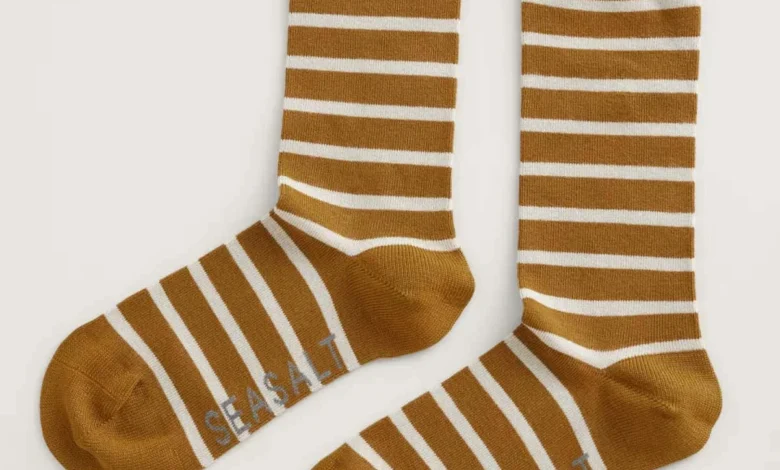
As a high-street pioneer, Seasalt achieved Soil Association organic certification for cotton as early as 2005. Holding formal B-Corp status, the brand is independently verified for high standards of social and environmental performance, transparency, and accountability. Their extensive collection of durable, soft cotton socks bridges the gap between mainstream accessibility and stringent sustainability.

Thought
Thought offers an expansive vegan-friendly inventory crafted from bamboo, hemp, recycled polyester, and organic cotton. Their commitment to labor welfare is demonstrated through increasing certifications under GOTS and Fairtrade standards, providing consumers with varied styles ranging from crew to no-show cuts.
Doris & Dude
Focusing on accessible sustainability, Doris & Dude produces vibrant, patterned socks utilizing organic cotton, bamboo, and recycled fibers. Their adherence to Fairtrade principles ensures that budget-conscious consumers do not have to compromise on ethical manufacturing standards.

BAM (Bamboo Clothing)
As an activewear specialist, BAM focuses on technical performance combined with aggressive corporate sustainability targets. Their bamboo socks feature reinforced terry-knit heels and toes for enhanced durability. BAM has committed to achieving a net-zero carbon footprint, zero waste to landfill, and zero wasted water across its entire supply chain by 2030, ensuring fair compensation and dignity for growers and factory workers alike.
Socko
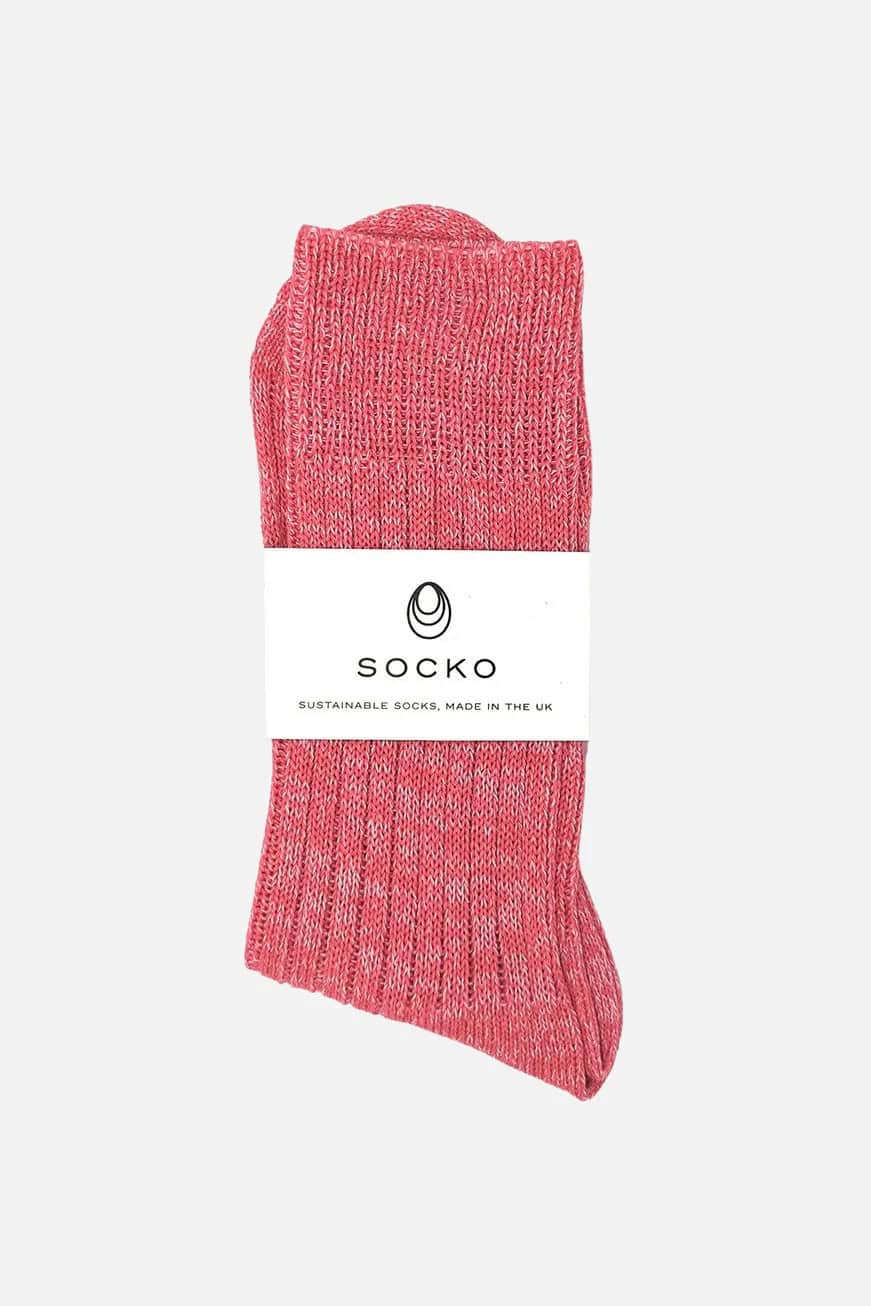
Operating in partnership with a family-run manufacturer in Leicester, Socko produces unisex socks from 100% GRS-certified recycled materials. Championing the lost art of darning, every pair includes a miniature mending kit containing a yarn swatch and instructions, actively encouraging consumers to extend the wearable lifecycle of their garments.

Peper Harow
Manufactured in the UK, Peper Harow’s GOTS-certified organic cotton and GRS recycled cotton socks are engineered without traditional toe seams to eliminate friction and enhance product longevity. Backed by a one-year performance guarantee, the brand exemplifies durability-focused design.
Barekind
Targeting wildlife conservation, Barekind produces bamboo and cotton socks featuring over forty endangered animal designs. Operating via a closed-loop processing system in Turkey, the brand donates ten percent of its profits directly to partner charities dedicated to protecting the specific species featured on each pair.
Rapanui
Based on the Isle of Wight, Rapanui integrates circular economy principles directly into its business model. Their organic cotton socks are designed from inception to be returned to the manufacturer once worn out. Rapanui covers return postage, remanufactures the recovered material into new textiles, and issues store credit to participating customers.
Stand4Socks
Operating as a certified B-Corp, Stand4Socks pairs Oeko-Tex certified materials and compostable packaging with a direct social impact model. For every pair purchased, the company donates a pair of specialized socks to homeless individuals via partner charities.

Komodo and Colorful Standard
Komodo, a veteran of ethical fashion spanning over three decades, provides vegan organic cotton socks featuring reinforced stress points and guaranteed fair wages for factory staff. Meanwhile, Colorful Standard utilizes Oeko-Tex certified dyes on organic cotton and recycled merino wool, offering extensive color palettes produced ethically in Portugal.
Addressing the Broader Intimates Market: Tights and Leggings
While the sock sector has diversified rapidly, the market for sustainable hosiery and tights remains comparatively restricted due to manufacturing complexities. Traditional nylon tights are notoriously difficult to recycle and prone to laddering, prompting many consumers to seek durable alternatives. In colder months, a common industry workaround involves substituting traditional tights with high-durability ethical leggings paired with wool or organic cotton socks. This combination significantly increases garment lifespan, reducing the frequency of textile replacement.

End-of-Life Management and Circularity
Industry watchdogs emphasize that sustainable consumption extends far beyond initial purchase decisions. When socks finally reach a state beyond repair, responsible disposal is critical to divert waste from landfills. Textile recycling banks, community clothing swops, and brand-backed take-back schemes—such as those operated by circular pioneers like Rapanui—form the backbone of the post-consumer textile management strategy. By re-engaging consumers in the darning and recycling process, the British ethical apparel sector continues to combat the linear "take-make-dispose" model that has historically dominated the fashion industry.