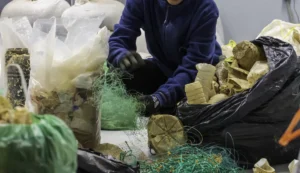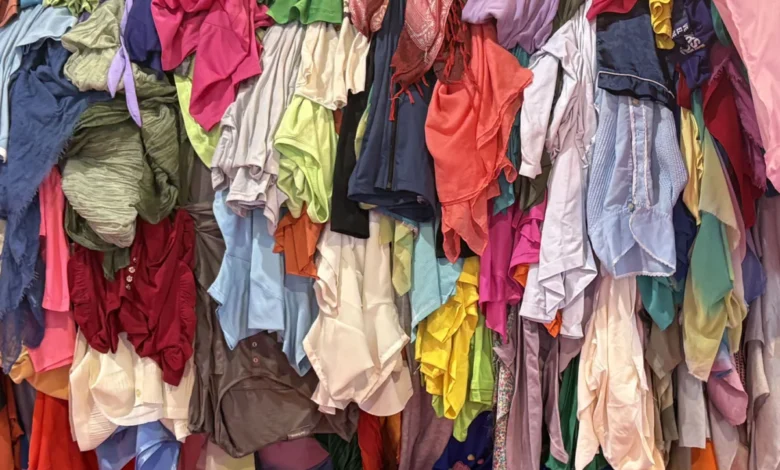
The European Union has implemented a landmark regulation that prohibits large companies from destroying unsold clothing, clothing accessories, and footwear, marking a significant step towards a more circular economy in the textile sector. This pivotal policy, which took effect on July 19th, 2026, is set to redefine waste management practices for businesses operating within the EU, with medium-sized companies to follow suit from 2030. The directive, a key component of the broader Ecodesign for Sustainable Products Regulation (ESPR), aims to combat the pervasive issue of product waste and conserve valuable resources that would otherwise be lost through disposal.
The Rationale Behind the Ban: Preventing Resource Depletion and Environmental Harm
The core principle driving this regulation is the recognition that discarding new, usable products represents a profound waste of the raw materials, water, energy, and human labor invested in their creation. Beyond the immediate loss of these resources, the disposal of unsold goods contributes to avoidable greenhouse gas emissions, exacerbating environmental challenges. By mandating that businesses prioritize keeping products in use, the EU is fostering a shift towards more sustainable and resource-efficient business models. This includes encouraging strategies such as selling products through various channels, including discounted sales or alternative markets, donating items to charitable organizations or social enterprises, and preparing goods for reuse through repair, refurbishment, or remanufacturing processes.
The environmental footprint of the textile industry is substantial. Globally, the fashion industry is a significant contributor to pollution, water consumption, and carbon emissions. According to a 2023 report by the European Environment Agency, textile waste in the EU is projected to reach over 15 million tonnes annually by 2030 if current trends continue. The production of a single cotton t-shirt, for instance, can require up to 2,700 liters of water – enough for one person to drink for 2.5 years. The energy required for manufacturing, transportation, and eventual disposal further amplifies the environmental burden. This ban directly addresses the "take-make-dispose" linear model that has characterized much of the fashion industry, pushing for a more circular approach where materials and products are kept in circulation for as long as possible.
A Phased Implementation: From Large Corporations to SMEs
The regulation adopts a phased approach to implementation, ensuring a smoother transition for businesses of varying sizes. Large companies, those employing more than 250 people and with an annual turnover exceeding €50 million or a balance sheet total exceeding €43 million, are immediately subject to the ban from July 19th, 2026. This initial phase targets the largest players in the market, whose scale of operations often means a more significant impact on waste generation.

Medium-sized companies, defined as those employing between 50 and 249 individuals and having an annual turnover or balance sheet total not exceeding €50 million or €43 million respectively, will have until January 1st, 2030, to comply. This extended timeframe allows these businesses more opportunity to adapt their supply chains and operational strategies. While small and micro-businesses are currently exempt from these specific reporting and destruction prohibition requirements, the broader ESPR principles of sustainability and resource efficiency will likely influence their future practices and market expectations.
Circumstances for Permissible Destruction: Strict Conditions Apply
While the primary objective is to eliminate the destruction of usable unsold goods, the regulation acknowledges that there may be limited circumstances where disposal is unavoidable. However, these exemptions are tightly controlled and require strict adherence to the waste treatment hierarchy, prioritizing recycling. Companies may only destroy unsold clothes and footwear if the items fall into specific categories:
- Unsafe or Damaged Goods: Products that pose a health or safety risk due to defects, damage, or contamination.
- Counterfeit or Infringing Products: Items that are identified as counterfeit or that violate intellectual property rights.
- Rejected Donations: Goods that have been offered for donation but rejected by charities or donation schemes due to their condition or suitability.
Crucially, any business seeking to rely on these exemptions must provide verifiable proof of the grounds for destruction. This includes submitting documentation such as safety reports, quality control assessments, or evidence of rejection from donation programs. Furthermore, to ensure transparency and accountability, companies must publish annual reports detailing the quantities and types of unsold goods they have discarded, along with the justification for each instance.
Enforcement and Compliance: A Robust Oversight Mechanism
To ensure the effectiveness of the ban, national authorities within EU member states are empowered to monitor compliance and impose penalties for violations. Companies are mandated to maintain comprehensive records for a period of five years, facilitating inspections and audits by regulatory bodies. This record-keeping requirement is essential for verifying that destruction is only occurring under the permissible circumstances and that businesses are actively exploring alternatives.
To streamline the reporting process and minimize administrative burdens, businesses will utilize existing customs and logistics codes when submitting their discard reports. This approach aims to integrate the new reporting requirements into established administrative frameworks, reducing the need for new, complex systems. The ESPR, which entered into force in 2024, lays the groundwork for these product-specific regulations, setting overarching goals for making products more durable, repairable, recyclable, and resource-efficient across the EU. The ban on textile destruction represents one of the earliest and most impactful concrete measures to emerge from this broader legislative initiative.

Broader Implications: Towards a More Sustainable Textile Ecosystem
The implications of this ban extend far beyond mere waste prevention. It is a catalyst for fundamental shifts in business strategies within the textile and footwear industries. Companies will be incentivized to:
- Improve Demand Forecasting and Inventory Management: More accurate prediction of consumer demand can reduce the likelihood of overproduction and unsold stock.
- Develop Robust Resale and Rental Models: Establishing or expanding secondary markets for clothing can absorb surplus inventory and extend product lifecycles.
- Invest in Repair and Refurbishment Services: Offering repair services or partnering with repair providers can give products a second life.
- Innovate in Circular Design: Designing products with durability, repairability, and recyclability in mind from the outset will become increasingly crucial.
- Strengthen Collaboration with Charities and Social Enterprises: Building stronger partnerships can ensure that usable unsold goods find their way to those in need.
The regulation also has the potential to foster innovation in textile recycling technologies. As the destruction of usable items becomes less viable, there will be a greater impetus to develop and scale up advanced recycling processes that can effectively recover valuable materials from end-of-life textiles. This could lead to a more closed-loop system for textile production and consumption.
Industry Reactions and Future Outlook
While the ban has been met with general approval from environmental organizations and consumer advocacy groups, businesses are navigating the adaptation process. Some industry stakeholders have expressed concerns about the logistical challenges and potential costs associated with managing unsold inventory and exploring alternative disposal or reuse routes. However, many leading companies have already been investing in sustainability initiatives and circular economy models, positioning them to adapt more readily.
The European Commission has stated that the ESPR is a comprehensive framework designed to drive sustainable product innovation and consumption. The ban on textile destruction is seen as a critical step in addressing the specific environmental challenges posed by the fast fashion model and the industry’s extensive waste generation. As the regulation rolls out and its impact becomes clearer, it is likely to inspire similar legislative efforts in other regions and encourage global brands to adopt more sustainable practices across their entire operations. The move signifies a firm commitment by the EU to decoupling economic growth from resource depletion and environmental degradation, with the textile sector now at the forefront of this transformative agenda.