Kelli Donovan: Pioneering Sustainable Fashion from Australia’s Natural Heart

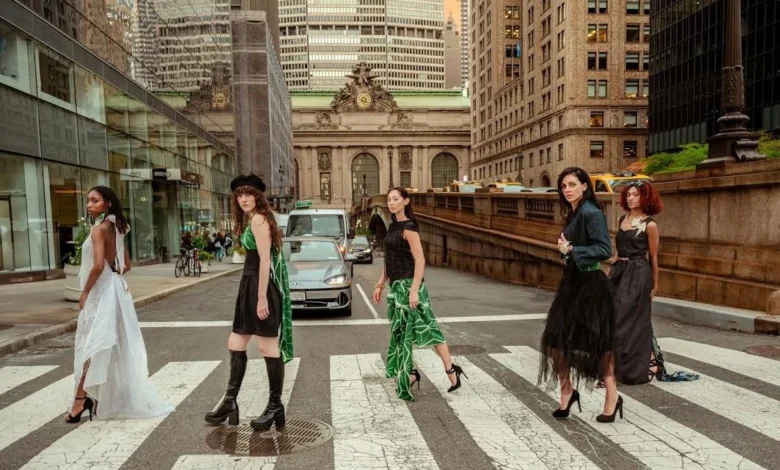
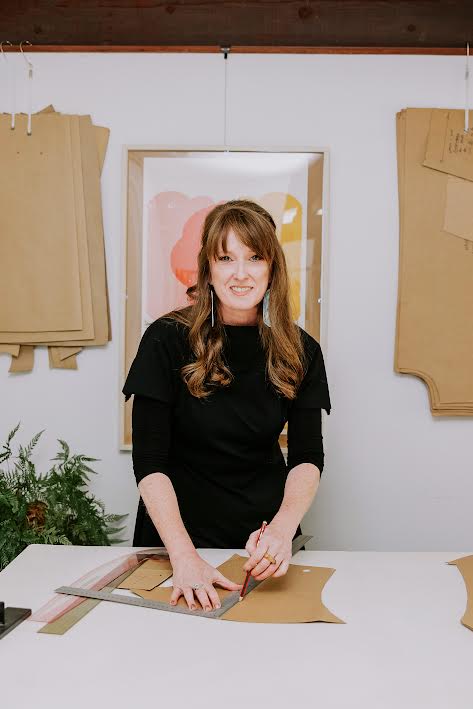
Australian designer Kelli Donovan has spent three decades championing a paradigm shift within the fashion industry, moving away from unsustainable practices towards an ethical and environmentally conscious approach. From her formative years surrounded by the pristine landscapes of Australia’s countryside to establishing a brand renowned for its timeless designs and sustainable materials, Donovan’s journey is a testament to the power of integrating deep environmental convictions with creative expression. Her work serves as a critical blueprint for both emerging designers and conscious consumers navigating an industry increasingly scrutinized for its ecological footprint.
A Childhood Rooted in Nature and Craft
Kelli Donovan’s profound connection to the natural world was forged in the "bush capital" of Australia, Canberra. Growing up amidst mountains, vast bush landscapes, and abundant walking trails instilled in her an early appreciation for the environment. This upbringing, coupled with a family rich in artistic and creative heritage, fostered a unique lens through which Donovan viewed the world – one that inherently saw beauty in nature and sought to protect it. This intimate relationship with the Australian landscape became the bedrock of her design aesthetic, infusing her collections with an organic sensibility and a reverence for the planet.
This deep-seated environmental awareness collided starkly with the realities of the fashion industry during her early career. Donovan observed with dismay the prevailing disregard for ecological impact in clothing production, characterized by wasteful processes and a relentless pursuit of fast, disposable trends. It was this dissonance that compelled her to forge a different path, leading to the creation of a fashion brand anchored in timeless elegance and uncompromising sustainability.
Further shaping her foundational principles was the indelible influence of her grandmother, Annie Muir, a Scottish tailor from Glasgow. Though Annie passed away when Kelli was only eleven, her grandmother’s philosophy of craftsmanship left an enduring legacy. Annie Muir believed that "There is no point wasting her time and skills on a piece of cheap cloth and making something beautiful." This dictum, emphasizing quality materials and purposeful creation, became a guiding principle for Donovan. Every stitch, every textile choice, and every design decision in Kelli’s career reflects this heritage of meaningful production, ensuring longevity and intrinsic value over fleeting trends. This foundational ethos, passed down through generations, directly informs Donovan’s commitment to using only the finest, most sustainable materials in her collections, rejecting the disposability inherent in much of modern fashion.
The Evolution of Sustainable Fashion: A Three-Decade Journey
Kelli Donovan’s career spans over 30 years, a period during which the concept of "sustainable fashion" evolved from a niche concern to a global imperative. When Donovan first embarked on her journey, the fashion industry was largely unburdened by environmental or ethical scrutiny. The late 20th century saw the acceleration of globalization and mass production, paving the way for the "fast fashion" phenomenon. This model, characterized by rapid trend cycles, cheap labor, and synthetic materials, delivered affordability to consumers but at a severe cost to the environment and human welfare.
The early 2000s began to witness a nascent awareness of these issues. Environmental groups and labor rights advocates started to highlight the dark side of the industry, pointing to egregious labor practices in developing countries, excessive water consumption in textile dyeing, and the mounting problem of textile waste. However, these concerns remained largely on the periphery of mainstream fashion discourse.
A significant turning point arrived in the mid-2010s, notably with the Rana Plaza factory collapse in Bangladesh in 2013, which claimed over 1,100 lives. This tragedy ripped back the curtain on the human cost of fast fashion, galvanizing consumer awareness and prompting calls for greater transparency and ethical production. Documentaries like "The True Cost" (2015) further exposed the environmental devastation and social injustice embedded within the supply chains of major brands, accelerating the demand for sustainable alternatives.
It is within this evolving landscape that Donovan’s long-standing commitment to sustainability finds its true pioneering context. For three decades, she has been a consistent voice for change, developing practices that are now considered benchmarks for ethical fashion. Her early recognition of the "unsustainable processes" in the industry positioned her at the forefront of a movement that the broader industry is only now scrambling to catch up with.
Donovan’s Design Philosophy: Timelessness, Ethics, and Environmental Advocacy
At the heart of Kelli Donovan’s brand is a commitment to "timeless and chic designs" crafted from "high-quality, sustainable materials" with an "ethical approach to fashion." This philosophy directly counters the disposability of fast fashion, advocating instead for garments designed for longevity, both in style and durability. By focusing on classic aesthetics, Donovan ensures that her pieces transcend fleeting trends, encouraging consumers to invest in clothing that will remain relevant for years, thereby reducing consumption and waste.
Her approach to materials is meticulous. While the interview doesn’t specify particular fabrics, her grandmother’s insistence on "the best textiles" implies a dedication to sourcing materials that are not only luxurious but also environmentally responsible. This could include organic cotton, linen, hemp, recycled fibers, or innovative sustainable textiles that minimize environmental impact. An ethical approach extends beyond materials to encompass fair labor practices throughout the supply chain, ensuring that every person involved in the creation of her garments is treated with dignity and paid a living wage.
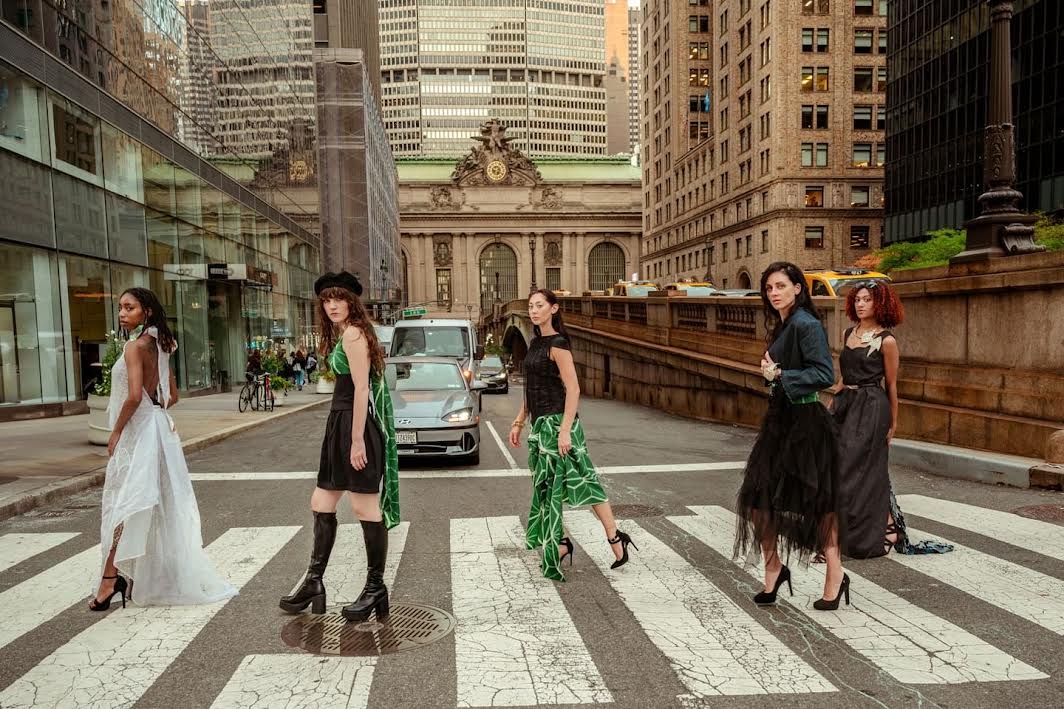
Donovan’s "Sleeping Beauties" collection exemplifies her artistic activism. Coincidentally sharing a name with a major Met Museum costume exhibit, Donovan’s inspiration for the collection was purely environmental. It serves as a powerful, yet subtly articulated, statement about clothing overproduction and waste. The collection speaks "quietly – but strongly – about this situation," drawing attention to the vast quantities of unsold inventory and discarded garments that contribute to landfill overload. This initiative underscores a critical issue: the fashion industry is responsible for significant textile waste, with estimates suggesting that a truckload of textiles is landfilled or incinerated every second globally. By creating a collection that metaphorically reawakens discarded textiles or highlights the inherent value in garments designed to last, Donovan advocates for a more circular and less wasteful production model.
The Manta Ray Collection: A Call for Ocean Conservation
Among Donovan’s most impactful collections is her Manta Ray series, a direct response to the escalating crisis of ocean pollution. This collection transcends mere aesthetics, serving as a powerful educational tool to raise awareness about the devastating effects of textile and plastic waste on marine ecosystems.
The inspiration for the Manta Ray collection stems from two critical sources: the dedicated individuals working tirelessly to protect our oceans and reduce waste, and the majestic Giant Manta Ray itself. Donovan deliberately linked her designs to this creature, which "does not harm its environment or people," and gracefully traverses the oceans. The Manta Ray symbolizes purity, gentle coexistence, and the fragility of marine life in the face of human impact.
The collection directly addresses the detrimental role of "ultra-fast fashion" in ocean pollution. The mass production of cheap garments, often relying on synthetic fabrics like polyester and nylon, contributes significantly to microplastic pollution. Every time these garments are washed, tiny plastic fibers shed and enter waterways, eventually making their way into oceans, where they are ingested by marine life and enter the food chain. Furthermore, the sheer volume of textile waste generated by fast fashion overwhelms landfills, with much of it eventually leaching into rivers and oceans. Reports indicate that synthetic textiles contribute up to 35% of primary microplastics released into the ocean.
Through the Manta Ray collection, Donovan seeks to "educate the viewer about the bigger issue at hand and how we can all make small differences in our clothing purchases." This includes advocating for informed consumer choices, encouraging investment in high-quality, durable natural fibers, and supporting brands committed to reducing their environmental footprint. Her work echoes the calls of environmental organizations like the Surfrider Foundation and Plastic Oceans International, which continuously highlight the urgent need for systemic change in industries contributing to marine degradation.
Empowering the Next Generation of Designers
With three decades of experience, Kelli Donovan offers invaluable counsel to young designers aspiring to enter the sustainable fashion space. Her advice is pragmatic yet visionary: "give it their best shot and be as creative and inventive as they can in the early years." She emphasizes the importance of experimentation with design, textiles, and waste management, asserting that such exploration strengthens a designer’s aesthetic and unique voice. Crucially, she advises against slavishly following trends, urging young creatives to "find their unique super power."
This guidance is particularly relevant in today’s saturated market, where differentiation is key. Donovan’s emphasis on individuality and deep exploration of materials and processes aligns with the growing industry demand for genuine innovation in sustainability, rather than superficial greenwashing. Her message resonates with the broader shift towards circular economy principles, where designers are encouraged to consider the entire lifecycle of a garment – from sourcing to end-of-life – and to design for durability, repairability, and recyclability.
Broader Implications and the Future of Fashion
Kelli Donovan’s career transcends the realm of individual design; it represents a microcosm of the larger movement towards a more responsible fashion industry. Her work underscores several critical implications for the future:
- Consumer Empowerment: Donovan’s approach empowers consumers to become active participants in sustainable change. By encouraging mindful purchasing and questioning the origins and impact of clothing, she fosters a culture of conscious consumption. This aligns with the growing trend of consumers demanding transparency and accountability from brands.
- Industry Transformation: Her sustained commitment provides a tangible model for how brands can operate ethically and profitably. It demonstrates that prioritizing environmental and social responsibility does not necessitate a compromise on design or quality. Increasingly, major fashion houses are recognizing this, investing in sustainable supply chains, innovative materials, and ethical labor practices, driven partly by the trailblazing efforts of designers like Donovan.
- Educational Imperative: Donovan’s collections, particularly the Manta Ray series, serve as powerful educational tools. They translate complex environmental issues into accessible narratives, inspiring action. This educational aspect is vital for cultivating a new generation of designers and consumers who are inherently environmentally literate and ethically minded.
- The Value of Heritage and Craft: By honoring her grandmother’s legacy, Donovan highlights the enduring value of traditional craftsmanship and quality over quantity. This narrative encourages a return to appreciating the skill and artistry involved in garment making, countering the disposability inherent in fast fashion.
The future of fashion, as envisioned and practiced by Kelli Donovan, is one where creativity flourishes within ecological and ethical boundaries. It calls for designers to integrate zero-waste principles, embrace sustainable materials, and design for longevity. It demands that consumers consider the environmental and social impact of every purchase. As a pioneer in this evolving landscape, Kelli Donovan’s unwavering dedication to integrating Australian heritage, environmental advocacy, and timeless design continues to shape the trajectory of a more responsible and meaningful fashion industry. Her journey is not just about creating beautiful clothes; it’s about stitching a sustainable future for the planet.