The Evolution of Modern Jewelry Collecting and the Rise of the Talismanic Aesthetic Through the Curation of TheFabNab

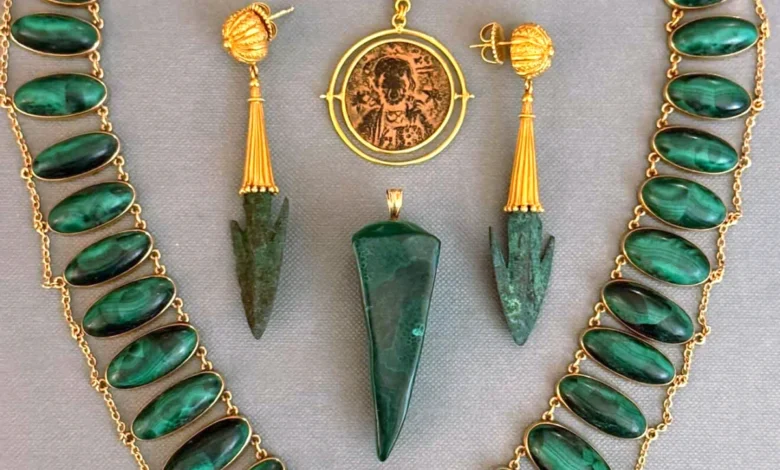
The landscape of antique jewelry collecting has undergone a significant transformation over the last decade, shifting from a niche hobby reserved for traditional auction houses to a vibrant, digitally-driven community of "selective collectors." At the forefront of this movement is Cyndi, the curator behind the influential brand @TheFabNab, whose 13-year journey from a hobbyist to a respected figure in the antique jewelry world offers a comprehensive look at how historical artifacts are being reimagined for the modern era. Her collection, characterized by a fusion of edgy vintage pieces, religious iconography, and converted Victorian treasures, represents a broader trend in the luxury market where provenance and personal symbolism outweigh mere decorative value.
The Chronology of a Curated Collection
The trajectory of Cyndi’s collection provides a blueprint for the evolution of a modern connoisseur. Her entry into the field began approximately 12 to 13 years ago, during a period when the market for antique components was significantly more accessible than it is today. Initially, her fascination with jewelry manifested through the assembly of semi-precious beads, a trend that dominated the early 2000s. However, the transition to precious metals and stones was marked by a strategic entry point: the antique stick pin.

A dozen years ago, Victorian and Edwardian stick pins were frequently overlooked by major collectors, often available at price points that allowed for experimentation. Cyndi recognized the latent potential in these diminutive objects, identifying them as high-quality raw materials for conversion jewelry. By reimagining pins as wearable rings or charms, she was able to curate a high-end aesthetic on a modest budget. This practice of conversion—taking a brooch or pin and altering its form to suit modern utility—has since become a cornerstone of her "Lucky Numbers + Talismans" collection. This specific line utilizes Edwardian and Art Deco components, reinventing them into capsule collections that focus on destiny numbers and "good juju," reflecting a growing consumer interest in jewelry as a vessel for spiritual or personal intention.
The Aesthetic Pillars: From Celestial to Egyptian Revival
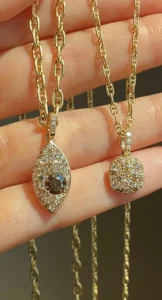
The FabNab collection is defined by several distinct aesthetic pillars that align with major historical movements in jewelry design. A primary focus is the celestial motif, specifically the moon and stars. While the collection features modern interpretations, such as the H. Stern Genesis line—noted for its ability to recreate the "antique star" aesthetic—the heart of the collection lies in authentic antique pieces. These typically feature old mine cut diamonds set in silver-topped gold, a technique common in the 18th and 19th centuries where silver was used to enhance the whiteness of diamonds before the widespread use of white gold or platinum.
Another significant area of focus is the Egyptian Revival movement. This style, which saw surges in popularity following the Napoleonic campaigns and the 1922 discovery of King Tutankhamun’s tomb, is represented in Cyndi’s collection through "juicy" winged scarabs and gold snakes. These pieces often feature "buttery" brushed gold, a hallmark of high-carat Victorian and revivalist craftsmanship. The inclusion of diamond-encrusted pocket watches further emphasizes an obsession with miniature mechanical and decorative details, bridging the gap between horology and fine jewelry.

Technical Analysis: The Victorian Ruby Spike and the Art of the "Neckmess"
One of the most notable items in the collection is the Victorian-era ruby spike, originally converted from an antique brooch. In the contemporary jewelry lexicon, the "spike" has become a symbol of "edgy toughness," often incorporated into a "neckmess"—a curated, layered arrangement of necklaces and charms that appears effortless but is meticulously composed.
From a gemstone perspective, the use of rubies in these pieces is deeply symbolic. Historically, rubies have represented strength, courage, and fidelity. As authentic Victorian spikes have become "rarer than hens’ teeth" and increasingly cost-prohibitive for the average collector, a secondary market for "re-dreamt" pieces has emerged. Cyndi has responded to this market gap by recreating the spike style using existing Art Deco pins. This practice, which she describes as "new skins for the old ceremony," allows for the preservation of historical materials while making the aesthetic accessible to a new generation of "discerning collectors" looking for daily talismans of empowerment.
The Economics and Geography of Antique Sourcing
The sourcing of such a collection requires a sophisticated understanding of global markets and a network of trusted relationships. Cyndi’s procurement strategy has evolved from early explorations on eBay and local antique shops to international hubs of the jewelry trade.

- The Paris Flea (Marché aux Puces de Saint-Ouen): An early influence on her collecting style, providing access to European design sensibilities and high-carat gold work.
- Portobello Road, London: A pivotal location for the collection, where the establishment of relationships with dealers like Ishy of @IshyAntiques facilitated a deeper understanding of the trade.
- Trade Shows (Miami, Las Vegas, Hillsborough): These venues serve as the primary intersections for the "jewelry gang," a term used to describe the tight-knit community of dealers and collectors. Notable figures in this network include Lenore Dailey, a respected name in the antique world, and partners such as Lindsey of @parkavenueantiques and Laurie Geller.
The data suggests that the antique jewelry market is increasingly reliant on these interpersonal networks. The transition from transactional buying to relationship-based collecting has been accelerated by social media, particularly Instagram, which allows for real-time education and the "geeking out" over specific finds, such as the opal ring transaction between Cyndi and other industry peers at the Miami show.
Broader Impact and the Talismanic Shift
The success and influence of TheFabNab reflect a broader psychological shift in how consumers interact with luxury goods. Jewelry is no longer viewed merely as a display of wealth or a superficial accessory; it is increasingly categorized as "talismanic." This concept posits that jewelry acts as a "layer of love" or a shield, providing the wearer with a sense of protection or a reminder of personal victories.
This shift has significant implications for the jewelry industry:

- Empowerment Marketing: Brands are increasingly moving away from the "gift-from-a-partner" narrative toward self-gifting as a reward for personal goals and "inner badass goddesses."
- Sustainability through Upcycling: The conversion of broken or dated brooches into modern rings and pendants aligns with modern sustainability goals, preserving historical craftsmanship while reducing the need for new mining.
- The Democratization of Connoisseurship: Digital platforms have allowed collectors to build reputations and brands that rival traditional jewelry houses, emphasizing "the eye" of the curator over the heritage of a corporate name.
Conclusion: The Selective Collective
Cyndi of @TheFabNab exemplifies the "selective collective" approach—a method of collecting where every piece is chosen not just for its material value, but for its ability to fit into a cohesive, recognizable aesthetic. Her ability to spot "edgy vintage" and transform it into a modern talisman has garnered a dedicated following and influenced how antique jewelry is perceived in the 21st century.
As the market for rare Victorian and Art Deco pieces continues to tighten, the role of the "re-imaginer" will likely become even more central to the industry. By bridging the gap between the historical and the contemporary, collectors like Cyndi ensure that the "old ceremony" of jewelry remains relevant, empowering, and deeply personal for the next generation of enthusiasts. The evolution from a casual interest in beads to a globally recognized collection of "lucky numbers" and "ruby spikes" underscores the enduring power of jewelry to tell a story—one that is both thousands of years old and entirely new.
Related posts: