The Evolution of Floral Bridal Fashion Trends and the Rise of Botanical Aesthetics for 2026

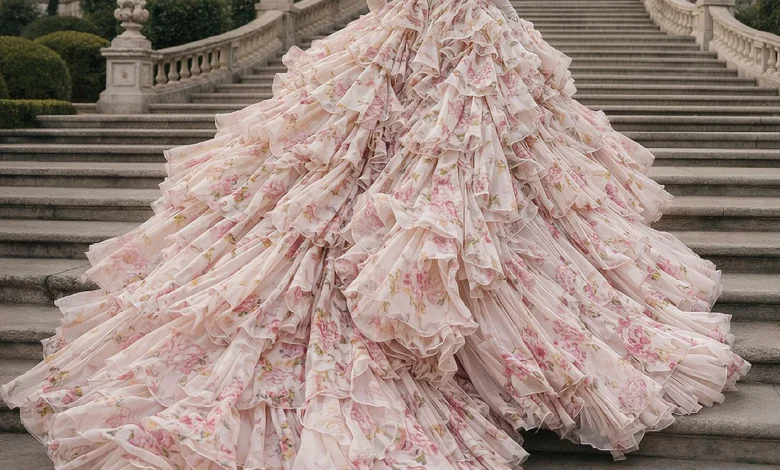
The global bridal industry is currently witnessing a significant shift toward botanical-inspired couture, as floral wedding dresses transition from niche seasonal offerings to a dominant market force for the 2026 wedding season. This movement, characterized by a fusion of traditional romanticism and modern textile technology, was a central theme at recent Bridal Fashion Weeks in New York and Barcelona. Designers are increasingly moving away from static, flat patterns in favor of three-dimensional (3D) appliqués, watercolor-inspired prints, and intricate embroidery that transform bridal gowns into wearable art. As couples seek more personalized and nature-centric celebrations, the demand for floral motifs has surged, reflecting a broader cultural shift toward "cottagecore" aesthetics and outdoor, garden-style ceremonies.
The 2026 Trend Forecast: From Flat Prints to 3D Dimensions
Industry analysts and fashion historians note that the 2026 bridal collections represent a departure from the minimalist "clean girl" aesthetic that dominated the early 2020s. According to reports from New York Bridal Fashion Week, the upcoming season is defined by "dimensional storytelling." Leading designers such as Claire Pettibone and Alexandra Grecco have pioneered techniques that elevate the floral concept. Pettibone’s latest collections focus on intricate embroidery that mimics the organic growth of vines, while Grecco has revitalized the fabric flower brooch and 3D petal attachments to create movement.
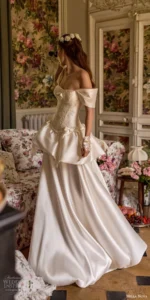
The primary innovation for 2026 is the transition of florals from the surface of the fabric into the structure of the dress itself. This includes laser-cut petals, feather-light silk organza blooms, and layered textures that provide a tactile experience. These designs are not merely decorative; they are integrated into the silhouettes to enhance the bride’s natural form, providing volume in ballgowns or delicate detailing on sleek mermaid cuts.
Watercolor and Artistic Interpretations
One of the most significant sub-trends identified for the upcoming season is the "watercolor effect." This style utilizes soft, painterly prints that evoke the feeling of an Impressionist painting. Unlike traditional bold prints, watercolor florals offer a blurred, ethereal quality that appeals to brides looking for a romantic yet contemporary look.
Fashion experts suggest that watercolor gowns are particularly versatile because they bridge the gap between traditional white and high-fashion color. These dresses often feature subtle washes of blush, lavender, sage green, and dusty blue. The psychological impact of these designs is notable; they convey a sense of serenity and lightness, making them ideal for daytime ceremonies, garden weddings, and destination events in locations such as the French countryside or Italian vineyards.
Technical Artistry: Lace and Embroidered Motifs
Lace remains a staple of bridal wear, but the 2026 iteration of floral lace is more specialized. Designers are moving toward "3D lace," where specific floral elements are raised from the base fabric. This technique provides depth that is easily captured in high-definition photography, a growing priority for modern brides.
Embroidered wedding dresses represent the pinnacle of bridal craftsmanship. These gowns often require hundreds of hours of hand-stitching, incorporating glass beads, pearls, and metallic threads to highlight floral patterns. This trend is particularly popular among brides hosting vintage-themed or "regencycore" weddings, where the emphasis is on heirloom-quality details. The use of botanical embroidery allows for a high degree of customization, with some brides opting for specific flowers that hold personal or symbolic meaning, such as lilies for purity or roses for love.
Silhouette and Body Type Optimization
The diversity of floral designs ensures that there is a botanical option for every silhouette. Professional stylists emphasize that the scale of the floral print or appliqué should be chosen in relation to the wearer’s body type to ensure a balanced aesthetic.
Hourglass Figures
For brides with balanced proportions and a defined waist, floral patterns that follow the natural curves are highly effective. Trumpet and mermaid silhouettes adorned with cascading floral vines can accentuate the waist-to-hip ratio. Experts recommend medium-sized floral motifs to maintain the silhouette’s integrity without overwhelming the frame.
Rectangle Figures
Brides with a straighter frame can utilize 3D floral appliqués to create the illusion of volume and curves. Placing larger, more textured flowers at the bust and hips while keeping the waistline relatively clear can simulate an hourglass shape. Ballgowns with tiered floral skirts are also a popular choice for this body type.
Apple-Shaped Figures
For those who carry weight in the midsection, A-line silhouettes with vertical floral embroidery are recommended. This draws the eye upward and downward, lengthening the torso. V-necklines decorated with delicate floral lace can also help balance broader shoulders and a fuller bust.
Pear-Shaped Figures
Pear-shaped brides often benefit from drawing attention to the upper body. Off-the-shoulder necklines with bold floral details or cap sleeves with 3D petals can balance wider hips. A simple, flowing skirt paired with a highly detailed floral bodice is a classic approach to this body type.
The Shift Toward Color and Unconventionality
While white and ivory remain the standard, the 2026 season sees an unprecedented rise in colorful floral gowns. This trend is driven by a desire for individuality and a move away from rigid tradition. Colorful floral dresses allow brides to tell a specific story—be it through vibrant wildflower prints for a bohemian mountain wedding or soft pastel petals for a whimsical forest theme.
Short floral dresses and "minis" are also gaining traction, particularly as "second look" dresses for receptions or for more casual elopements. These shorter hemlines allow for playfulness and showcase footwear, often paired with floral-embellished heels or sandals to complete the botanical theme.
Market Analysis and Pricing Tiers
The cost of floral wedding dresses varies significantly based on the complexity of the design and the materials used. The bridal market is generally divided into three pricing tiers:
- Mass Market and Ready-to-Wear ($800 – $2,500): These gowns typically feature printed florals or machine-applied lace. They offer the floral aesthetic at an accessible price point, often using synthetic blends like polyester-based chiffon or organza.
- Mid-Range and Independent Designers ($2,500 – $6,000): This tier often includes more intricate 3D appliqués and higher-quality fabrics like silk or fine English tulle. Designers in this range focus on unique patterns and better structural support.
- Luxury and Haute Couture ($6,000 – $15,000+): At this level, gowns are often custom-made or feature extensive hand-embroidery and premium silk. The 3D elements are often individually crafted and placed to ensure a one-of-a-kind design.
Preservation and Longevity
Due to the delicate nature of 3D appliqués and intricate embroidery, floral wedding dresses require specialized care. Preservation experts recommend professional eco-friendly cleaning immediately following the wedding to remove invisible stains (such as sugar from cake or perspiration) that can yellow over time.
For long-term storage, these gowns should be placed in acid-free tissue paper and stored in pH-neutral boxes. Given the weight of some 3D-embellished gowns, hanging them for extended periods can stretch the shoulder seams; therefore, flat storage is often preferred by preservationists to maintain the dress’s structural integrity.
Implications for Wedding Guests
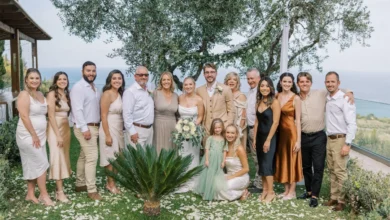
The floral trend extends beyond the bride to the wedding party and guests. However, etiquette experts note that guest attire should remain distinct from the bridal aesthetic. While floral prints are encouraged for guests—especially for spring and summer weddings—they should avoid white-based floral patterns that might photograph too closely to the bride’s gown. Midi-length floral dresses in bold colors or darker botanical prints for autumn weddings are considered appropriate and stylish choices that align with the season’s themes without overshadowing the bridal party.
Conclusion: The Cultural Resonance of the Floral Bride
The enduring popularity of floral wedding dresses reflects a deeper human connection to nature and the symbolism of growth and new beginnings. As the industry moves toward 2026, the integration of technology—such as 3D printing and precision laser cutting—with traditional hand-finishing techniques will continue to push the boundaries of what a "flower dress" can be. Whether through a subtle lace vine or a bold, colorful 3D masterpiece, the floral wedding dress remains a powerful medium for self-expression in the modern matrimonial landscape. Professional designers and retailers are preparing for a record-breaking year as brides continue to embrace the romantic, whimsical, and timeless allure of the botanical world.