The Convergence of Beauty and Wellness: How Unilever is Redefining Consumer Health Strategies

The global consumer packaged goods (CPG) landscape is undergoing a fundamental transformation as the historical silos between beauty, nutrition, and personal care dissolve. At the Groceryshop conference in Las Vegas this week, Jostein Solheim, CEO of Unilever Wellbeing, articulated a vision for a new era of consumer engagement, one where the pursuit of aesthetics is no longer a superficial endeavor, but a science-backed byproduct of internal health. This shift, which bridges the gap between the vanity of the past and the longevity-focused present, signals a broader pivot for corporate giants like Unilever, which are increasingly positioning themselves as architects of daily wellness.
The Evolution of the Consumer Mindset
For decades, the beauty industry operated on a premise defined by external appearance. Marketing strategies focused on topical solutions, aesthetic enhancements, and the concealment of perceived imperfections. However, Solheim noted that the last decade has seen a radical decoupling of appearance from mere vanity. The consumer journey has moved through three distinct phases: first, a shift toward preventative health and weight management to avoid chronic ailment; second, a philosophical alignment where external beauty is viewed as a reflection of internal equilibrium; and third, the current era of hyper-personalized, data-driven wellness.
This evolution is not merely anecdotal. Market data reflects a growing consumer skepticism toward traditional "beauty" messaging. According to industry analysis, the "wellness" market—comprising nutrition, sleep, mindfulness, and healthy eating—is currently valued at over $1.5 trillion globally. Consumers are no longer content with "better-for-you" labels; they are demanding clinical validation, high-efficacy ingredients, and integration with their personal biometric data.
Chronology of a Corporate Pivot
Unilever’s transformation into a wellness-centric conglomerate did not happen overnight. It was a calculated series of acquisitions and strategic shifts designed to future-proof the company against declining interest in legacy beauty products.
- 2019: Unilever signals its intent to disrupt the supplement aisle with the acquisition of Olly. The move was widely viewed as a challenge to the established pharmaceutical-led vitamin industry, favoring a brand that treated health as a lifestyle choice rather than a medical necessity.
- 2020–2022: As the COVID-19 pandemic accelerated interest in immunity and metabolic health, Unilever continued to refine its portfolio, focusing on high-growth areas like hydration and cellular health.
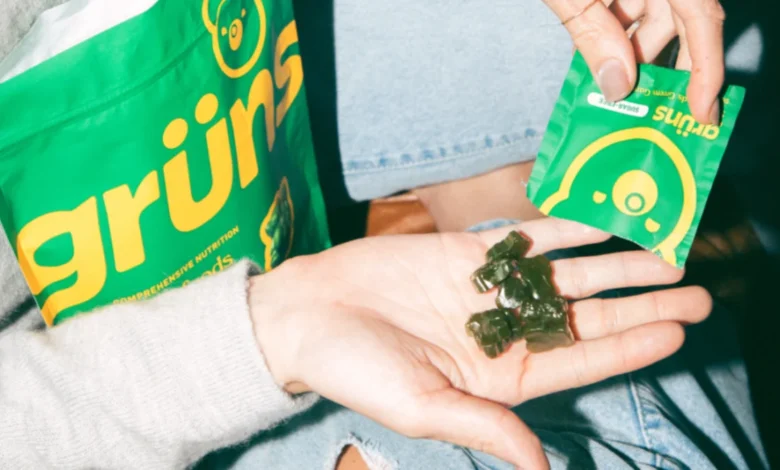
- 2023–2024: The company solidified its position in the "power brand" space. The acquisition of Grüns, a direct-to-consumer nutritional supplement company, earlier this year, marked a significant milestone. Grüns, known for its gummy format delivering essential vitamins, minerals, and fiber, represents the current ideal for Unilever: a product that fits seamlessly into a modern, fast-paced lifestyle while addressing the side effects of modern dietary interventions, such as GLP-1 usage.
Today, Unilever Wellbeing manages a robust portfolio of seven brands, four of which—Olly, Liquid I.V., Nutrafol, and Grüns—are categorized as "power brands." These assets provide a diversified foothold in the wellness market, catering to hair health, hydration, and nutritional density.
The Role of Technology and the GLP-1 Revolution
The rapid rise of GLP-1 receptor agonists (such as Ozempic and Wegovy) has acted as a primary catalyst for the current wellness boom. While these drugs have revolutionized weight management, they have also created a secondary market for nutritional support. Solheim pointed out that products like those in the Grüns lineup are becoming essential companions to GLP-1 therapy. As patients navigate potential nutrient deficiencies or digestive shifts resulting from these medications, there is a heightened demand for high-fiber, vitamin-rich supplements that can be easily integrated into a daily routine.
Furthermore, the "digitalization of wellness" has empowered the average consumer to a degree previously unseen. With the proliferation of wearable technology, AI-assisted health tracking, and instant access to scientific literature, the barrier between the laboratory and the living room has thinned. Consumers now expect products to be backed by data. They are no longer buying into vague promises of "radiance" or "youthfulness" without understanding the underlying mechanism of action. This has forced CPG companies to abandon the "overclaims" that historically plagued the supplement industry in favor of transparency and scientific rigor.
Targeting the Next Generation of Longevity
Perhaps the most significant driver of this shift is the change in demographic priorities. While previous generations often viewed health as a reactive process—something to be addressed once symptoms emerged—Gen Z and millennials are approaching health through the lens of proactive longevity.
Solheim’s observation that the wellness industry is being "driven by Gen Z" is supported by recent spending trends. Younger cohorts are investing in healthy aging in their 20s and 30s, prioritizing sleep hygiene, gut health, and cognitive performance as the pillars of their future wellness. For a CPG giant, this represents a significant business opportunity. Acquiring a customer at age 65, when chronic issues may already be established, offers limited long-term brand equity. However, engaging with a consumer in their early 30s who is consciously building a foundation for "healthy aging" creates a lifetime of loyalty and recurring revenue.
This demographic shift is forcing a change in marketing language. Messaging is moving away from "anti-aging" toward "pro-longevity." It is about optimizing the body’s functions rather than hiding the passage of time. This linguistic pivot is essential for companies aiming to remain relevant in a market where authenticity is the highest currency.
Implications for the CPG Sector
The blurring of beauty and wellness has profound implications for the competitive landscape. Large multinationals are no longer just competing with each other; they are competing with agile, digital-native startups that have already mastered the art of community building and direct-to-consumer data feedback loops.
The success of the "power brand" strategy employed by Unilever suggests that the future of the CPG industry lies in ecosystem building. By owning brands that cover various aspects of a person’s day—from morning hydration (Liquid I.V.) to daily nutritional gaps (Grüns) and targeted health goals (Nutrafol)—companies can capture a larger share of the consumer’s "wellness wallet."
However, this approach comes with risks. As the market becomes saturated with wellness products, the burden of proof grows heavier. Companies will face increased scrutiny from regulators regarding health claims and the efficacy of their formulations. Additionally, the reliance on AI and data-driven personalization requires a high degree of consumer trust, particularly concerning privacy and data usage.
Conclusion
The comments from Unilever’s leadership at Groceryshop highlight a shift that is far deeper than a mere change in product assortment. It is a fundamental realignment of the relationship between global commerce and human biology. As consumers continue to take agency over their own health, the companies that will thrive are those that view the human body not as a canvas for beauty, but as a complex, data-rich system that requires ongoing, science-backed maintenance.
The era where beauty and wellness were separate aisles in a store is effectively coming to an end. In their place, a more integrated, proactive approach is emerging—one that treats health as the prerequisite for beauty, and beauty as the natural, vibrant expression of a well-maintained body. For Unilever and its peers, the mandate is clear: continue to innovate, provide scientific transparency, and meet the younger generation where they are—at the intersection of health, data, and daily life. As Solheim noted, the groundwork for healthy aging is being laid today, and for those in the CPG industry, the opportunity to influence that journey has never been greater.