The Evolution of Trend Forecasting in the Age of Artificial Intelligence

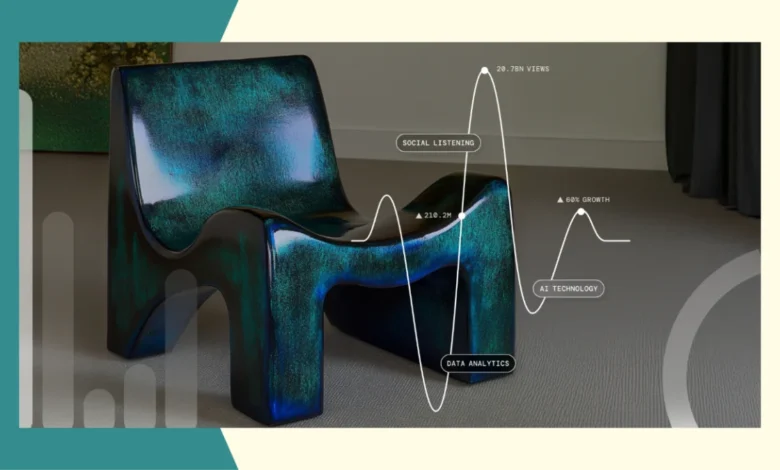
The conversation surrounding artificial intelligence in the fashion industry has, until recently, been overwhelmingly preoccupied with generative capabilities. While the ability of AI to create novel imagery, digital garments, or synthetic marketing assets has dominated the headlines, a more profound transformation is occurring beneath the surface. For the global fashion sector, the true revolution lies in how AI acts as an accelerator for existing, expert-validated intelligence. By integrating advanced machine learning with decades of proprietary data, firms are moving beyond simple trend identification toward a model of predictive operational precision.
This shift represents a significant departure from the traditional, static reporting structures that have defined fashion forecasting for the past quarter-century. As outlined in The Interline’s AI Report 2026—a comprehensive analysis featuring insights from 17 AI-specialized companies and feedback from nearly 100 industry experts—the integration of AI is not a replacement for human insight but a catalyst for its scalability.

A Chronology of Data-Driven Forecasting
To understand the current inflection point, one must examine the progression of trend analysis over the last 25 years. Historically, forecasting was a manual, artisanal endeavor. In the late 1990s and early 2000s, intelligence was disseminated through physical reports, seasonal color swatches, and in-person consultations between industry experts and creative directors. This era was defined by "expert intuition," where senior analysts synthesized observations from global runways and street-level cultural shifts into actionable guidance.
By the 2010s, the rise of digital platforms and social media introduced a new layer of real-time data. Forecasters began incorporating search volume trends and social media sentiment analysis into their methodologies. However, this period was characterized by a "signal-versus-noise" challenge; the sheer volume of digital data often obscured genuine, long-term consumer shifts.
Now, in 2026, the industry has entered the "Operational Integration" phase. AI models are no longer just external tools that generate reports; they are being embedded directly into the supply chain, merchandising, and product development systems of major brands. This allows for a seamless flow of intelligence from a global research network directly into the software that dictates inventory purchases and production schedules.

The Mechanism of Intelligence: Proprietary vs. Public Data
A critical distinction emerging in the 2026 AI landscape is the difference between generic models and proprietary-trained systems. AI models trained on the public internet—which includes everything from outdated blog posts to unreliable social media rumors—often produce generic, commoditized insights. Conversely, models trained on 25 years of proprietary, expert-validated data provide a distinct competitive advantage.
When an AI system is grounded in decades of documented lifecycle data—tracking how a specific aesthetic, color palette, or material innovation moved from niche adoption to mass-market saturation—it can differentiate between a passing social media meme and a genuine, long-term movement. This capability provides a "longevity score" for emerging trends, a metric that is invaluable to a merchant managing millions of dollars in inventory.
Impact on Industry Decision-Making
The operational implications for fashion houses are substantial. Modern forecasting tools now enable stakeholders at different levels of the business to query intelligence with unprecedented speed and accuracy:
- Merchandising: A merchandiser in a regional hub can query an AI assistant about the viability of a specific silhouette in their market, receiving an answer grounded in historical sales data and trend longevity scores within seconds.
- Product Development: Design teams can "pressure-test" concepts against forward-looking trend trajectories before committing capital to tooling or raw materials, effectively reducing waste.
- Supply Chain: Procurement leads can align material orders with validated color trends, ensuring that the supply chain is prepared for upcoming seasonal shifts without the risk of overproduction.
According to industry analysts, these capabilities address the "translation gap"—the space between knowing a trend is rising and understanding how to implement it into a specific product’s design, price point, and supply chain logistics.
The Human Element: Why Experts Remain Central
Despite the rapid adoption of AI, there is a consensus among industry leaders that the human element remains irreplaceable. The genesis of a trend rarely begins in a dataset; it begins in the physical world. Anthropologists, designers, and researchers stationed in global hubs like Seoul, Paris, and Milan continue to capture the "earliest signals"—the subtle shifts in consumer behavior, the innovative swatches being developed by niche mills, and the evolving language of youth culture.
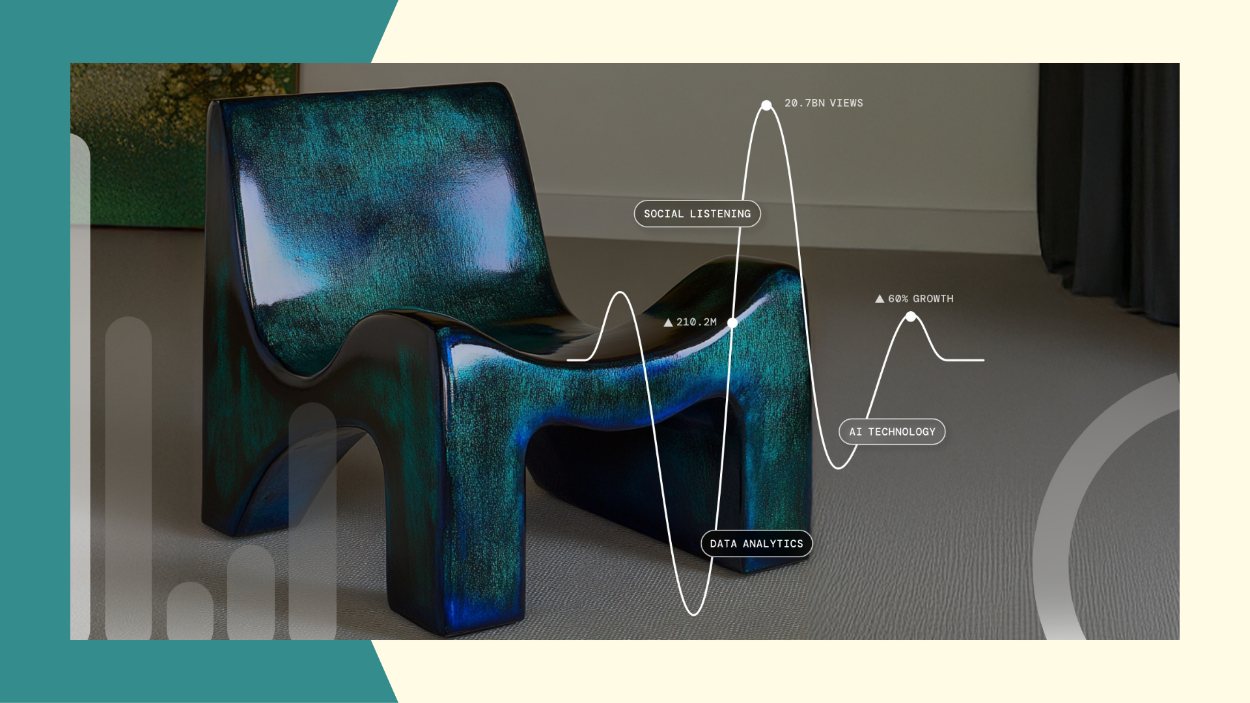
These 250+ experts serve as the "input layer" for AI systems. Without this human-centric, IRL (in real life) data, AI systems would be starved of the nuance required for high-stakes creative decisions. The intelligence is not generated by the AI; it is captured by humans, curated by experts, and then amplified by the machine. This human-data synthesis ensures that the resulting insights are not only statistically significant but also culturally resonant.
Data Asymmetry and Market Differentiation
The long-term implication of this shift is the widening of "data asymmetry" within the fashion industry. As AI becomes more accessible, the value of the tool itself will diminish, while the value of the underlying data will skyrocket. Brands that possess proprietary data—built through years of rigorous, deliberate documentation—will be able to train more accurate, defensible, and specific models than their competitors.
This creates a scenario where the "brand as a platform" becomes the standard. Firms that treat their internal data as a strategic asset will be able to pivot their strategies with agility, while those reliant on generic, third-party AI tools will struggle to differentiate their offerings.
Broader Industry Outlook
Looking toward the next decade, the integration of AI into fashion forecasting will continue to deepen. We are moving toward a future where predictive intelligence is ubiquitous, embedded in everything from PLM (Product Lifecycle Management) systems to automated replenishment software.

The successful brands of the late 2020s will not be those that hand over their creative process to an algorithm. Rather, they will be those that empower their teams with an intelligent, data-driven framework that supports every stage of the product journey. By marrying the craft of the artisan with the speed and scale of the machine, the industry is entering its most sophisticated era of consumer alignment to date.
The role of the forecaster is shifting from an observer to a curator of intelligence. As the AI Report 2026 suggests, the objective is no longer simply to predict the future, but to create it with precision. For companies willing to invest in the quality of their foundational data, the next decade offers a unique opportunity to achieve a level of commercial efficiency that was previously unimaginable. The technology exists to translate global signals into local, profitable realities, provided the intelligence feeding that engine remains grounded in human expertise.