Meta Expands Brick-and-Mortar Footprint with Six New Meta Lab Stores to Fuel AI Wearables Growth

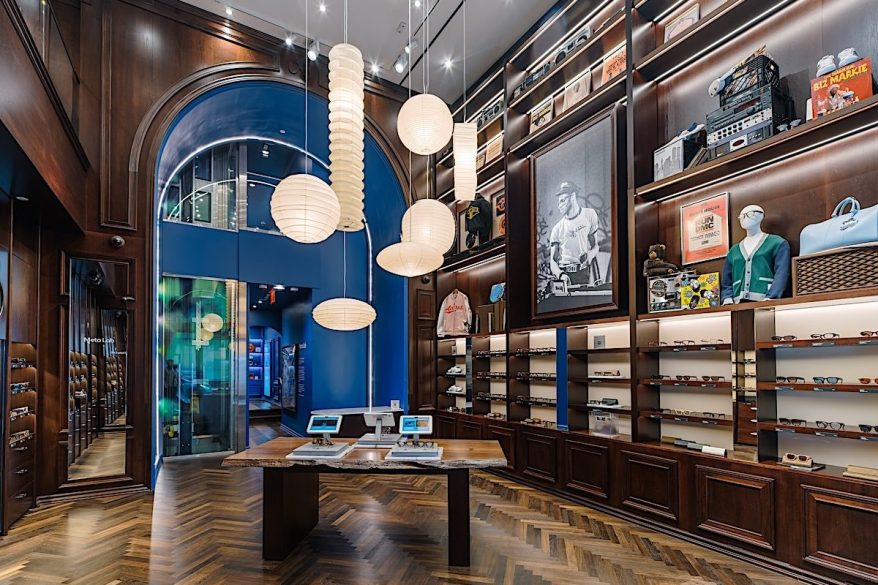
The bustling interior of the Meta Lab on Fifth Avenue in New York City encapsulates the rapid evolution of consumer technology retail. Shortly after opening time, visitors stream into the space, browsing racks of AI-powered smart glasses, evaluating the merits of transition versus clear lenses, and trying on various frames. Among the diverse lineup, the Starfire edition designed in collaboration with celebrity figure Kylie Jenner proves particularly popular, frequently drawing crowds as shoppers flip open sleek, rechargeable carrying cases. Upstairs, staff members deliver guided demonstrations to curious patrons while a laser-engraving station applies New York-specific icons—such as local hot dog carts—onto custom purchases.
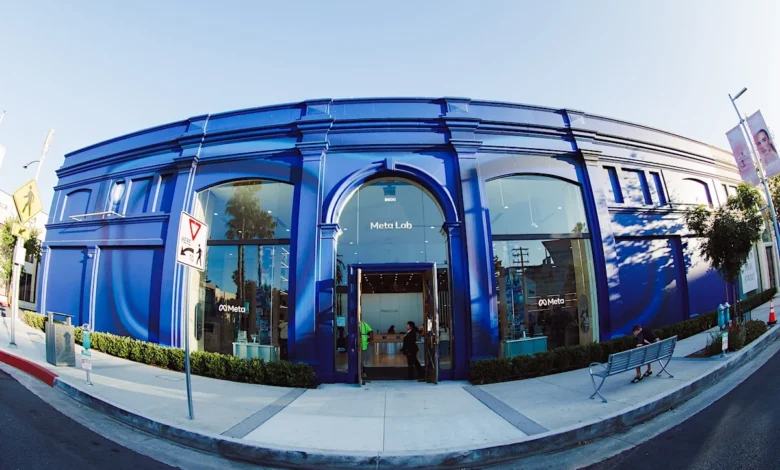
This immersive retail experience is about to become far more accessible to a national audience. Meta has confirmed plans to open six new standalone Meta Lab stores over the coming months, an aggressive brick-and-mortar expansion designed to capitalize on surging consumer interest in wearable artificial intelligence. The rollout commenced on September 10 with a new location in Houston. Subsequent stores are scheduled to open in Atlanta; San Diego; Chicago; Scottsdale, Arizona; and Moynihan Station in New York City.
This upcoming wave of openings will nearly double Meta’s standalone retail footprint. Prior to the Houston launch, the company operated eight flagship and pop-up locations, most notably in Los Angeles, New York City, and Honolulu. This physical retail push represents a strategic shift for a tech giant traditionally rooted in software and digital advertising, underscoring its commitment to establishing a dominant presence in the emerging wearables market.
Chronology of Evolution: From Ray-Ban Partnerships to Independent Hardware
Meta’s journey into the smart glasses sector began in September 2021, when the company partnered with EssilorLuxottica, the parent company of Ray-Ban, to introduce the first generation of Ray-Ban Stories. Though initial reception was tepid, the companies refined the concept, launching a significantly improved second generation in December 2023 that integrated more robust AI capabilities and higher-quality cameras.
The hardware ecosystem expanded rapidly in subsequent years. By 2025, Meta introduced the Ray-Ban Display glasses, starting at $799, which featured a built-in visual display projector. Concurrently, the company debuted the Meta Vanguard line in partnership with Oakley, tailored specifically for athletes and active lifestyles.
The momentum continued into mid-2026. In June, Meta announced a new baseline line of Meta Glasses featuring adjustable nose pads starting at $299, alongside a $399 iteration created in collaboration with Kylie Jenner, whose voice powers the accompanying AI assistant. These persistent hardware iterations have transformed smart glasses from a novelty tech gadget into a fashionable lifestyle accessory.
Market Data and Competitive Landscape
Despite being an emerging product category, smart glasses are experiencing unprecedented growth. According to data from market research firm Circana, revenue for the smart glasses category surged by 233% during the twelve-month period ending in May. Meta and its primary partner, EssilorLuxottica, command an overwhelming share of this burgeoning market. A February report from Counterpoint Research estimated that the partnership controls more than 80% of global smart glasses shipments. Furthermore, industry reports indicate that Meta sold at least 7 million units of its smart glasses over the course of the previous year.
Chief Executive Officer Mark Zuckerberg highlighted this explosive trajectory during an earnings call in July, declaring that the company’s smart glasses "remain one of the fastest-growing consumer electronics of all time."
However, mass adoption remains an ongoing objective rather than a realized milestone. The category must contend with consumer hesitation, a slower replacement cycle compared to smartphones, and significant regulatory and public scrutiny surrounding privacy.
Inside the Meta Lab Retail Strategy
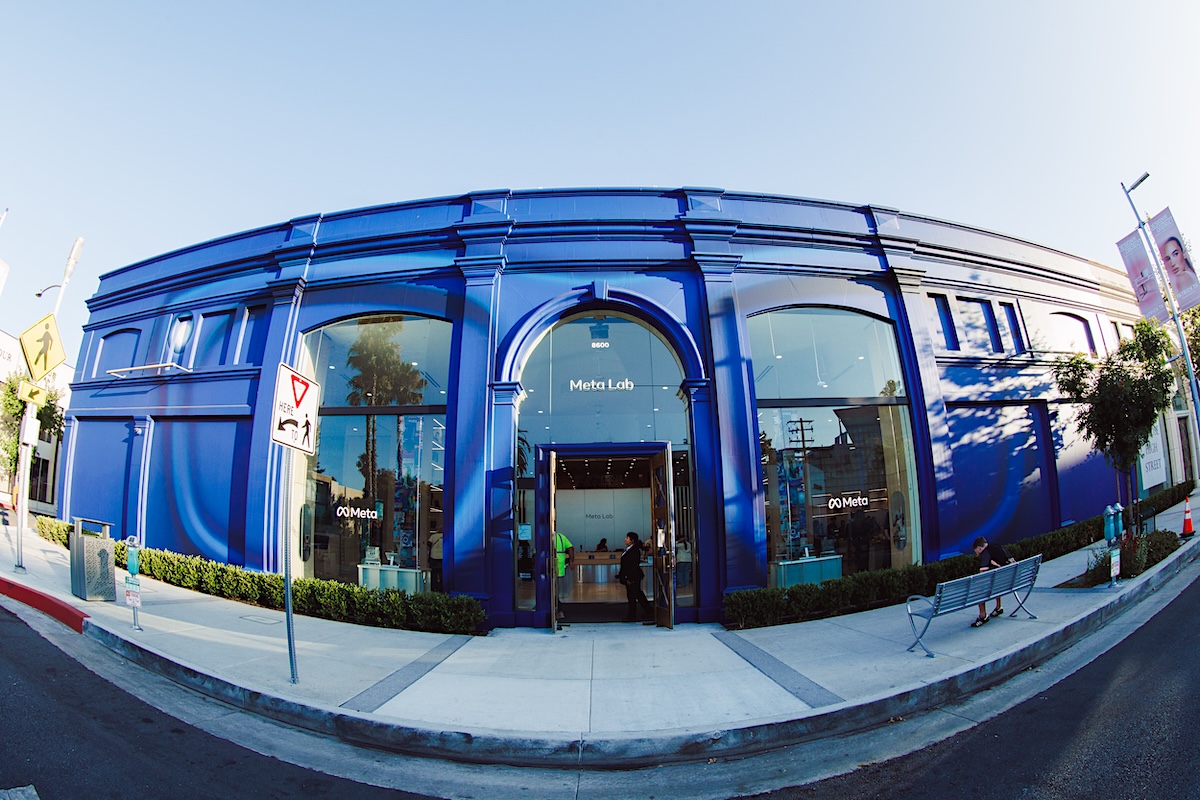
The genesis of the Meta Lab concept traces back to a temporary pop-up activation at Meta’s Connect conference in September 2024. The pilot exceeded internal expectations: over 90% of conference attendees visited the experimental space, and more than 25% completed a purchase. Encouraged by this engagement, Meta opened its first permanent brick-and-mortar location in Los Angeles that November, deliberately placing stores in high-traffic districts surrounded by luxury fashion and lifestyle brands.
Matt Jacobson, vice president and creative director at Meta, emphasized that marketing wearable technology requires a fundamentally different approach than traditional consumer electronics. "We’re selling a lifestyle-slash-fashion product… for the most important real estate you have: your face," Jacobson noted. "We can’t rely strictly on someone buying these online." Acknowledging that purchasing eyewear is a personal and occasionally vulnerable experience, Jacobson explained that Meta Labs are engineered to serve as welcoming environments where shoppers can comfortably experiment with different styles.
Meta Lab locations showcase a comprehensive inventory, including baseline Meta Glasses, Ray-Ban Meta, Oakley Meta, Meta Ray-Ban Display, and Meta Quest virtual reality headsets. Dozens of frames, colorways, and lens options are available for testing. Store associates guide shoppers through product demonstrations, encourage use of full-length mirrors, and explain the underlying AI infrastructure. Additionally, locations provide on-site eye exams and prescription lens ordering services.
To accommodate international tourists frequenting flagships in cities like New York and Honolulu, Meta is deploying multilingual self-service kiosks. The stores also strive to reflect local culture; the Waikiki location features furniture manufactured in Hawaii and complimentary local coffee, while the New York and Los Angeles flagships regularly host live DJ sets. "The focus is definitely on making our spaces feel residential, not commercial," Jacobson stated.
In addition to driving hardware sales, Meta Labs serve a broader brand-awareness purpose. Meta’s family of social applications—including WhatsApp, Instagram, Messenger, Facebook, and Threads—connects with 3.9 billion monthly active users globally, yet physical touchpoints have historically been nonexistent. Jacobson noted that the labs bridge this gap, allowing the public to experience Meta as a hardware and innovation company.
Privacy Controversies and Regulatory Scrutiny
As Meta expands its physical footprint and user base, the company faces growing resistance regarding the privacy implications of its camera-equipped wearables. Because the glasses capture photos and videos via built-in lenses—signaled by a small LED light when recording is active—they have attracted intense regulatory attention.
In May, Texas Attorney General Ken Paxton launched an official investigation into Ray-Ban Meta glasses, expressing concern that the recording devices could infringe upon personal privacy in sensitive environments such as public restrooms and locker rooms. Similarly, in January, the New York Police Department’s counter-terrorism unit issued an internal warning to officers regarding the potential security and counterintelligence risks posed by smart glasses in the field.
Public misuse has further complicated the product’s reputation. Instances of wearers covertly recording unsuspecting individuals, executing prank videos, and uploading the content to social media platforms have prompted online critics to disparagingly label the devices "pervert glasses." In response to the backlash, Meta announced updates in August designed to automatically disable the camera functionality if physical tampering is detected.
Addressing these challenges, Jacobson reiterated Meta’s commitment to responsible use. "This is a new product and a new category that people are just learning how to use," he said. "We’re taking the responsibility to explain to people how they work and why they work, and encourage people to use the product responsibly."
Industry Analysis and Future Outlook
Retail analysts hold mixed yet generally optimistic perspectives on the long-term viability of smart glasses and Meta’s retail strategy. Neil Saunders, managing director at GlobalData Retail, suggests that while consumer demand is genuine, expectations should be tempered.
"The idea that smart glasses are going to become a category like phones is a bit fanciful in my view," Saunders observed. He further noted that once purchased, smart glasses are unlikely to follow the rapid, annual replacement cycle typical of smartphones. Nevertheless, Saunders acknowledges the strategic value of Meta Labs, noting that physical stores facilitate experimentation, drive cross-promotion of adjacent Meta services, and yield vital consumer feedback for future product iterations. "It does make sense to put these in big and important markets," he added.
Conversely, Nicole Greene, vice president and analyst at Gartner, views the Meta Lab initiative as an advantageous play across multiple dimensions. "It’s a win-win-win," Greene stated. By driving hardware adoption, Meta is effectively fostering behavioral changes that support its long-term data ecosystem and core business. Furthermore, she argues that these experiential environments help society adapt to personalized artificial intelligence, benefiting the broader technology sector.
Looking ahead, Meta plans to maintain its flexible retail approach, remaining open to various store formats including high-street flagships, mall storefronts, and shop-in-shop partnerships. Having already established a partnership with Best Buy in June to offer demos and fittings across select locations—with plans to scale to 50 shop-in-shops by the end of 2026—Meta is positioning physical retail as the cornerstone of its hardware division.
As the company prepares to unveil further details regarding its upcoming hardware lineup at the annual Connect conference, leadership remains confident in the experiential retail model. "We’re trying to be really smart about where we feel like retail is going to be three to five years from now," Jacobson concluded. "I really do believe that all retail is experiential. We can’t become a place—and won’t become a place—where people just come in and pick stuff up."