Beyond the White Low-Top: The Evolution of Modern Men’s Footwear Rotation and the Rise of Textured Sneaker Craftsmanship

For decades, the standard paradigm of men’s casual footwear dictated a straightforward formula: a pristine, minimalist white leather low-top sneaker could solve virtually any sartorial dilemma. Versatile enough to anchor denim, complement chinos, or even soften tailored suits for unconventional formal settings, the white leather trainer became a ubiquitous uniform of contemporary smart-casual dress codes. However, as the menswear landscape undergoes a structural shift toward individuality, texture, and seasonal adaptability, style authorities and footwear specialists argue that relying on a single silhouette means overlooking a vast spectrum of architectural design.
Contemporary wardrobe curation has evolved from simply possessing options to engineering a deliberate sneaker rotation. Today, distinct shapes, rich color palettes, and contrasting tactile finishes serve specific functional and aesthetic purposes. This shift allows wearers to elevate their everyday styling without requiring a complete overhaul of their existing wardrobes. At the forefront of this movement is Dutch footwear specialist ETQ Amsterdam, a brand recognized for its stripped-back aesthetic, premium material selection, and artisanal manufacturing processes based in Portugal. By bridging the gap between luxury craftsmanship and everyday wearability, the label exemplifies a broader industry trend toward purposeful, seasonally attuned footwear design.
The Historical Shift in Men’s Footwear
The democratization of the sneaker over the past twenty years fundamentally altered global fashion economics. Once relegated strictly to athletic utility or rebellious youth subcultures, trainers transitioned into boardroom-acceptable attire and high-fashion runway fixtures. According to global retail data from footwear market analysts, athletic and casual footwear sales have consistently outpaced traditional dress shoes since the mid-2010s. Consumers increasingly prioritize comfort, durability, and versatility over rigid formalwear traditions.
Yet, market saturation of the generic white leather trainer has sparked a counter-movement. Consumers and designers alike are seeking greater nuance. The modern sneaker consumer looks for depth through materials like nubuck, hairy suede, and technical mesh, while embracing silhouettes that draw inspiration from heritage sports, nautical traditions, and vintage court shoes. This evolution reflects a broader macroeconomic trend: consumers are buying fewer, higher-quality items designed to weather seasonal shifts, favoring enduring craftsmanship over fast-fashion trends.
Materiality and Seasonality: The Case for Brown Nubuck
As autumn and winter weather replaces the lighter fabrics of spring and summer, footwear must adapt accordingly. While stark white and flat black have historically dominated daily rotations, intermediate earthy tones—specifically rich browns—offer superior versatility for colder months.
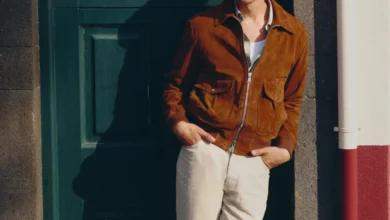
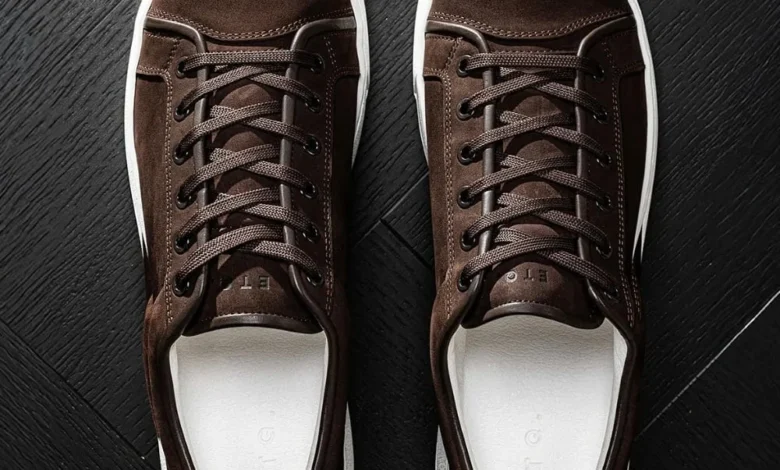
Nubuck, a top-grain leather that has been sanded or buffed on the grain side to give a slight nap of short protein fibers, introduces a velvety texture that adds both warmth and optical depth to a design. Chocolate brown nubuck, in particular, harmonizes effortlessly with the heavier wools, tweeds, and deep indigo denims characteristic of autumn and winter collections. Industry stylists frequently pair brown nubuck trainers with olive chinos, oatmeal knitwear, or ecru trousers to establish subtle contrast without the visual severity of black.
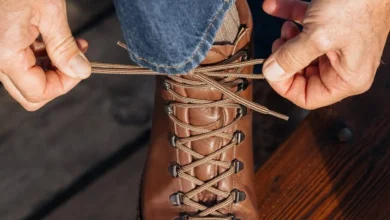
The LT 01 Shades Nubuck Chocolate model by ETQ Amsterdam illustrates this balance. By utilizing a clean, low-top upper that maintains understated elegance alongside a slightly thicker sole profile, the design accommodates contemporary, relaxed trouser cuts. Furthermore, the inherent characteristics of premium nubuck ensure that the material develops a unique patina with wear, aligning with the growing consumer preference for items that age gracefully rather than degrading over time.
Bridging Heritage and Modernity: The Deck Shoe Hybrid
Another significant trend reshaping the current footwear market is the reimagining of traditional silhouettes through hybrid design. The classic boat shoe, originally engineered for maritime traction by Sperry in the 1930s, has experienced periodic revivals. However, its deeply entrenched preppy and nautical associations often alienate consumers seeking a modern, urban aesthetic.
To resolve this, contemporary designers have introduced the deck shoe hybrid—a silhouette that retains the recognizable moccasin-style stitching and low-profile upper of a traditional boat shoe while mounting it onto a modern, substantial rubber sneaker sole. This fusion creates a functional middle ground between structured leather loafers and casual trainers.
Market reception for hybrid footwear has been overwhelmingly positive among urban professionals navigating flexible dress codes. By combining full-grain leather construction with cushioned athletic soles, brands provide the intellectual rigor of a traditional shoe paired with the ergonomic benefits of a sneaker. Industry experts note that pairing these hybrids with relaxed tailored trousers and fine-gauge knitwear projects a deliberate, considered aesthetic that avoids looking overly formal or carelessly dressed.
Nostalgia and Performance: Retro Gum-Sole Sneakers and Refined Runners
The allure of the past remains a powerful driver in footwear design. Retro gum-sole sneakers, characterized by their distinctive caramel-colored rubber outsoles, tap into a deep vein of athletic nostalgia. Originally developed for indoor court sports and training throughout the mid-20th century, the gum sole offers a warm, earthy contrast against uppers rendered in cream, taupe, or soft grey.
This visual interplay allows wearers to incorporate vintage design cues into their wardrobes without committing to loud, trend-driven athletic wear. Models that incorporate vintage-style toe caps, piped seams, and restrained nubuck-and-suede combinations—such as the LT 05 Layered Gum Desert Taupe—demonstrate how classic sports architecture can be refined for contemporary, everyday utility.
Simultaneously, the refined retro runner has cemented its place as a permanent fixture in modern menswear. Unlike high-performance running shoes engineered strictly for marathons, lifestyle retro runners utilize a sophisticated mix of suede, nubuck, and breathable mesh designed to complement tailored or relaxed silhouettes. Industry analysts point to the rise of wider-leg trousers and relaxed denim as a primary catalyst for this trend; chunky or substantial runner profiles provide the necessary visual weight to anchor voluminous garments without overwhelming the wearer’s frame.
The Enduring Relevance of Minimalism and Mid-Top Architecture
Despite the proliferation of textured and hybrid designs, minimalist white leather sneakers retain a foundational role in the global footwear economy. Their enduring popularity lies in their neutrality. By disappearing into an outfit rather than demanding attention, a high-quality white nappa leather trainer bridges the gap between casual streetwear and unstructured tailoring. However, market analysts emphasize that as consumers grow more discerning, the margin for error in minimalist design narrows considerably. Without loud branding or complex panelling to distract the eye, the quality of the leather, precision of the stitching, and proportions of the sole dictate the perceived value of the product.
Complementing the low-top minimalist shoe during colder months is the emergence of the all-black mid-top. Derived from vintage basketball footwear but stripped of oversized logos and vibrant team colorways, the mid-top sits just above the ankle, offering a substantial silhouette that pairs seamlessly with heavy outerwear, wool overcoats, and wide-leg winter trousers. By utilizing premium full-grain leather and memory-foam cushioning, these designs deliver the visual gravity of a traditional boot combined with the lightweight agility of a trainer.
Economic Implications and Future Industry Outlook
The continuous diversification of the men’s sneaker market reflects broader changes in consumer psychology and manufacturing standards. According to recent retail intelligence reports, consumers are increasingly willing to invest in premium, ethically produced footwear crafted in specialized European hubs such as Portugal and Italy, where traditional shoemaking expertise meets modern ergonomic demands.
As sustainability and longevity become central purchasing criteria, brands that prioritize artisanal construction, repairable soles, and durable natural materials are positioned to lead the market. The expansion beyond the standard white low-top is not merely a transient style cycle, but a fundamental maturation of modern menswear—one that values versatility, tactile richness, and thoughtful design over monolithic uniformity.