The Definitive Guide to Men’s Autumn Boots: Essential Styles, Historical Context, and Investment Pieces for Transitional Weather

As the seasonal shift ushers in cooler temperatures, unpredictable precipitation, and leaf-strewn pavements, footwear choices undergo a necessary recalibration. While low-top canvas sneakers and lightweight trainers dominate the warmer months, autumn demands a sturdier foundation. Footwear must balance weather resistance and traction with aesthetic versatility, providing protection against the elements without feeling excessively heavy or ill-suited to mild autumn afternoons. The modern transitional wardrobe requires silhouettes that can bridge the gap between summer breathability and winter insulation, offering durability, comfort, and longevity.
Understanding the landscape of men’s autumn footwear requires looking beyond fleeting seasonal trends to examine heritage designs, functional engineering, and material science. The following comprehensive guide explores eight foundational boot styles engineered for the autumn climate, detailing their historical origins, manufacturing techniques, maintenance requirements, and the leading brands setting the benchmark in contemporary menswear.
The Evolution of Transitional Footwear: Why Boots Matter in Autumn
The historical transition from summer shoes to autumn boots is rooted in utility. For centuries, footwear was strictly bifurcated based on occupation and climate. However, the contemporary menswear landscape has successfully repurposed functional workwear, military surplus, and outdoor gear into everyday style staples.
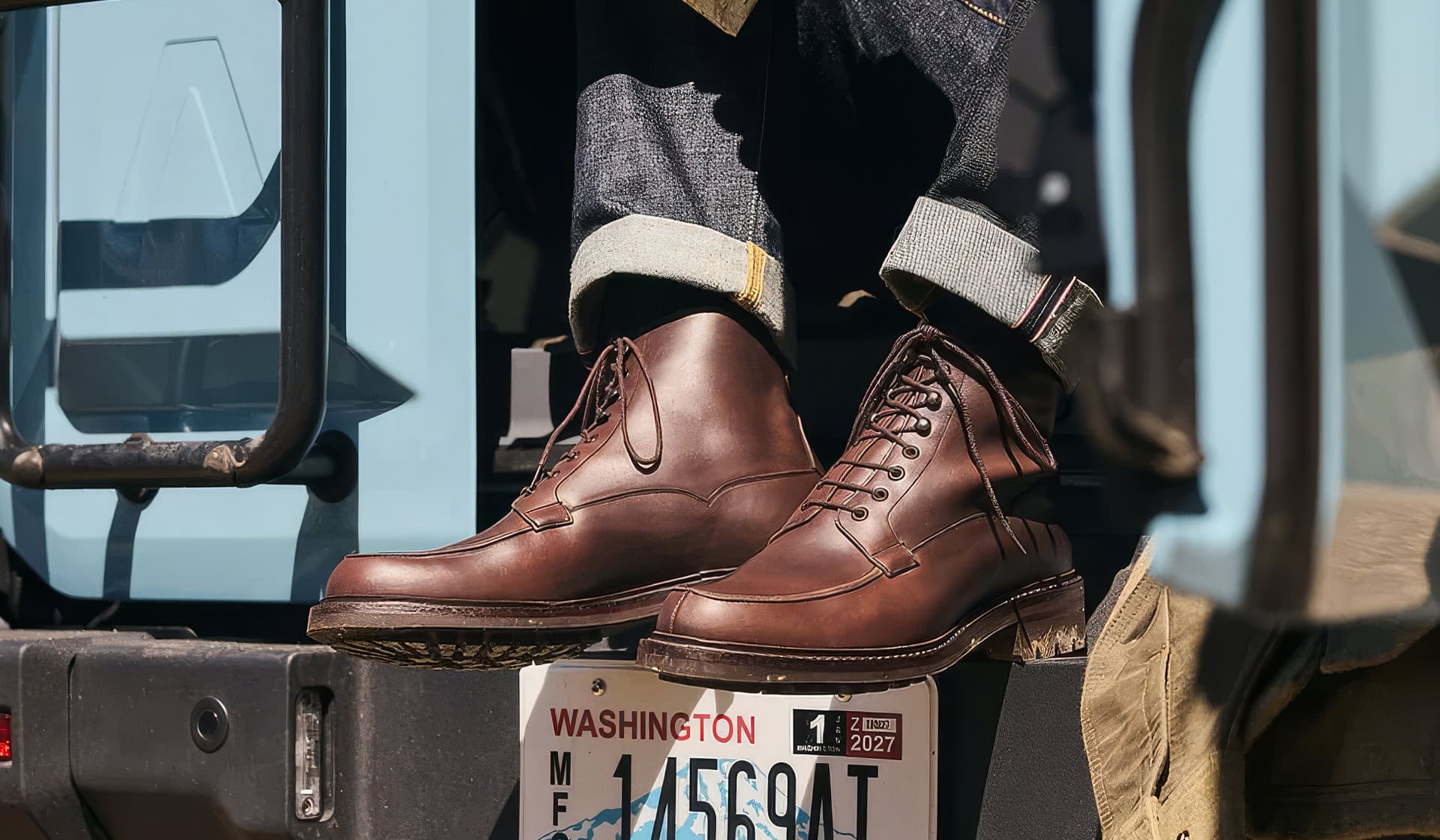
Statistically, footwear purchases peak during the autumn transition, with consumer research indicating a significant surge in demand for leather and suede goods between September and November. According to recent retail data compiled by menswear market analysts, durable leather boots account for over 35 percent of total seasonal footwear expenditures among male consumers aged 25 to 45. This preference is driven by longevity; unlike synthetic mesh trainers that frequently degrade within a single year of heavy use, high-quality Goodyear-welted boots are viewed as multi-year investments. When properly conditioned, resoled, and maintained, a quality pair of leather boots can endure for a decade or more, making them a cost-effective and sustainable choice in an era increasingly critical of fast fashion.
Industry experts note that consumer priorities have shifted toward craftsmanship, transparency in sourcing, and repairability. Brands utilizing traditional construction methods—such as Blake stitching and Goodyear welting—report steady year-on-year growth, reflecting a broader cultural movement toward mindful consumption and heritage aesthetics.
1. The Leather Moc-Toe Work Boot: Industrial Heritage Meets Modern Utility
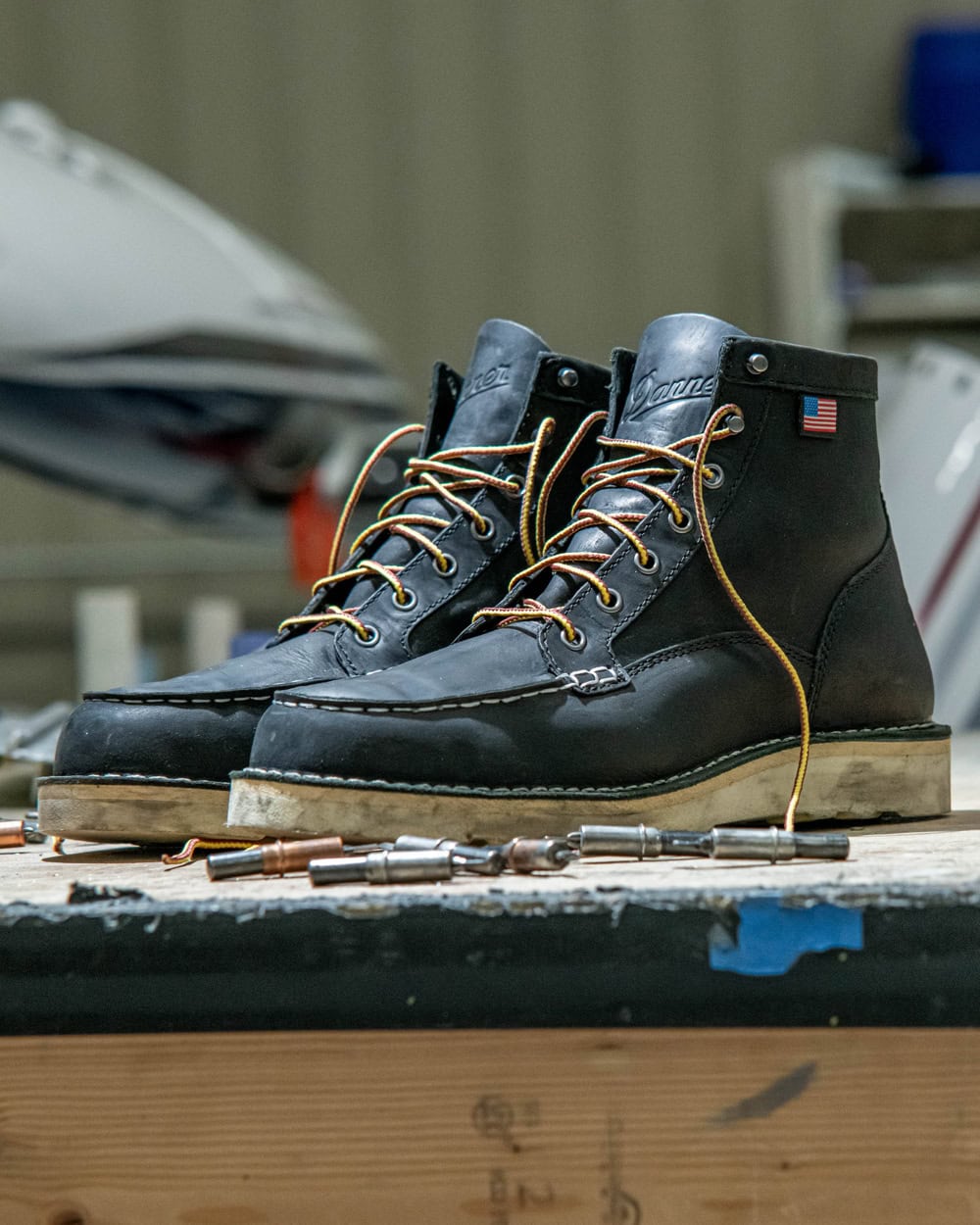
Built to withstand decades of rigorous use in factories, farms, and workshops worldwide, the leather moc-toe work boot is a cornerstone of American blue-collar heritage. Originating in the early 20th century to meet the demands of industrial laborers, this silhouette is instantly recognizable by its thick, oil-tanned leather uppers, distinctive stitched "apron" toe box, and shock-absorbing wedge soles.
Construction and Durability
The defining characteristic of the classic moc-toe boot is its construction integrity. Utilizing heavy-duty leather treated with water-resistant oils and waxes, these boots naturally repel moisture and mud, making them exceptionally well-suited for damp autumn conditions. Furthermore, many premium iterations utilize Goodyear-welted construction. This traditional method involves stitching a strip of leather (the welt) to the upper and the insole, allowing the outsole to be completely replaced when worn down. This design feature drastically extends the lifespan of the footwear.
Styling and Brand Recommendations
While historically worn strictly for labor, the moc-toe has transitioned smoothly into casual urban wardrobes. It pairs naturally with selvedge denim, heavy cotton chinos, and flannel overshirts.
- Red Wing Heritage: Founded in Minnesota in 1905, Red Wing remains the global benchmark for the style, famously producing boots that wear in rather than wear out.
- Danner: Renowned for blending Pacific Northwest logging heritage with technical durability.
- Thorogood: Offering exceptional comfort right out of the box with traditional American craftsmanship.
2. The Retro Mountaineering Boot: Alpine Aesthetics for the Urban Explorer
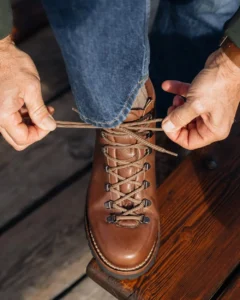
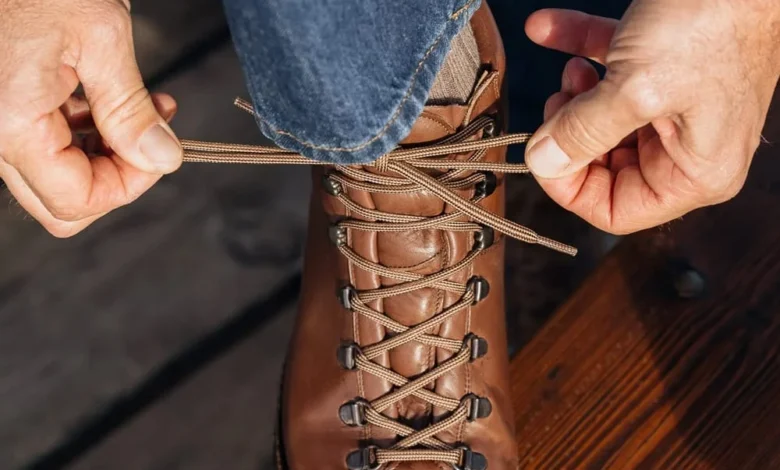
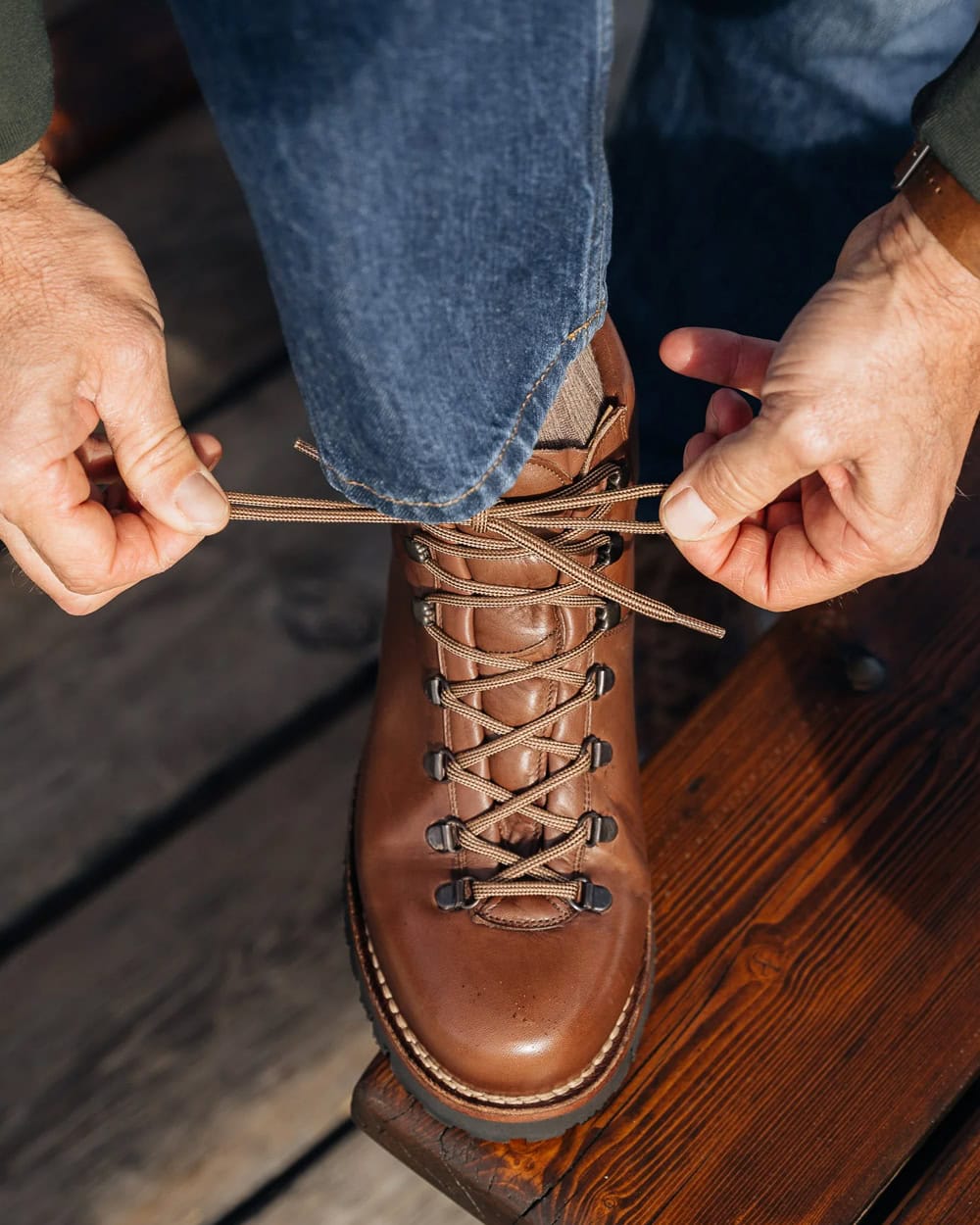
The convergence of technical outdoor apparel and high fashion has accelerated over the past decade. However, modern consumers are increasingly moving away from crinkly, synthetic Gore-Tex and petrochemical-derived materials in favor of heritage designs that offer both style and sustainability. Retro mountaineering boots draw direct inspiration from mid-century alpine gear, utilizing thick leathers, D-ring lace hardware, and Vibram rubber lug soles.
Historical Context and Practicality
Before the advent of lightweight plastics and synthetic textiles, mountaineers conquered peaks in heavy leather boots. While modern hikers would rarely select a traditional leather boot for a technical alpine ascent due to weight considerations, these retro-styled alternatives offer unmatched durability for city dwellers navigating wet, slippery autumn streets. The rigid ankle support, gusseted tongues, and aggressive tread patterns provide superior stability on uneven terrain.
Styling and Brand Recommendations
Retro mountaineering boots excel when paired with relaxed tailoring, heavyweight wool trousers, technical outerwear, or classic denim.
- Fracap: Handcrafted in Italy, offering vibrant color options and supreme leather quality.
- Paraboot: Famed for combining robust Norwegian welt construction with distinctive French styling.
- Diemme and Velasca: Excellent contemporary options balancing artisanal craftsmanship with modern wearability.
3. The Nubuck Pull-On Work Boot: Effortless Slip-On Versatility
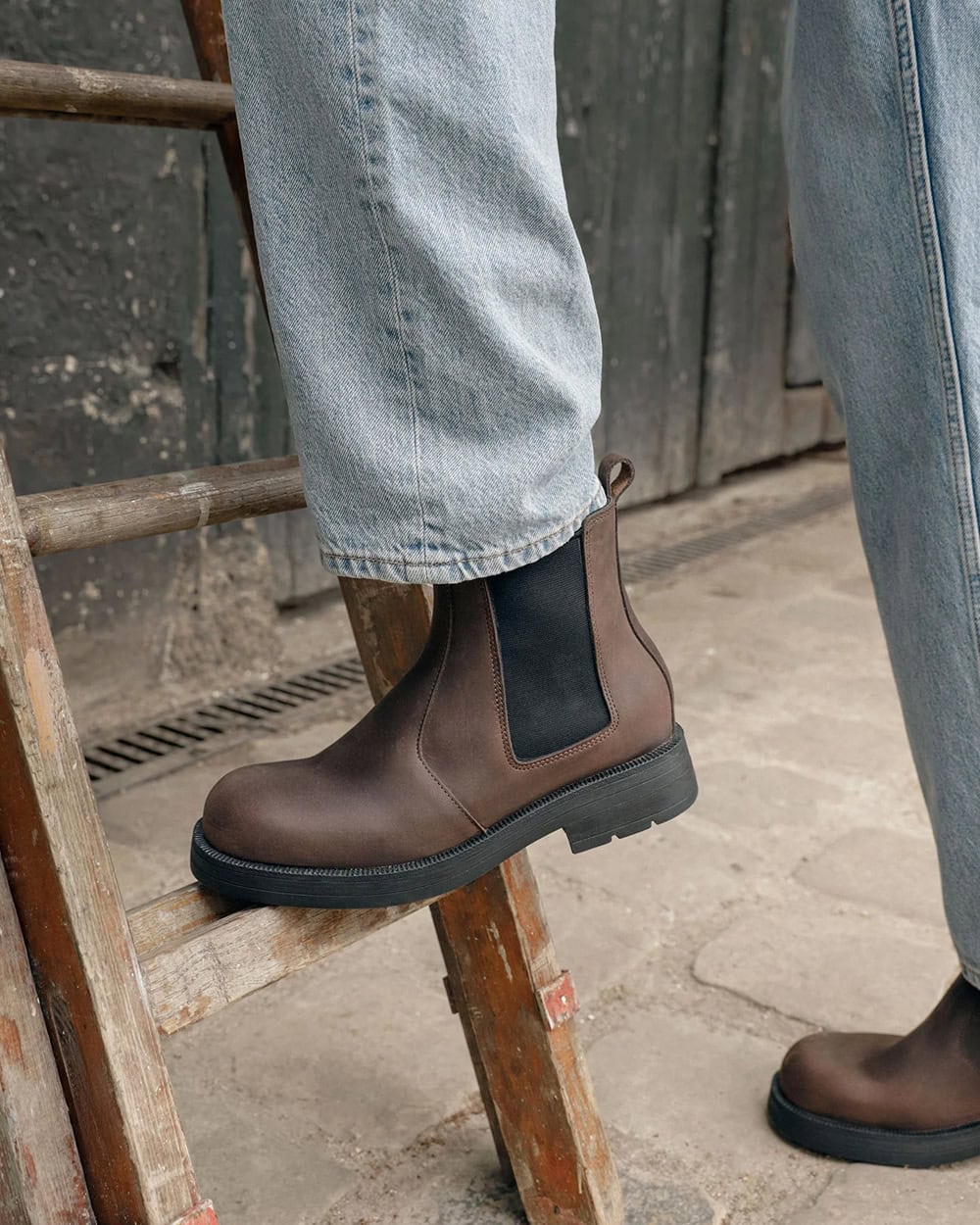
Originating from the rugged terrain of the Australian bush, elastic-sided pull-on boots—exemplified by brands like Blundstone—have achieved global ubiquity. Their appeal lies in frictionless wearability: free of laces, buckles, and zippers, these boots can be donned in seconds, making them an indispensable asset for morning errands, dog walking, and casual office environments.
The Rise of the Casual Classic
Market research indicates that slip-on nubuck boots have experienced exponential growth in urban markets, driven by consumers seeking footwear that bridges the gap between active outdoor wear and smart-casual office dress codes. The aged nubuck or smooth leather finishes develop a rich patina over time, masking minor scuffs and eliminating the need for high-maintenance polishing.
Styling and Brand Recommendations
These boots transition effortlessly from weekend leisure to casual professional settings. They complement tapered trousers, slim-fit denim, and casual blazers.
- Blundstone: The definitive Australian classic, celebrated for shock-absorbing XRD technology and unmatched comfort.
- Kleman: A French manufacturer offering structured, durable slip-on silhouettes with a distinctly European sensibility.
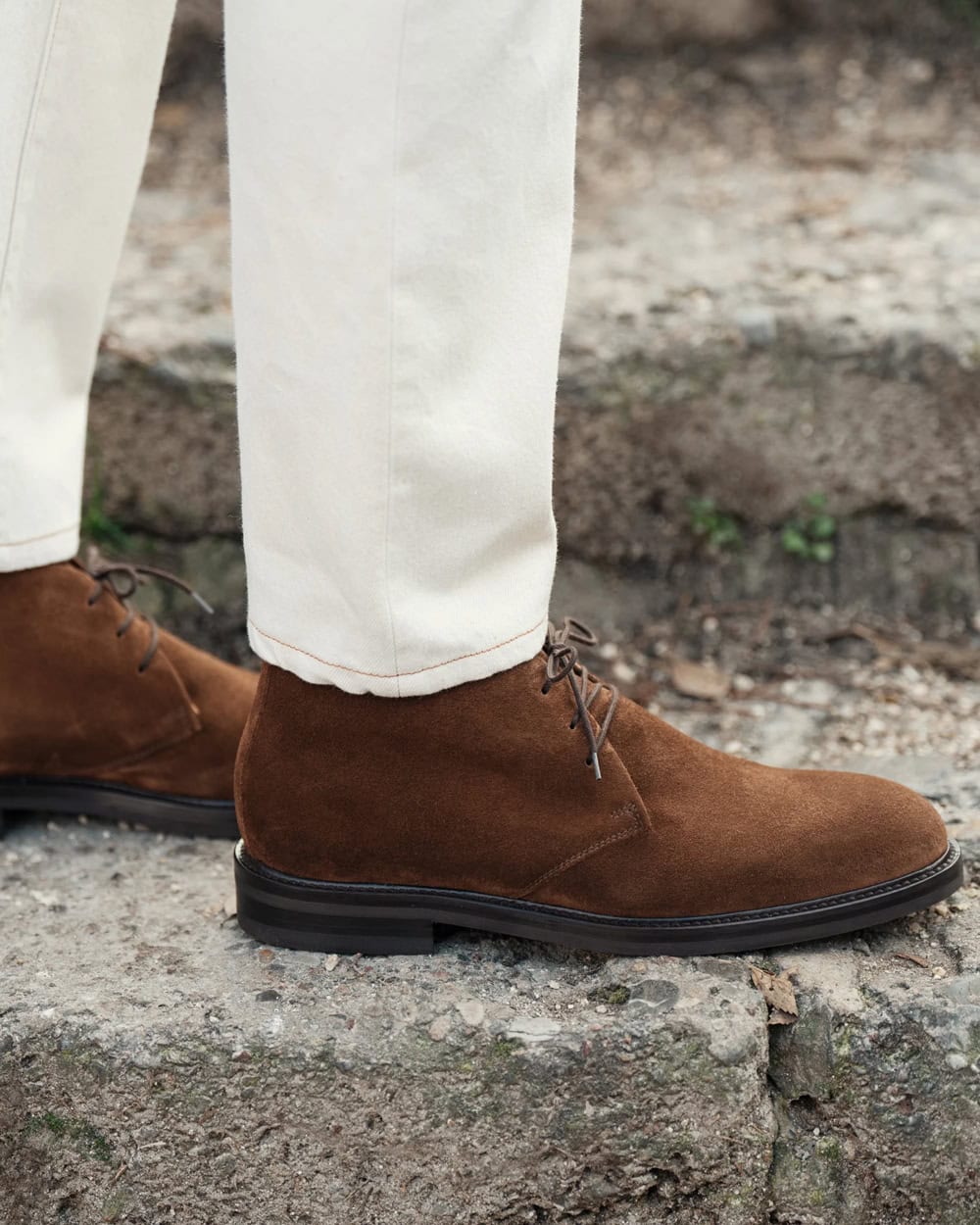
4. The Suede Chukka: The Quintessential Transitional Staple
Occupying the sartorial middle ground between a low-profile casual shoe and a heavy-duty winter boot, the chukka boot is a seasonal perennial. Rising just above the ankle with a simple open-lacing system and two or three eyelets, the chukka provides modest ankle coverage without feeling cumbersome during milder October afternoons.
Material Considerations
Suede is the definitive material choice for the autumn chukka. Unlike smooth calfskin, which can appear overly formal or stark, suede introduces tactile texture to transitional outfits. It pairs exceptionally well with heavy-textural fabrics such as corduroy, Donegal tweed, Shetland wool, and raw denim. To maximize autumnal versatility, experts recommend sticking to a grounding earthy palette: tobacco, sand, rich chocolate brown, and deep olive.
Styling and Brand Recommendations
- Clarks Desert Boot: Introduced in 1950 and inspired by footwear worn by British officers in the Western Desert campaign, this remains the undisputed archetype.
- Astorflex: An eco-conscious Italian brand utilizing vegetable-tanned leathers and natural crepe rubber soles.
- Drake’s and Crockett & Jones: Premium options offering refined shapes and superior European craftsmanship.
5. The Smooth Leather Derby Boot: The Sober Middle Ground
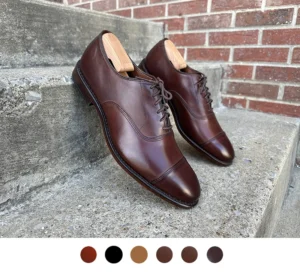
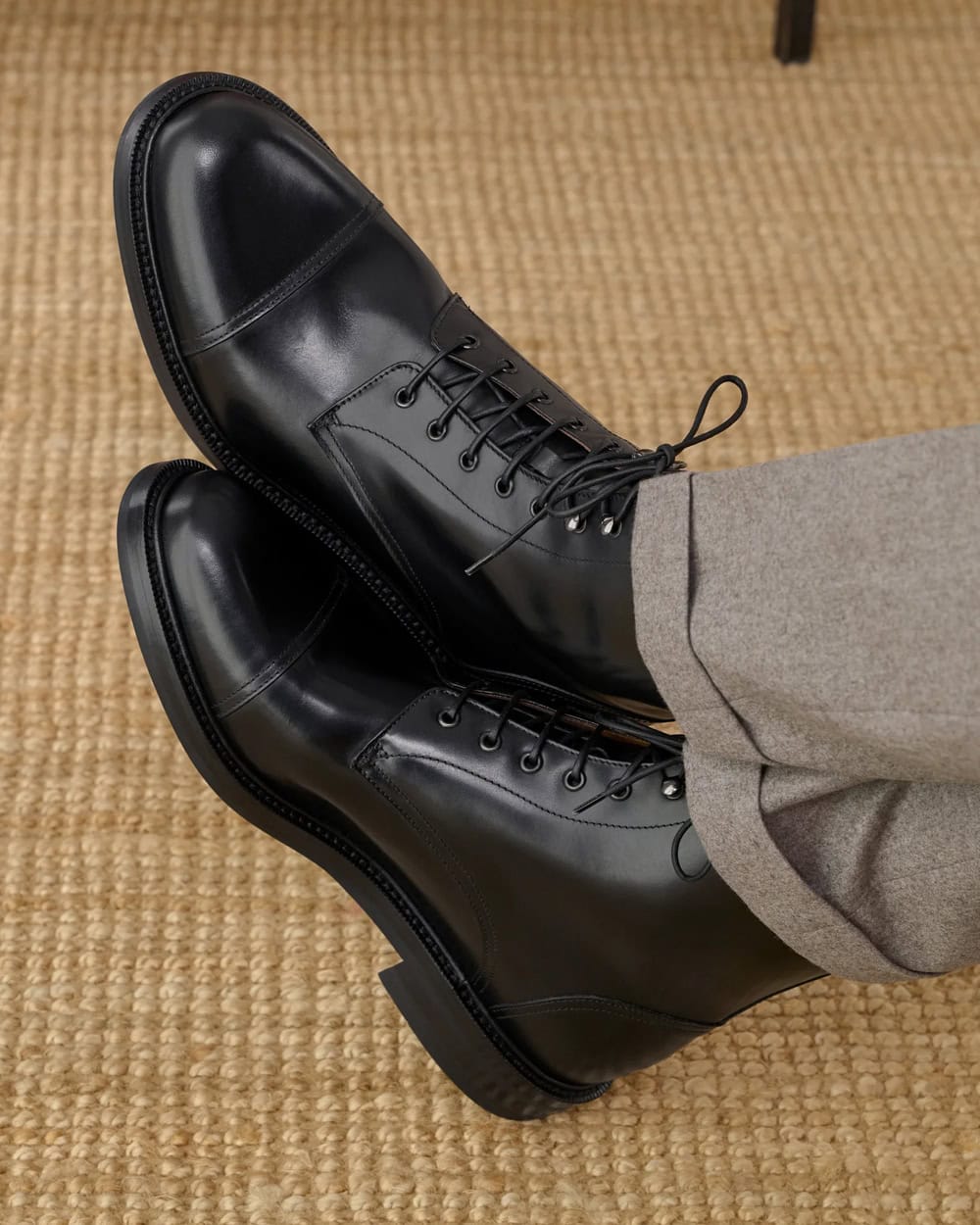
For professionals requiring footwear that respects formal office dress codes while offering practical defense against autumn puddles, the smooth leather Derby boot is the ultimate solution. Extending the open-lacing construction of the classic low-cut Derby shoe above the ankle, this style projects a refined, polished aesthetic while retaining the substance needed for chilly mornings.
Design Principles
When selecting a Derby boot for versatility, streamlined silhouettes are paramount. Excessively bulbous toe boxes or overly chunky commando soles can clash with tailored trousers. A sleek, low-profile last in black or dark brown leather ensures seamless integration into professional and smart-casual wardrobes.
Styling and Brand Recommendations
Black smooth leather pairs effortlessly with dark indigo denim or sharp tailored suits, while deep brown variations complement wool trousers and textured layering pieces.
- Tricker’s: Established in Northampton, England in 1829, renowned for rugged country brogue and Derby boots.
- Grenson and Crockett & Jones: Pillars of British shoemaking offering timeless elegance and structural durability.
6. The Round-Toe Work Boot: Clean Simplicity and Rugged Endurance
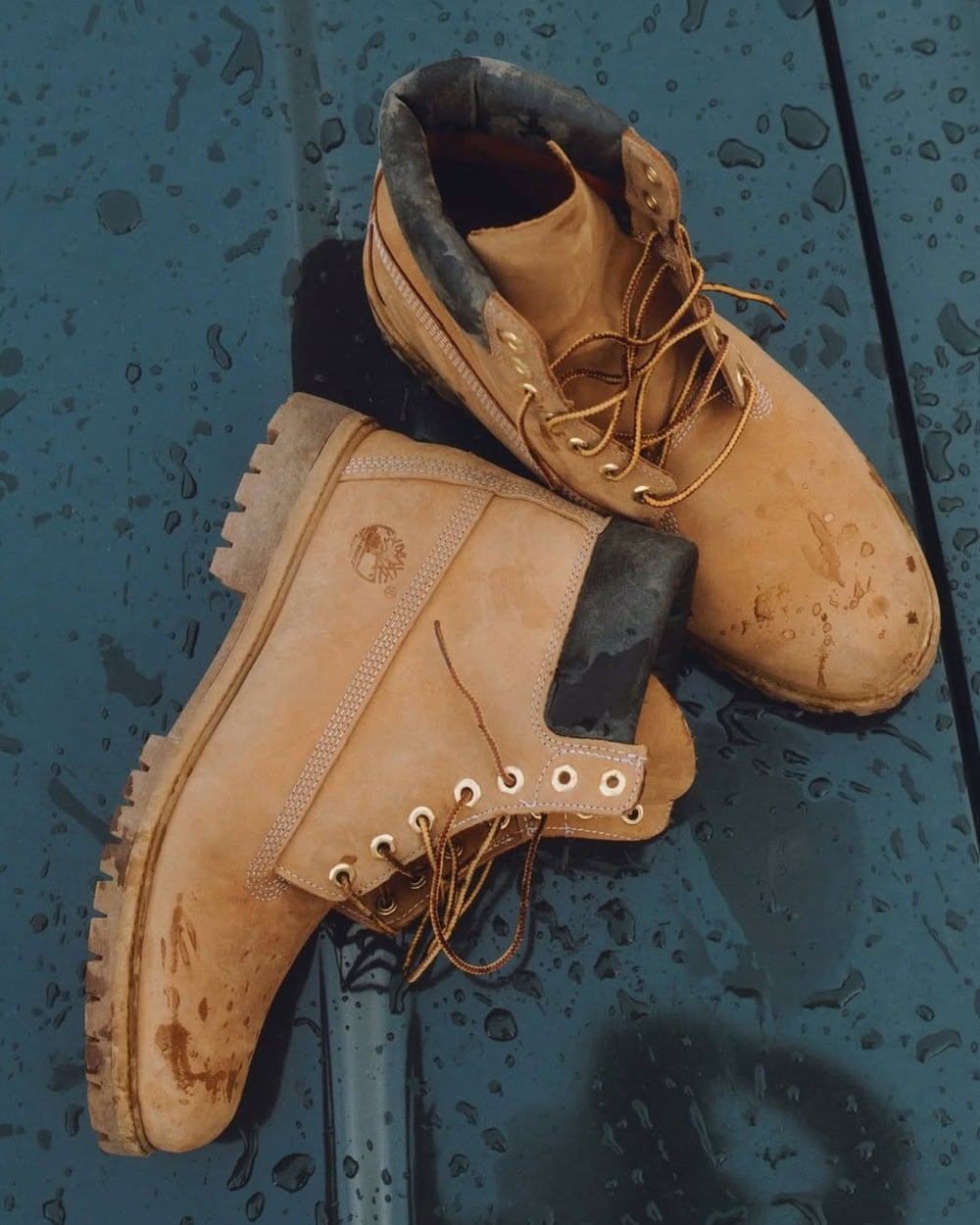
While moc-toe boots carry a distinct lumberjack aesthetic, plain round-toe work boots offer the same high level of weather resistance in a minimalist, streamlined package. Stripped of decorative stitching and excessive hardware, these boots rely purely on thick leather uppers, robust stitching, and substantial soles.
Character and Aging Process
Round-toe boots are designed to accumulate character. Rather than attempting to keep the leather box-fresh, wearers are encouraged to let the material crease, scuff, and darken with natural oils over time. This aging process creates a personalized patina that reflects the owner’s lifestyle.
Styling and Brand Recommendations
These boots pair ideally with utilitarian casualwear, including straight-leg work pants, military-surplus fatigues, and heavyweight denim.
- Red Wing Blacksmith and Iron Ranger: Industry standards representing decades of American manufacturing excellence.
- Timberland Yellow Boot: The iconic waterproof boot that transcended its construction site origins to become a global cultural icon embraced by hip-hop artists and fashion designers alike.
7. The Dress Chelsea Boot: Refined Elegance for the Wedding and Event Season
Autumn frequently coincides with formal events, social gatherings, and wedding season. When Blundstones or rugged work boots feel too casual, a sleek, classic Chelsea boot in smooth, polished calfskin provides a sophisticated alternative. Featuring elastic side panels and minimal decorative stitching, a well-crafted dress Chelsea boot can be worn directly with formal tailoring without breaking traditional menswear rules.
Silhouette and Maintenance
To maintain a dressy appearance, look for low-profile soles (leather or slim rubber), tapered toe boxes, and tight ankle perimeters. Regular conditioning and polishing are essential to preserve the glossy finish of the leather, ensuring the footwear remains appropriate for upscale environments.
Brand Recommendations
- R.M. Williams: The Australian master of the one-piece leather Chelsea boot, celebrated for unrivaled elegance and durability.
- Church’s and Cheaney: Historic Northamptonshire institutions producing world-class footwear tailored to formal wardrobes.
8. New England-Style Moccasin Boot: Traditional Craftsmanship with Lug Soles
New England has served as the epicenter of American shoemaking for centuries, giving birth to iconic silhouettes like the penny loafer and hand-sewn moccasin. Modern interpretations of the New England moccasin boot incorporate heavy-duty lugged commando soles, making them fully equipped for wet autumn conditions while maintaining hand-sewn artisanal upper construction.
Function and Styling
These boots are characterized by their wrap-around leather construction and meticulous hand-stitching. They complement relaxed, heritage-inspired casualwear, including flannel shirts, heavy chore coats, and loose-fitting denim.
Brand Recommendations
- Yuketen: The premier name in Japanese-led, American-manufactured heritage moccasins, known for extraordinary attention to detail.
- Sebago, Timberland, and G.H. Bass: Accessible heritage brands offering durable variations of the traditional moccasin aesthetic.
Economic and Environmental Implications of Quality Footwear Investment
As the global fashion industry faces increasing scrutiny over its environmental impact, consumer behavior is shifting toward durability. According to environmental lifecycle assessments, purchasing a Goodyear-welted leather boot that lasts ten years generates a significantly lower carbon footprint per wear than repeatedly replacing cheap, synthetic footwear that ends up in landfills annually.
Footwear analysts emphasize that while upfront costs for heritage-grade boots are higher—frequently ranging from $250 to over $700—the cost-per-wear metric drops significantly over time. Furthermore, the capacity to resole and repair quality footwear supports local cobbler networks, contributing to a circular economy that directly opposes the disposable culture of fast fashion.
Summary Checklist for Autumn Boot Selection
When curating an autumn footwear rotation, experts recommend evaluating three core criteria:
- Climate Compatibility: Ensure the material (oiled leather, treated suede, or nubuck) and sole construction (lug rubber or water-resistant welts) match local weather patterns.
- Wardrobe Cohesion: Match the formality of the boot to daily attire—choose sleek Derbies or Chelsecs for professional environments, and robust moc-toes or chukkas for casual settings.
- Longevity and Care: Prioritize repairable construction methods and invest in proper conditioning products to safeguard leather against autumn moisture and road salt.
By selecting the right style to meet these demands, men can navigate the seasonal transition with confidence, ensuring their footwear investment remains reliable, stylish, and durable for years to come.