A Medieval Tropical Celebration: Aurora and Thompson Redefine Modern Wedding Traditions in Gainesville

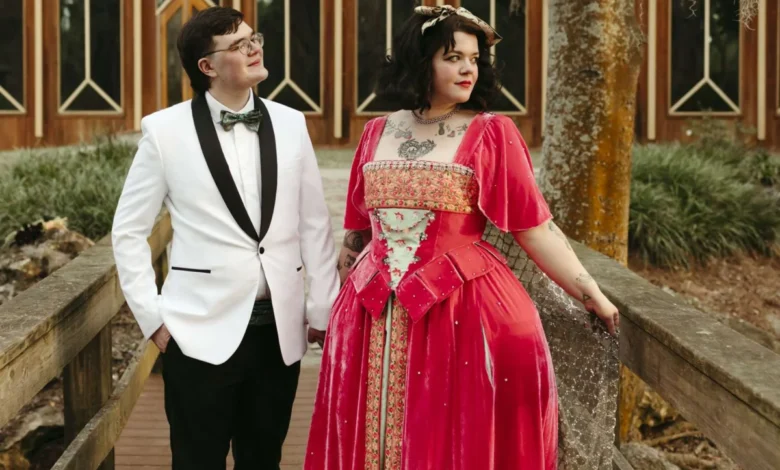
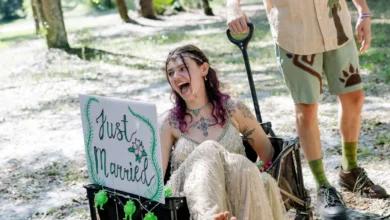
The wedding of Aurora and Thompson, held in Gainesville, Florida, serves as a poignant case study in the modern shift toward personalized, intimate, and highly curated nuptial experiences. By eschewing conventional wedding industry standards in favor of a bespoke, DIY-centric approach, the couple successfully executed a celebration that balanced a whimsical, self-described "medieval tropical" aesthetic with deeply personal rituals. Attended by a select group of 35 guests, the event was characterized by its departure from traditional wedding logistics, emphasizing community, creative expression, and inclusive vendor selection.
The Venue and Thematic Framework
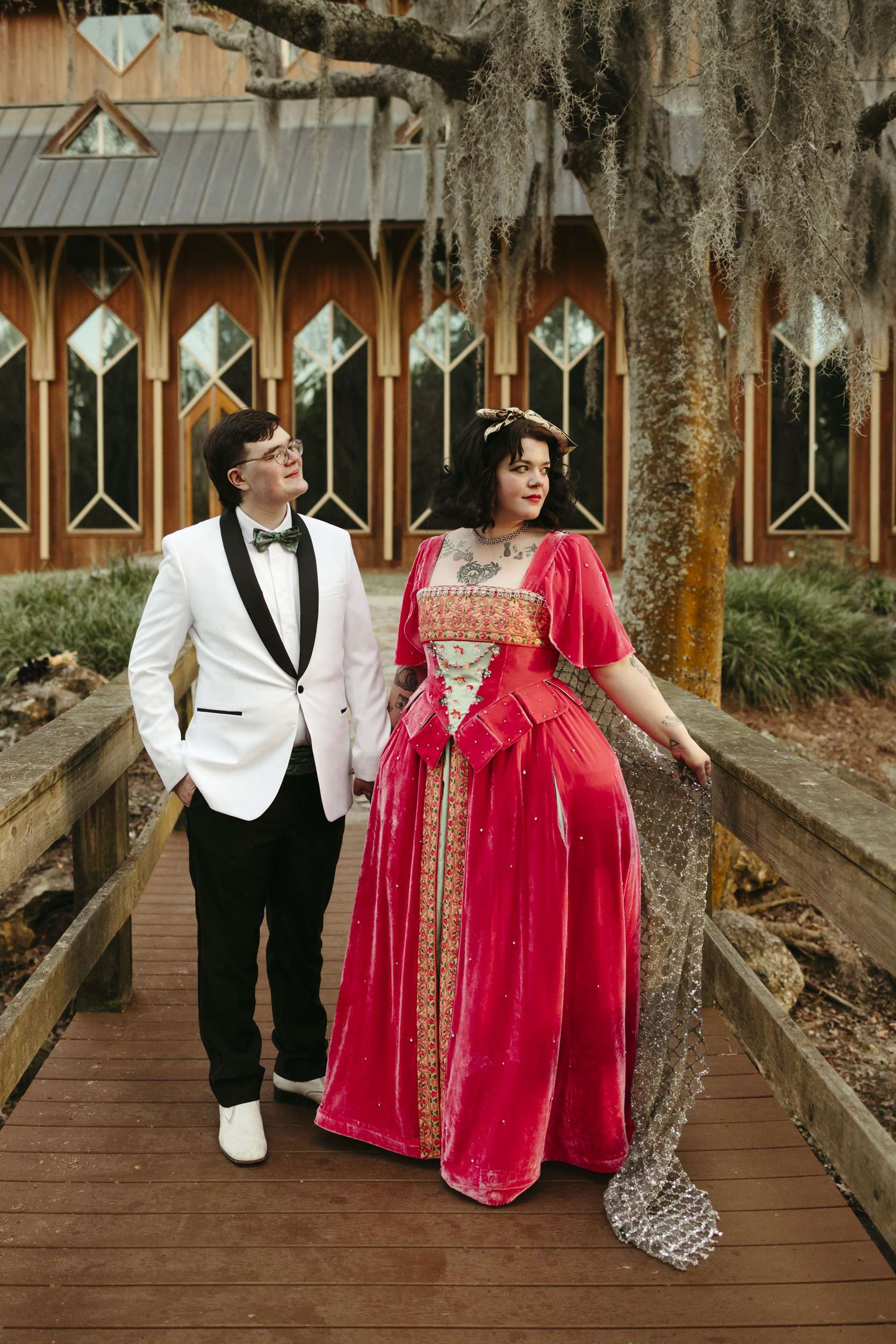
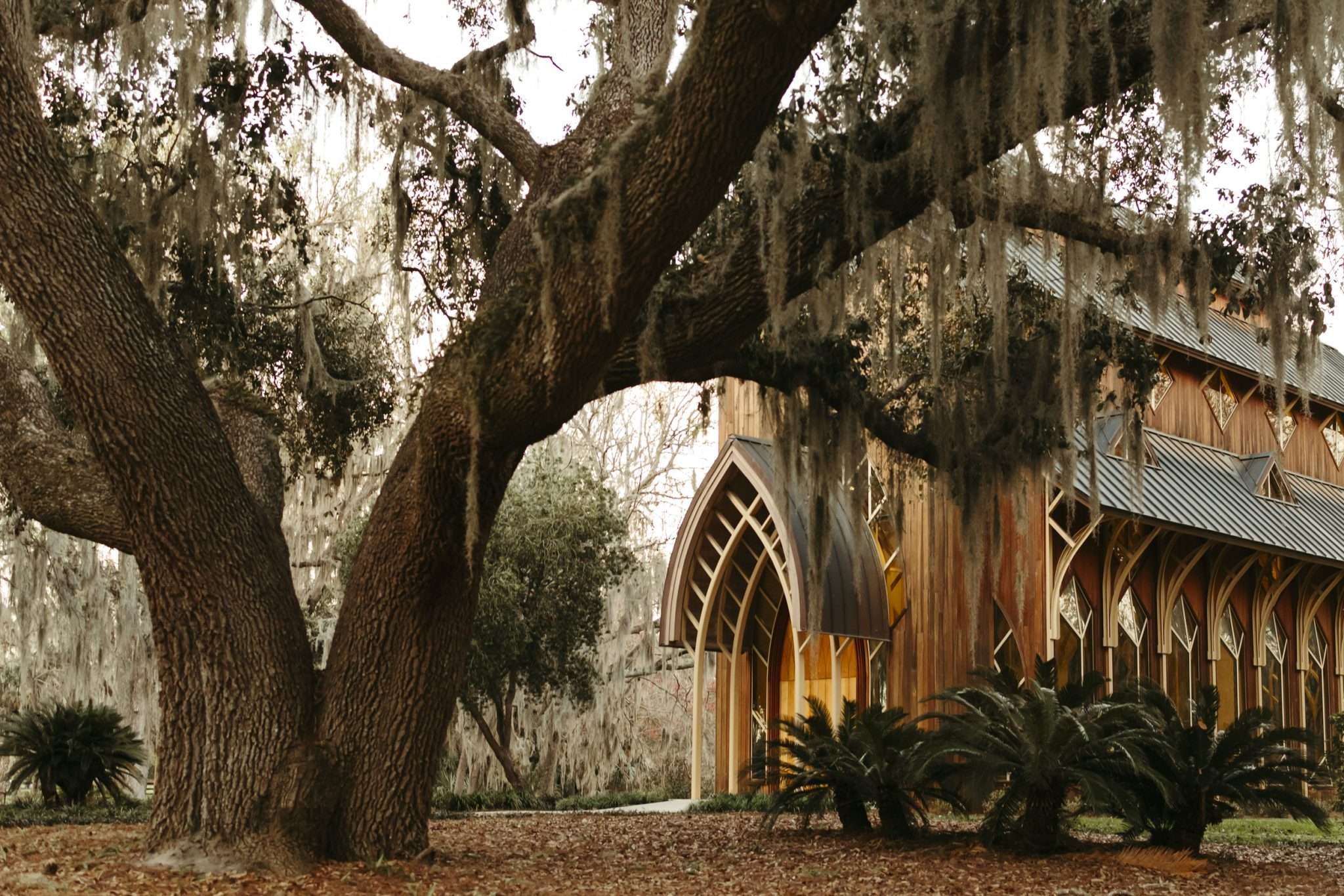
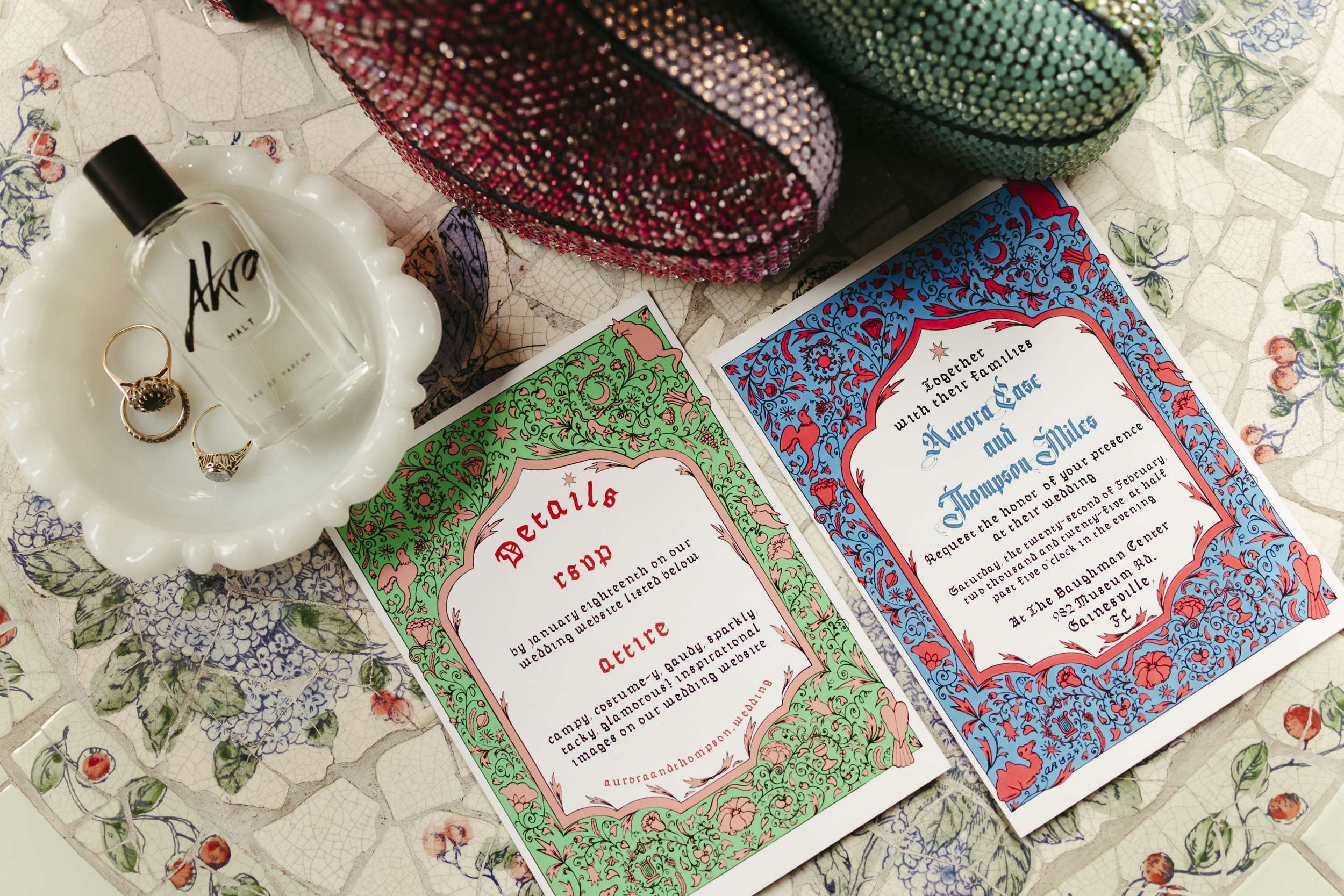
The ceremony took place at the Baughman Centre, an architectural landmark situated on the University of Florida campus. Known for its serene, nondenominational design and its integration with the natural landscape along the shores of Lake Alice, the venue provided a stark, elegant contrast to the couple’s unconventional theme.
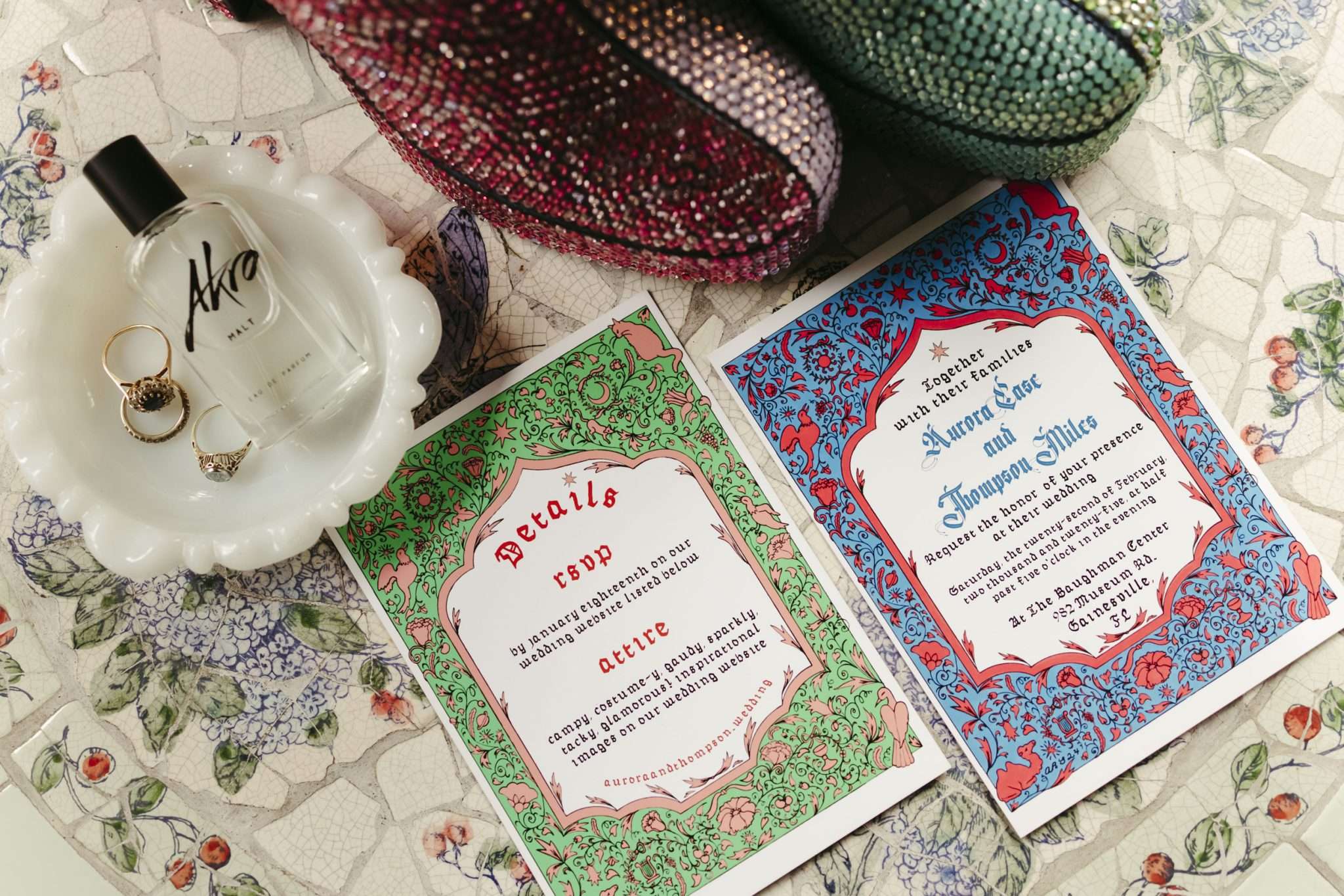
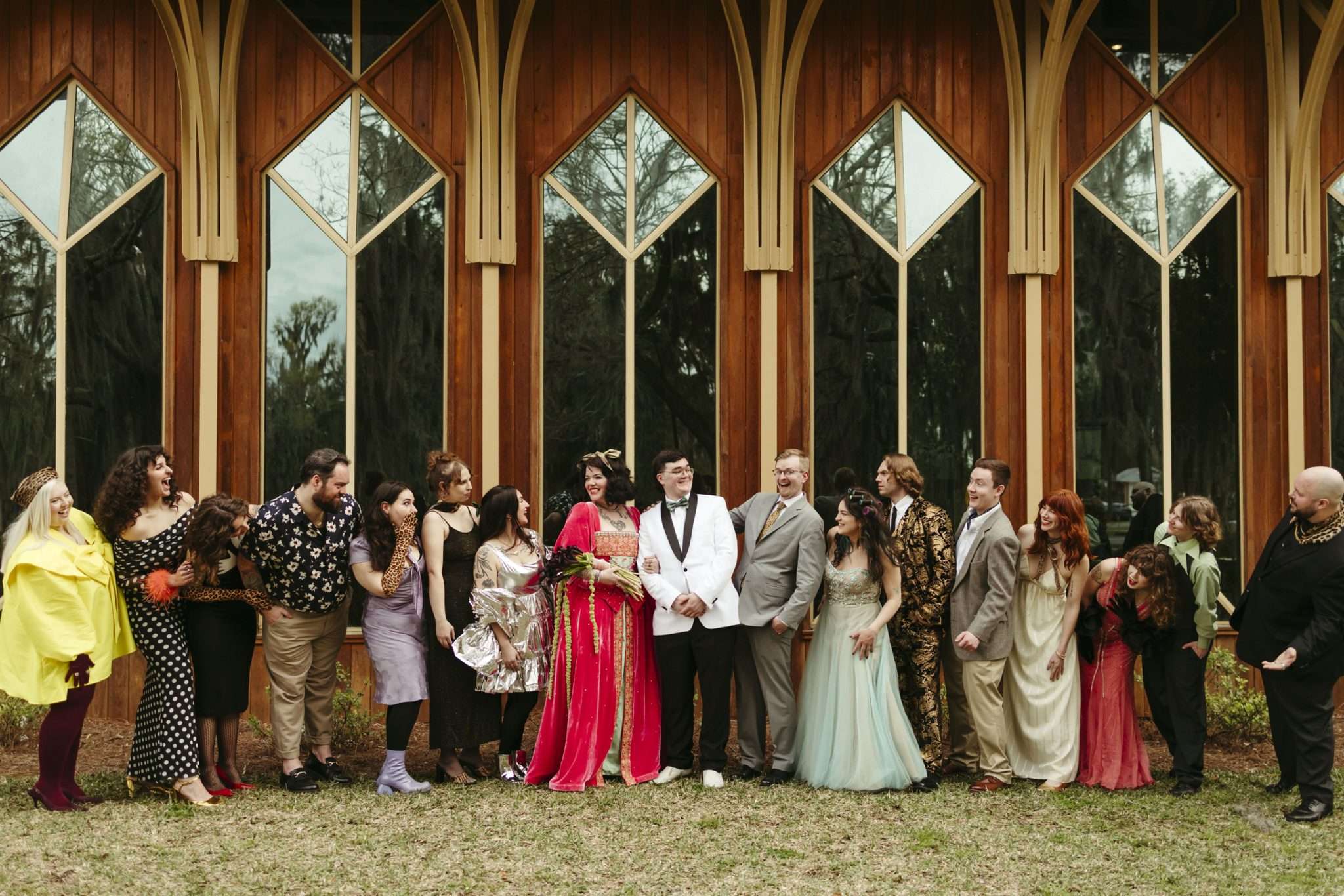
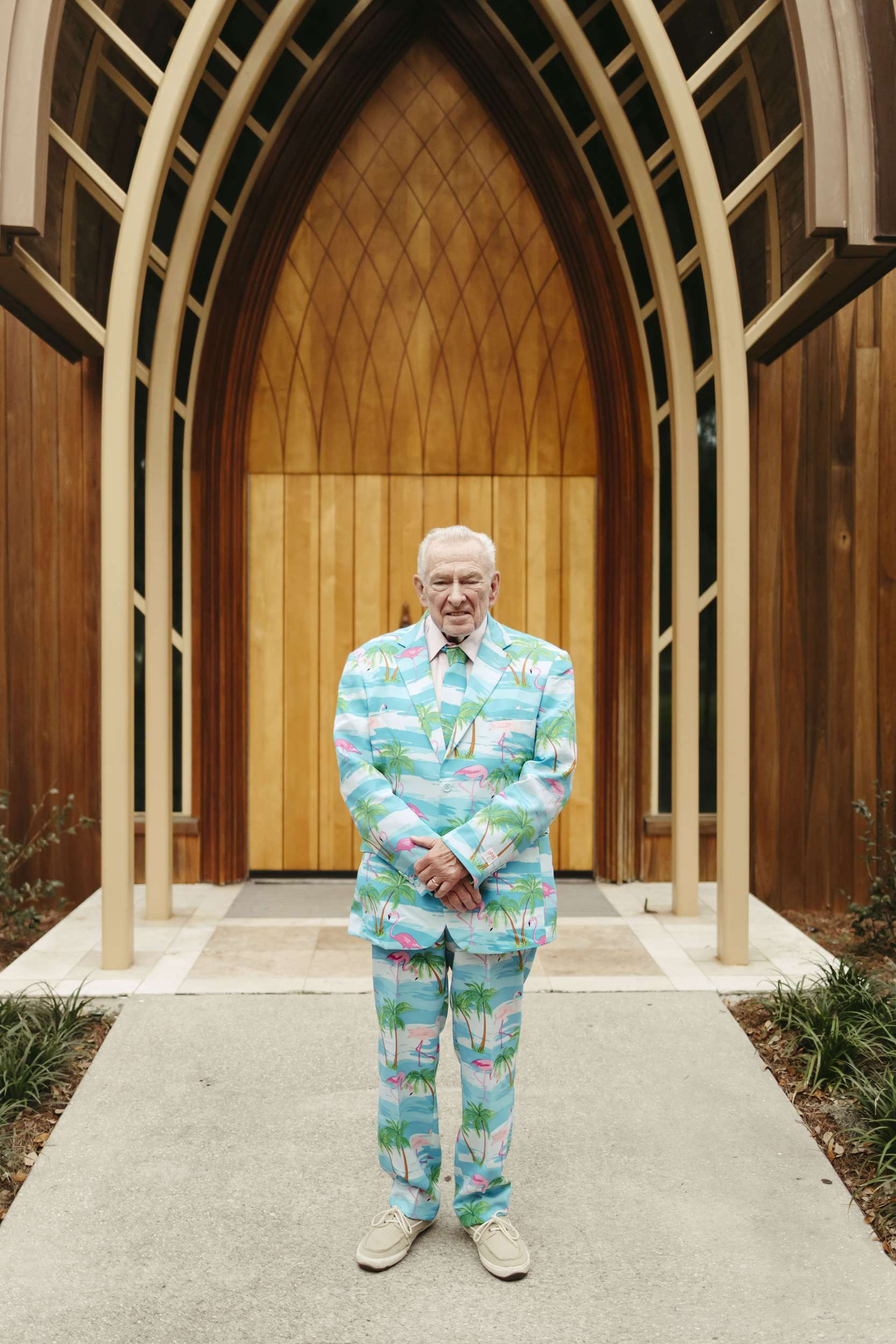
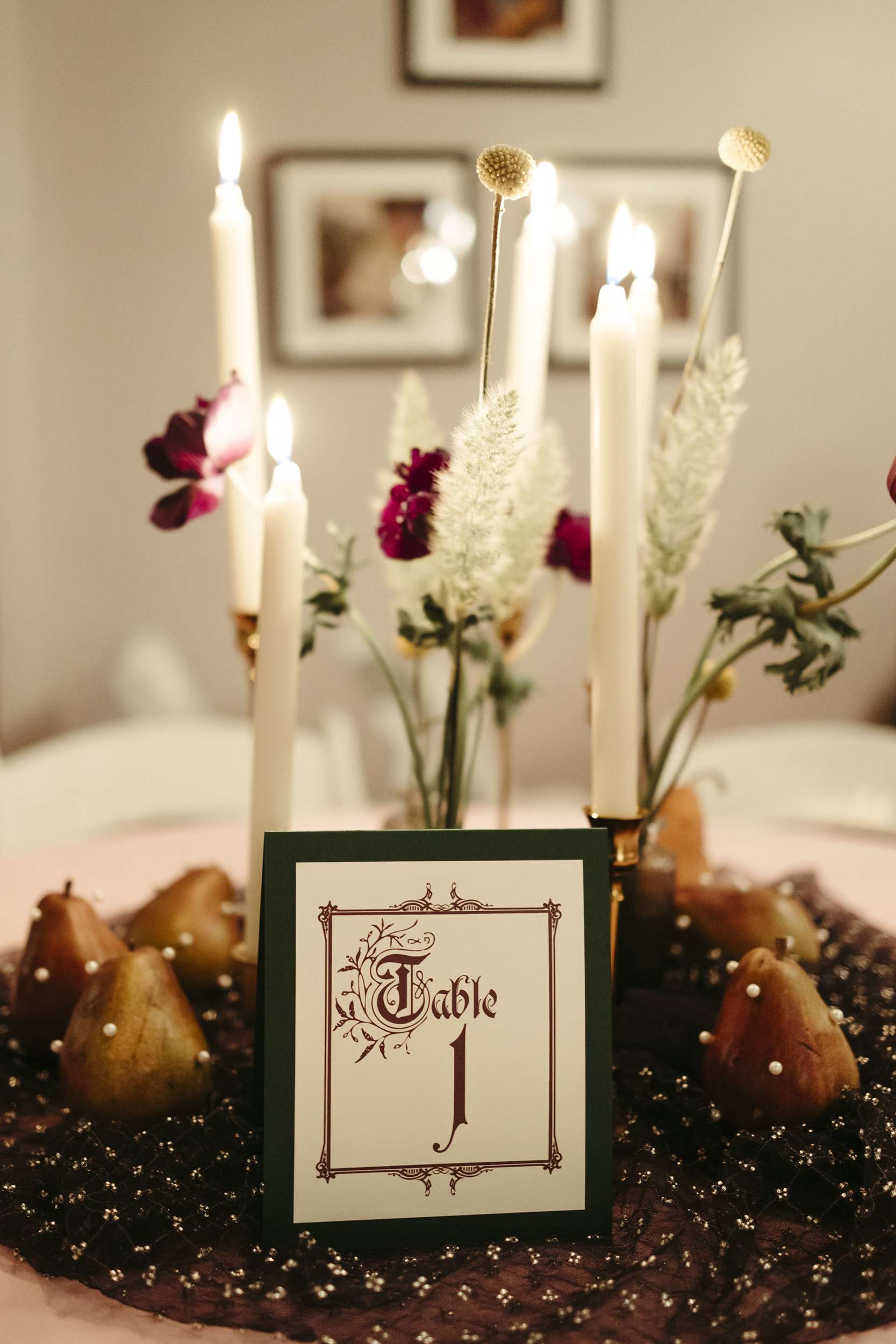
The "medieval tropical" motif served as the guiding principle for the event’s visual identity. This juxtaposition of historical, rugged aesthetic elements with vibrant, warm-weather flourishes reflected a broader trend in the wedding industry where couples are increasingly moving away from rigid, pre-packaged themes toward eclectic, narrative-driven aesthetics. Guests were encouraged to interpret this theme through their attire, resulting in a cohesive yet individualistic visual experience that mirrored the couple’s own creative sensibilities.
Chronology of the Day
The timeline of the wedding was intentionally paced to foster intimacy rather than the high-intensity scheduling often associated with larger events. The proceedings began with the couple’s arrival to the end credits music of Mystery Science Theater 3000, a nod to their first date, establishing a tone of nostalgia and authenticity.
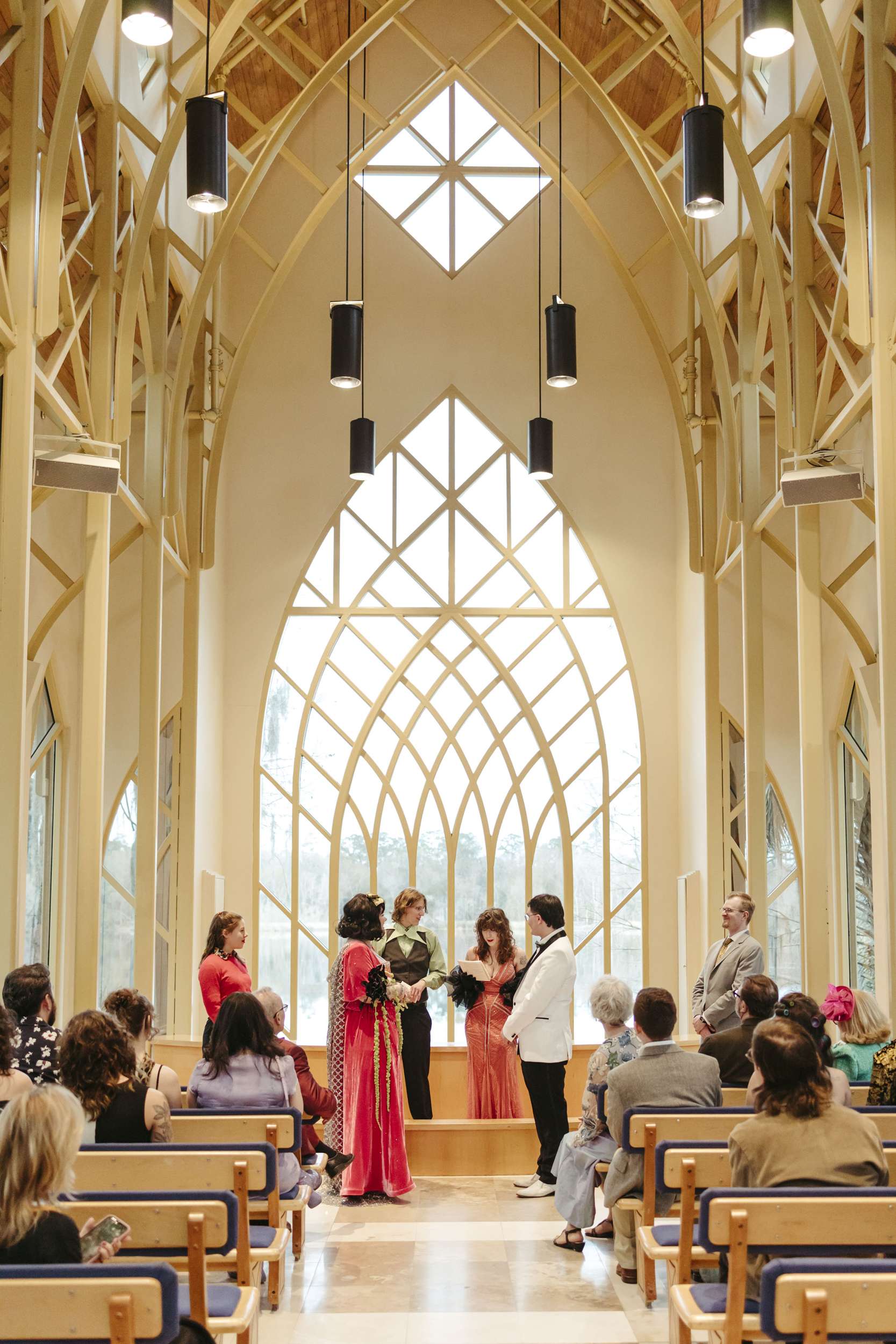
The ceremony, officiated by two close friends, Maggie and Emma, featured the pair dressed as iconic pop-culture figures Kermit the Frog and Miss Piggy. This choice of officiants highlighted the couple’s commitment to personal connection over formality. Following the exchange of self-written vows—which the bride noted were delivered with such emotional intensity that they were largely inaudible to the guests—the couple exited to the opening theme of their favorite program.
The reception followed a relaxed, hors d’oeuvres-only format, replacing the traditional sit-down dinner with a fluid, social dining experience. The evening concluded with a relocation to a local arcade, an intentional choice to provide an accessible, non-pretentious environment for guests to celebrate, marking a final departure from the high-cost, high-pressure atmosphere of traditional banquet halls.
The Economics of DIY and Personalization
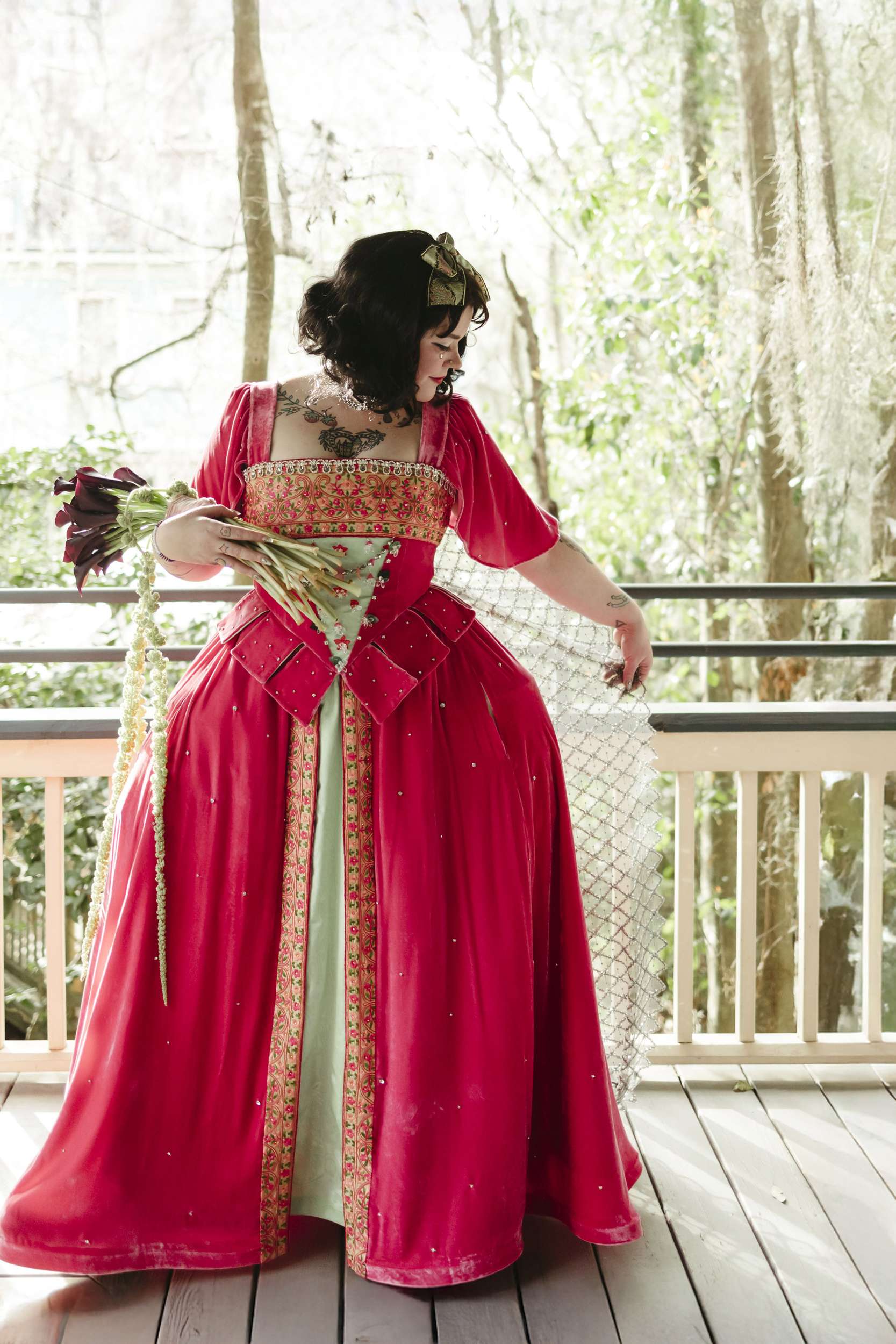
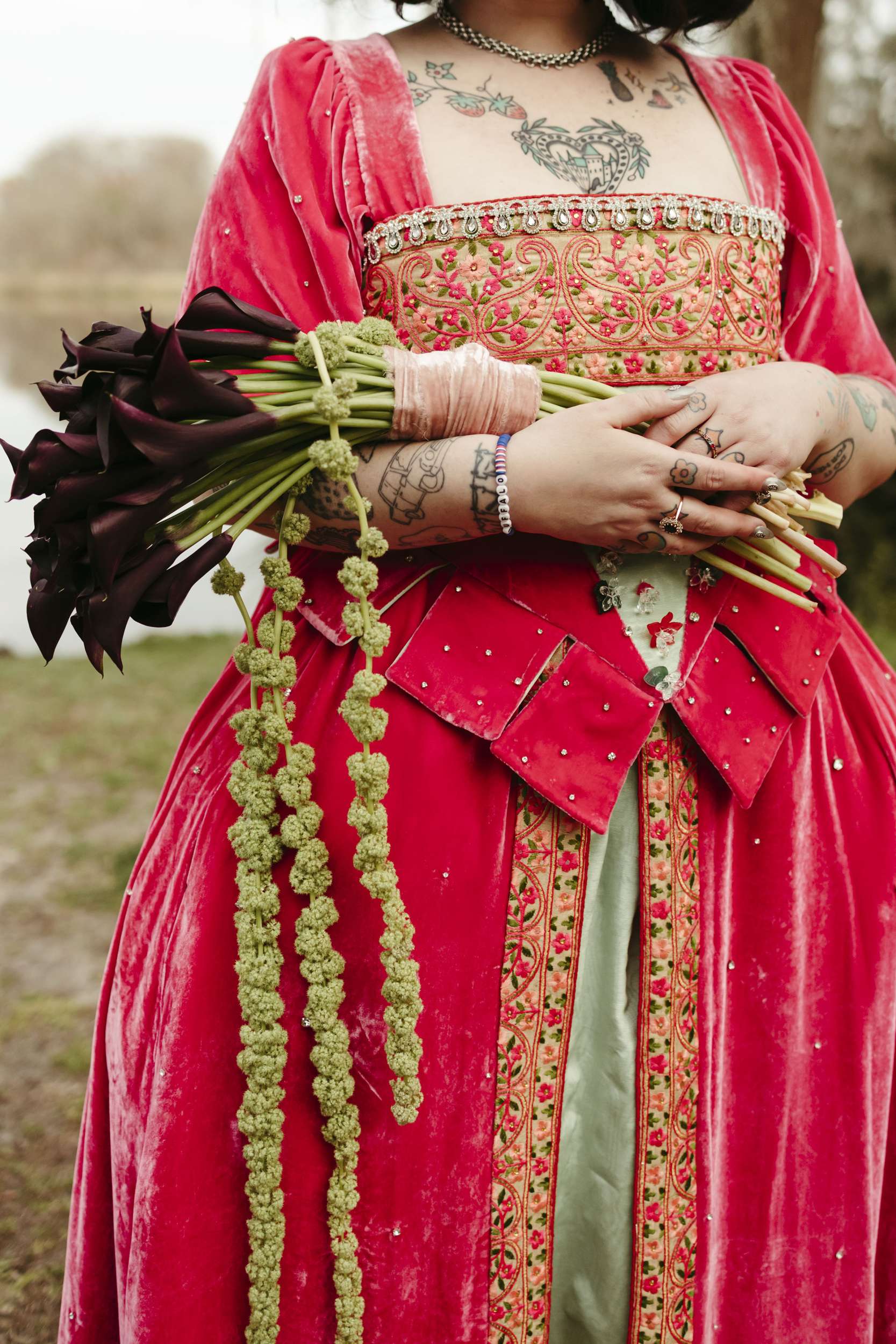
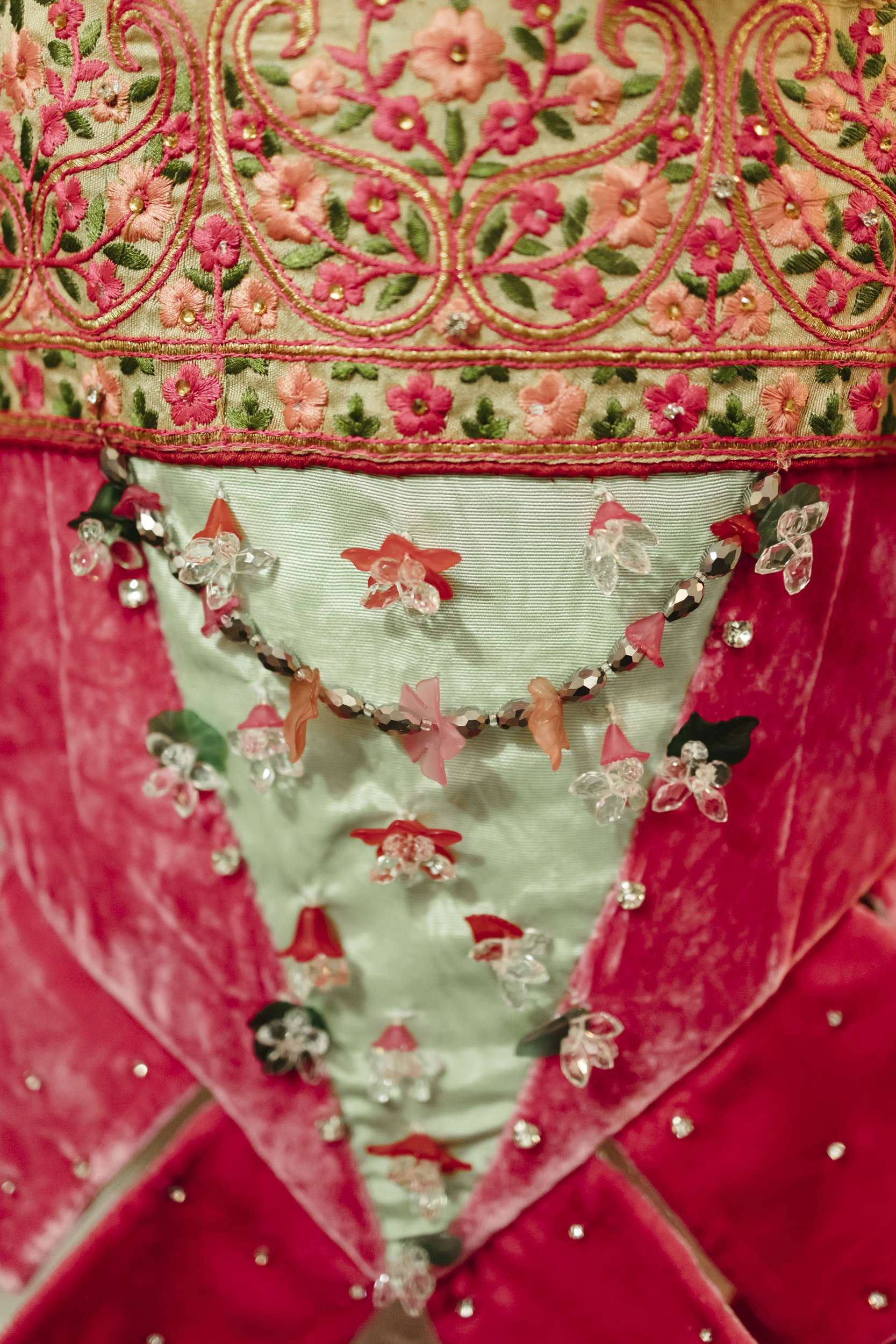
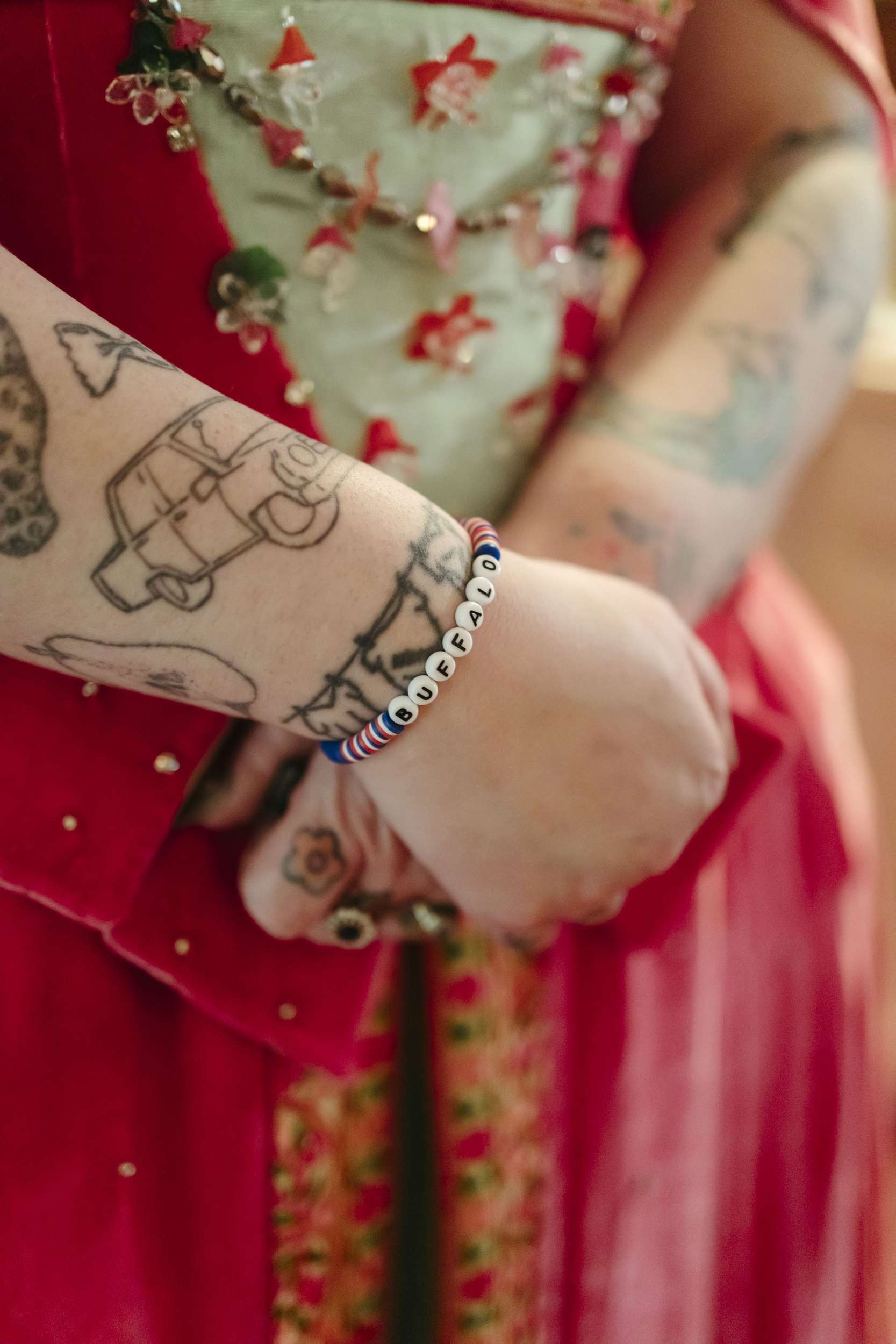
A significant portion of the wedding’s success was attributed to the couple’s extensive use of DIY initiatives. Aurora’s wedding gown, designed and constructed with the assistance of her mother, represented a major labor of love that served both a functional and emotional purpose. The project involved multiple collaborative sessions between the bride and her mother, underscoring the trend of "slow-made" wedding attire as a rejection of mass-market bridal fashion.
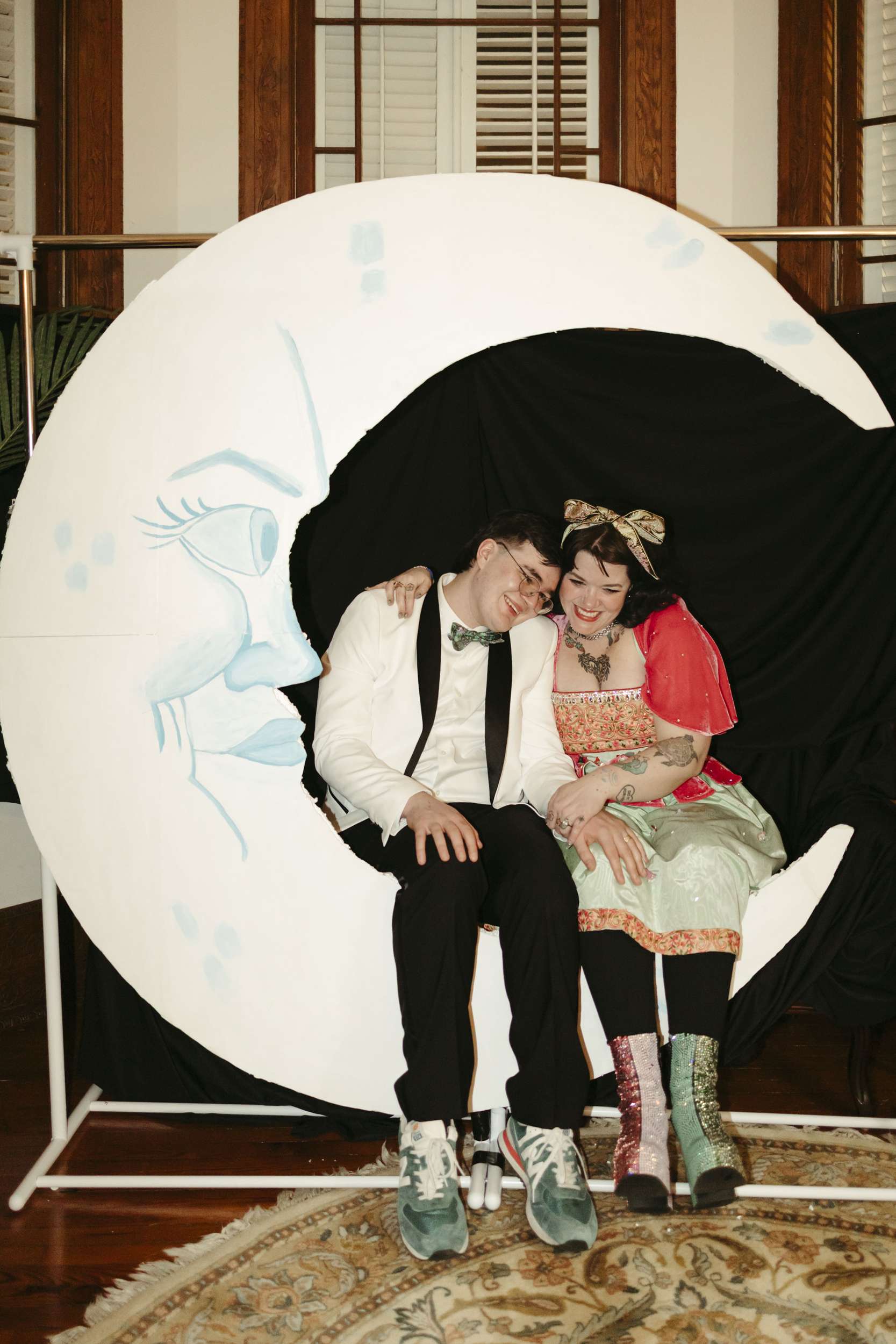
Furthermore, the decor, floral arrangements, and even the "giant cardboard moon" featured in the photo area were handcrafted. In an era where the average cost of a wedding in the United States continues to climb, often exceeding $30,000 according to industry reports, this couple’s reliance on personal craftsmanship highlights a shift toward value-based spending. By reallocating funds away from expensive, outsourced services, the couple was able to focus their budget on the guest experience and ensure that their values were reflected in every aspect of the event.
Inclusive Vendor Selection and LGBTQ+ Advocacy
A central pillar of the couple’s planning process was the prioritization of LGBTQ+-affirming vendors. As both the bride and a significant portion of their social circle identify as part of the LGBTQ+ community, selecting service providers who were not only professional but also explicitly celebratory of their identity was a non-negotiable requirement.

The couple acknowledged that finding such vendors in North Florida presented logistical challenges, reflecting a broader reality for couples planning weddings in regions with varying levels of social and legal inclusivity. Their insistence on vetted, supportive partners is indicative of a growing demand for "safe-space" verification within the wedding industry. This pursuit of inclusive service providers serves as a reminder that for many couples, the wedding day is not only a celebration of a union but also a political and social statement regarding their place within their community.
Supporting Data and Industry Context
The intimate nature of this event—35 guests—is representative of a sustained movement toward "micro-weddings." According to recent market analysis, the micro-wedding segment has seen substantial growth since 2020. Couples are increasingly choosing to limit their guest lists to prioritize deeper interactions with those closest to them, a departure from the "big wedding" model that dominated the late 20th century.
Data from the hospitality industry suggests that boutique accommodations, such as the bed and breakfast owned by the bride’s aunt and uncle where the wedding party stayed, are becoming preferred over traditional hotel blocks. This shift allows for a "destination-lite" experience, where the venue serves as a communal home base, facilitating the kind of spontaneous, long-form socializing that is often lost in larger, more rigid event structures.
Official Statements and Personal Reflections
In reflecting on the day, the bride emphasized that the emotional weight of the ceremony was its most defining feature. "Thompson and I both absolutely sobbed during the entire thing and no one could hear or understand us besides each other," Aurora noted. "Which was ok with me." This perspective underscores the prioritization of the couple’s internal experience over the performative aspects of the wedding ceremony.
The officiants, who were described as "bringing the house down," played a critical role in tempering the emotional intensity with humor and levity. This balance of the solemn and the absurd is a hallmark of contemporary wedding trends, where couples feel empowered to blend traditional vows with references to their personal interests and history.

Broader Implications and Future Trends
The wedding of Aurora and Thompson is reflective of several macro-trends within the event industry:
- De-institutionalization: There is a clear move away from church-sanctioned or traditional banquet-hall ceremonies toward spaces that hold personal meaning for the couple.
- Sustainability through Craft: By creating their own decor and commissioning custom garments, the couple reduced the environmental footprint often associated with the "single-use" culture of traditional weddings.
- Values-Driven Consumption: The vetting process for vendors shows that modern couples are using their financial power to support businesses that align with their social and political values.
- The "Non-Hipster" Aesthetic: The intentional choice of a standard arcade over a curated, trendy venue suggests a desire for authenticity. Couples are increasingly wary of being sold a "curated" experience and are instead looking for spaces that offer genuine fun and accessibility.
The lessons from this event are clear: for future couples, the success of a wedding is increasingly decoupled from its scale and adherence to tradition. Instead, success is measured by the degree to which the event reflects the couple’s authentic identity and provides a space for genuine connection.
The inclusion of small, budget-friendly choices—such as trays of cigarettes as favors and the use of family-owned property—serves as a template for couples looking to maximize the emotional return on their investment. As the wedding industry continues to evolve, the approach taken by Aurora and Thompson serves as a compelling model for how to navigate the pressure to conform while maintaining complete creative and personal autonomy. Their experience demonstrates that when a couple decides to "do whatever they want," they are not merely avoiding stress; they are reclaiming the ritual of marriage as a profoundly personal, rather than social, commitment.
Related posts: