How Vera Bradley Abandoned Its Identity Crisis and Returned to Whimsy to Spark a Turnaround

Vera Bradley is finally moving the needle on its second turnaround plan in two years, registering its first quarterly revenue growth in nearly five years during the summer. For the 44-year-old accessories brand, this milestone marks a critical turning point after a prolonged period of declining sales, leadership shifts, and an ill-fated modernization strategy that alienated its core consumer base.
The company’s recent financial results reflect this budding momentum. By September, Vera Bradley reported its second consecutive quarter of overall revenue growth, bringing in $71.6 million—a 1.1% increase year over year. This recovery stands in stark contrast to the brand’s struggles earlier in the decade, driven largely by a strategic pivot known internally as "Project Sunshine." Rather than trying to reinvent the wheel, the company chose to lean into what made it a household name in the first place: colorful, whimsical, and quilted fabric accessories.
The Anatomy of a Failed Modernization: Project Restoration
To understand the necessity of Project Sunshine, one must examine the missteps of its predecessor. In 2024, Vera Bradley introduced a modernization strategy called "Project Restoration." The initiative aimed to broaden the brand’s appeal by introducing more minimalist silhouettes, experimenting with alternative materials like leather and solid fabrics, and overhauling both the brand logo and the in-store aesthetic.
However, the strategy failed to capture market share or generate sustained sales momentum. Worse yet, it drew immediate and vocal backlash from longtime shoppers. Core consumers felt the brand was straying too far from its signature floral prints and joyful patterns, effectively diluting the brand identity that had defined it since its founding in 1982.
By early 2025, the fallout from Project Restoration prompted a significant executive shakeup. Ian Bickley stepped in as CEO, signaling a complete operational and creative re-evaluation. Reflecting on the missteps of the past, Bickley admitted in March that the company had temporarily lost its compass.
"We lost track of what made Vera Bradley special and unique and what customers loved about us," Bickley said. He added that the brand had become "indistinguishable from other brands and overreliant on promotions," making a renewed focus on product integrity its primary objective.
Project Sunshine: Rediscovering the Brand’s DNA
Appointed as chief brand officer at the end of 2025, Melinda Paraie was tasked with bringing Project Sunshine to life. Unlike Project Restoration—which attempted a near-total reinvention—Project Sunshine was framed by leadership as building from the brand’s core DNA rather than executing a disjointed rebrand.
Mark Dely, then serving as the brand’s chief administrative and legal officer, described Project Sunshine during a December earnings call as a return to fundamental brand truths. For Paraie and her team, this meant abandoning the plain leather and solid fabrics of the previous era and re-embracing cotton, vibrant colors, and cheerful patterns designed to evoke an emotional connection with consumers.
The pivot also included a meticulous restructuring of go-to-market strategies, the optimization of the digital ecosystem, a reinvention of the outlet retail channel, and broader organizational alignment. By sharpening the brand focus for modern consumers, Vera Bradley sought to recapture the joyful optimism that originally set it apart in the accessories market.
Tapping Into Gen Z, Nostalgia, and the Anemoia Trend
While reclaiming its heritage, Vera Bradley simultaneously targeted younger demographics, specifically Gen Z and Gen Alpha consumers. This younger cohort has increasingly gravitated toward vintage aesthetics, thrift shopping, and archival fashion as a way to stand out from fast-fashion saturation.
Industry reports, such as Pacsun’s Youth Report, highlight a rising cultural phenomenon known as "anemoia"—a profound longing for a nostalgic past that younger generations never actually lived. Vera Bradley capitalized directly on this sentiment in September by launching its "Remix Collection," which drew heavily from archival designs.
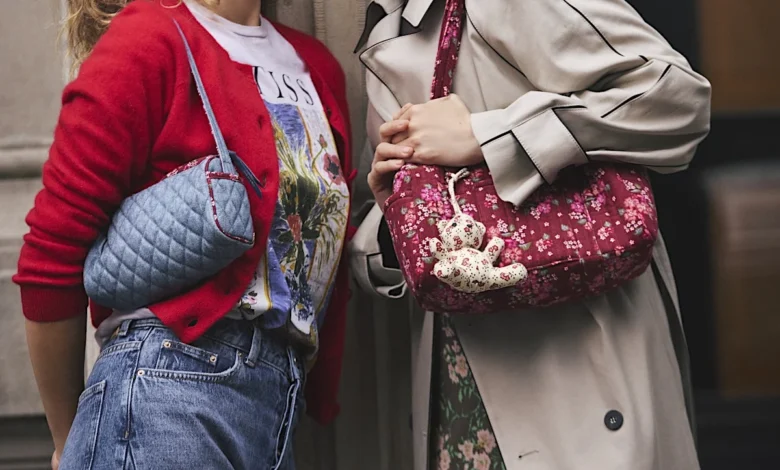
According to Paraie, younger consumers are deeply inspired by the brand’s vintage prints, smaller ditsy patterns, and muted archival motifs. Furthermore, shifting lifestyle habits among teens and twenty-somethings have altered what they look for in a handbag. Because modern consumers carry fewer physical items—relying almost entirely on smartphones—oversized totes have taken a backseat to compact silhouettes.
"Everything is on your phone," Paraie noted. "Shoulder bags are a key silhouette for them." To further appeal to younger buyers without abandoning tradition, the brand introduced contemporary textures like velvet, corduroy, beading, and ruffles.
The Rise of Customization and Collectible Accessories
Beyond silhouettes and prints, Vera Bradley found unprecedented success in personalization and collectible accessories. In March, the design team revisited the brand’s Original 100 Handbag to create a bespoke collection of just 50 bags. The limited-edition drop sold out in under three minutes, demonstrating robust pent-up demand for unique, high-craft items.
The holiday season saw a similar surge in popularity for bag charms designed in playful shapes such as bears, cookies, and mini totes. By hosting dedicated bag personalization days—where customers can apply custom patches and monogrammed initials—the brand tapped into a wider cultural appetite for self-expression.
"She just loves the one-of-a-kind piece," Paraie said. "That is something we know has resonated from the very beginning. When you got a bag, it was your print, and you collected everything in your print. Even today, the idea of self-expression is something that customers care about."
Retail analysts have validated this strategy. Jessica Ramírez, co-founder and managing director of retail advisory firm The Consumer Collective, recently conducted field research at a Texas shopping mall, observing that teenagers universally accessorized with small shoulder bags and bag charms. Ramírez noted that current trade show trends heavily favor color and pattern mixing, aligning perfectly with Vera Bradley’s design philosophy.
Digital-First Transformation and Social Commerce Success
As part of Project Sunshine’s broader operational overhaul, Vera Bradley has accelerated its push into digital-first marketing, social commerce, and influencer partnerships. The brand has worked to establish a dominant presence on TikTok and Instagram, leaning into micro-trends like "grandmacore" and "coastal grandma" to showcase its signature quilted products to new audiences.
These efforts have yielded measurable results. As of October 26, Vera Bradley had sold more than 24,000 units on TikTok Shop alone. The company has formalized its creator relationships, providing clearer creative briefs to ensure user-generated content aligns cohesively with overarching marketing objectives.
"We’re really starting to make a more concerted effort on what we are giving to creators and how we give them briefs and share with them what we really want them to focus on," Paraie explained. "It’s important that we have the right bags for the right channels."
Balancing Experiential Retail with Strategic Partnerships
Despite its aggressive digital expansion, Vera Bradley maintains that the physical retail experience remains critical to its long-term viability. The company operates a robust network of corporate retail locations and outlet stores while maintaining strategic wholesale partnerships with major department stores like Nordstrom.
To maintain retail excitement, the brand has frequently leveraged experiential marketing. In July, Vera Bradley hosted a charm-focused event featuring the Little Words Project at its Disney Springs storefront. Earlier in the summer, the brand launched a widespread "Strawberry Girl Summer" activation across its retail footprint to celebrate a new strawberry print, offering food and beverage experiences to draw in foot traffic.
Broader Implications and Future Outlook
Vera Bradley’s ongoing operational and creative pivot offers a compelling case study in brand recovery. By recognizing when a modernization strategy has alienated its core demographic, the company was able to course-correct before suffering permanent brand equity damage.
By successfully marrying its historical identity with modern digital strategies, trend-aware collaborations, and micro-accessories, the brand has bridged the generational divide. Going forward, Vera Bradley’s objective is clear: honor the nostalgic brand truths that built its legacy while keeping them relevant to today’s consumers through fresh prints, adaptive styles, and omnichannel agility.