Tesco agrees to sell Czech and Slovakian business units to Ahold Delhaize in 1.7 billion euro deal

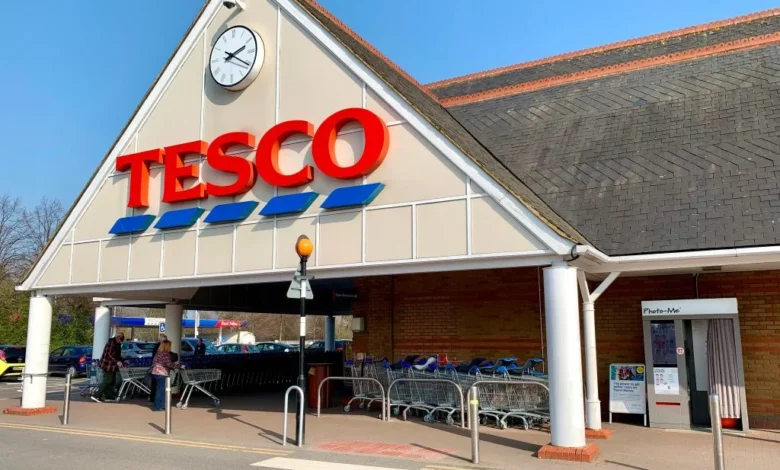
Tesco has officially announced a definitive agreement to divest its extensive retail operations in the Czech Republic and Slovakia to international retail powerhouse Ahold Delhaize. The transaction, valued at approximately €1.7 billion (£1.5 billion), marks a significant strategic pivot for the British supermarket giant as it seeks to streamline its global portfolio and double down on its domestic market dominance. The proposed divestment encompasses the entirety of Tesco’s physical footprint in both nations, including a network of retail stores, corporate offices, and critical logistics infrastructure, specifically the distribution centres located in Kralupy, Presov, and Beckov.
The deal, which is subject to customary regulatory scrutiny and competition authority approvals, is currently slated for completion in the second half of 2027. This multi-year transition period reflects the complexity of transferring large-scale supply chain networks and thousands of employees across two distinct jurisdictions. For Tesco, the divestment represents a calculated exit from a region where it has operated for three decades, signaling a clear intent to focus resources on its "food-first" retail ecosystem in the United Kingdom and Ireland.
Financial Dimensions and Strategic Rationale
The financial implications of the deal are substantial for the Tesco Group. The business units being sold generated combined sales of £2.9 billion in the most recent 52-week reporting period. Furthermore, these operations accounted for the vast majority of the £115 million in adjusted operating profit reported by Tesco’s Central European division. By offloading these assets, Tesco expects to net approximately €1.2 billion (£1 billion) in cash proceeds, accounting for taxes and transaction-related expenses.
In a move likely to be welcomed by institutional investors, Tesco’s leadership has confirmed its intention to return the majority of these net proceeds to shareholders via an additional share buyback program. This commitment underscores the company’s current capital allocation strategy, which prioritizes shareholder returns while simultaneously maintaining investment levels in core digital and physical retail capabilities.
For Ahold Delhaize, the acquisition provides a transformative opportunity to consolidate its footprint in Central and Eastern Europe. As an international retail giant with a deep presence in the Netherlands, Belgium, and the United States, Ahold Delhaize is well-positioned to integrate Tesco’s regional assets. The acquisition is expected to create significant synergies, particularly in procurement, supply chain logistics, and the implementation of advanced retail technologies, which the company has been aggressively scaling globally.
Historical Context: Three Decades of Central European Expansion
Tesco’s history in the Czech Republic and Slovakia dates back to the mid-1990s, a period marked by the rapid integration of Eastern European markets into the global economy. During this era, Tesco was a pioneer in Western-style hypermarket expansion, often acting as a catalyst for modern retail standards in the region. Over the past 30 years, the company built a robust brand presence, establishing strong connections with local communities and navigating significant shifts in consumer behavior—from the post-communist transition to the rapid adoption of digital retail.
However, the retail landscape in Central Europe has shifted dramatically over the last decade. The rise of discounters such as Lidl and Kaufland, coupled with the increasing complexity of cross-border supply chains, has squeezed margins for traditional hypermarket operators. Tesco’s decision to exit reflects a broader industry trend where multinational retailers are increasingly choosing to specialize in markets where they can achieve dominant scale, rather than maintaining a fragmented international presence that requires significant management overhead.
Chronology of the Transaction
The road to this divestment has been characterized by a multi-year period of portfolio review within Tesco’s executive suite. Since Ken Murphy assumed the role of CEO, the company has consistently emphasized the necessity of simplifying the Group’s structure to drive efficiency.

- 1996: Tesco marks its entry into the Czech Republic and Slovakia, initiating an ambitious expansion plan that would see it become one of the region’s largest employers.
- 2015–2020: Tesco conducts a series of strategic reviews of its international business, resulting in the sale of its operations in Thailand and Malaysia, as it begins to retreat from non-core markets to focus on the UK and Ireland.
- 2023–2024: Internal deliberations regarding the long-term viability of the Central European business reach a peak, as the retail environment faces inflationary pressures and changing consumer shopping habits.
- Early 2025: Negotiations between Tesco and Ahold Delhaize intensify, leading to the formal agreement announced today.
- 2025–2027 (Anticipated): The regulatory review period. Both parties will work with competition authorities in the Czech Republic and Slovakia to ensure the transition does not negatively impact market competition or consumer choice.
- H2 2027 (Expected): Legal completion of the transaction, at which point the assets will transfer to Ahold Delhaize control.
Official Statements and Leadership Perspectives
Tesco Chief Executive Ken Murphy expressed gratitude for the legacy left behind by the company’s regional workforce. "I want to thank every colleague in the Czech Republic and Slovakia for the contribution they have made to Tesco over many years," Murphy stated. "Together, they have built strong national businesses with deep connections to the customers and communities they serve."
Murphy emphasized that the decision was driven by a desire for strategic clarity. "For Tesco, the transaction will further simplify the Group, increasing our focus on our core UK and Irish businesses and supporting our continued investment in our food-first retail ecosystem," he noted. "The sale allows us to invest in the capabilities that will drive future growth, while enabling a further return of capital to shareholders."
Ahold Delhaize has yet to provide granular detail on its operational plan for the newly acquired stores, but analysts anticipate a rebranding strategy that aligns with Ahold’s existing European banners. The company’s ability to leverage its existing infrastructure in neighboring countries is expected to play a vital role in the long-term profitability of the acquisition.
Broader Market Implications
The acquisition of Tesco’s Czech and Slovakian operations is likely to trigger further consolidation in the Central European retail sector. As global retailers look to rationalize their assets, regional players are increasingly being absorbed by larger, more efficient conglomerates. This creates a challenging environment for smaller, local retailers who must compete with the scale and technological resources of giants like Ahold Delhaize.
From a regulatory perspective, the deal will face intense scrutiny. Competition authorities will be tasked with assessing whether the acquisition creates a dominant market position that could lead to price hikes or reduced service for consumers in rural and suburban areas. However, given the competitive landscape in these countries—dominated by aggressive discounters—most market analysts believe the deal will be approved, provided that Ahold Delhaize makes minor divestments in specific locations where market concentration would be deemed excessive.
Impact on Employees and Consumers
For the thousands of employees currently employed by Tesco in the Czech Republic and Slovakia, the transition represents a period of uncertainty. While Tesco has emphasized its commitment to supporting colleagues throughout the process, the integration into Ahold Delhaize’s corporate culture and operational systems will necessitate significant changes in management practices and labor policies.
Consumers, meanwhile, may see changes in product assortments, loyalty programs, and store layouts as Ahold Delhaize implements its own branding and retail strategies. However, in the short term, both companies have pledged that the primary focus remains on continuity. "Until the transaction completes, our businesses in the Czech Republic and Slovakia remain part of Tesco and our priority remains to continue serving customers and supporting colleagues," Ken Murphy confirmed.
Conclusion
The divestment of the Czech and Slovakian business units is a milestone event for Tesco, marking the end of a long chapter in the company’s international expansion and the beginning of a more localized, streamlined era. By offloading these assets to Ahold Delhaize, Tesco secures the capital necessary to reinforce its domestic leadership while simultaneously providing its shareholders with a tangible return. As the retail industry continues to evolve, this deal serves as a definitive case study in the necessity of geographic focus and the ongoing trend of consolidation among the world’s largest supermarket chains. The outcome of this transaction will be closely watched by industry observers, as it sets the tone for future cross-border retail mergers in a rapidly changing European market.