The Erosion of Human Modeling: How Generative AI is Rewriting the Terms of Fashion Industry Labor

The fashion industry has spent the last several years skirting a difficult conversation regarding the future of human labor in the face of rapid technological advancement. However, the maturation of image generation models over the past twelve months has moved this dialogue from speculative concern to an urgent economic reality. A recent investigative report published in collaboration with the Business of Fashion and Reuters has provided the first substantive, data-backed evidence that modeling opportunities are contracting as brands and retailers increasingly pivot toward synthetic imagery and AI-driven content generation. This shift represents a fundamental transformation in how fashion commerce is produced, distributed, and monetized, leaving traditional industry stakeholders to grapple with the consequences of a labor market that is being rapidly automated.
The Shift in Contractual Landscape
For decades, the standard for professional modeling was relatively straightforward: a human subject was booked for a specific project, with clearly defined deliverables and a fixed temporal scope. Once the shoot concluded, the engagement was considered complete. Any subsequent use of the imagery was typically limited to the original campaign, and any further needs for content required the re-hiring of the model.
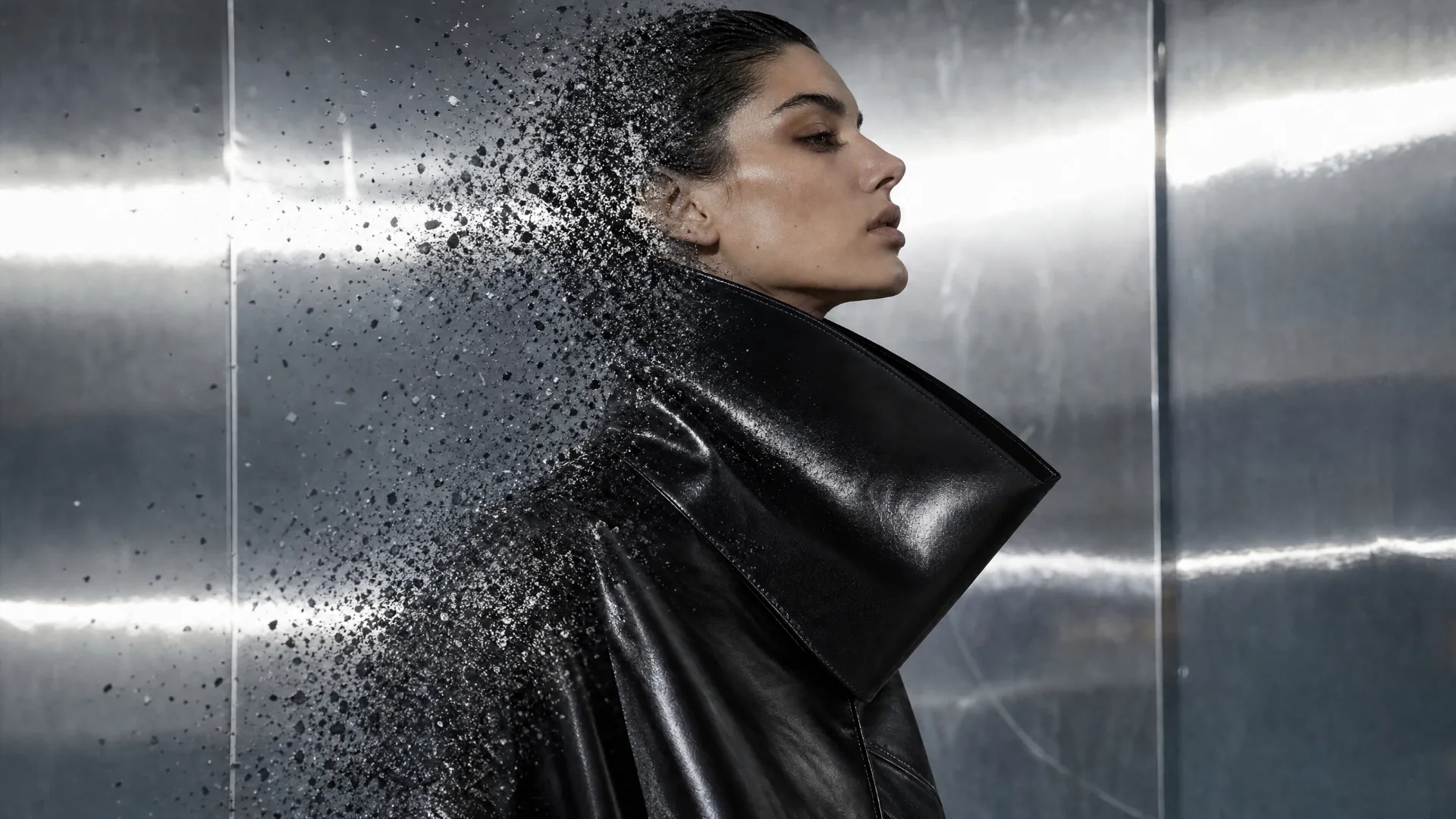
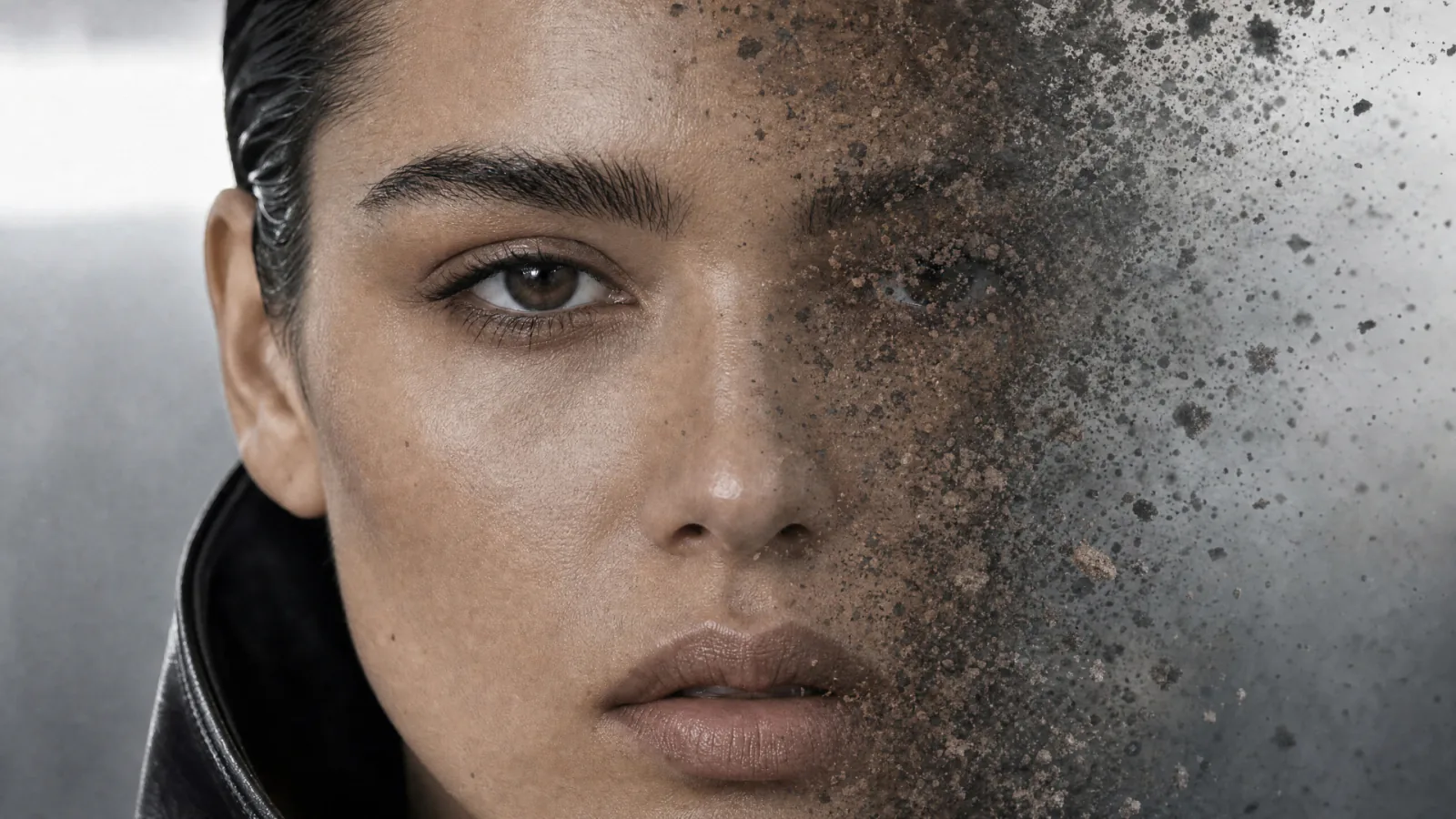
Current evidence suggests that this model is being systematically dismantled. An examination of over a dozen proposed modeling contracts reveals that the definition of a "gig" has expanded. Modern agreements frequently include clauses granting brands the latitude to manipulate a model’s face and body, create digital replicas for future use without additional compensation, and utilize original photography as raw data to train proprietary generative AI models.
This evolution transforms a one-time service into the creation of an extensible digital asset. By capturing a subject’s likeness, brands can effectively "remix" the model for an indefinite period. Crucially, the fashion industry has failed to establish a standardized framework for royalties or usage rights for these digital twins, effectively stripping the talent of the ability to earn revenue from their own likeness once the initial contract is fulfilled.
Chronology of the Digital Pivot
The movement toward synthetic content did not occur in a vacuum; it is the culmination of a multi-year technological push toward efficiency in digital production.
- 2024: The industry saw an increase in 3D scanning technology as a means to digitize models, a practice intended to speed up production workflows. At this stage, the process was primarily viewed as a tool for digital design rather than a replacement for photography.
- 2025: Generative AI models began to show high-fidelity results, allowing brands to experiment with virtual influencers and AI-generated models for secondary marketing assets.
- 2026 (Summer): Industry leaders, including creative directors at major retailers like Lounge by Zalando, began publicly acknowledging that the traditional campaign process was facing an inevitable, technology-driven overhaul.
- 2026 (October): The publication of the Reuters/BoF investigation provided a concrete look at the contractual shifts, moving the conversation from theoretical changes to tangible, systemic erosion of traditional modeling work.
Data-Driven Implications and Economic Realities
The economic incentive for brands is clear: generative AI allows for the creation of marketing content at a fraction of the cost and time of a traditional production, which involves location scouting, staffing, logistics, and lengthy post-production cycles. For large-scale retailers, the ability to generate hyper-localized or culturally specific campaign images on demand provides a competitive edge in "gallery completeness"—the drive to have a near-infinite variety of product imagery.
However, the cost of this efficiency is being borne by the workforce. While brands often claim that these technologies allow them to reinvest savings into more "ambitious" campaigns, there is little evidence that this reinvestment benefits the human models whose work is being displaced. Instead, the "overheads" being reduced are the people who once stood in front of the camera.
The issue is further complicated by the broader digital ecosystem. Major social media platforms have updated their terms of service to allow for the scraping of content published on their networks. Consequently, even a brand that maintains a strict "no-AI" policy for its internal campaigns may find its imagery—and the models within it—being ingested into the training sets of the very AI tools that will eventually compete with those models for future work. The 404 Media report regarding Meta’s updated commercial terms, effective November 2026, highlights how business-facing platforms are increasingly prioritizing the development of AI products over the copyright protections of their users.
The Divergence of Industry Standards
While the overall trajectory for the modeling industry appears to be downward, there is a visible divergence in how different sectors of the market are responding. High-end, values-driven brands are choosing to opt out of the AI surge. For instance, brands like TOAST have publicly linked their commitment to human-centric creative processes to their broader brand identity and social conscience. These companies argue that the "soul" of a brand is inextricably linked to the human beings who create it.
Conversely, mass-market retailers are increasingly viewing AI-generated content as a standard component of their "commerce infrastructure." Firms like Photoroom are actively framing visual production as a utility, suggesting that the generative genie is out of the bottle. This bifurcation creates a two-tier market: a niche, premium tier that prioritizes human authenticity, and a massive, automated tier that prioritizes scale.
The Search for Legal and Ethical Frameworks
In response to these developments, industry bodies, such as the British Fashion Model Agents Association, have begun drafting new codes of conduct. These guidelines advocate for mandatory consent before AI usage and the formal recognition of model ownership over their digital twins.
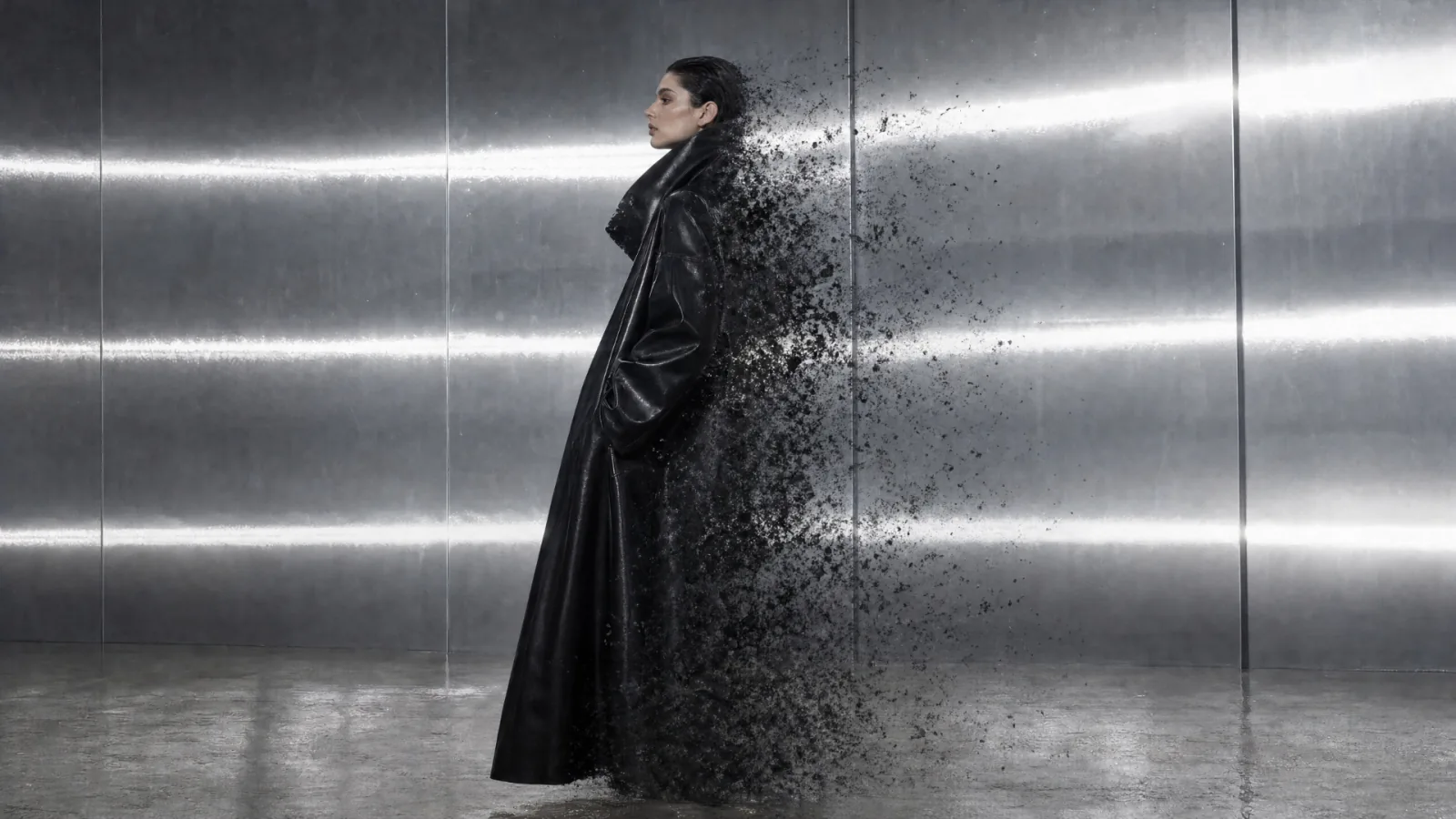
Precedents for such protections exist in other sectors. The SAG-AFTRA agreements for screen performers represent the gold standard, providing robust protections regarding digital replicas, consent, and residual compensation. However, legal experts warn that translating these protections to the world of eCommerce and catalog modeling will be an uphill battle. The entertainment industry benefits from a history of strong unionization and lobbying, resources that are largely absent in the fragmented, globalized world of fashion modeling.
Future Outlook and Conclusion
The current situation is, by all objective metrics, a crisis of labor rights in the digital age. The combination of restrictive, broad-reaching contracts and the platform-level scraping of digital assets has placed the professional model in a precarious position.
If the industry is to avoid a total collapse of the traditional modeling career path, it must shift toward a model of "digital agency." This would involve creating legal instruments that ensure creators are compensated not just for their time, but for the use and reuse of their digital likeness. Without such intervention, the promise of "evolving roles" for fashion professionals is likely to remain an empty phrase, while the industry continues to automate away one of its most essential creative inputs. The conversation has finally begun, but the industry remains far from a consensus on how to protect the human talent that helped build the modern image of global fashion.