14 Stylish and Sustainable Vegan and Cruelty-Free UK Clothing Brands to Know

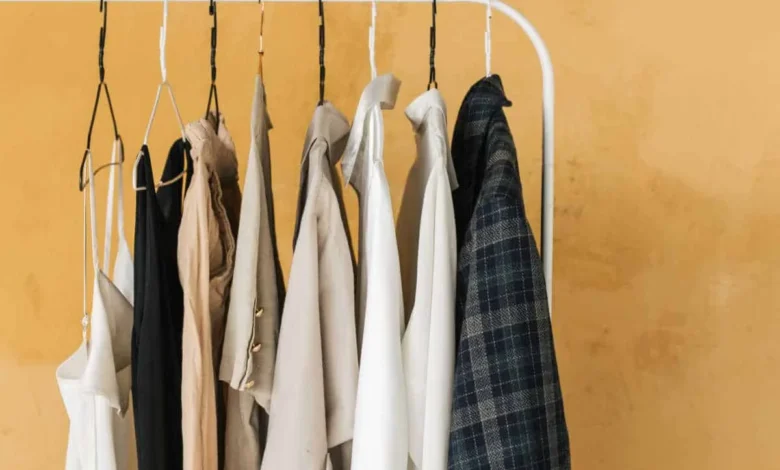
The landscape of British fashion is undergoing a profound structural transformation driven by shifting consumer ethics, environmental awareness, and a growing domestic rejection of animal exploitation. As a third of the UK population expresses support for or active adoption of plant-based diets, the domestic apparel market is experiencing a parallel surge in demand for ethical, animal-free alternatives. No longer confined to niche markets or compromise-heavy designs, vegan fashion has evolved into a sophisticated sector that pairs rigorous cruelty-free standards with advanced textile sustainability.

Historically, shoppers seeking to eliminate animal-derived materials—such as leather, wool, silk, and down—frequently encountered a hidden environmental trade-off on high street retail racks. Conventional alternatives often relied heavily on resource-intensive synthetic materials or heavily sprayed conventional cotton. However, contemporary British independent and mid-market brands are redefining the sector, proving that consumers no longer need to sacrifice garment quality, longevity, or environmental stewardship to uphold animal rights.
The Environmental Pitfalls of Conventional Vegan Fabrics
While the definition of vegan clothing strictly excludes animal products and by-products, avoiding cruelty does not automatically guarantee ecological sustainability. A critical challenge facing modern conscious consumers is the prevalence of synthetic textiles within mainstream vegan fashion ranges.

Fabrics derived from non-renewable fossil fuels, such as virgin polyester, acrylic, nylon, and conventional viscose, present severe environmental hazards. The extraction and processing of these petrochemical-based fibers contribute significantly to greenhouse gas emissions and exacerbate climate change. Furthermore, synthetic textiles do not biodegrade, persisting in ecosystems and oceans for centuries in the form of microplastics.
Concurrently, conventionally grown cotton presents its own distinct set of environmental and humanitarian concerns. The intensive use of synthetic pesticides and chemical fertilizers required for standard cotton production damages local biodiversity, degrades soil health, and poses acute health risks to agricultural workers, harvesters, and surrounding rural communities. Even initiatives like Better Cotton Initiative (BCI) cotton do not completely eliminate pesticide dependence.
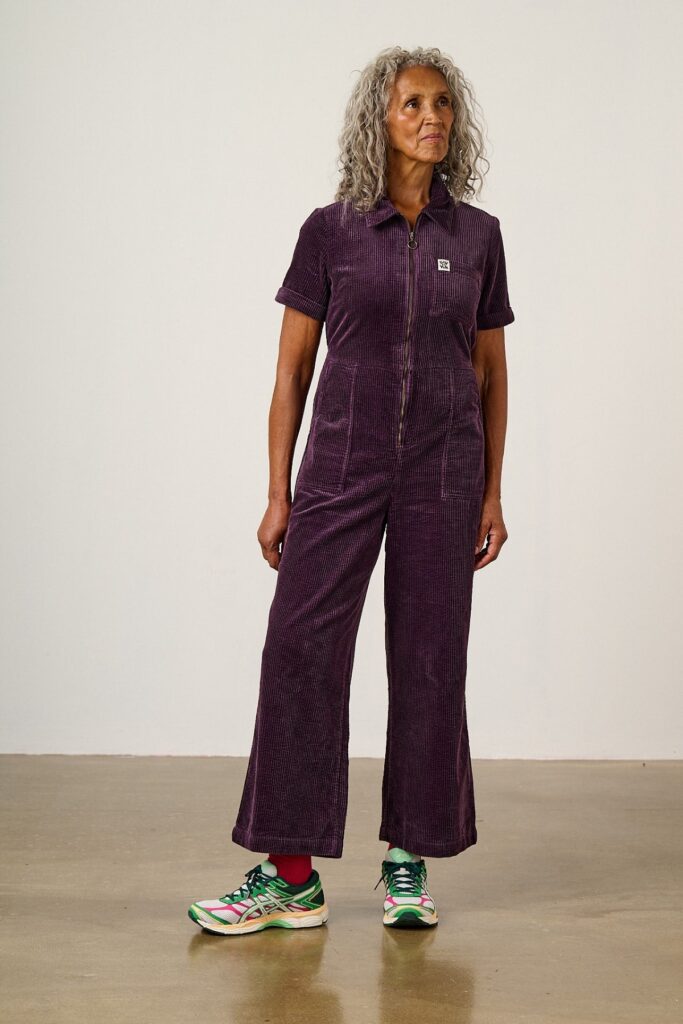
To bridge this gap, a new wave of pioneering UK brands has emerged, prioritizing regenerative natural fibers, certified organic supply chains, closed-loop recycling systems, and transparent manufacturing processes.
Categorizing the Market: Price and Size Guide
To assist consumers in navigating this expanding market, industry experts have mapped out leading British labels based on inclusive sizing parameters and retail price points.

Price classifications are standardized as follows:
- £ = Under £50
- ££ = £50 to £100
- £££ = £100 and above
Nomads (££)
Operating extensively through ethical retail networks such as the Ethical Superstore, Nomads offers a comprehensive range of predominantly vegan apparel, excluding only a minor footwear section that incorporates animal-based materials. Nomads collaborates directly with artisan producers and Fair Trade manufacturing facilities across India. The brand constructs its collections from certified natural fibers, including GOTS-certified organic cotton, Tencel Lyocell, and Ecovero viscose, finished with environmentally approved, AZO-free dyes. Rigorous independent inspections ensure compliance with strict labor standards, guaranteeing fair compensation, gender wage equality, and an absolute prohibition on child and forced labor.

Lucy & Yak (££)
Renowned for its vibrant, size-inclusive women’s wear—particularly its signature dungarees, jumpsuits, and relaxed trousers—Lucy & Yak operates an almost entirely vegan-friendly catalog, with only a minute fraction of its knitwear line utilizing wool. The brand relies heavily on preferred low-impact fabrics such as organic cotton, recycled polyester, and linen. Committed to social responsibility, Lucy & Yak produces its garments in independently audited factories, ensuring safe working conditions and fair treatment throughout the supply chain. Customers subscribing to the brand’s mailing list receive an introductory discount.
BAM (££)
Focusing primarily on high-performance activewear, BAM utilizes bamboo viscose as its foundational textile, prized for its exceptional softness, breathability, and low environmental footprint compared to conventional cotton. While BAM is not a 100% vegan brand—maintaining a small selection of wool-based knitwear—its extensive activewear and staple apparel lines are entirely cruelty-free. BAM has established ambitious sustainability targets for 2030, aiming for zero waste to landfill, zero pollution, and complete water conservation. The brand is a verified member of the Fair Wear Foundation, ensuring rigorous third-party oversight of worker protections and factory safety.
VO (££)
Formerly recognized as Vegan Outfitters, VO operates as a strictly 100% vegan enterprise catering to men, women, and children. The brand specializes in casual streetwear, including slogan-printed t-shirts, hoodies, and joggers, manufactured under ethical conditions and printed using eco-friendly water-based inks. Emphasizing circularity, all orders are shipped in entirely plastic-free packaging. Furthermore, VO maintains a philanthropic business model, donating 10% of its profits directly to UK-based sanctuaries dedicated to the rescue and rehabilitation of farm animals.
Not Basics (££)
Specializing in foundational wardrobe staples—including underwear, t-shirts, leggings, and lounge trousers—Not Basics operates as a fully vegan-friendly brand with a strong focus on textile waste reduction. Its underwear line is manufactured using unsold deadstock fabrics salvaged from external manufacturers, textile mills, and larger fashion brands, effectively diverting surplus materials from municipal landfills. Non-deadstock items are crafted from breathable, pesticide-free organic cotton, ensuring comfort without environmental compromise.

The Spark Company (££)
The Spark Company designs and manufactures ethically produced, 100% vegan feminist and LGBTQ+ apparel under strict zero-sweatshop guarantees. Operating under the parent investment firm Look Good, Do Good—which exclusively backs ethical, female-empowered, and cruelty-free enterprises—The Spark Company employs a zero-waste print-on-demand model utilizing vegan dyes and plastic-free packaging. A portion of the company’s profits is funneled directly into social advocacy organizations, including Bloody Good Period and the youth homelessness charity akt.
Yes Friends (£)
Targeting budget-conscious consumers seeking ethical alternatives, Bristol-based Yes Friends offers mainstream apparel staples such as hoodies, sweatshirts, and t-shirts starting at exceptionally accessible price points. Utilizing GOTS-certified organic cotton, the brand optimizes its production infrastructure to incorporate renewable energy sources and advanced water reduction technologies. Labor welfare is prioritized through strict adherence to Fairtrade factory standards, guaranteeing living wages for every worker within the supply chain.

Komodo (£££)
Established in 1988, Komodo stands as one of the pioneering entities in the sustainable fashion movement. Offering sophisticated natural-fiber menswear and womenswear, the vast majority of Komodo’s collections are certified vegan and cruelty-free. The brand utilizes premium organic cotton, hemp, and Tencel, backed by GOTS certification and Soil Association membership. As an active partner in the 1% for the Planet initiative, Komodo allocates funds to ecological restoration projects, including the Sumatran Orangutan Society’s efforts to reclaim degraded palm oil plantations.
Plainandsimple (££)
For consumers prioritizing a plastic-free wardrobe, Plainandsimple provides a circular fashion model encompassing t-shirts, hoodies, and sweatpants. Every garment is fashioned from GOTS-certified organic cotton down to the sewing threads and internal labels, entirely eliminating synthetic polymers. This design integrity allows garments to be fully recycled or composted at the end of their lifecycle. Through the brand’s complimentary take-back scheme, customers can return worn items for industrial composting or recycling in exchange for financial incentives toward future purchases.

WAWWA (£££)
Based in Manchester, WAWWA manufactures durable, everyday apparel for men and women engineered for longevity. A significant proportion of WAWWA’s collection is produced in-house at its dedicated Manchester manufacturing facility, ensuring workers receive real living wages. Operating an internal production hub also empowers the brand to offer specialized tailoring services, customizing garments to precise consumer measurements to minimize dead inventory and ensure a perfect fit.
Rapanui (££)
Operating from the Isle of Wight, Rapanui integrates circular economy principles into every facet of its operations, maintaining a catalog that is entirely vegan-friendly by default. Operating within solar-powered facilities, the brand constructs its garments from GOTS-certified organic cotton using non-toxic, water-based dyes. Rapanui’s proprietary closed-loop take-back system ensures that worn garments are systematically shredded and respun into new yarn, permanently diverting textiles from traditional waste streams.

Y.O.U. Underwear (££)
Specializing in intimate apparel for men and women, Y.O.U. Underwear utilizes 100% GOTS-certified organic cotton that is both Fairtrade and PETA-approved vegan. Manufacturing is conducted in partnership with India’s premier ethical textile facility, operating under the international SA8000 social standard, which mandates rigorous independent auditing regarding labor rights, workplace safety, and equitable compensation. The brand operates a social impact model, donating two pairs of underwear to the charity Smalls for All for every retail purchase made.
WUKA Underwear (££)
WUKA addresses a specific functional sector within sustainable fashion by producing high-performance, reusable period underwear. Certified by PETA as entirely animal-free, WUKA’s washable absorbent underwear is manufactured across inclusive sizing matrices using sustainable organic textiles, offering consumers a zero-waste alternative to disposable sanitary products.

Ninety Percent (£££)
Positioned in the luxury basics market, London-based Ninety Percent crafts high-end womenswear from premium vegan materials such as Tencel and organic cotton. The brand utilizes 100% plastic-free packaging, incorporating recycled cardboard mailers and biodegradable cornstarch garment bags. Ninety Percent distinguishes itself through a pioneering profit-sharing structure, distributing 90% of its divisible profits equally between its manufacturing workforce and prominent charitable organizations, including War Child UK, Wild Aid, and the Big Life Foundation. Its primary production facility in Bangladesh represents an industry benchmark, providing workers with comprehensive health insurance, daily hot meals, childcare facilities, and fair living wages.
Implications and Industry Outlook
The maturation of the UK vegan and ethical clothing sector reflects a broader economic pivot away from linear "take-make-waste" retail models. As regulatory scrutiny intensifies regarding greenwashing and supply chain transparency, brands that voluntarily subject themselves to independent audits—such as GOTS, Fair Wear Foundation, and SA8000 certifications—are establishing a new baseline for corporate accountability.

Analysts note that as consumer awareness deepens, the market differentiation between traditional fast fashion and certified sustainable vegan brands will likely widen. By integrating circular recycling systems, renewable manufacturing inputs, and verifiable worker compensation models, these 14 British brands demonstrate that ethical apparel can successfully scale without compromising environmental integrity or social justice.