Tesco Launches Its 2026 Christmas Campaign With The Wrong Address Short Film

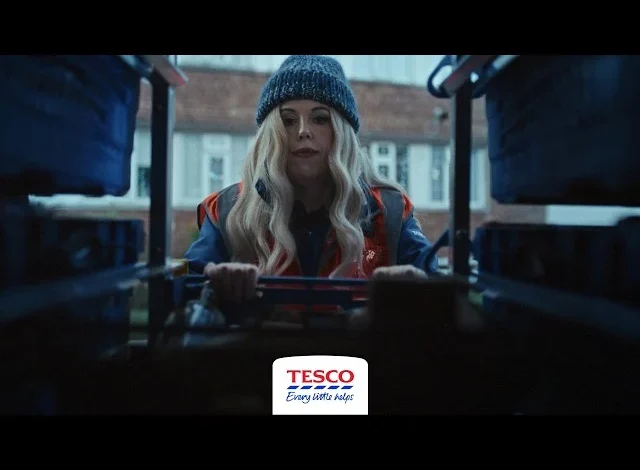
Tesco has officially unveiled its 2026 Christmas advertising campaign, a three-minute cinematic narrative titled The Wrong Address, which signals the retailer’s strategic focus on the intersection of human connection, logistical reliability, and the nostalgic power of the holiday season. The campaign, which features comedian Roisin Conaty and acclaimed actor Anna Maxwell Martin, serves as the cornerstone of the supermarket’s festive marketing efforts, emphasizing its commitment to the "Every Little Helps" philosophy while modernizing its brand image through the newer "Need Anything from Tesco?" platform.
The narrative arc of the film centers on an inadvertent error: a festive grocery delivery sent to the wrong address, hundreds of miles from the customer’s actual residence. This premise serves as a catalyst for a journey of reconciliation between two former school friends, Polly, played by Conaty, and Lizzie, portrayed by Maxwell Martin. As the Tesco delivery driver, Polly recognizes the name on the order and takes it upon herself to coordinate a mid-point meeting to ensure the holiday supplies reach their intended destination. The subsequent road trip, necessitated by a series of unforeseen vehicle mishaps, provides the backdrop for the characters to navigate the complexities of a long-dormant friendship and resolve a historic falling-out. The film is underscored by the evocative track "Every Little Thing She Does Is Magic" by The Police, reinforcing the emotional resonance of the campaign.
A Strategic Pivot in Festive Storytelling
The release of The Wrong Address marks a significant departure from the high-concept, animation-heavy advertisements that have characterized the retail sector in recent years. By choosing a grounded, character-driven story, Tesco is positioning itself not merely as a provider of goods, but as an essential facilitator of human experiences.
Industry analysts observe that this approach is particularly timely. Following several years of economic volatility, consumer sentiment in the United Kingdom has increasingly shifted toward themes of community, simplicity, and the restoration of social bonds. By highlighting the role of the delivery driver as an active, empathetic participant in the customer experience, Tesco is subtly reinforcing the reliability of its home delivery network—a critical operational pillar for the supermarket as it manages the peak demand of the final quarter.
Campaign Chronology and Rollout Strategy
The campaign, developed in partnership with the creative agency BBH London and directed by Steve Rogers, is scheduled for a multi-platform rollout designed to maximize reach across demographics:
- November 1, 2026: The television debut occurs on ITV during the broadcast of Who Wants to Be a Millionaire?, featuring a condensed 60-second cut of the three-minute film.
- Early November 2026: The full-length cinematic version becomes available across digital channels, including YouTube and the Tesco corporate portal.
- November 5, 2026: General Christmas delivery slots open to the public, a date determined by consumer data indicating that shoppers are beginning their festive preparations earlier than in previous cycles.
- Mid-November 2026: The launch of the Tesco Kitchen social media series, which will feature Conaty, Maxwell Martin, and broadcaster Greg James, providing a cross-platform narrative extension to the main advertisement.
Market Context and Consumer Behaviour
Tesco’s decision to emphasize delivery services and early booking slots is backed by significant market research. According to internal retail data, the shift toward home delivery has become a permanent fixture of the post-pandemic shopping landscape. In 2025, Tesco reported a 12% increase in year-on-year Christmas delivery bookings, a trend the retailer expects to continue as inflation and time-poverty drive consumers toward more convenient, time-saving solutions.
By framing the delivery driver as a helpful, proactive figure, the campaign addresses two distinct business objectives. First, it humanizes the brand’s logistical operations, transforming a standard service interaction into a memorable narrative. Second, it serves as a subtle marketing tool for the "Need Anything from Tesco?" initiative, which encourages customers to view the supermarket as a versatile partner capable of addressing immediate, often urgent, festive requirements.
Corporate Objectives and Executive Commentary
Suzanne Quinn, Tesco UK Customer Director, has indicated that the campaign is designed to be more than a seasonal showcase; it is intended to support customers through a period of sustained financial pressure. "Our goal this year is to ensure that every customer feels supported throughout the festive season," Quinn noted. "The narrative of The Wrong Address is a reflection of the small, often unexpected, acts of kindness that define the spirit of Christmas. We want to provide our customers with the best possible value and a seamless experience, whether they are shopping in-store or relying on our delivery network to bring their celebrations to life."
Beyond the digital and televised elements, the retailer is doubling down on in-store experiences. The return of the traditional Santa’s Grotto, which had been scaled back in previous years, indicates a return to pre-pandemic retail norms. This move suggests that Tesco is confident in the footfall levels for the 2026 season and is looking to incentivize physical store visits as a complement to its robust e-commerce performance.
Economic and Societal Implications
The broader implications of this campaign are significant for the UK retail sector. Tesco’s emphasis on "Every Little Helps"—a slogan that has defined the brand for decades—reaffirms its commitment to price competition at a time when household budgets remain under scrutiny. By integrating the narrative of the advert with practical, actionable information such as the opening of delivery slots and the return of in-store services, the company is effectively bridging the gap between brand-building and direct sales.
Furthermore, the collaboration with high-profile cultural figures like Greg James and Roisin Conaty suggests a deliberate effort to reach a younger, digitally engaged audience while maintaining the loyalty of the core demographic. The use of social media-first content through the Tesco Kitchen series highlights the transition from traditional linear advertising to an ecosystem-based approach, where consumers engage with the brand across multiple touchpoints throughout the holiday period.
Analytical Perspective on Brand Positioning
From a marketing analysis perspective, the 2026 Christmas campaign is a study in "relatable retail." While competitors often lean into elaborate CGI, high-budget fantasy, or celebrity-heavy spectacle, Tesco has opted for a narrative that centers on the "mistake"—a universal human experience. By transforming a logistical error into a moment of connection, the brand positions itself as a company that does not just facilitate the purchase of food, but facilitates the maintenance of relationships.
This narrative strategy aligns with contemporary psychological research into brand loyalty, which suggests that consumers are more likely to align with companies that demonstrate empathy and human-centric values. By addressing the "unresolved falling-out" between the characters in the film, the advert taps into the deeper emotional weight that many associate with the holiday season, moving beyond the transactional nature of grocery shopping.
Conclusion
As the 2026 festive season approaches, Tesco’s strategy appears well-aligned with current consumer expectations. By balancing the practical realities of retail—delivery slots, value-focused shopping, and in-store accessibility—with a narrative that prioritizes friendship and kindness, the company is positioning itself to capture a significant share of the seasonal market.
The launch of The Wrong Address serves as a benchmark for the retail industry, illustrating the power of combining traditional emotional storytelling with the logistical infrastructure that defines the modern supermarket experience. As the retailer moves into the peak weeks of November and December, the success of this campaign will likely be measured not only by the engagement metrics of the digital film but by the stability and efficiency of its delivery network as it faces the anticipated surge in demand from customers planning their 2026 Christmas celebrations.