Hugo Boss Slashes Full-Year Outlook as Persistent Macroeconomic Pressures Weigh on Global Apparel Demand

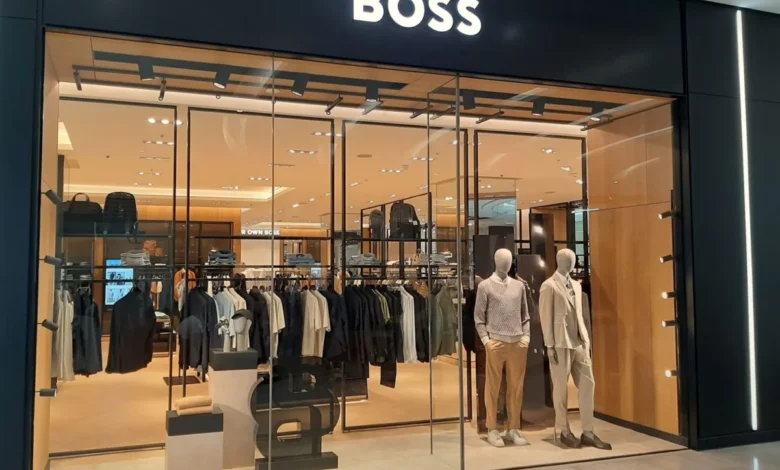
German luxury and premium fashion house Hugo Boss has officially downgraded its full-year financial outlook, citing prolonged macroeconomic headwinds, persistent sluggishness in consumer confidence, and a slower-than-anticipated recovery in key global retail markets. The decision underscores the broader challenges currently confronting the international apparel and luxury sectors as inflationary pressures, fluctuating currency markets, and tightened household budgets continue to alter consumer purchasing behaviors across both Europe and the Americas, alongside a more complex-than-expected retail landscape in Asia.
The revised guidance marks a notable shift in tone for the Metzingen-headquartered company, which had previously expressed cautious optimism regarding its mid-term growth trajectory and brand revitalization strategy. As retail analysts and market observers dissect the announcement, the development serves as a bellwether for the wider fashion industry, demonstrating that even high-profile brands with robust digital infrastructure and diversified product portfolios are not immune to the cooling global economic climate.
Background Context and Market Environment
To understand the catalysts behind Hugo Boss’s strategic reassessment, it is essential to examine the broader macroeconomic climate that has characterized the retail and apparel sectors over the past several quarters. Following a post-pandemic surge in demand—often referred to in financial circles as "revenge shopping"—the global fashion industry has faced a protracted period of normalization.
Consumers worldwide have grappled with the cumulative effects of elevated interest rates, higher costs of living, and economic uncertainty. These pressures have disproportionately impacted discretionary spending, forcing shoppers to become increasingly selective. While ultra-luxury houses have historically shown resilience at the very highest end of the wealth spectrum, premium brands operating in the accessible luxury and upper-middle market tiers—such as Hugo Boss with its core Hugo and Boss brands—find themselves in a highly competitive and sensitive pricing bracket.
Furthermore, the geopolitical landscape has introduced supply chain vulnerabilities, rising logistics costs, and volatile consumer sentiment in critical export regions. In particular, the recovery of retail demand in mainland China has been uneven, failing to provide the robust tailwinds that many Western brands had projected at the beginning of the year. Concurrently, traditional European and North American markets have experienced subdued foot traffic in physical retail locations, forcing brands to rely more heavily on promotional activity, which in turn compresses profit margins.
Chronology of Events and Guidance Revision
The trajectory leading up to the recent downgrade has been marked by sequential adjustments to corporate expectations. Earlier in the fiscal year, Hugo Boss management maintained an upbeat stance, banking on the continued momentum of its ongoing brand refresh initiatives, high-profile marketing campaigns featuring global celebrities and athletes, and strong digital growth.
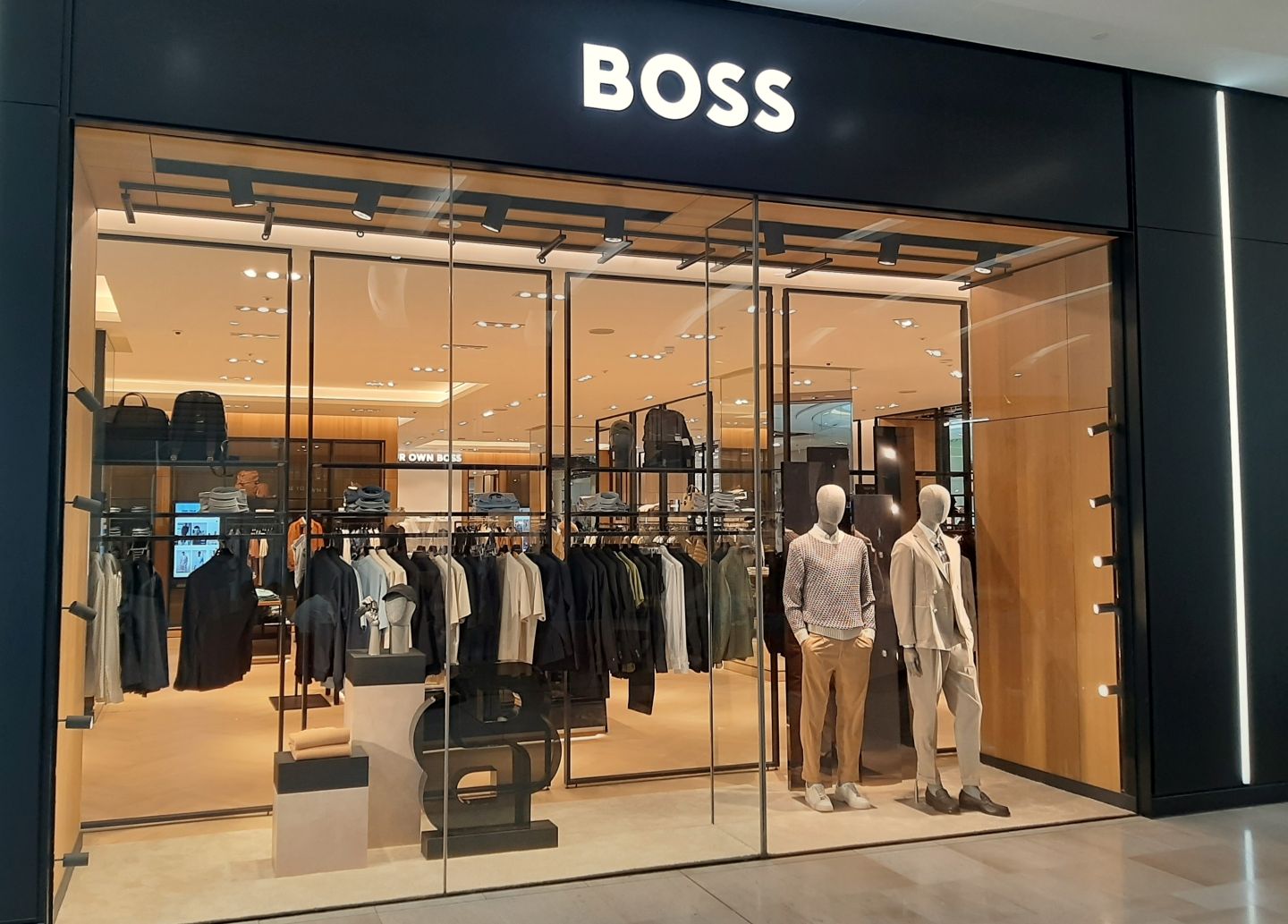
However, as mid-year financial reporting rolled in, early indicators pointed toward softer-than-expected sales volumes across key wholesale and retail channels. Inventory levels across the industry began to normalize at a slower pace, and promotional discounting became more widespread than initially modeled. By the end of the third quarter, real-time sales data and preliminary regional reports confirmed that the anticipated seasonal uptick in consumer spending was falling short of internal targets.
Confronted with this persistent revenue gap and the realization that macroeconomic pressures would likely extend through the crucial holiday shopping season, executive leadership elected to recalibrate the company’s financial compass. The revised outlook reflects a prudent, risk-mitigated approach designed to align operational costs with more conservative revenue expectations, thereby protecting long-term enterprise value over short-term sales volume.
Supporting Data and Financial Implications
While final quarterly figures continue to be audited and published according to regulatory schedules, the financial implications of the revised guidance are substantial. Under the updated forecasts, full-year group revenues are now expected to track below previous consensus estimates, with operating profit (EBIT) experiencing a corresponding contraction.
Industry analysts point to several quantifiable metrics that illustrate the current squeeze on apparel margins:
- Gross Margin Compression: Increased promotional activity and defensive discounting across the retail sector have directly impacted gross margins, as brands attempt to clear seasonal inventory.
- Operating Expense Adjustments: With top-line growth moderating, Hugo Boss has signaled a stricter enforcement of cost discipline, pausing non-essential capital expenditures and optimizing marketing spend without sacrificing core brand visibility.
- Inventory Turnover Ratios: Slower retail sell-through rates have led to elongated inventory cycles, tying up working capital that would otherwise be deployed into growth initiatives.
Despite these near-term headwinds, financial analysts note that Hugo Boss maintains a sound balance sheet and sufficient liquidity reserves. The company’s strategic investments in omnichannel capabilities, supply chain digitalization, and targeted marketing over the past several years have built a structural cushion that differentiates it from less-prepared competitors navigating the same downturn.
Official Responses and Strategic Pivot
In communications addressing institutional investors, financial analysts, and media stakeholders, Hugo Boss leadership emphasized that the downward revision of the outlook is primarily a reflection of external macroeconomic realities rather than structural deficiencies within the business model.
Management reiterated its long-term strategic pillars—often encapsulated in the "CLAIM 5" growth strategy—which focus on product excellence, digital leadership, brand elevation, and sustainability. Executives stressed that the core DNA of both the Hugo and Boss brands remains strong, pointing to sustained positive engagement across digital channels and strong reception of recent collection launches among core demographic groups.
Rather than pursuing aggressive, margin-diluting volume growth in a depressed market, the company is pivoting toward operational efficiency and disciplined execution. This includes tighter inventory management, localized merchandising strategies tailored to shifting regional preferences, and a continued focus on direct-to-consumer (DTC) channels, which offer higher margin retention compared to traditional wholesale partnerships.
Broader Impact on the Global Apparel Industry
The announcement by Hugo Boss is not an isolated incident but rather part of a broader wave of cautious corporate reporting sweeping the global apparel and luxury goods ecosystem. Major industry players across Europe, the United States, and Asia have similarly updated their forecasts in recent months, signaling a new baseline for the sector.
Key industry implications of the current macroeconomic environment include:
- Consolidation and Cautious Expansion: Retailers are slowing down physical store expansion plans, prioritizing profitability and efficiency within existing retail footprints over aggressive footprint growth.
- Enhanced Focus on Loyalty and Personalization: With acquisition costs rising, brands are heavily investing in customer relationship management (CRM) and loyalty programs to drive repeat purchases among existing high-value customers.
- Supply Chain Agility: Companies are increasingly adopting flexible sourcing and near-shoring models to mitigate geopolitical risks and respond more rapidly to volatile consumer demand patterns.
- Sustainability and Circularity as Differentiators: Even in a constrained spending environment, regulatory pressures and consumer demand for sustainable practices remain high, pushing brands to integrate circular business models that appeal to conscious consumers.
Conclusion and Outlook
The decision by Hugo Boss to slash its full-year outlook serves as a stark reminder of the complexities defining the contemporary global marketplace. As persistent inflation, shifting interest rates, and uneven consumer confidence continue to dictate the rhythm of retail, adaptability and financial prudence have become paramount.
While the immediate term presents clear hurdles for the German fashion group, market analysts remain watchful of how effectively management can execute its cost-control measures and navigate the upcoming retail cycles. The true test for Hugo Boss—and the wider apparel sector—will lie in its ability to balance short-term economic defense with long-term brand equity preservation, ensuring that when consumer demand eventually rebounds, the company is optimally positioned to capture market share and resume sustainable, profitable growth.