Next Reports Strong First-Half Profit Growth Amid Challenging Retail Landscape

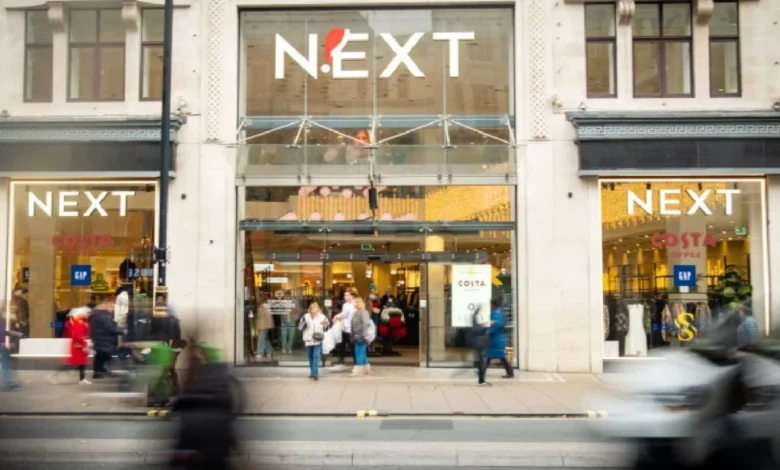
British multinational clothing, footwear, and home products retailer Next plc has announced its financial results for the first half of the fiscal year, demonstrating resilient profit growth despite a volatile macroeconomic environment characterized by persistent inflationary pressures and shifting consumer spending habits. The performance underscores the robust nature of Next’s omnichannel business model, stringent inventory management, and the continued popularity of its third-party brand labels. As high street retailers across the United Kingdom navigate the complexities of fluctuating consumer confidence, supply chain adjustments, and rising operational costs, Next’s latest financial disclosure offers a vital barometer for the broader apparel and retail sector.
Main Facts of the First-Half Performance
The newly released financial figures indicate that Next has successfully grown its pre-tax profits during the first half of the year, outperforming consensus expectations held by many city analysts. Total group sales, which encompass both the company’s traditional retail store portfolio and its dominant online division, showed steady upward momentum. The growth was primarily propelled by strong full-price sales, disciplined discounting strategies, and an efficient cost-containment program that helped protect operating margins.
Key highlights from the reporting period include a notable increase in digital revenue, driven by improvements to the company’s website infrastructure and mobile application capabilities. Furthermore, Next’s Total Platform service—which provides back-end e-commerce, warehousing, and digital marketing infrastructure to other retail brands—continued to contribute positively to the group’s diversified revenue streams. Gross margins remained stable, benefiting from favorable sourcing contracts and lower freight shipping rates compared to the severe disruptions experienced in previous years.
Background and Chronological Context
To fully understand Next’s current financial standing, it is essential to examine the strategic evolution of the company over the past several years. Founded in 1864 as J. Hepworth & Son, the business underwent a dramatic transformation in the early 1980s under the leadership of Sir George Davies, relaunching under the Next brand name and pioneering the integration of coordinated womenswear, menswear, and homeware.
In the decades that followed, Next established itself as a bellwether for the UK retail industry. The turn of the millennium saw the rapid expansion of the Next Directory, a mail-order catalog that seamlessly transitioned into one of the country’s most successful e-commerce operations. By the late 2010s and early 2020s, as traditional brick-and-mortar retail faced an existential crisis accelerated by the COVID-19 pandemic, Next leveraged its strong balance sheet to acquire stakes in or fully purchase struggling high street names, including Victoria’s Secret UK, Joules, and Cath Kidston, while also managing online operations for other brands like Laura Ashley.
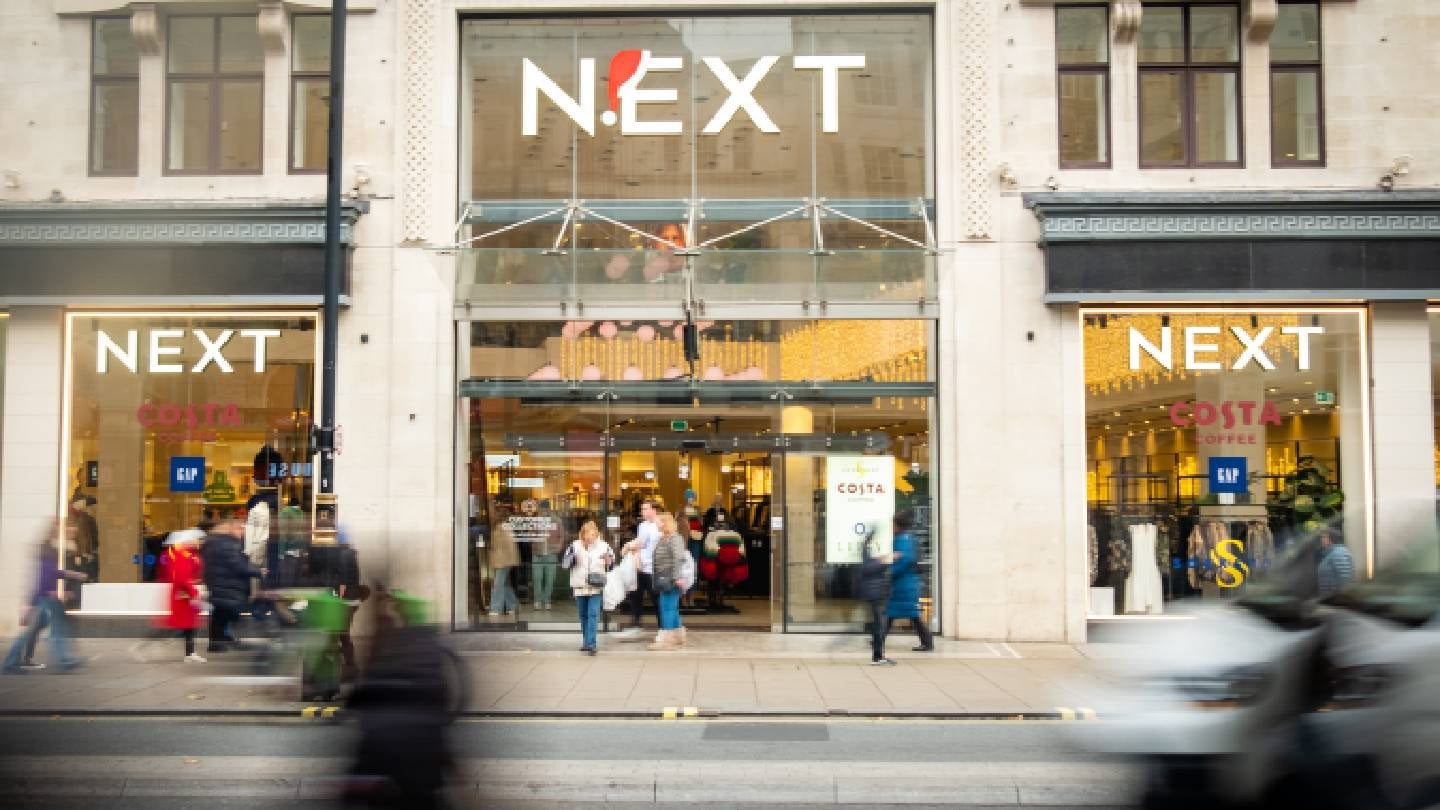
The chronology leading up to this latest profit growth report includes several pivotal operational milestones:
- Post-Pandemic Recovery Phase: Following the lifting of pandemic-era restrictions, Next experienced a surge in demand for formal and social attire as consumers renewed their social calendars. However, this was quickly followed by cost-of-living crises, energy price spikes, and high inflation throughout 2022 and 2023.
- Supply Chain Normalization: Throughout 2024, the company successfully navigated easing global logistics blockages, allowing for more predictable inventory flows and a reduction in markdown rates.
- Strategic Acquisitions and Partnerships: Next expanded its Total Platform partnerships internationally, collaborating with prominent global brands to manage their digital operations in the UK and select international markets.
- Interim Guidance Upgrades: In the months preceding this half-year report, Next quietly upgraded its profit guidance on multiple occasions, signaling to the market that consumer demand was holding up better than initially anticipated.
Supporting Data and Market Dynamics
A deeper analysis of the retail sector reveals the underlying drivers behind Next’s performance relative to its competitors. According to recent data from the Office for National Statistics (ONS) and the British Retail Consortium (BRC), retail sales volumes across the UK have experienced marginal fluctuations, with shoppers prioritizing essential goods over discretionary fashion purchases. Despite these headwinds, mid-to-upper-tier apparel retailers that successfully bridge the gap between value and quality have managed to capture market share.
Next’s average selling prices saw modest increases to offset rising labor costs, specifically the government-mandated adjustments to the National Living Wage. Nevertheless, transaction volumes remained healthy, indicating that the brand’s core demographic—primarily middle-income households—continues to view Next products as offering reliable quality and durability.
The company’s inventory levels were tightly controlled during the first half of the year, reducing the need for aggressive end-of-season clearance sales that typically erode profit margins. Online sales accounted for the lion’s share of total group revenue, reflecting a structural shift in consumer shopping habits that shows no sign of reversing. Physical retail stores, however, continued to play a crucial role as fulfillment and return hubs, proving that omnichannel integration remains the most viable model for modern apparel giants.
Official Responses and Industry Analysis
While executive leadership at Next maintains a characteristically cautious outlook regarding the remainder of the fiscal year, financial analysts have welcomed the robust numbers as a sign of exceptional operational management.
Industry commentators have frequently highlighted Chief Executive Lord Simon Wolfson’s prudent fiscal conservatism as a primary factor in the company’s sustained success. Over the years, Next has consistently avoided overextending its physical store estate, instead focusing on lease renegotiations, store modernizations, and digital infrastructure investments.
In statements accompanying previous financial updates, Next management emphasized that while wage inflation and geopolitical uncertainties continue to pose risks, the business is well-positioned to absorb cost pressures due to its diversified income streams. Analysts from major financial institutions have noted that Next’s ability to consistently beat profit forecasts stems from its conservative guidance model, which under-promises and over-delivers, thereby maintaining investor confidence even in volatile times.
Broader Economic Implications and Outlook
The implications of Next’s first-half profit growth extend beyond the company’s balance sheet, offering broader insights into the health of the British consumer and the future trajectory of the global apparel industry.
First, the results demonstrate that consumer spending is not entirely paralyzed by inflationary pressures; rather, it has become highly selective. Shoppers are increasingly migrating toward trusted brands that offer dependable quality, seamless digital shopping experiences, and efficient delivery and return mechanisms. Retailers failing to invest heavily in their digital and logistical back-ends are finding it increasingly difficult to compete.
Second, the success of Next’s Total Platform model signals a potential shift in how apparel brands operate. By leasing out its proprietary e-commerce and logistics infrastructure to other retailers, Next has transformed from a traditional high street seller into a hybrid technology and logistics service provider. This diversification buffers the company against fluctuations in pure apparel sales and opens up new, high-margin revenue streams.
Looking ahead to the second half of the fiscal year—which encompasses the critical Golden Quarter, including Black Friday and the Christmas shopping period—Next faces both opportunities and challenges. While seasonal demand traditionally boosts retail revenues, macroeconomic factors such as upcoming governmental budget announcements, tax adjustments, and persistent interest rate considerations could influence consumer discretionary spending.
Nevertheless, Next enters the second half of the year with a strengthened financial position, optimized inventory levels, and a proven strategic roadmap. As the global apparel industry continues to adapt to digital transformation and changing consumer expectations, Next’s first-half performance serves as a compelling case study in disciplined retail execution, adaptability, and long-term strategic vision.